Anime in India: How Fandom Went Mainstream, Says Comic Con Founder
Streaming access, regional dubbing and convention culture have turned anime from an internet subculture into mainstream Indian entertainment, with India now cited as the world's second-largest anime consumer market.
Commentary & Analysis ·
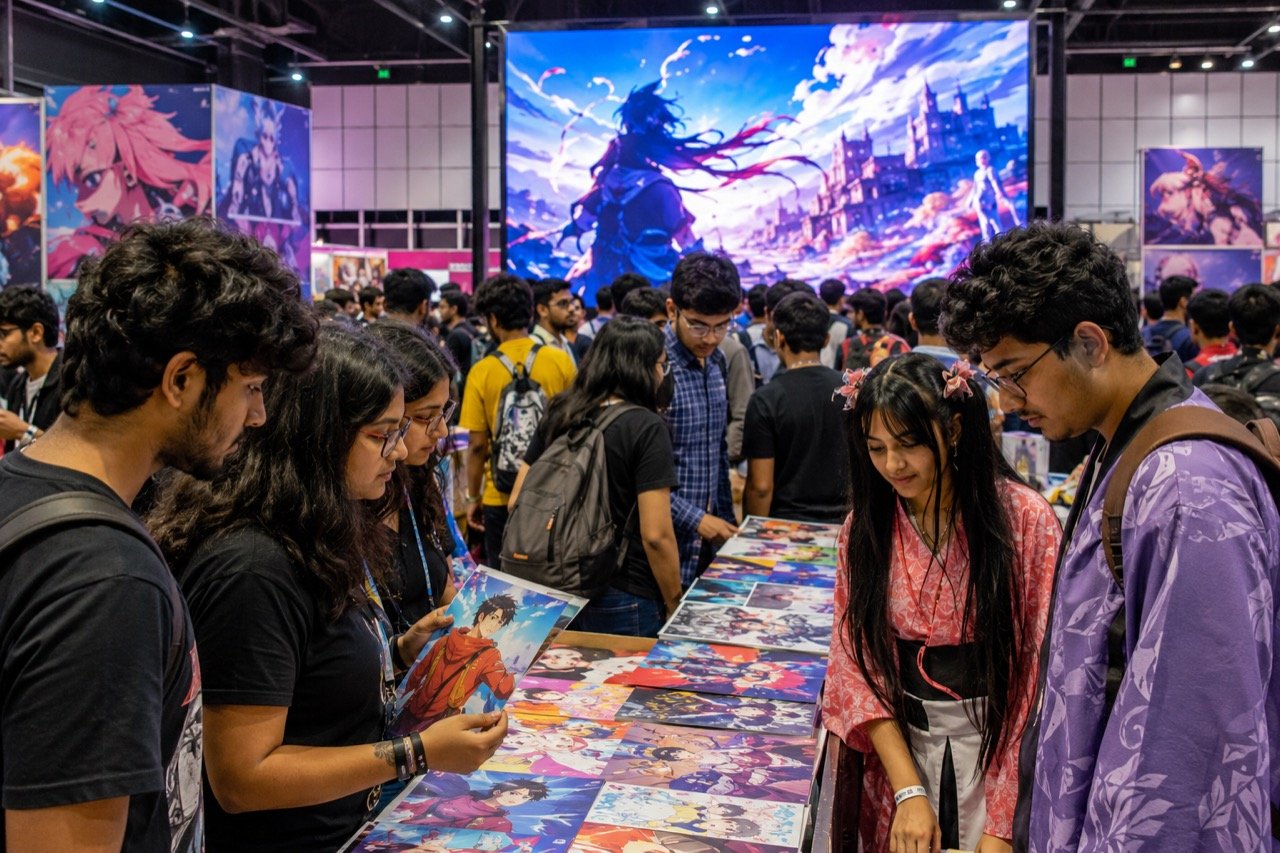
Anime has outgrown its status as a small internet subculture in India. A new NDTV interview with Comic Con India founder Jatin Varma has refocused attention on how Japanese animation, manga fandom, dubbing and streaming platforms have combined to make anime a mainstream entertainment force for Indian audiences. Three data points anchor the story: anime viewership in India surged during the pandemic years, regional dubbing carried the format deep into tier-2 and tier-3 cities, and India is now described as the second-largest consumer market for anime in the world. Together they signal that anime is no longer a foreign content trend but part of everyday Indian viewing culture.
From TV dubs to self-aware fandom
Many Indians grew up watching anime without knowing the word for it, through television dubs and children's channels that quietly introduced the visual language of Japanese storytelling. For an entire generation, series that aired on general entertainment and kids' channels were simply "cartoons," consumed alongside domestic programming with little sense that they belonged to a distinct creative tradition with its own conventions, fanbase and industry. What has changed is scale and self-awareness: today's viewers know they belong to a fandom. They track releases, attend conventions, buy merchandise and debate subs versus dubs with the intensity once reserved for film stars and cricket. This shift from passive, incidental viewing to active, identity-forming fandom is arguably the more significant transformation than the raw viewership numbers themselves, because it changes how audiences behave as consumers, not just what they watch.
Streaming, dubbing and the mechanics of growth
Streaming was the biggest structural shift, freeing fans from broadcast schedules and scattered uploads. Where earlier generations had to depend on whatever a television network chose to air, and in whatever order, streaming platforms gave audiences continuous, on-demand access to entire catalogues. This alone would have expanded the audience, but it also did something subtler: it let fandom become a shared, synchronised experience again, with new episodes landing for Indian viewers close to their original release, enabling the same kind of real-time community discussion that used to be reserved for live sport or appointment television.
Regional dubbing then widened the doorway further: a viewer in a smaller city who prefers Hindi, Tamil, Telugu or Bengali can now enter a long-running franchise without language standing in the way. This detail matters enormously for a market as linguistically diverse as India's. Anime's earlier reach was capped by English literacy and urban internet penetration; dubbing into regional languages effectively removed that ceiling, which is consistent with the pandemic-era surge and the format's spread into tier-2 and tier-3 cities described in the original reporting. Conventions completed the journey, turning private fandom into public culture where thousands of fans meet, cosplay and buy art. The convention circuit, anchored by events associated with organisers such as Comic Con India, gives a dispersed, largely online fan culture a physical, communal expression, which in turn reinforces loyalty and spending.
Why India's scale matters
India being named the second-largest consumer market for anime in the world is not a trivial statistic. It places the country in a category most commentators would not have predicted a decade ago, when anime consumption in India was assumed to be a niche pursuit confined to English-speaking, internet-savvy urban youth. That an Indian audience of this size now exists, spread across languages and city tiers, tells global anime studios, licensors and streaming platforms that India is not a peripheral market to be served as an afterthought but a core growth region worth direct investment, localisation budgets and marketing attention. It also tells Indian platforms and telecom-linked streaming bundles that anime catalogues are a genuine subscriber-acquisition and retention tool, not a curiosity slotted in for a small segment of users.
What it means for Indian entertainment
The boom carries a lesson for Indian studios: audiences reward strong world-building, distinctive characters and consistent release ecosystems, and digital-native viewers move fluidly between Korean dramas, Telugu films, Hindi web series and Japanese anime in a single week. This fluidity is itself a notable cultural development. It suggests that today's Indian viewer, particularly younger viewers, no longer organises their entertainment choices strictly along national or linguistic lines but around genre, craft and community, treating a well-made story as worth following regardless of its country of origin. For domestic studios and streaming commissioners, that is both a competitive threat and a template. The same appetite that pulls audiences toward anime could just as easily be captured by an Indian franchise built with comparable narrative ambition, visual distinctiveness and a reliable release cadence.
At the same time, the trend should not be overstated. Local cinema, cricket and short video still dominate the broader attention economy in India, and anime's rise, however striking, operates within and alongside these larger entertainment habits rather than displacing them. But anime now has enough cultural weight to shape fashion, memes, merchandise and convention economics, seeping into mainstream youth culture well beyond the audiences who consider themselves dedicated fans.
The NE Times View
Anime's rise in India is best read as a market signal, not a curiosity. It proves that young Indians will invest deeply in complex fictional universes when access is easy and language is no barrier, a demand that Indian animation studios have barely begun to serve. The pattern is instructive precisely because it strips away the excuses often given for why homegrown animated franchises have struggled to build lasting audiences: the appetite for serialised, character-driven, world-built storytelling clearly exists, and it exists at scale, across income groups and city tiers, whenever the content and its distribution are made accessible.
The real opportunity is not importing more anime but learning from it: building homegrown franchises with the same craft, consistency and community. That means treating animation as a long-term storytelling investment rather than a children's programming afterthought, committing to regional-language versions from the outset rather than as a later add-on, and cultivating the same convention and merchandise ecosystems that have made anime fandom self-sustaining in India. If Indian creators treat this moment as a masterclass rather than a threat, the country's second-largest-market status could become the foundation of its own animation industry, one built on the same principles of world-building, character depth and consistent release rhythm that have made anime so durable a presence in Indian entertainment.
Key takeaways
- India is now described as the second-largest consumer market for anime globally, with viewership having surged notably during the pandemic years.
- Regional-language dubbing into Hindi, Tamil, Telugu and Bengali has been central to anime's spread into tier-2 and tier-3 cities, removing the language barrier that once capped its reach.
- Streaming platforms replaced broadcast schedules and scattered uploads with continuous access, turning anime consumption into a shared, self-aware fandom rather than incidental viewing.
- Conventions, cosplay and merchandise have turned private fandom into visible public culture, reinforcing community and spending around the format.
- The trend signals unmet demand for world-built, character-driven, consistently released storytelling that Indian animation studios have yet to fully capture with homegrown franchises.
You may also like to read
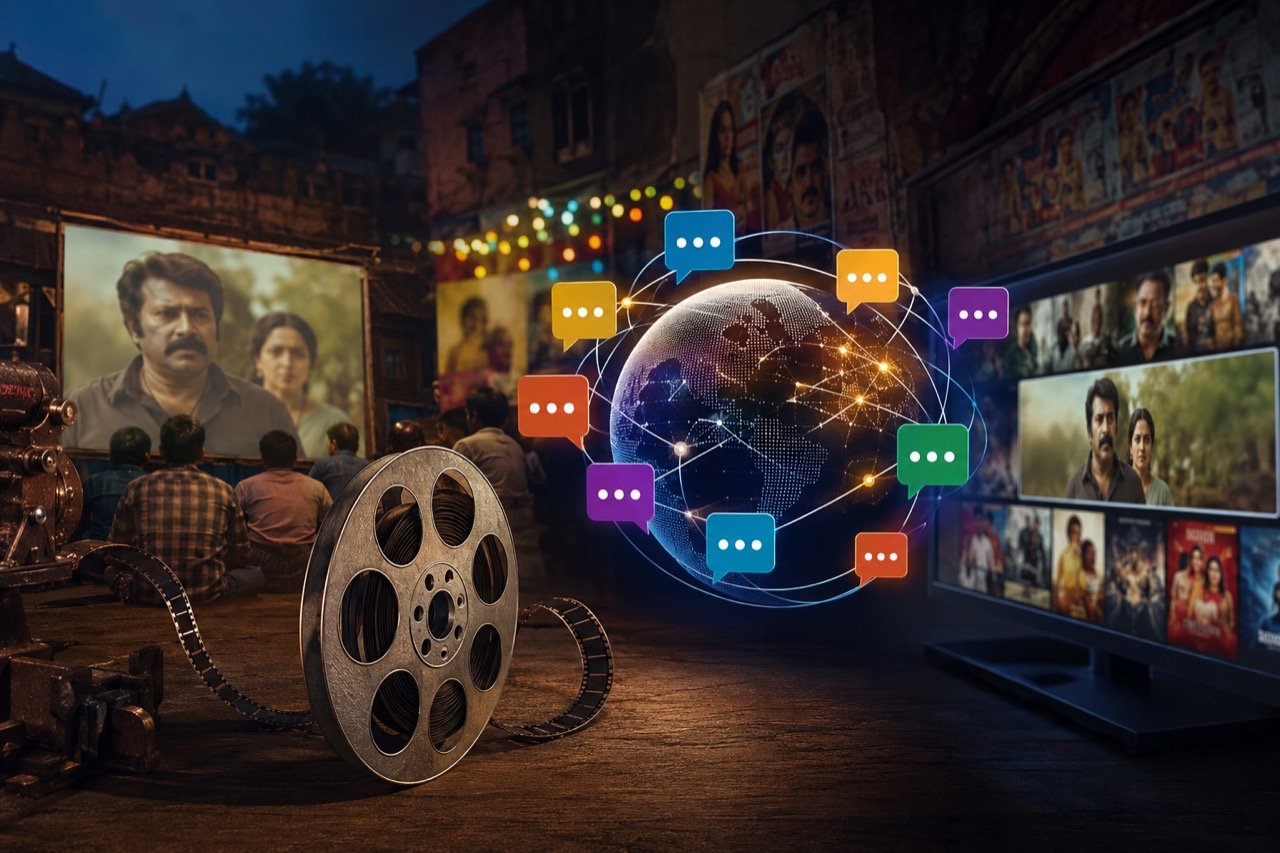
Mollywood Times OTT Release Streams in Four Dubbed Languages
The Malayalam film Mollywood Times premieres on streaming with Telugu, Tamil, Kannada and Hindi dubs from day one, signalling how OTT platforms are widening the national reach of Kerala's cinema.
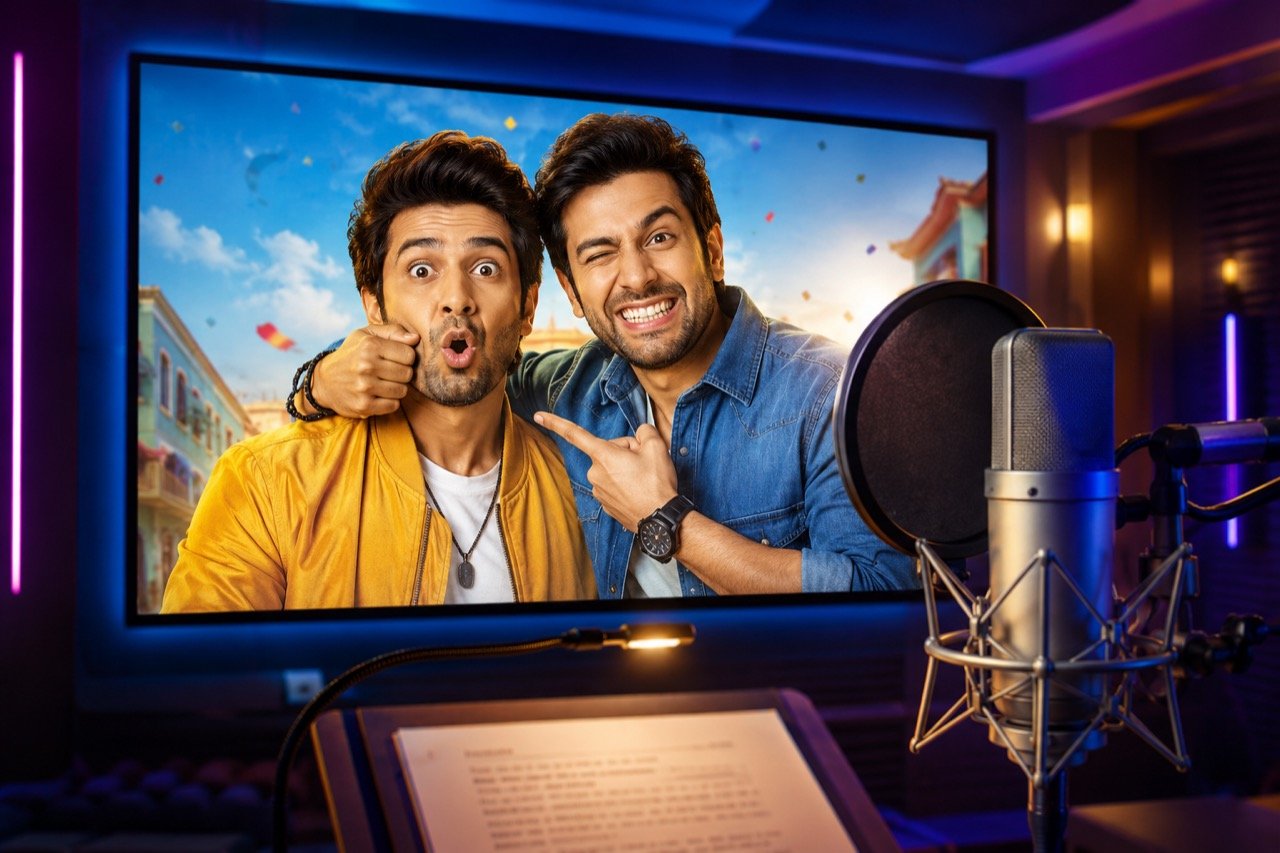
Pritam And Pedro Telugu Dub Widens Reach of Hindi Buddy Comedy
The Hindi buddy-comedy series Pritam And Pedro is now streaming with a Telugu dub, giving the show a fresh discovery route among regional audiences and underlining how Indian OTT libraries are turning multilingual by default.
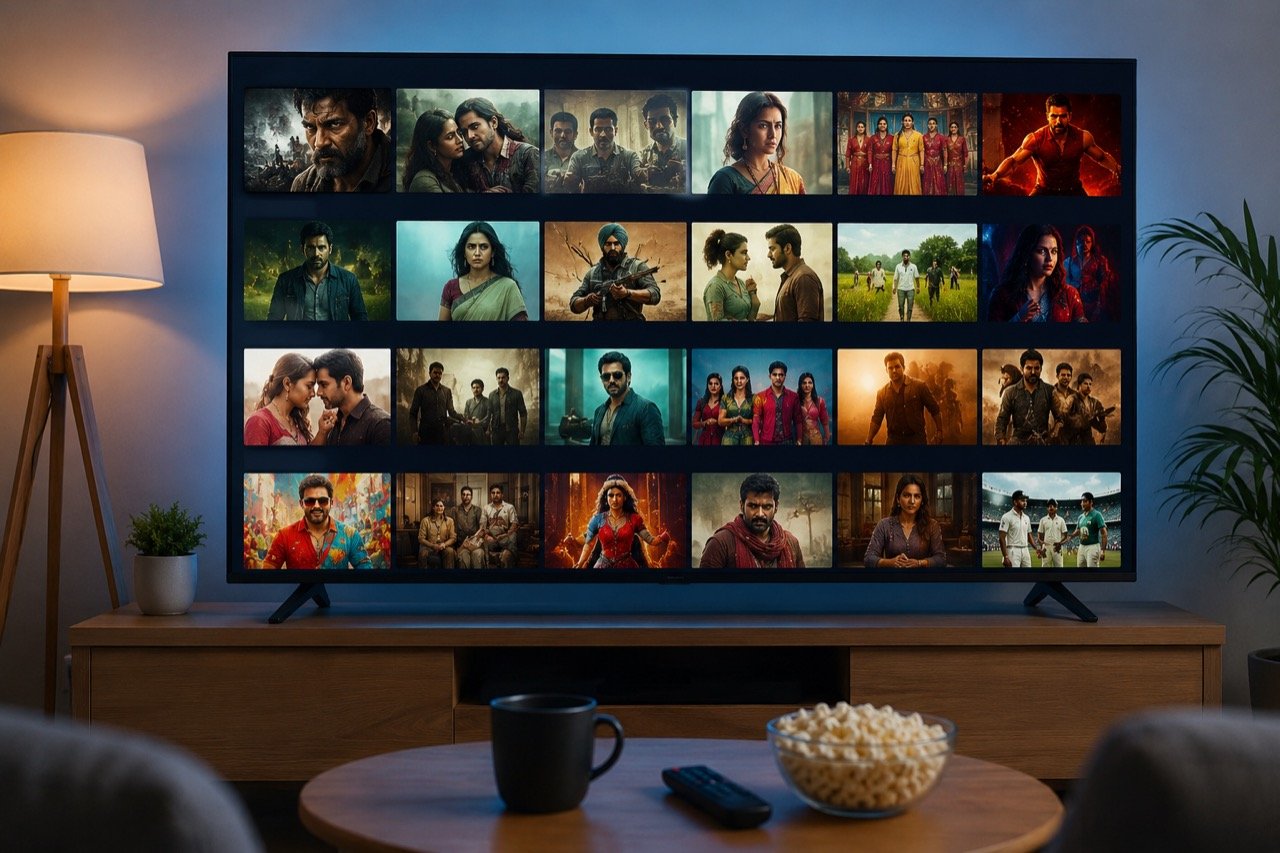
OTT Releases July 3-10: Regional Films and Series Pack the Watchlist
The July 3-10 streaming window brings Hindi, Tamil, Telugu, Malayalam and Kannada titles together with international series across Netflix, JioHotstar, Apple TV Plus and ZEE5, creating one of the month's busiest watchlists.

Lock Upp New Season Buzz Puts Kangana Ranaut Back in the Spotlight
Renewed chatter around a fresh season of Lock Upp has revived interest in Kangana Ranaut's confrontational reality format and its distinctive place in India's streaming-era television ecosystem.
More from this section
More
72nd National Film Awards: Fans Back Mammootty, Allu Arjun, Sai Pallavi
Speculation around the 72nd National Film Awards is intensifying as fan communities across India's language film industries champion favourites including Mammootty, Allu Arjun and Sai Pallavi ahead of any official announcement.

Aamir Khan Marries Gauri Spratt in Private Pali Hill Ceremony
Aamir Khan and Gauri Spratt tied the knot at the actor's Pali Hill home in Mumbai on July 5, turning a deliberately small family ceremony into Bollywood's biggest story of the day.

Akanksha Chamola's Lock Upp 2 Confession Sets Reality TV Abuzz
A personal revelation by Akanksha Chamola ahead of Lock Upp 2 has handed the reality show a viral talking point, underlining how confession-driven formats continue to dominate Indian television conversation.