Anakapalle Plant Fire Kills Two Workers, Renews Industrial-Safety Concerns
A major fire at the Dakshin Energy plant in Andhra Pradesh's Anakapalle district has killed two workers and trapped others, reviving urgent questions over factory fire controls and inspections.
Commentary & Analysis ·
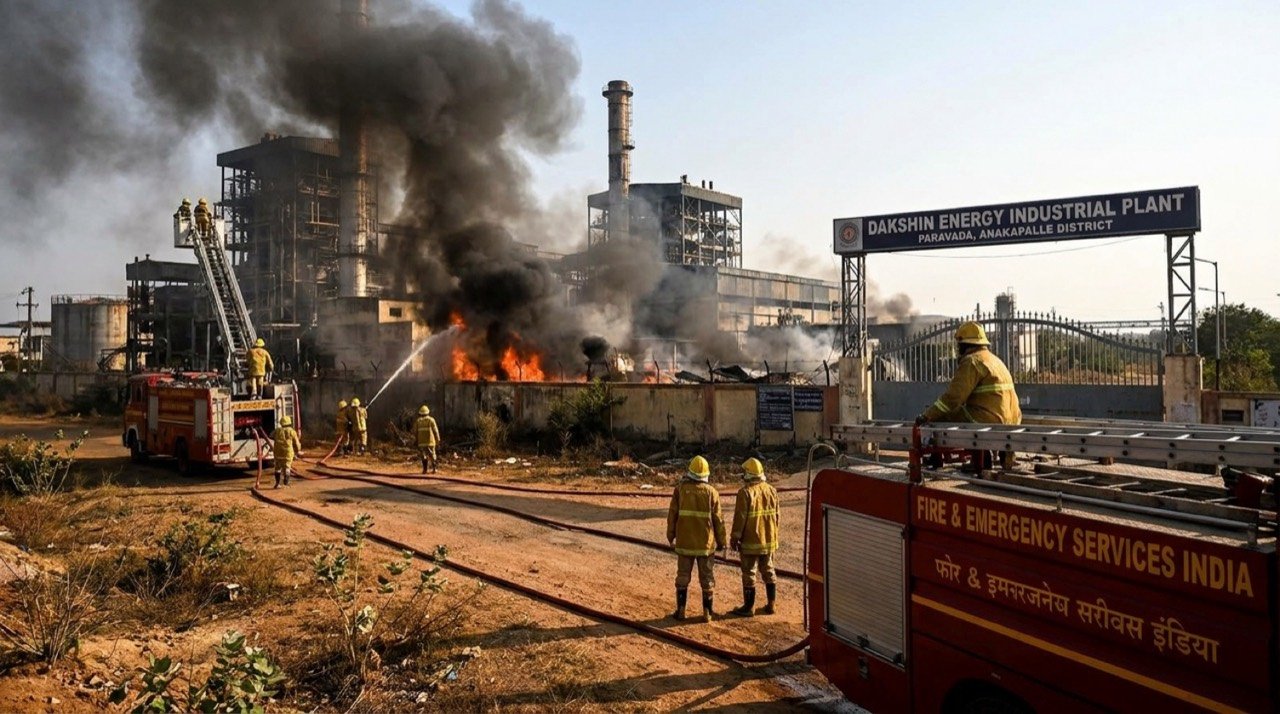
A major fire at the Dakshin Energy plant in Paravada, in Andhra Pradesh's Anakapalle district, killed two workers and left others feared trapped or injured, according to early reports. The blaze has once again turned attention to industrial safety in a region with a history of factory accidents. Coming as it does in an industrial corridor already familiar with such incidents, the fire raises questions that go well beyond the immediate tragedy, touching on how energy and chemical plants in the area are inspected, how workers are protected, and whether previous warnings have been heeded.
What is known so far
The Times of India and other local outlets reported that emergency teams responded to the industrial unit on Tuesday morning. Initial accounts described two workers charred to death and others trapped, with rescue and firefighting operations under way to bring the situation under control. The cause of the fire was not immediately clear, and authorities were still managing the site and accounting for all workers as of the latest reports.
Such uncertainty is common in the early hours of an industrial incident, when the priority is containment and rescue rather than investigation. Fire and disaster response teams typically focus first on dousing flames, evacuating personnel and preventing secondary explosions, especially at a facility handling energy production, where fuel stocks, pressurised systems or high-temperature processes can turn a contained fire into a much larger hazard within minutes. Only once the site is stabilised does the slower work of determining a cause, whether electrical fault, mechanical failure, human error or a combination of factors, typically begin. That gap between the visible tragedy and the eventual explanation is itself part of the story, since it is in that gap that early narratives can harden before all the facts are known.
A familiar pattern in the industrial belt
Anakapalle and the surrounding industrial corridor have seen previous safety incidents, and even a small number of deaths raises large questions about the adequacy of fire controls, the clarity of evacuation routes and the frequency of safety inspections. Each fresh accident renews calls for stricter enforcement of existing norms. Plants handling energy, chemicals or high-temperature processes carry inherent risks that demand robust alarms, regular drills and properly maintained protective equipment for workers on the floor.
The recurrence of such incidents in the same broad industrial belt is significant in itself. A single accident might be attributed to an isolated failure at one facility. A pattern, however, points to something more systemic: a regulatory environment in which inspection regimes are not rigorous enough, or in which the penalties for non-compliance are too mild to change behaviour. Workers on the ground are the ones who bear the immediate cost of these gaps, often with the least power to demand change, since raising safety concerns can carry the risk of reprisal in tightly held industrial employment markets. Their vulnerability is precisely why external oversight, rather than reliance on internal plant management, matters so much in this sector.
What families and regulators need now
For the affected families, timely and accurate information is the immediate need, alongside support in the difficult days ahead. Grief is compounded when official communication is slow, contradictory or opaque, and there is a duty on both the company and the state administration to ensure that relatives are not left piecing together what happened from unconfirmed reports. Financial and medical support, where warranted, should follow promptly and without the bureaucratic delay that too often accompanies compensation claims in industrial accident cases.
For regulators, the lasting test is whether findings from the incident are published transparently so that the lessons are not lost once the flames are out. An inquiry that remains internal to the company, or that concludes with a vague finding of "technical fault" without further elaboration, serves no one. The value of an investigation lies not merely in assigning blame for this one fire but in identifying systemic weaknesses, whether in the design of the plant, the training of its workforce, or the frequency and rigour of statutory inspections, that could just as easily cause the next fire at a different facility in the same corridor.
Why industrial fire safety keeps resurfacing as an issue
Incidents of this kind tend to follow a familiar arc in the public conversation: shock at the loss of life, brief scrutiny of the specific plant involved, and then a return to business as usual once media attention moves on. That pattern is itself part of the problem. Genuine improvement in industrial safety requires sustained attention rather than episodic outrage, because the underlying causes, ageing infrastructure, cost pressures that discourage investment in preventive maintenance, and inspection regimes stretched thin across too many facilities, do not resolve themselves between one fire and the next.
There is also a structural dimension worth noting. Andhra Pradesh's industrial corridors, like similar belts elsewhere in India, have grown rapidly as investment has poured into energy and manufacturing capacity. That growth is welcome for employment and regional development, but it places a burden on regulatory capacity that does not always keep pace. When the number and complexity of industrial units expands faster than the inspectorate assigned to oversee them, the result is precisely the kind of gap in which safety lapses can persist undetected until an accident forces them into view.
What to watch next
As investigators begin to piece together what triggered the blaze, several things will indicate whether this episode leads to anything more than another entry in a grim ledger. The first is the speed and transparency of the official cause-finding process. The second is whether the inquiry extends beyond the immediate technical trigger to examine whether inspection schedules were followed, whether safety equipment was adequate, and whether workers had received proper training and drills. The third is whether any accountability follows, not only for the plant's management but, where relevant, for the regulatory bodies responsible for oversight. Whether the episode leads to meaningful improvements in workplace safety will depend on the rigour of the inquiry and the willingness of authorities to act on its conclusions.
The NE Times View
Two deaths in another industrial fire is not an accident so much as an indictment. India's factory-safety regime suffers less from missing rules than from unenforced ones, with inspections too often a paperwork ritual. Each such tragedy follows a familiar script of condolences, a probe and quiet forgetting. Real accountability means naming inspection failures and prosecuting negligence, not just the plant but the system that licensed its risks. Until that shift occurs, industrial corridors like Anakapalle's will continue to see workers pay the price for gaps that regulators and companies alike have been slow to close.
Key takeaways
- A fire at the Dakshin Energy plant in Paravada, Anakapalle district, killed at least two workers on Tuesday morning, with others feared trapped or injured.
- The cause of the fire remains unclear, and authorities were still managing the site and accounting for workers as of the latest reports.
- The incident fits a wider pattern of safety lapses in the Anakapalle industrial corridor, raising questions about fire controls, evacuation routes and inspection frequency.
- Families need timely, accurate information and prompt support, while regulators must ensure findings are published transparently rather than quietly shelved.
- Lasting improvement depends on whether the inquiry identifies systemic failures and whether authorities are willing to enforce accountability, not just at this plant but across the sector.
You may also like to read
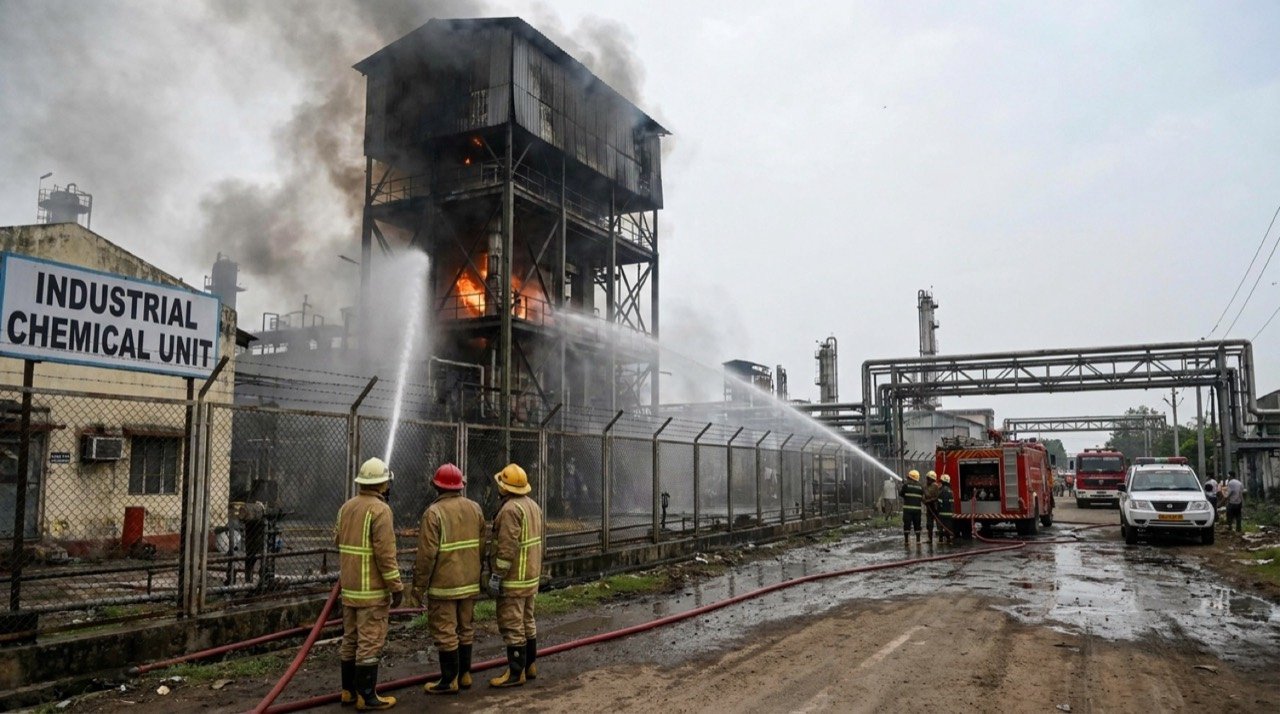
Anakapalle Industrial Fire Kills Two Workers and Raises Hard Safety Questions
A major fire at Dakshin Energy's plant in Paravada, Anakapalle, killed two workers and left others feared trapped, reigniting concern over industrial safety and inspections in Andhra Pradesh's pharma city.
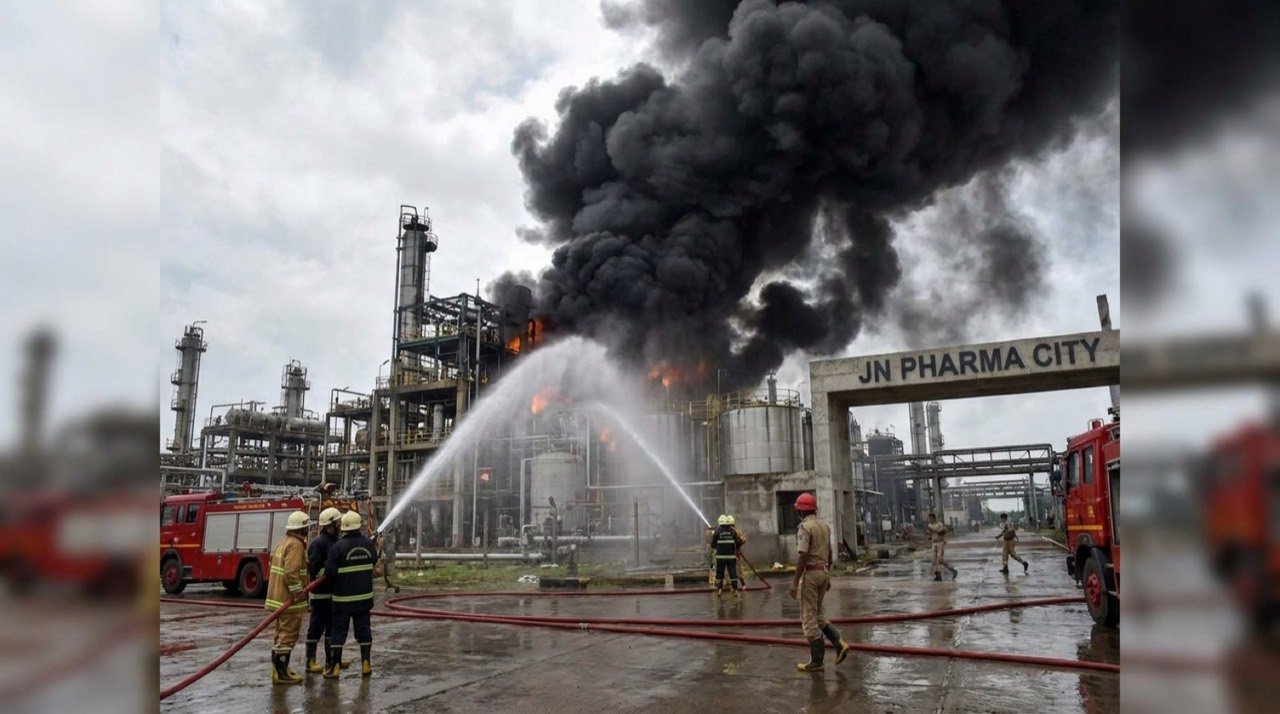
Two Workers Killed in Anakapalli Pharma City Fire at Dakshin Energy Plant
A blaze at a plastic pyrolysis unit in Andhra Pradesh's Jawaharlal Nehru Pharma City has killed two workers, reviving hard questions about safety audits in the Visakhapatnam industrial belt.
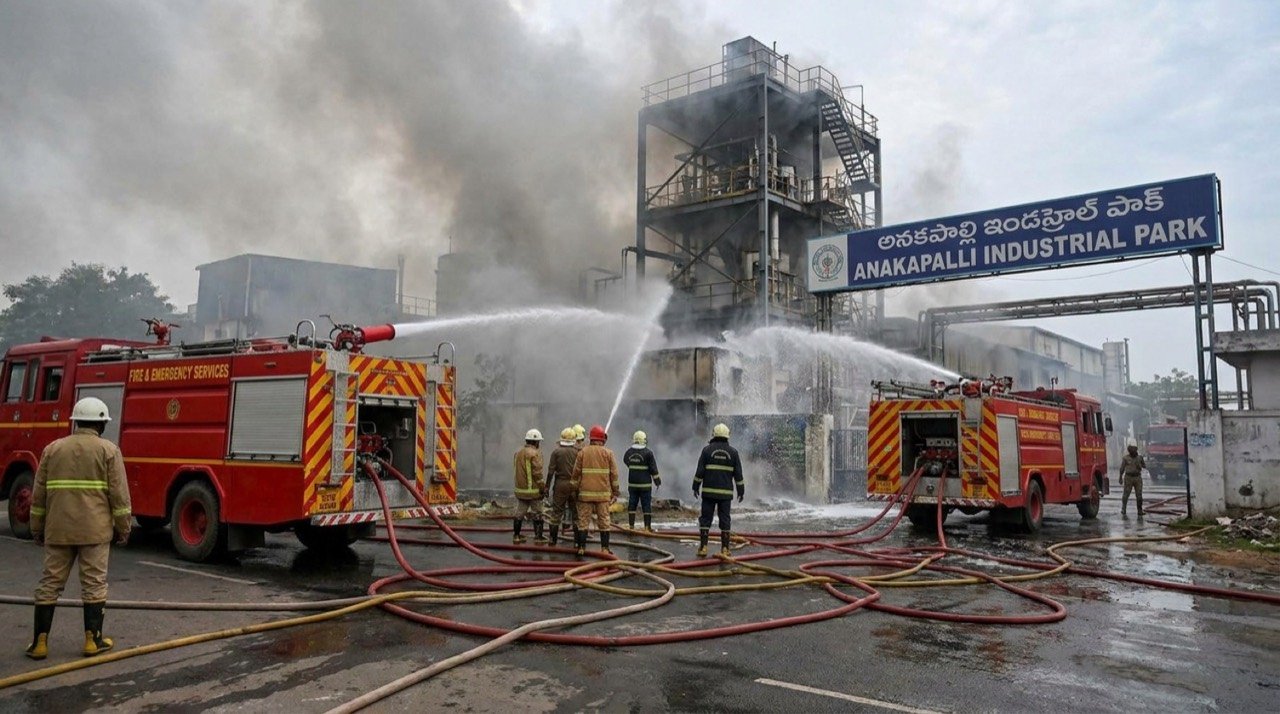
Anakapalli Pharma City Fire at Dakshin Energy Kills Two Workers, Reignites Safety Concerns
A fire at Dakshin Energy Industries in Anakapalli's Jawaharlal Nehru Pharma City killed two workers on June 23, with others feared trapped, putting Andhra Pradesh's industrial safety record back in focus.
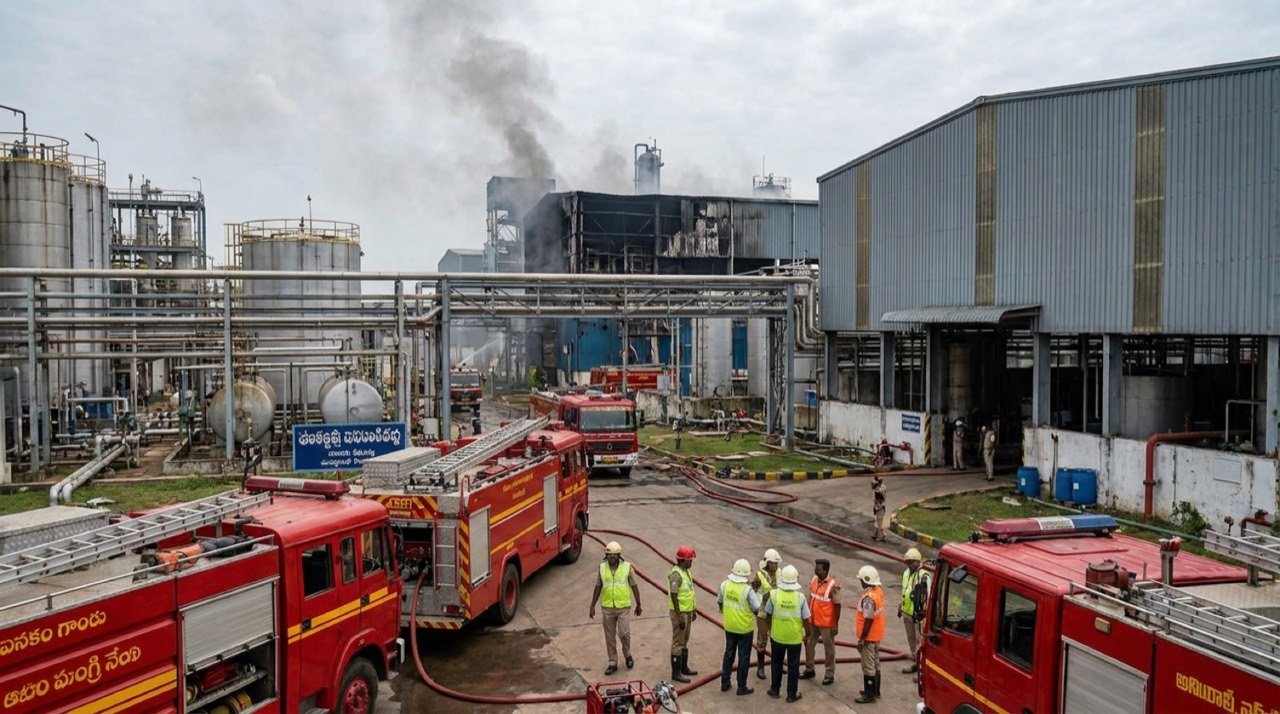
Anakapalli Pharma-City Fire Puts Andhra Pradesh Industrial Safety Back Under the Lens
A deadly fire at a unit in Andhra Pradesh's Anakapalli pharma-city has reignited scrutiny of industrial safety, compliance and worker protection across one of the state's key manufacturing belts.
More from this section
More
AICTE Industry Fellowship 2026: Rs 1.5 Lakh Scheme Closes July 5
The AICTE Industry Fellowship Programme 2026, which places technical-education faculty inside leading companies on a Rs 1.5 lakh monthly stipend, reached its application deadline on July 5.
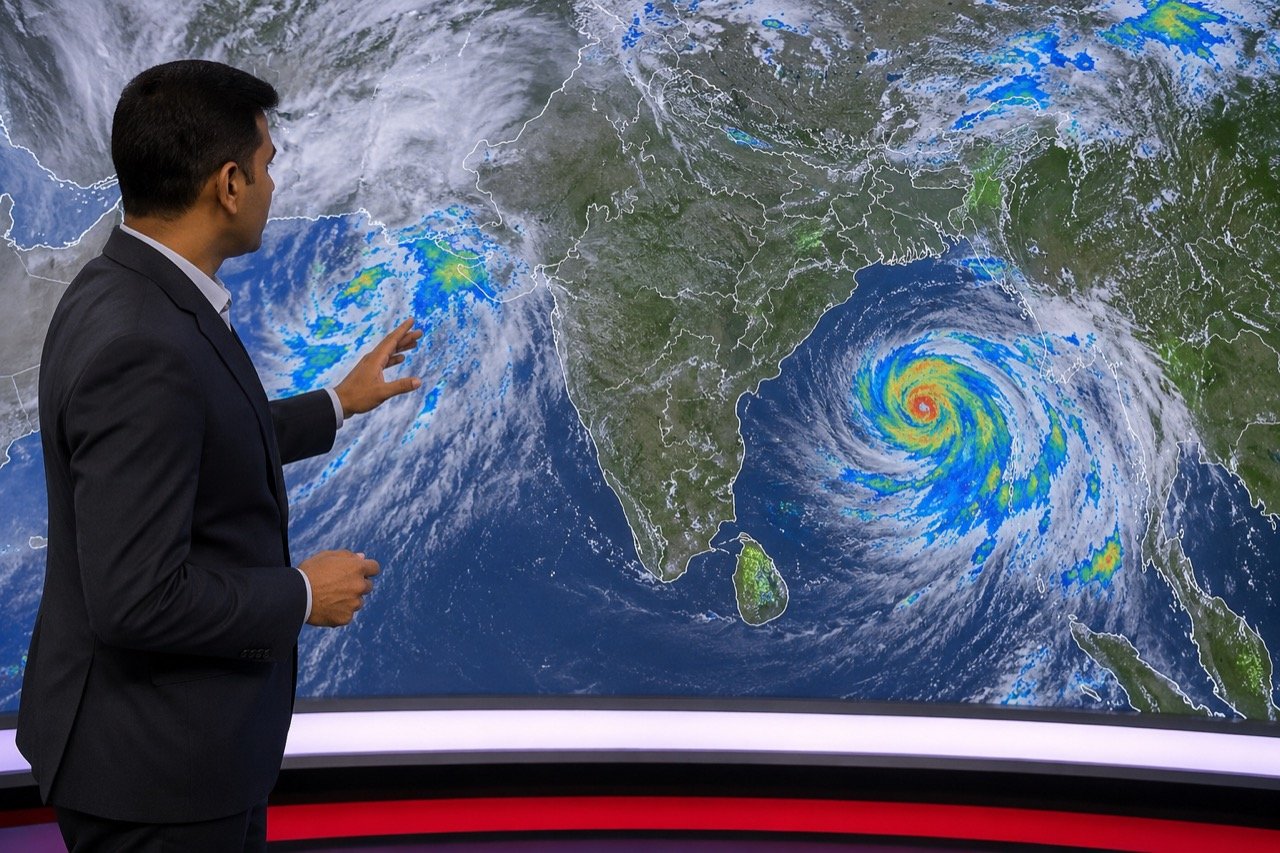
Bay of Bengal Low Pressure System Revives Monsoon Over Western India
A low-pressure system over the Bay of Bengal has pushed the monsoon back into an active phase, bringing steady heavy rain to Kerala, coastal Karnataka and Maharashtra, and putting Mumbai and Pune on preparedness watch.
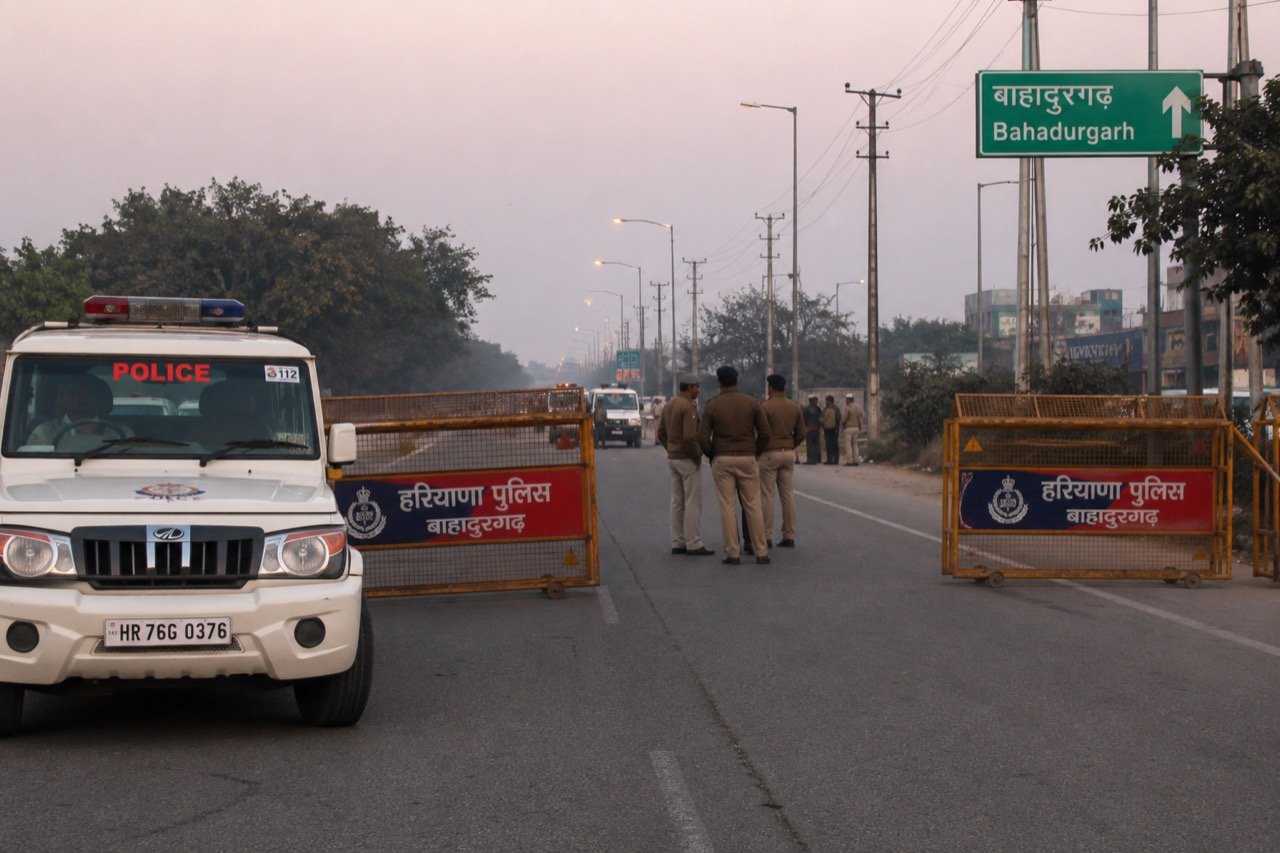
Bishnoi Gang Suspects Injured in Haryana Encounter as Police Tighten Net
A joint Haryana-Delhi Police operation in Bahadurgarh left two suspected Lawrence Bishnoi gang members injured, spotlighting the multi-state coordination now central to India's fight against organised crime networks.