Anakapalli Pharma City Fire at Dakshin Energy Kills Two Workers, Reignites Safety Concerns
A fire at Dakshin Energy Industries in Anakapalli's Jawaharlal Nehru Pharma City killed two workers on June 23, with others feared trapped, putting Andhra Pradesh's industrial safety record back in focus.
Commentary & Analysis ·
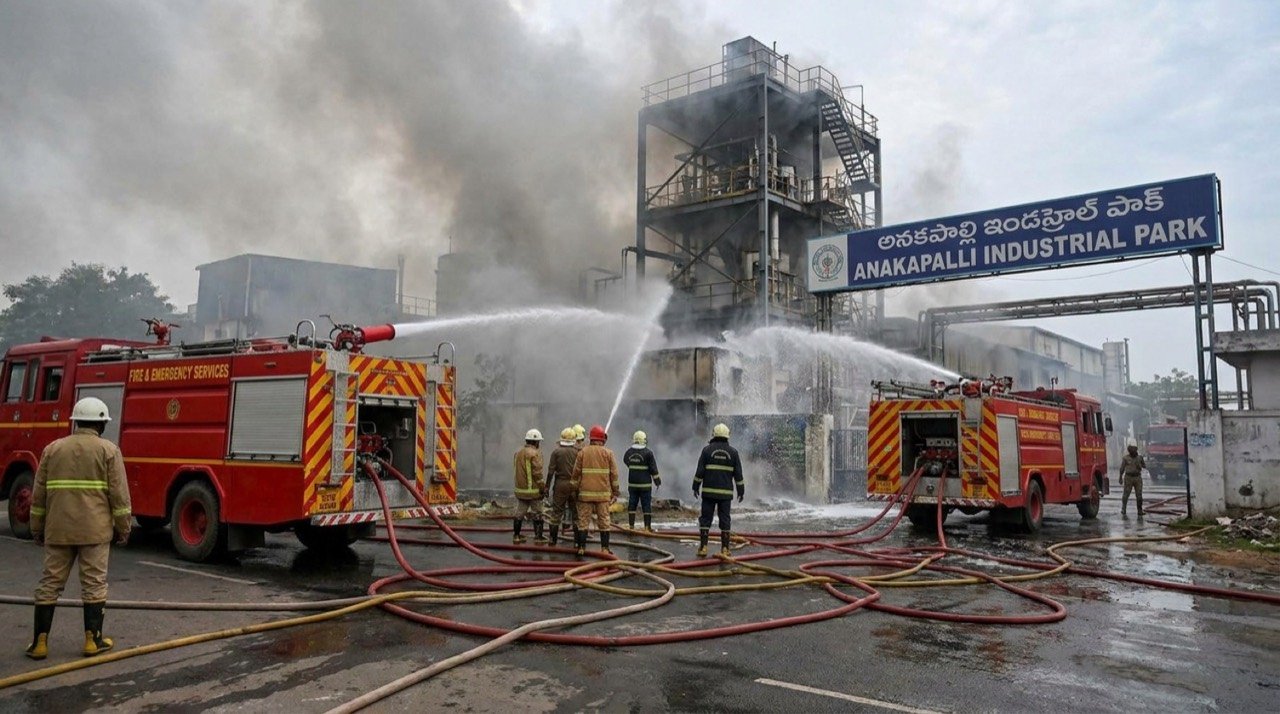
A fire at Dakshin Energy Industries in the Jawaharlal Nehru Pharma City at Anakapalli killed two workers on June 23, as emergency teams brought the blaze under control while its cause remained under inquiry. Reports said others were feared trapped or injured, turning what might otherwise have been reported as a localised accident into a serious public-safety story for one of Andhra Pradesh's busiest industrial belts. The bare facts are stark enough on their own: a plant fire, two workers charred to death, an uncertain number of additional casualties feared, and an investigation that has yet to establish what went wrong. But the significance of this incident extends well beyond the perimeter of one factory, touching on how India regulates hazardous industry, how much faith workers can place in the safety systems meant to protect them, and how a state government balances industrial ambition against the lives of the people who staff its factories.
What happened at Dakshin Energy Industries
The blaze broke out at the plant within the sprawling Pharma City cluster, with two workers reported charred to death and others feared trapped as the fire spread through the facility. Fire and rescue teams were deployed to contain the blaze, and officials said the flames were eventually brought under control. That containment, however, should not be mistaken for resolution. The cause of the fire had not been established at the time of reporting and remained under investigation. Authorities were expected to examine whether equipment failure, chemical handling practices or a lapse in safety protocol triggered the incident. Each of these possible causes points to a different kind of institutional failure, and each carries different implications for how the response should be shaped. Equipment failure would suggest a maintenance and inspection deficit. Chemical handling issues would point toward training, storage and process-safety gaps. A protocol lapse would implicate supervision and workplace culture. Until the inquiry produces findings, all three remain live possibilities, and the ambiguity itself is part of the story: workers and their families are left without a clear account of why two of their colleagues did not come home.
A recurring industrial hazard in Andhra Pradesh's pharma belt
Andhra Pradesh's pharmaceutical and chemical corridors concentrate large numbers of workers around volatile materials, and fires at such units carry an outsized risk to life precisely because of what is stored and processed on site. Pharmaceutical manufacturing routinely involves flammable solvents, reactive intermediates and high-temperature processes, all of which demand rigorous engineering controls and disciplined operating procedures. When those controls fail, even briefly, the results can escalate from a contained incident into a fatal one within minutes. Each fire of this kind revives the same set of questions: are fire-safety audits being conducted with genuine rigour, is emergency preparedness matched to the actual risks on the ground, and are evacuation procedures fast enough when seconds determine whether a worker survives. These are not new questions in Andhra Pradesh's industrial zones, and their recurrence after each incident is itself telling. Worker-safety advocates have long argued that compliance on paper does not always translate into protection on the shop floor, and this accident sharpens that concern for both regulators and labour groups. A certificate of compliance means little if fire exits are obstructed, if extinguishing systems are untested, or if workers have not been drilled on what to do when an alarm sounds.
Why the wider stakes go beyond one factory
Pharma City is a significant employment hub, and an accident here ripples beyond the immediate plant to the families and communities that depend on industrial wages for their livelihood. Workers in these clusters are often drawn from surrounding villages and towns precisely because the pharma sector offers steadier employment than agriculture or informal labour. That economic dependence cuts both ways: it explains why the state has invested heavily in building out Pharma City as an industrial engine, and it also explains why the human cost of any failure there is absorbed so directly by local communities. The incident places the burden on authorities to determine accountability and to reassure a workforce that the cluster is safe to work in. That reassurance cannot rest on statements alone. It requires visible, verifiable action: transparent findings from the inquiry, consequences for whichever failures are identified, and demonstrable upgrades to safety practice across the cluster rather than at Dakshin Energy alone. Without that, each fresh incident chips away further at the credibility of assurances that the sector polices itself adequately.
The unfinished business of industrial safety enforcement
As the inquiry proceeds, attention will turn to the findings on cause and culpability, and to whether they prompt stricter enforcement across the pharma cluster rather than a narrow, plant-specific response. This is the pattern that has repeated across India's fast-growing manufacturing zones: an accident draws attention, an inquiry is ordered, and unless the findings translate into structural changes in how inspections are conducted and enforced, the underlying risk profile of the cluster remains unchanged. For now, the loss of two workers stands as a stark reminder that industrial safety remains an unfinished task in India's fast-growing manufacturing zones. The test of whether this incident becomes a turning point rather than another entry in a recurring pattern will lie in what happens after the immediate news cycle fades: whether inspection regimes are tightened with real teeth, whether other plants in the cluster are proactively audited rather than waiting for their own fire, and whether the families of the two workers who died receive not just compensation but a clear public account of what failed.
The NE Times View
Another fatal fire in an industrial cluster underscores that Andhra Pradesh's pharma boom is being built atop a safety regime that keeps failing its workers. Condolences and compensation are not substitutes for enforced fire codes, audited emergency exits and accountable management. Until safety inspections carry real consequences, these deaths will recur, and the human cost of the state's industrial ambitions will keep mounting. The state has every reason to want Pharma City to be seen as a model of industrial growth, but a model built on recurring worker deaths is not a model worth defending. Genuine accountability means naming what failed, fixing it publicly, and holding management to standards that are actually enforced rather than merely documented.
Key takeaways
- A fire at Dakshin Energy Industries in Anakapalli's Jawaharlal Nehru Pharma City killed two workers on June 23, with others feared trapped or injured.
- Emergency teams brought the blaze under control, but the cause remained under investigation, with equipment failure, chemical handling and protocol lapses all possible factors.
- The incident revives long-standing concerns about the gap between fire-safety compliance on paper and actual protection on the shop floor in Andhra Pradesh's pharma and chemical corridors.
- Pharma City's role as a major employment hub means the fallout from the fire extends to workers' families and surrounding communities that depend on industrial wages.
- Accountability will depend on the inquiry's findings translating into enforced fire codes and audited safety practices across the cluster, not just at the one plant involved.
You may also like to read
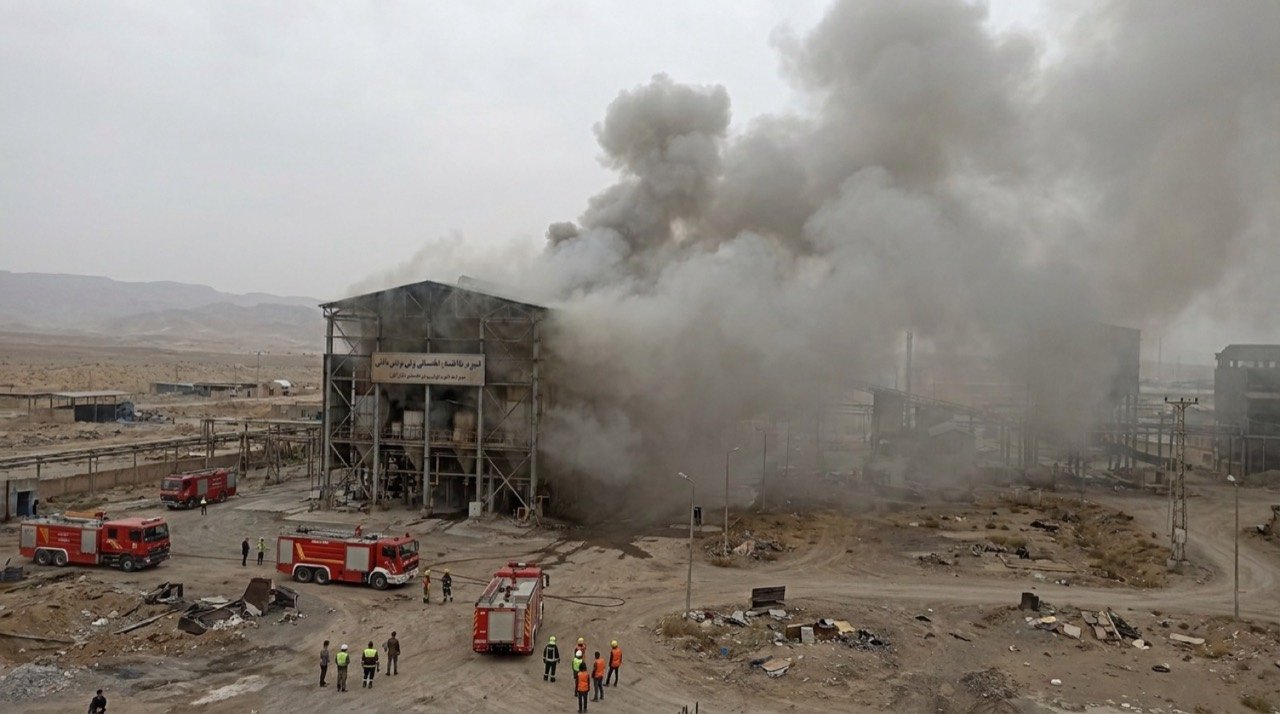
Two Workers Killed in Fire at Andhra Pradesh Pharma City Recycling Unit
A blaze at the Dakshin Energy plastic-waste recycling plant in Anakapalli's Jawaharlal Nehru Pharma City has killed two workers, reviving questions over industrial safety in Andhra Pradesh's chemical corridor.
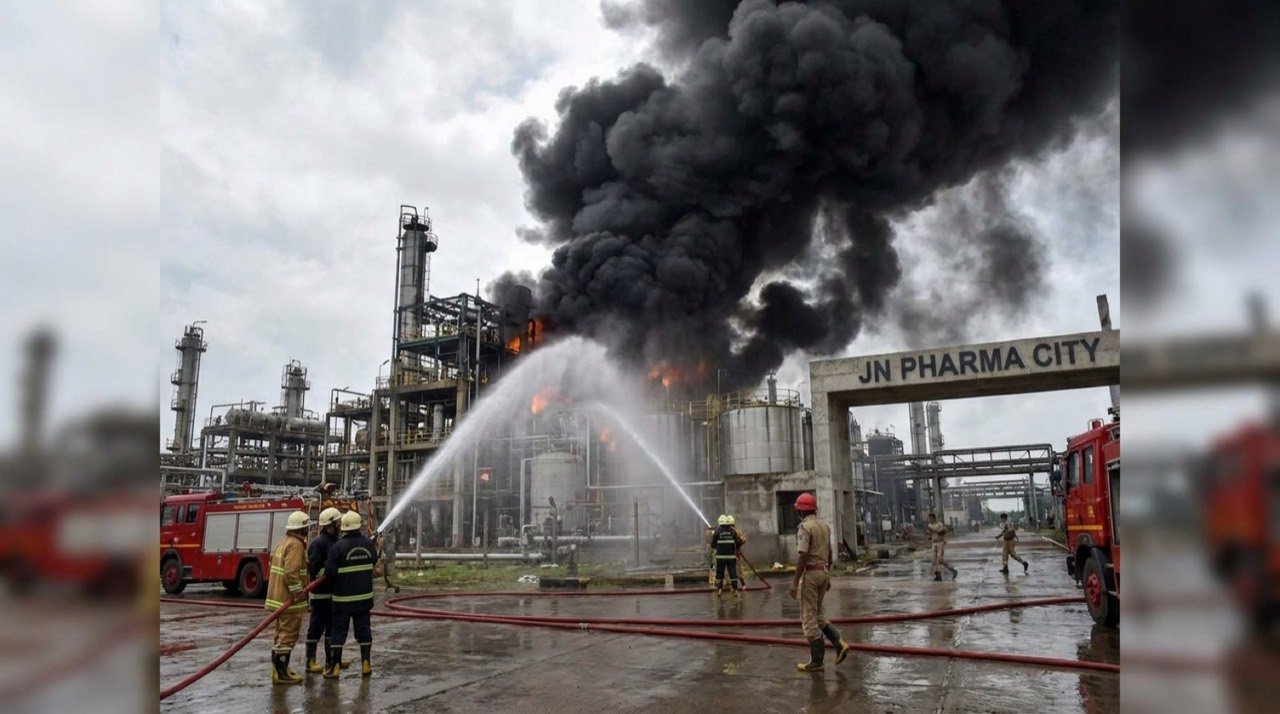
Two Workers Killed in Anakapalli Pharma City Fire at Dakshin Energy Plant
A blaze at a plastic pyrolysis unit in Andhra Pradesh's Jawaharlal Nehru Pharma City has killed two workers, reviving hard questions about safety audits in the Visakhapatnam industrial belt.
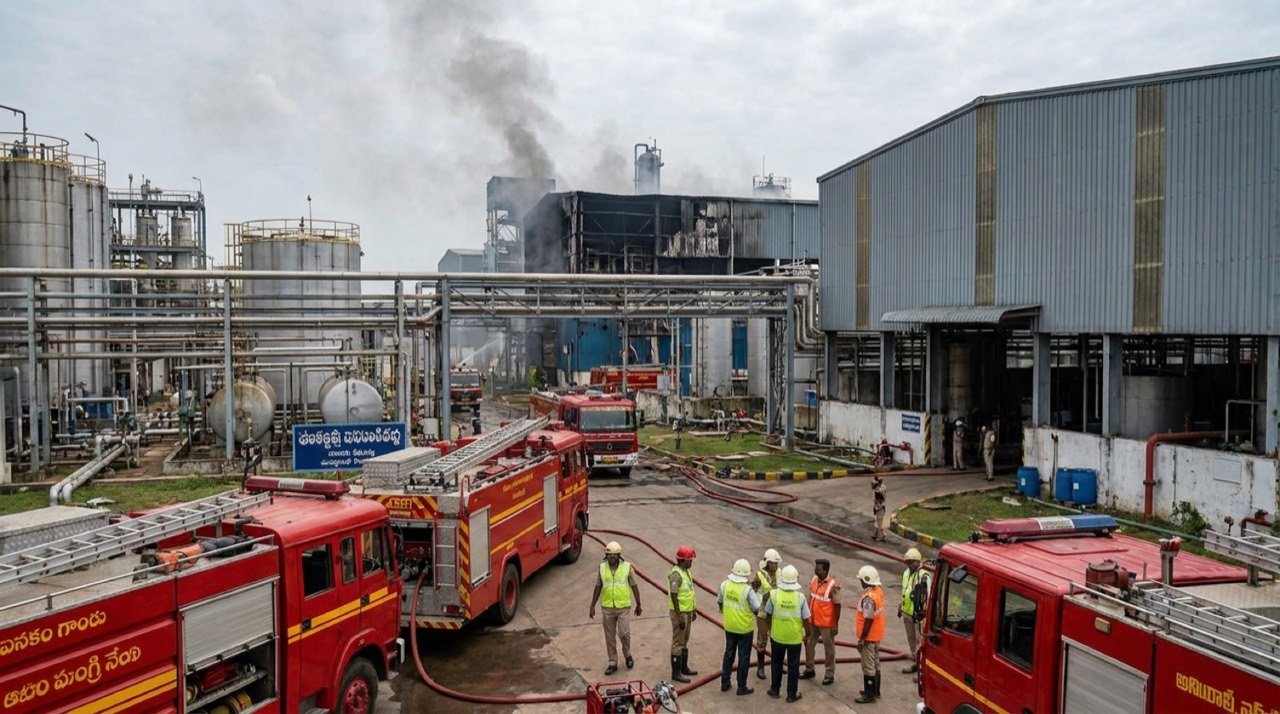
Anakapalli Pharma-City Fire Puts Andhra Pradesh Industrial Safety Back Under the Lens
A deadly fire at a unit in Andhra Pradesh's Anakapalli pharma-city has reignited scrutiny of industrial safety, compliance and worker protection across one of the state's key manufacturing belts.
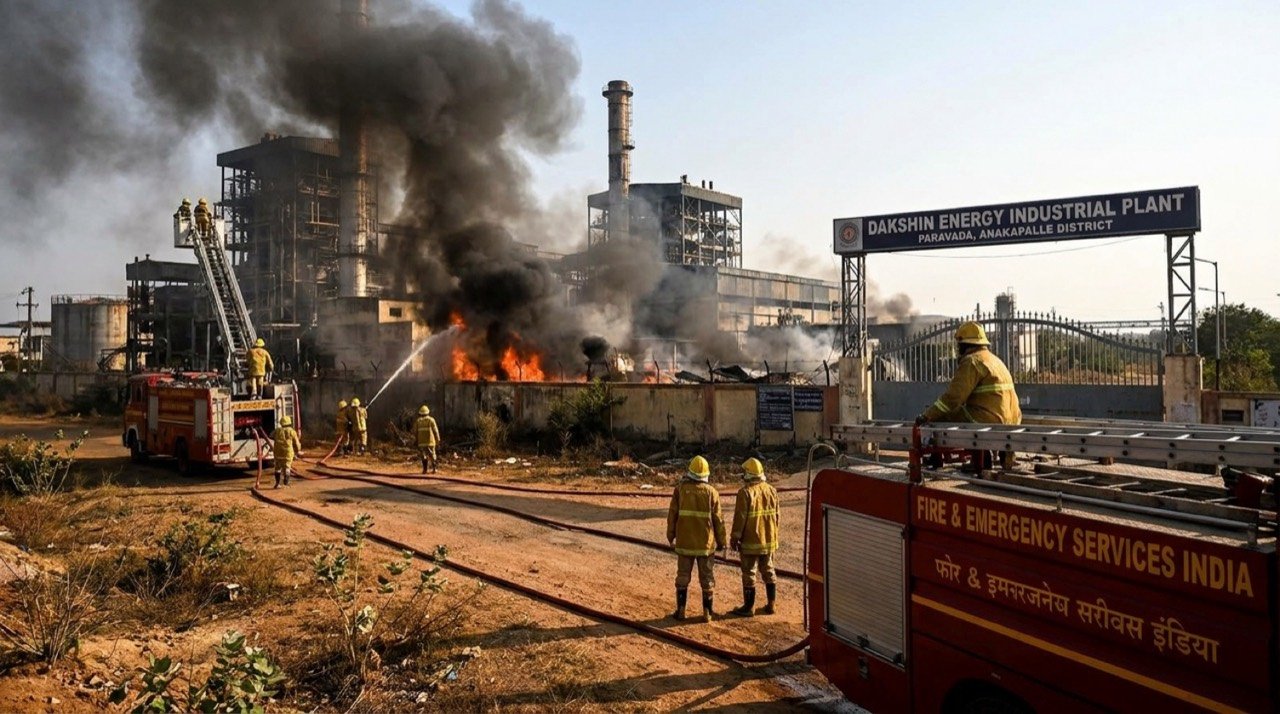
Anakapalle Plant Fire Kills Two Workers, Renews Industrial-Safety Concerns
A major fire at the Dakshin Energy plant in Andhra Pradesh's Anakapalle district has killed two workers and trapped others, reviving urgent questions over factory fire controls and inspections.
More from this section
More
AICTE Industry Fellowship 2026: Rs 1.5 Lakh Scheme Closes July 5
The AICTE Industry Fellowship Programme 2026, which places technical-education faculty inside leading companies on a Rs 1.5 lakh monthly stipend, reached its application deadline on July 5.

Bay of Bengal Low Pressure System Revives Monsoon Over Western India
A low-pressure system over the Bay of Bengal has pushed the monsoon back into an active phase, bringing steady heavy rain to Kerala, coastal Karnataka and Maharashtra, and putting Mumbai and Pune on preparedness watch.
Bishnoi Gang Suspects Injured in Haryana Encounter as Police Tighten Net
A joint Haryana-Delhi Police operation in Bahadurgarh left two suspected Lawrence Bishnoi gang members injured, spotlighting the multi-state coordination now central to India's fight against organised crime networks.