Akshara Singh Boards Eetha, Widening Shraddha Kapoor Film's Canvas
Bhojpuri star Akshara Singh's casting in Eetha, the Shraddha Kapoor film linked to lavani icon Vithabai Narayangaonkar, signals a cross-industry approach that could broaden the project's reach and deepen its cultural texture.
Commentary & Analysis ·
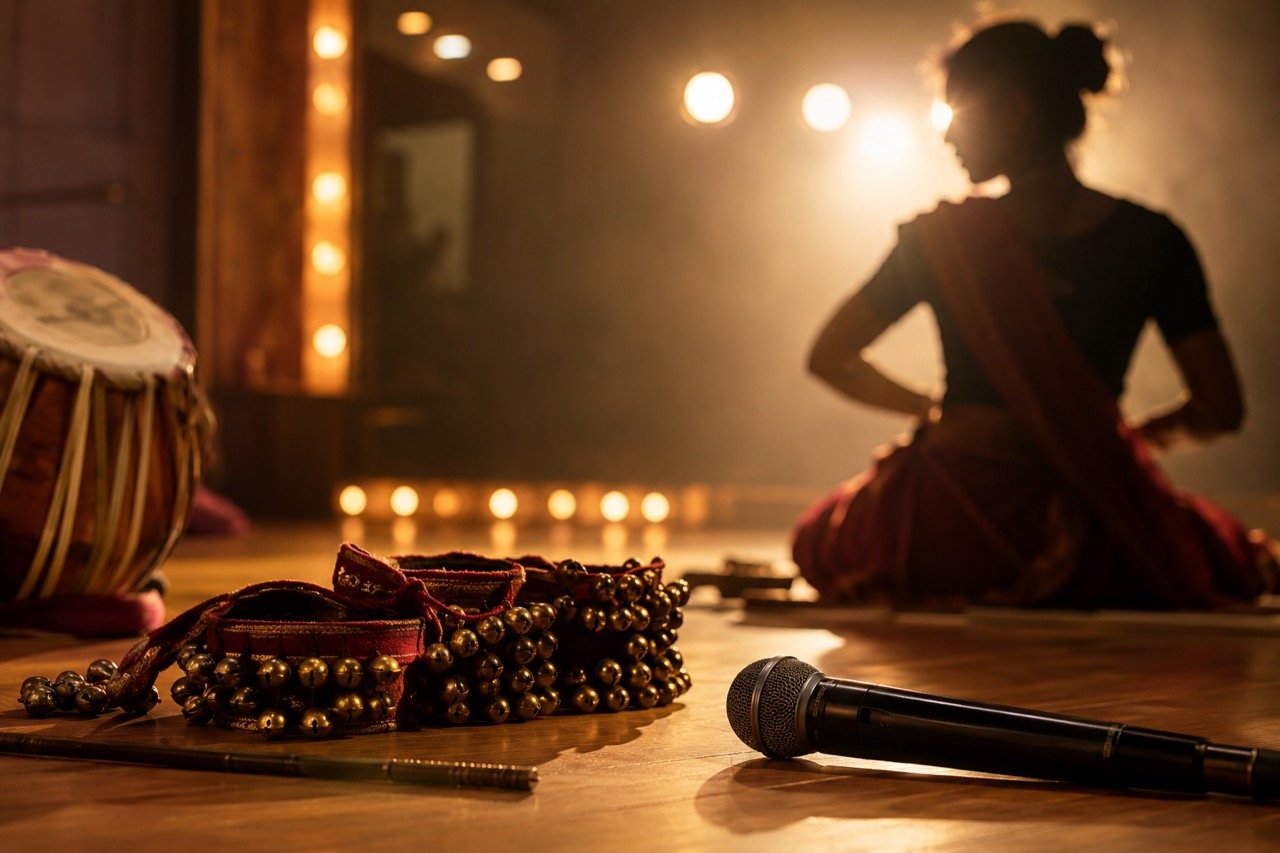
Bhojpuri cinema star Akshara Singh has confirmed she is part of Eetha, adding a fresh dimension to the pre-release conversation around the Shraddha Kapoor project. Her remarks about joining the film place a performer from a very different entertainment ecosystem alongside a mainstream Hindi lead, in a story being discussed in connection with lavani and the life of Vithabai Narayangaonkar. On the surface this is a routine casting update of the kind that circulates ahead of any big-canvas film. Looked at more carefully, though, it says something about how Hindi cinema is currently trying to widen its talent pool and its audience base at the same time, and about the particular risks that come with building a film around a specific regional performance tradition.
Why this casting matters
For culture-driven films, casting announcements are more than publicity beats — they signal what kind of world the makers are building and how seriously they take the performance traditions at the story's heart. A film about lavani and about a figure such as Vithabai Narayangaonkar carries an implicit promise to audiences that it will treat that art form with some degree of fidelity, not merely borrow its aesthetics for spectacle. Every name added to the cast list becomes, in that sense, a small signal of intent. Singh brings a fan base rooted in the Bhojpuri industry, which could help Eetha travel well beyond a narrow metropolitan audience. Bhojpuri cinema has built one of the most loyal, high-volume audiences in the country, concentrated in regions and among diaspora communities that mainstream Hindi releases do not always reach efficiently through conventional marketing. Bringing in a star with that following is, from a pure distribution logic, a sensible way to extend a film's footprint beyond the multiplex-going crowd that a Shraddha Kapoor vehicle would ordinarily draw on its own.
More than a single-star vehicle
The update also suggests Eetha is being assembled as an ensemble world rather than a one-star showcase. A film built on music, dance and public memory needs supporting performers who make its milieu feel lived-in. Lavani, as a performance tradition, is inseparable from the community of performers who sustain it — the troupe, the accompanying musicians, the social world around the stage. A film that wants to convincingly depict that world cannot rely on a single lead performance to carry the texture; it needs a cast that can populate the frame with credibility. Used thoughtfully, Singh's screen presence could enrich the film's performance texture instead of remaining a headline-grabbing name on the poster. If her involvement is substantive rather than decorative, it could also serve as a meaningful bridge between two audience bases that rarely watch the same films in the same halls, a crossover that benefits both the project commercially and the broader idea that Indian regional stardoms are not walled off from one another.
The authenticity question the film cannot avoid
There is a complication, though. The project has already faced questions over its title and its representation of lavani heritage, meaning every casting update will be read through the lens of authenticity. This is not a minor caveat. Once a film has drawn scrutiny over how it names itself and how it positions itself relative to a real historical figure and a living art form, that scrutiny does not simply fade with each subsequent announcement — if anything, it compounds. Audiences and cultural commentators who were already watching closely for signs of how seriously the makers are engaging with lavani's history will now also be asking how a Bhojpuri star's casting fits into that picture, and whether it deepens the film's cultural grounding or simply broadens its commercial reach without addressing the underlying concerns.
The team's interviews will need to explain not just who is in the film, but how training, language, choreography and historical context were handled. This is where the real test lies. Casting decisions are visible and easy to publicise; the harder, less glamorous work — how performers were trained in lavani's specific vocabulary of movement and expression, how the Marathi cultural and linguistic context of Vithabai Narayangaonkar's life was researched and respected, how choreography was sourced from practitioners rather than approximated for the camera — is what will ultimately determine whether the film holds up. Casting news alone cannot answer those questions; only the film itself, and the process behind it, can.
What crossover casting signals for the industry
Beyond this specific film, Singh's involvement is a useful data point in a broader trend of regional stars moving into pan-industry productions, and vice versa. Streaming platforms and pan-India theatrical ambitions have pushed producers to think less in terms of a single "Hindi film industry" audience and more in terms of overlapping, addressable audience segments across language markets. A Bhojpuri star appearing in a Hindi film centred on a Marathi cultural subject is, in miniature, a picture of exactly that shift — three distinct regional entertainment ecosystems intersecting in one project. Whether this becomes a durable pattern or a one-off curiosity will depend heavily on how visibly and how well Singh's role is integrated into the finished film, and on how audiences in each of those ecosystems respond to seeing their stars and their stories share a frame with others.
What happens next
For now, Eetha remains a film defined more by anticipation and unresolved questions than by finished footage. The casting of Akshara Singh adds momentum to the pre-release conversation, but it also adds another thread that commentators and audiences will pull on when the first trailer or promotional material surfaces. The makers have an opportunity here: a well-handled reveal of how Singh's role was conceived, and how the film's broader approach to lavani was researched and staged, could go a long way toward settling the authenticity concerns that have trailed the project since its title first drew attention. A poorly handled one will simply add fuel to an already active debate.
The NE Times View
Eetha is quietly becoming a test case for how Hindi cinema handles regional performance traditions in the streaming era. Casting across industries is a genuinely promising move — it acknowledges that talent and audiences no longer sit neatly inside language silos, and Akshara Singh's crossover could open doors for other regional stars. But cross-industry casting only earns goodwill if the finished film treats lavani as a living art form rather than exotic set dressing. The real verdict will come when the first footage drops: if the performances match the cultural ambition, this casting story becomes a template; if not, it becomes another cautionary tale about borrowed authenticity.
Key takeaways
- Akshara Singh's confirmed role in Eetha brings a Bhojpuri cinema fan base into a Hindi film built around lavani and the life of Vithabai Narayangaonkar.
- The casting suggests Eetha is being shaped as an ensemble piece rather than a single-star showcase, which suits a story rooted in a communal performance tradition.
- Prior questions over the film's title and its handling of lavani heritage mean this casting update will be scrutinised for authenticity rather than treated as routine publicity.
- The makers will need to show, through interviews and eventually the film itself, how training, language, choreography and historical context were handled.
- The finished film's treatment of lavani, once footage emerges, will determine whether this cross-industry casting is remembered as a template or a cautionary tale.
You may also like to read

Eetha Title Row Settled: Shraddha Kapoor Film Gets a Clearer Runway
The dispute over the title of Shraddha Kapoor's film Eetha appears resolved after director Laxman Utekar reportedly reassured Vithabai Narayangaonkar's family, shifting attention back to the movie itself.
Eetha Title Row Resolved as Laxman Utekar Reassures Vithabai Family
The naming dispute around Laxman Utekar's Marathi film Eetha has reportedly been settled after the filmmaker offered assurances to Vithabai's family, letting attention return to the film itself.
Satluj Censorship Row Deepens as Anurag Kashyap Questions How the Film Was Blocked
Anurag Kashyap says Satluj director Honey Trehan told him the CBFC chair had objections without watching the film, intensifying debate over certification and OTT removal.
Rani Mukerji to Receive Honorary Doctor of Letters at Indian Film Festival of Melbourne 2026
La Trobe University will confer an Honorary Doctor of Letters on Rani Mukerji at IFFM 2026, recognising her cinema career and advocacy through socially engaged roles.
More from this section
More
72nd National Film Awards: Fans Back Mammootty, Allu Arjun, Sai Pallavi
Speculation around the 72nd National Film Awards is intensifying as fan communities across India's language film industries champion favourites including Mammootty, Allu Arjun and Sai Pallavi ahead of any official announcement.

Aamir Khan Marries Gauri Spratt in Private Pali Hill Ceremony
Aamir Khan and Gauri Spratt tied the knot at the actor's Pali Hill home in Mumbai on July 5, turning a deliberately small family ceremony into Bollywood's biggest story of the day.
Akanksha Chamola's Lock Upp 2 Confession Sets Reality TV Abuzz
A personal revelation by Akanksha Chamola ahead of Lock Upp 2 has handed the reality show a viral talking point, underlining how confession-driven formats continue to dominate Indian television conversation.