Vikrant Massey on Mirzapur's Male Egos and Set Culture
Vikrant Massey's candid remark about Mirzapur's male-dominated set sparks a wider conversation about how crew gender balance shapes storytelling in India's booming streaming industry.
Commentary & Analysis ·
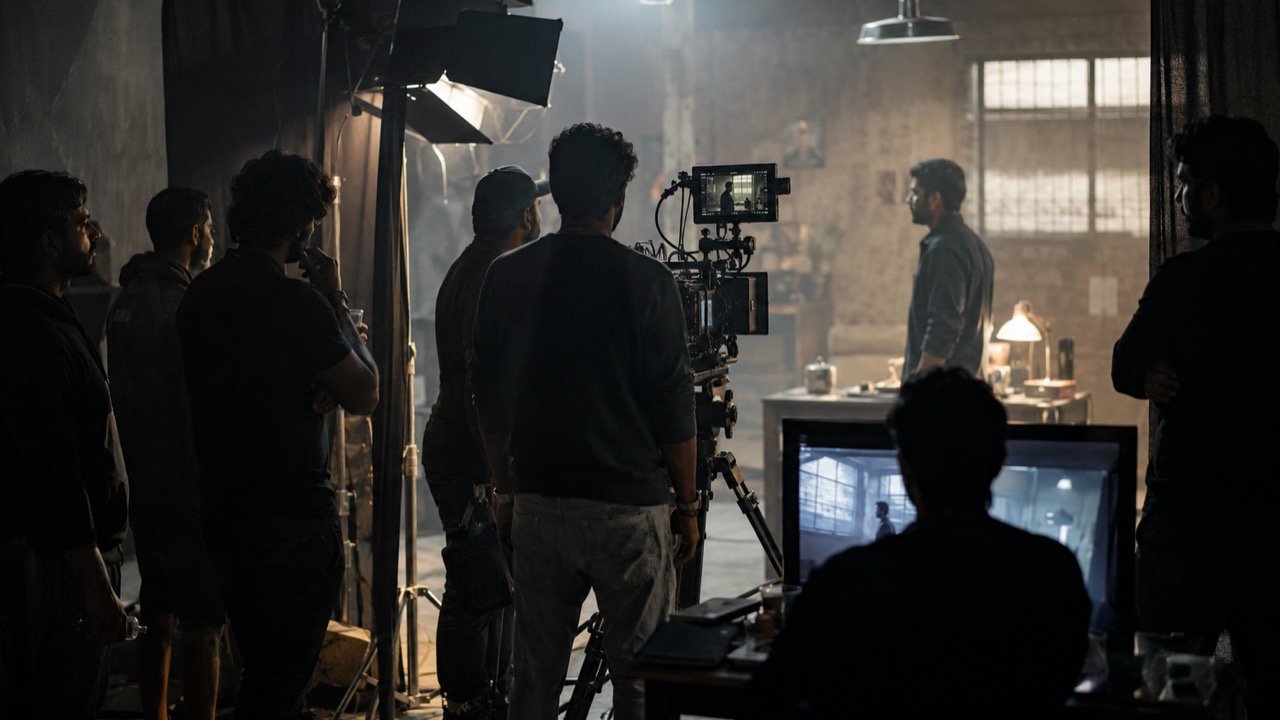
Vikrant Massey's latest comments on Mirzapur have given one of India's most discussed streaming shows a new behind-the-scenes frame. The actor described the series environment as one that indulged male egos, while noting that the crew was overwhelmingly male — a remark reported by the Indian Express that has since reverberated across the industry. Coming from an actor associated with a show built almost entirely around masculine power struggles, the observation carries a particular weight. It is not a complaint lodged from outside the franchise but a reflection offered by someone who has lived inside its making, and that lends it a credibility that outside criticism often lacks.
From Screen to Set
The observation is notable because Mirzapur has long been read through its masculine grammar: power, revenge, swagger, violence and territorial ambition. These are the themes that made the show a talking point when it first arrived, and they remain central to why audiences keep returning to it. Massey's comment shifts attention from the story world to the making of that world. It asks whether a male-dominated crew can unconsciously reinforce certain kinds of storytelling, especially in crime dramas where aggression is already central to the plot. This is a subtle but important distinction — it is one thing to critique a show's content, and quite another to examine the working conditions and creative environment that produced it.
Sets are not neutral spaces. The people who occupy writers' rooms, direct scenes, block camera movements and approve final cuts inevitably bring their own instincts and blind spots to the work. When a production is staffed overwhelmingly by men, especially in a genre already inclined toward machismo, there is a natural risk that certain sensibilities go unchallenged simply because no one in the room is positioned to question them. Massey's remark does not claim that this happened deliberately or maliciously; rather, it points to a structural condition that can shape storytelling without anyone intending it to.
A Broader Industry Question
The question is not whether men should make stories about men. It is whether creative rooms and production floors benefit from broader perspectives. Streaming has allowed Indian shows to explore darker and more adult themes, but it has also renewed debates about gaze, violence, language and gender balance behind the camera. These debates are not unique to Mirzapur or to Indian television; they echo conversations that have played out in film and television industries worldwide as streaming platforms have loosened the content restrictions that once governed broadcast television.
Massey's comment lands at a time when audiences are more aware than ever of how a set's culture shapes what appears on screen. Viewers now discuss writers' rooms, intimacy coordination, representation and workplace dynamics with almost the same intensity they once reserved for plot twists. This is a meaningful shift in how content is consumed and evaluated. A decade ago, the conversation around a hit show would have stayed largely confined to its narrative merits — pacing, performances, twists. Today, that conversation routinely extends backstage, into questions of who wrote which scene, who was in the room when a decision was made, and whose experiences shaped the finished product.
This shift matters for producers and studios as much as for viewers. As streaming platforms compete for subscriber loyalty, the reputation of a production — not just the show itself — has become part of its commercial value. A set known for a toxic or unbalanced culture can generate exactly the kind of scrutiny that Massey's comment has now invited, regardless of whether the show itself continues to perform well commercially.
What Massey's Remark Does and Does Not Say
It is worth being precise about the scope of what has been reported. Massey described an environment that indulged male egos and noted the crew's gender imbalance. He has not, according to the reporting, made allegations of specific misconduct, nor named individuals. This distinction matters because it separates a structural observation from a personal accusation. The former invites an industry-wide conversation about hiring practices, representation in writers' rooms, and the composition of production teams. The latter would invite a very different — and more legally fraught — kind of scrutiny. Readers and commentators alike should be careful not to conflate the two.
Why Actors Speaking Up Matters
Actors occupy a peculiar position in the entertainment ecosystem. They are the most visible faces of a production but often have limited control over its internal culture, its hiring decisions, or its creative direction beyond their own performances. When an actor as established as Massey chooses to speak candidly about the environment behind a major franchise, it signals a growing willingness among performers to discuss the conditions of their work rather than simply promote the finished product. This is itself a notable development in an industry where actors have traditionally been expected to stay firmly on-message during press cycles, offering polished praise for the productions they represent.
Such candour also carries professional risk. Speaking about a hit show's internal culture, even in measured terms, can invite pushback from producers, co-stars or fans invested in the show's reputation. That Massey chose to make the comment regardless suggests either a level of confidence in his standing within the industry or a genuine conviction that the observation was worth airing publicly.
The NE Times View
Commentary — Massey's reflection is a rare act of honesty from within a franchise that has celebrated its raw masculinity as a selling point. It matters not because it indicts Mirzapur, but because it opens a door. India's streaming era has been defined by bold content; the next chapter may well be defined by who gets to make it. Streaming success and self-reflection are not in opposition — in fact, as Indian web series mature, they may need to travel together.
The larger point here is that the Indian streaming industry is entering a phase where commercial success alone no longer insulates a production from questions about how it is made. Mirzapur has proven its ability to command audiences across seasons; that is not in dispute. What Massey's comment suggests is that the industry's next measure of maturity may lie in how thoughtfully it examines its own working practices, even when — perhaps especially when — the content itself continues to thrive.
What to Watch Next
Whether this comment prompts any concrete change is an open question. Statements like Massey's often generate a news cycle of discussion without translating into structural shifts on the ground. Still, the fact that such remarks are being made publicly, and being taken seriously enough to be widely reported, indicates that the appetite for this conversation exists among audiences and industry observers. Whether producers and studios respond with more diverse hiring in writers' rooms and production crews, or whether the comment simply fades as a talking point, will say something about how far the industry's self-awareness has actually progressed.
Key takeaways
- Vikrant Massey described the Mirzapur set as one that indulged male egos and noted the crew was overwhelmingly male, in comments reported by the Indian Express.
- The remark shifts scrutiny from the show's on-screen masculine themes to the composition and culture of its production team.
- It reflects a broader industry trend of audiences and commentators examining writers' rooms, representation and set culture alongside plot and performance.
- Massey's comment is a structural observation, not a specific allegation, and should be read within that scope.
- The episode raises a wider question for Indian streaming: whether bold, successful content and greater self-reflection about who makes it can develop together.
You may also like to read
Mirzapur The Movie: India's Boldest Streaming-to-Cinema Gamble Yet
Ali Fazal calls Mirzapur The Movie a big experiment, and he is right — the film will test whether one of India's biggest streaming franchises can convert digital fandom into a compressed, cinema-ready event.

Aamir Khan Confirms July 5 Wedding to Gauri Spratt: 'The News About the Marriage Is True'
The 61-year-old superstar has put months of speculation to rest, confirming an intimate registered marriage to longtime partner Gauri Spratt at his Mumbai home, with no grand celebration planned.
Aamir Khan's quiet July 5 wedding becomes Bollywood's big story
Reports that Aamir Khan has confirmed an intimate July 5 ceremony with Gauri Spratt have captivated Bollywood watchers precisely because the star is choosing privacy over spectacle.
Chandrachur Singh Confronts Officials Over Demolished Home Ramp
Actor Chandrachur Singh has publicly questioned municipal officials after a ramp outside his home was demolished, turning a routine civic action into a wider conversation about urban governance and resident rights.
More from this section
More
72nd National Film Awards: Fans Back Mammootty, Allu Arjun, Sai Pallavi
Speculation around the 72nd National Film Awards is intensifying as fan communities across India's language film industries champion favourites including Mammootty, Allu Arjun and Sai Pallavi ahead of any official announcement.

Aamir Khan Marries Gauri Spratt in Private Pali Hill Ceremony
Aamir Khan and Gauri Spratt tied the knot at the actor's Pali Hill home in Mumbai on July 5, turning a deliberately small family ceremony into Bollywood's biggest story of the day.
Akanksha Chamola's Lock Upp 2 Confession Sets Reality TV Abuzz
A personal revelation by Akanksha Chamola ahead of Lock Upp 2 has handed the reality show a viral talking point, underlining how confession-driven formats continue to dominate Indian television conversation.