Usha Mangeshkar's Memory of Young Asha Bhosle Charms Music Fans
A recollection by Usha Mangeshkar about Asha Bhosle's spirited teenage years has offered a warm, nostalgic counterpoint to a news cycle dominated by box office numbers and certification updates.
Commentary & Analysis ·
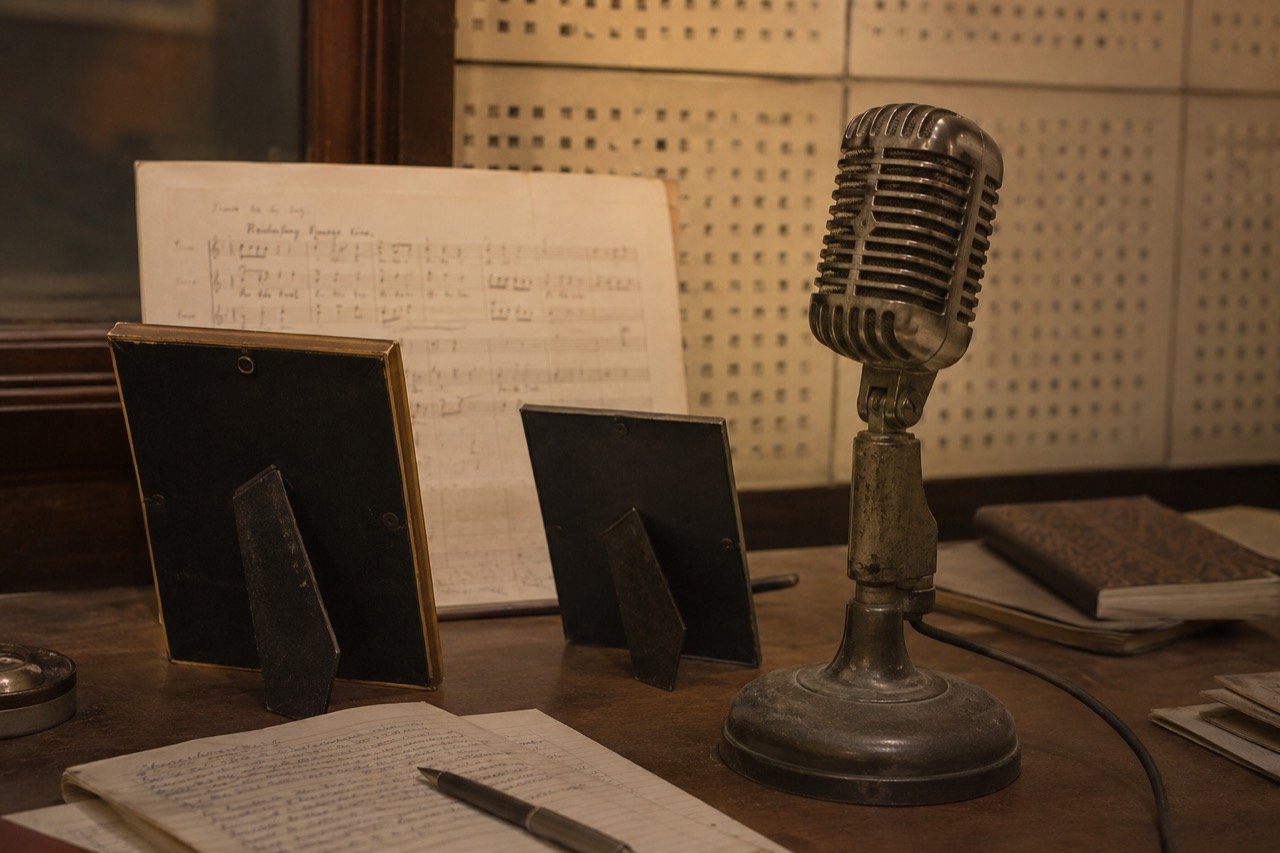
Amid a day of box office trackers and certification updates, a gentler story cut through the entertainment feed. Usha Mangeshkar's recollection of her sister Asha Bhosle as a spirited teenager, in the years before she eloped, was carried by NDTV and Indian Express, offering readers a rare glimpse into the personal history behind one of Indian music's most enduring voices. It is a small item by the metrics of a news cycle that usually rewards box office trackers, certification updates and streaming numbers, yet its appearance on two major entertainment desks on the same day suggests editors sensed something readers would want: a moment of warmth amid the churn.
Humanising a legend
Asha Bhosle is usually discussed through the vocabulary of achievement — songs, awards, collaborations and extraordinary longevity. Decades of coverage have settled into a familiar register: milestone counts, tributes at award functions, retrospectives tied to anniversaries. A sibling's memory shifts the lens entirely, moving from public output to private temperament. It reminds audiences that the voice they know from thousands of recordings belonged first to a headstrong young girl in a remarkable musical household, long before microphones and playback contracts entered the picture. That shift in framing matters because it restores a sense of a person having lived a life before becoming an institution — an ordinary adolescence preceding an extraordinary career.
For readers who have grown up associating Asha Bhosle purely with her professional legacy, this kind of detail recalibrates the picture. It does not diminish the achievement; if anything, it deepens appreciation of it, because greatness rendered as inevitable from birth is less interesting than greatness that grew out of an identifiable, spirited young person making her own choices.
The weight of a family story
The recollection also carries the weight of the Mangeshkar family's unique place in Indian culture. Few families have shaped a nation's popular soundtrack so completely, spanning generations of listeners across regions and languages. When one sibling speaks about another, the remarks inevitably carry more resonance than an ordinary celebrity anecdote, because the Mangeshkar name itself functions as shorthand for a certain era and standard of Indian music. Moments like this add texture to a story fans thought they already knew in full, precisely because the public record has tended to focus on the professional arc rather than the domestic one.
This is also a reminder of how family testimony functions differently from other forms of celebrity reporting. Where an interview with a co-star or a producer offers professional insight, a sibling's memory offers something closer to social history — a window into a household that, across decades, quietly produced some of the era's most recognisable voices. That vantage point is scarce, and each time it surfaces, it adds a small but valuable brick to the public understanding of how that household actually operated.
Memory, not biography
The responsible way to read such remarks is as memory rather than forensic biography. They are clearly attributed, affectionate in tone, and should not be mined for sensation. The news hook here is straightforward: Usha Mangeshkar's public comment. The context is equally clear: Asha Bhosle's decades-long presence across Hindi and wider Indian music. Neither element invites speculation, and neither was reported as such by NDTV or Indian Express. That restraint is worth noting in an industry where personal anecdotes about public figures can easily be reframed as exposés.
Treating this as memory rather than biography also sets a boundary on how far the story should be taken. A sister's fond recollection of a teenager's spirit is not an invitation to reconstruct a fuller private history, nor to treat it as evidence for any particular narrative about the family. It stands as a single, warm data point, offered voluntarily and reported faithfully.
Why this kind of story resonates now
Entertainment coverage today is dominated by quantifiable metrics: opening-weekend collections, certification categories, streaming rankings. Against that backdrop, a story built entirely on affection and recollection stands out precisely because it cannot be reduced to a number. It asks nothing of the reader except a moment of reflection on how an icon came to be, and it asks nothing of the subject except the willingness to share a memory. That simplicity is part of its appeal, and part of why two separate outlets judged it worth carrying on the same day.
There is also a generational element worth noting. Readers who grew up with the Mangeshkar sisters as a constant presence on the radio and in films are, themselves, ageing alongside the artists they associate with their own childhoods. A story like this offers that audience a moment of shared recognition — a reminder that the artists they revere had ordinary beginnings, much like anyone else's family.
The NE Times View
We believe stories like this one matter more than their soft news weight suggests. In an entertainment cycle obsessed with opening-weekend figures, a family memory gives readers a pause and reconnects them with why these artists became icons in the first place. There is also a lesson here for coverage of ageing legends: nostalgia journalism works when it is respectful and attributed, and curdles quickly when private history is dressed up as revelation. The distinction is not a subtle one for editors to draw. It requires simply reporting what was said, by whom, and in what tone, without embellishment or implied subtext.
Indian readers, who grew up with the Mangeshkar sisters as the soundtrack of daily life, deserve the former kind of coverage rather than the latter. The affection in this recollection is the story — and that is enough. News organisations covering long-running cultural icons would do well to treat such moments as complete in themselves, rather than as openings for further digging into private matters that the family has not chosen to discuss.
Key takeaways
- Usha Mangeshkar's recollection of a young Asha Bhosle was reported by NDTV and Indian Express, offering a personal counterpoint to the usual achievement-focused coverage of the singer.
- The anecdote humanises a legend by restoring a sense of ordinary youth and temperament before decades of professional achievement.
- Family testimony of this kind carries added weight given the Mangeshkar family's outsized role in shaping Indian popular music across generations.
- Such remarks should be read as affectionate memory, not as material for speculative biography or sensationalised reporting.
- The NE Times regards attributed, respectful nostalgia journalism as a valuable counterweight to a news cycle dominated by box office and streaming metrics.
You may also like to read
Akshaye Khanna's Nod to Sunny Deol Stirs 90s Bollywood Nostalgia
A warm remark from Akshaye Khanna about Sunny Deol has revived affection for Bollywood's 1990s generation, showing how memory and mutual respect still power Hindi cinema's news cycle between big releases.

72nd National Film Awards: Fans Back Mammootty, Allu Arjun, Sai Pallavi
Speculation around the 72nd National Film Awards is intensifying as fan communities across India's language film industries champion favourites including Mammootty, Allu Arjun and Sai Pallavi ahead of any official announcement.

Jr NTR and Trivikram Reunite After 8 Years, Telugu Fans Buzzing
Jr NTR's reported reunion with director Trivikram Srinivas after an eight-year gap has reignited fan excitement around one of Telugu cinema's most closely watched actor-director combinations.

Sonali Kulkarni's National Award Memory Opens a Candid Conversation
Sonali Kulkarni's honest admission about feeling jealous when Tabu won the National Award she wanted offers a rare, refreshing glimpse into the emotional reality of artistic ambition in Indian cinema.
More from this section
More72nd National Film Awards: Fans Back Mammootty, Allu Arjun, Sai Pallavi
Speculation around the 72nd National Film Awards is intensifying as fan communities across India's language film industries champion favourites including Mammootty, Allu Arjun and Sai Pallavi ahead of any official announcement.

Aamir Khan Marries Gauri Spratt in Private Pali Hill Ceremony
Aamir Khan and Gauri Spratt tied the knot at the actor's Pali Hill home in Mumbai on July 5, turning a deliberately small family ceremony into Bollywood's biggest story of the day.

Akanksha Chamola's Lock Upp 2 Confession Sets Reality TV Abuzz
A personal revelation by Akanksha Chamola ahead of Lock Upp 2 has handed the reality show a viral talking point, underlining how confession-driven formats continue to dominate Indian television conversation.