US Clears Sustainment Package for India's Apache Helicopters and M777 Guns
Washington has notified a Foreign Military Sales package worth up to $482 million covering logistics, spares, training and engineering for India's AH-64E Apaches and M777A2 howitzers.
Commentary & Analysis ·
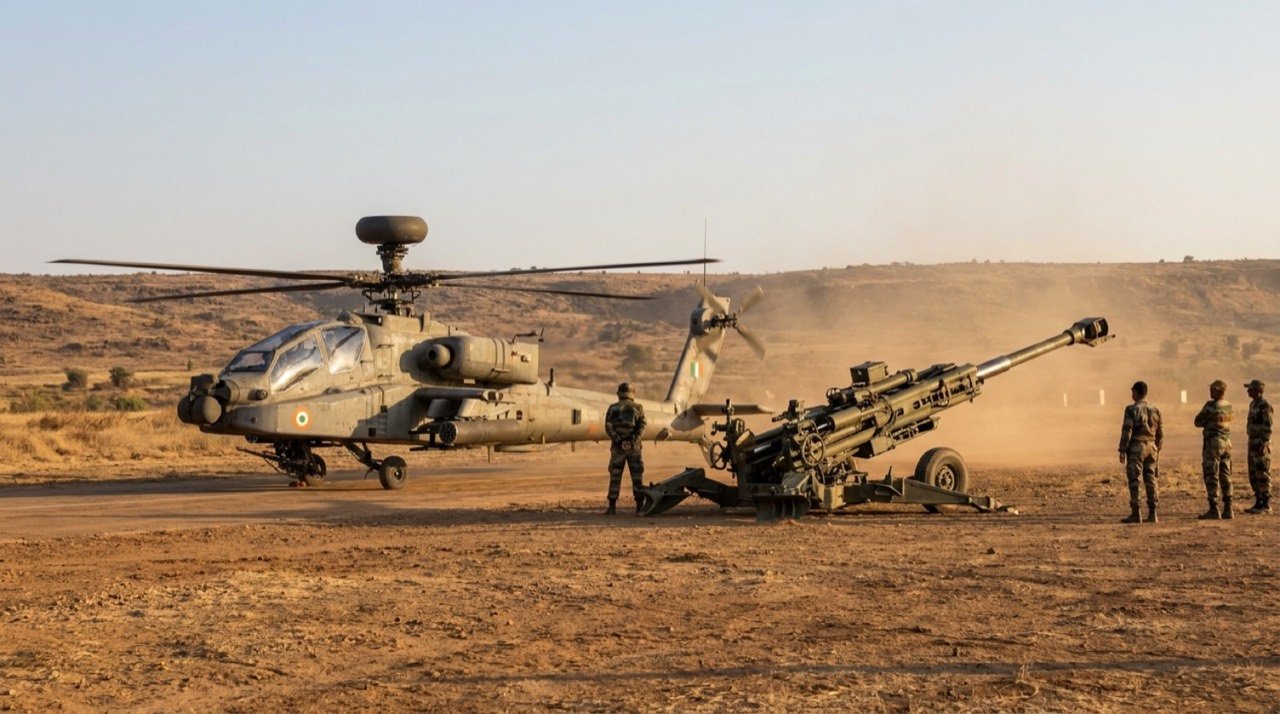
The United States has notified a defence support package for India covering its fleet of AH-64E Apache attack helicopters and M777A2 ultra-light howitzers, in a deal that underscores the steady deepening of India-US military ties. Reports place the combined value between roughly $428 million and $482.2 million, depending on how the package is structured. On the surface, this is a routine administrative step in the vast machinery of American arms exports. Read more carefully, it is a signal of how the India-US defence relationship has matured beyond one-off headline purchases into something closer to an ongoing institutional partnership, one built around keeping hardware alive over decades rather than simply delivering it once and moving on.
Sustainment, not new firepower
The notification from the US Defence Security Cooperation Agency focuses squarely on keeping existing platforms combat-ready rather than supplying fresh frontline equipment. It bundles together logistics support, repairs and overhaul, contractor engineering, personnel training, spare parts and a range of related services. There are no new airframes or gun barrels changing hands here; this is the unglamorous but essential work of maintenance, repair and overhaul that keeps already-delivered systems mission-capable.
That distinction matters more than it might first appear. High-end military platforms are only as useful as the supply chains that keep them flying and firing. A modern attack helicopter or precision artillery piece grounded for want of spares or maintenance expertise offers little deterrent value, however impressive it looked on the day it rolled off the assembly line. This is why long-term sustainment deals are, in strategic terms, every bit as significant as the headline acquisition contracts that tend to draw more public attention. A squadron of Apaches sitting in a hangar for lack of a single obscure component is not a squadron at all; it is a liability dressed up as an asset.
Why these two platforms
The Apache anchors India's attack-aviation capability, providing the Army and Air Force with a potent platform for close air support and anti-armour operations. It is designed to operate in contested airspace, providing precision firepower against armoured formations and fortified positions, a role that has grown only more relevant given the terrain and adversaries India must plan against. The M777, by contrast, is prized above all for its light weight: it can be airlifted into high-altitude and mountainous terrain where heavier guns cannot easily go, making it a key asset along India's northern frontiers. Together, the two platforms cover very different but complementary niches, one airborne and offensive, the other ground-based and defensively positioned in some of the most difficult terrain any army has to operate in.
Maintaining both at high readiness requires dependable access to American-origin components and technical know-how, precisely the gap this package is designed to close over the coming years. Neither platform can simply be kept running with locally sourced substitutes; their design lineage ties them to a specific supply ecosystem centred in the United States, and that dependency is the whole reason a sustainment package of this kind becomes necessary at all.
The road ahead
The package is not yet final. It must still move through the standard sequence that governs all major US arms transfers: formal notification to the US Congress for review, standard Foreign Military Sales contracting procedures, negotiation of pricing and delivery schedules with India, and definition of the sustainment scope across the platform fleets. None of these steps is unusual, and the notification stage signals political clearance on the American side rather than a done deal. Still, the final value and timelines can shift before contracts are signed, as they often do once the granular details of parts lists, labour costs and delivery windows are worked out between negotiators.
Defence analysts have noted that the deal reflects the continued depth of India-US defence cooperation, with both sides increasingly focused on long-term capability, not one-off sales. That framing captures something real about how the relationship has evolved. A decade or two ago, headlines around India-US defence deals tended to focus on the size and sophistication of the equipment being purchased. Increasingly, the substance of the relationship lies in the quieter follow-through: the training pipelines, the technical liaison offices, the spare parts contracts that keep the original purchase relevant for its full service life.
What this means for India's strategic posture
For India, the package is a reminder that strategic autonomy in defence rests as much on reliable maintenance pipelines as on acquiring new systems. Sustaining the Apache and M777 fleets keeps two of its sharpest instruments mission-ready while reinforcing a partnership that has become central to New Delhi's military modernisation. This is not a trivial point for a country whose defence posture spans both a mountainous northern frontier and a western border, and which needs platforms it can trust to be operational on short notice rather than tied up in depots awaiting parts.
It is also worth placing this within India's broader defence diversification strategy, one that has historically balanced Russian-origin, European and, increasingly, American and indigenous platforms. Each additional American system inducted into the force structure adds another thread of dependency on Washington's supply chains and political goodwill, even as it deepens interoperability and signals alignment on wider strategic questions. That is a trade-off New Delhi has clearly judged worth making, given the pace at which these sustainment and acquisition arrangements have continued to multiply in recent years.
The NE Times View
Sustainment packages rarely make headlines, but they matter more than glossy procurement deals: a fleet is only as strong as its spares pipeline and maintenance backbone. This deepens India-US defence interoperability and keeps Apaches and howitzers combat-ready rather than grounded. The trade-off is continued dependence on American logistics for critical platforms, sharpening the case for India's own MRO and indigenous spares ecosystem to avoid strategic chokepoints later. A country that wishes to project genuine strategic autonomy cannot forever outsource the last mile of readiness for its most capable systems; at some point, the ambition to build indigenous maintenance, repair and overhaul capacity has to translate into concrete industrial investment, not just policy rhetoric. Until that happens, deals like this one will remain necessary, useful, and quietly revealing of where the balance of dependency still lies.
Key takeaways
- The US has notified a sustainment package worth roughly $428 million to $482.2 million for India's AH-64E Apache helicopters and M777A2 howitzers.
- The package covers logistics support, repairs and overhaul, contractor engineering, training and spare parts, not new equipment.
- The Apache supports attack aviation and anti-armour operations, while the lightweight M777 is suited to high-altitude deployment along India's northern frontiers.
- The deal must still pass through US congressional notification, Foreign Military Sales contracting, and negotiation of pricing, scope and timelines before finalisation.
- The arrangement deepens India-US defence interoperability while reinforcing India's continued reliance on American logistics, underscoring the case for indigenous MRO capacity.
You may also like to read
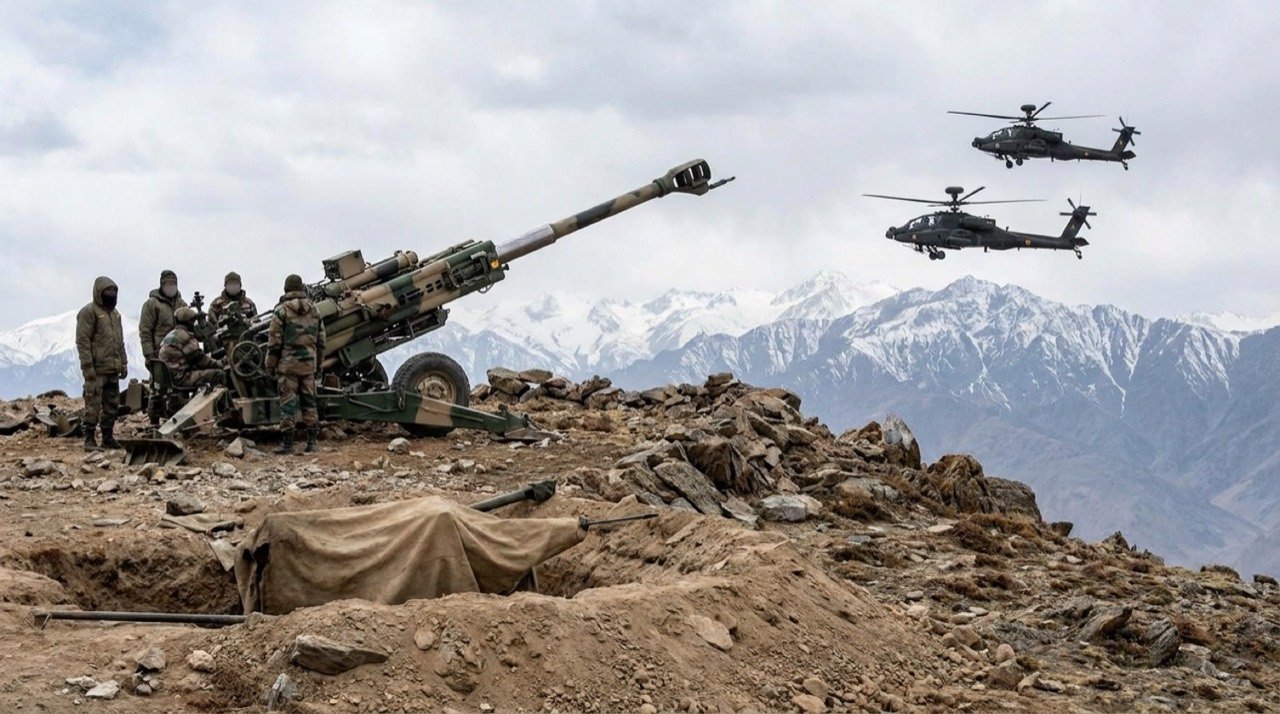
US Clears Support Package for India's Apache Helicopters and M777 Howitzers
A proposed US package covering spares, training and maintenance for India's Apache attack helicopters and M777A2 howitzers signals a sharper focus on long-term defence readiness over headline arms buys.
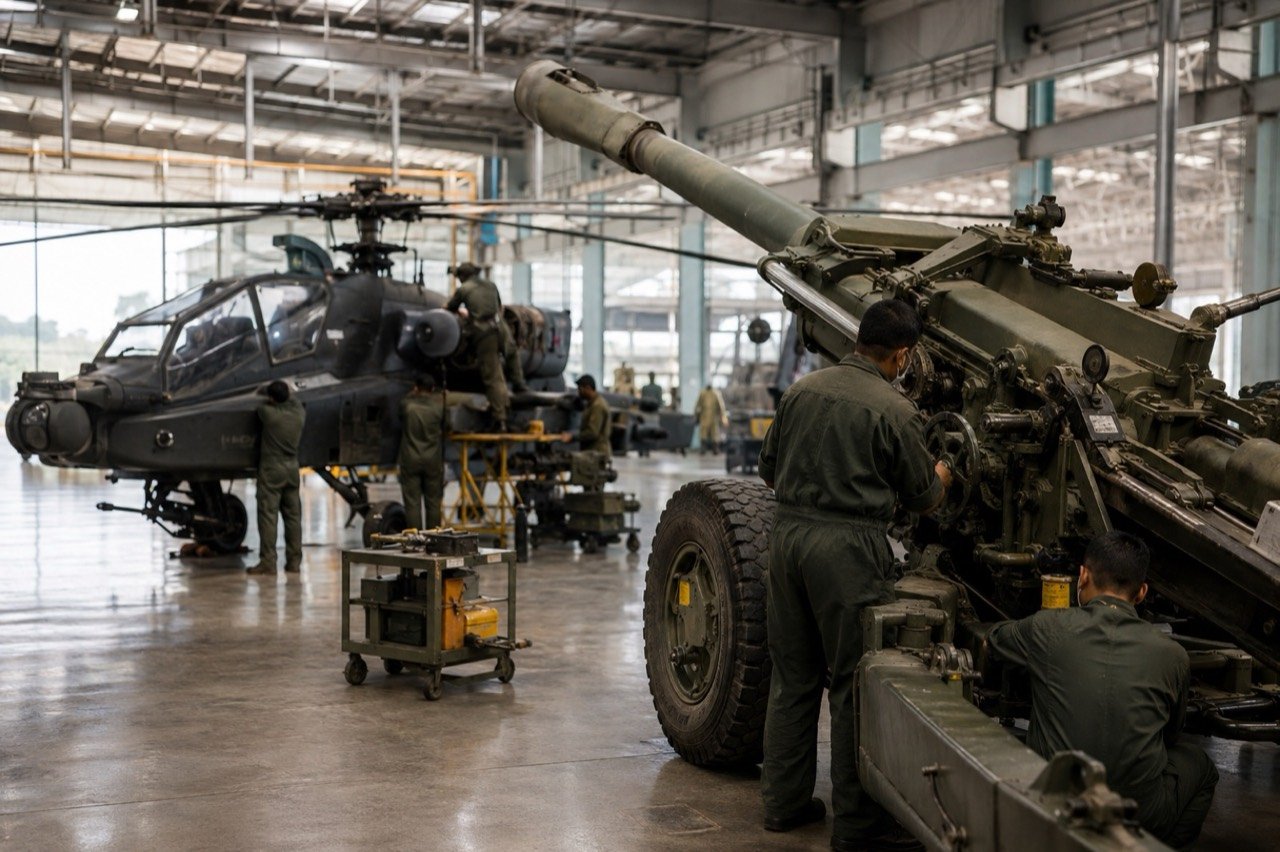
US Clears $482 Million Apache and M777 Sustainment Package for India
Washington has notified a roughly $482 million support package to keep India's Apache attack helicopters and M777 howitzers combat-ready, deepening defence ties through maintenance, spares and training rather than new weapons.
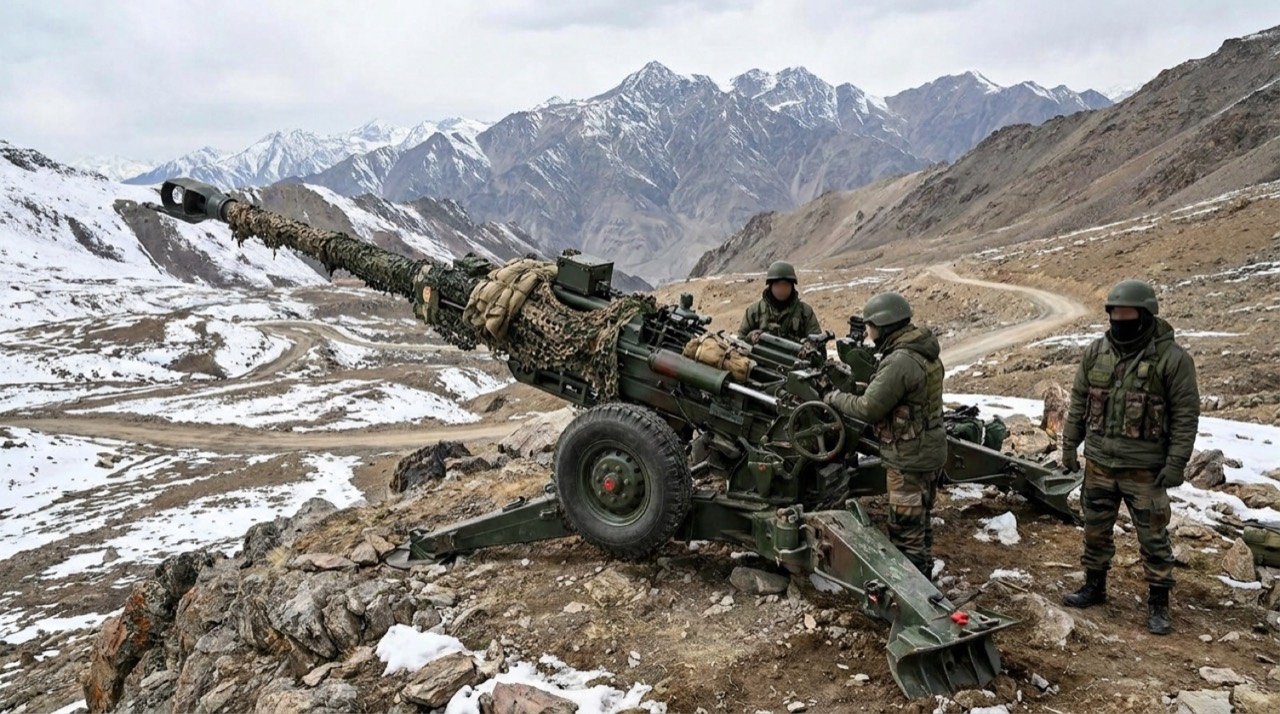
US Set to Conclude $230 Million M777 Howitzer Support Package for India
Washington is finalising a proposed $230 million sustainment package for India's M777A2 ultra-light howitzers, deepening defence ties through maintenance, spare parts and long-term operational readiness.
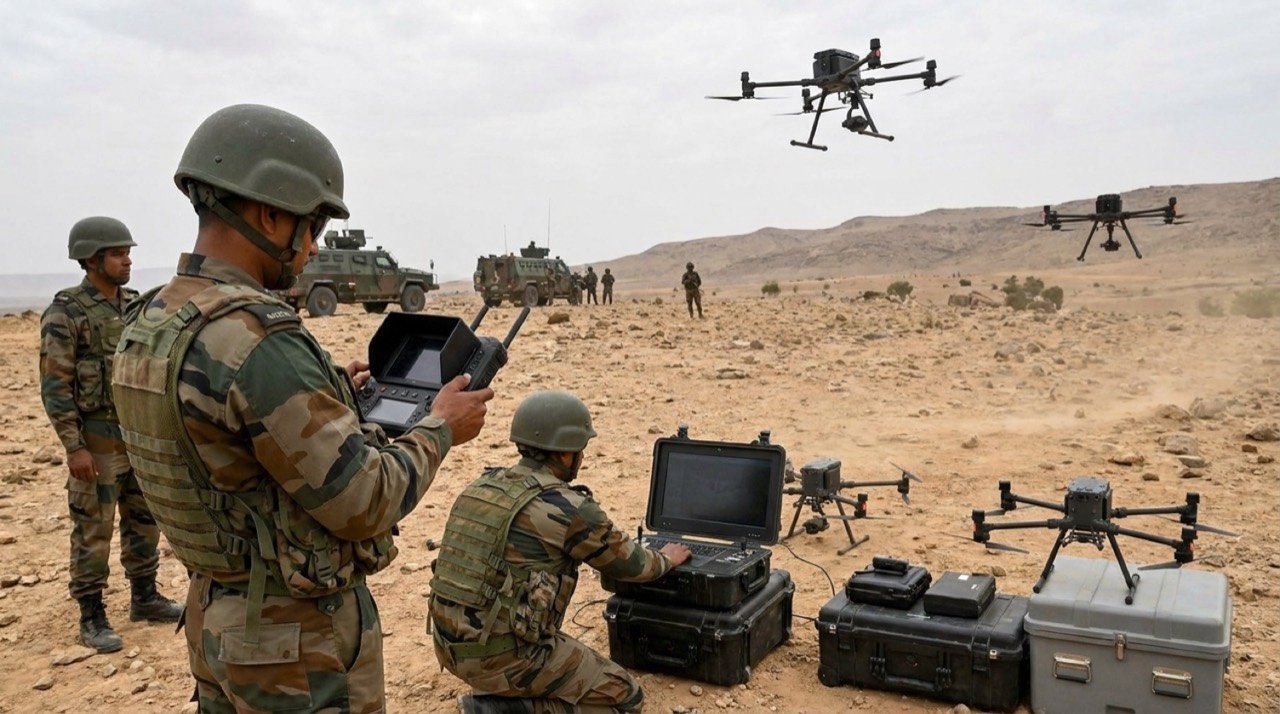
General Dwivedi's Tenure Puts Drones and New Battle Formations in Focus
As Army Chief General Upendra Dwivedi nears the end of his tenure on June 30, his legacy is being weighed through accelerated doctrine, drones and reorganised battle formations.
More from this section
More
AICTE Industry Fellowship 2026: Rs 1.5 Lakh Scheme Closes July 5
The AICTE Industry Fellowship Programme 2026, which places technical-education faculty inside leading companies on a Rs 1.5 lakh monthly stipend, reached its application deadline on July 5.
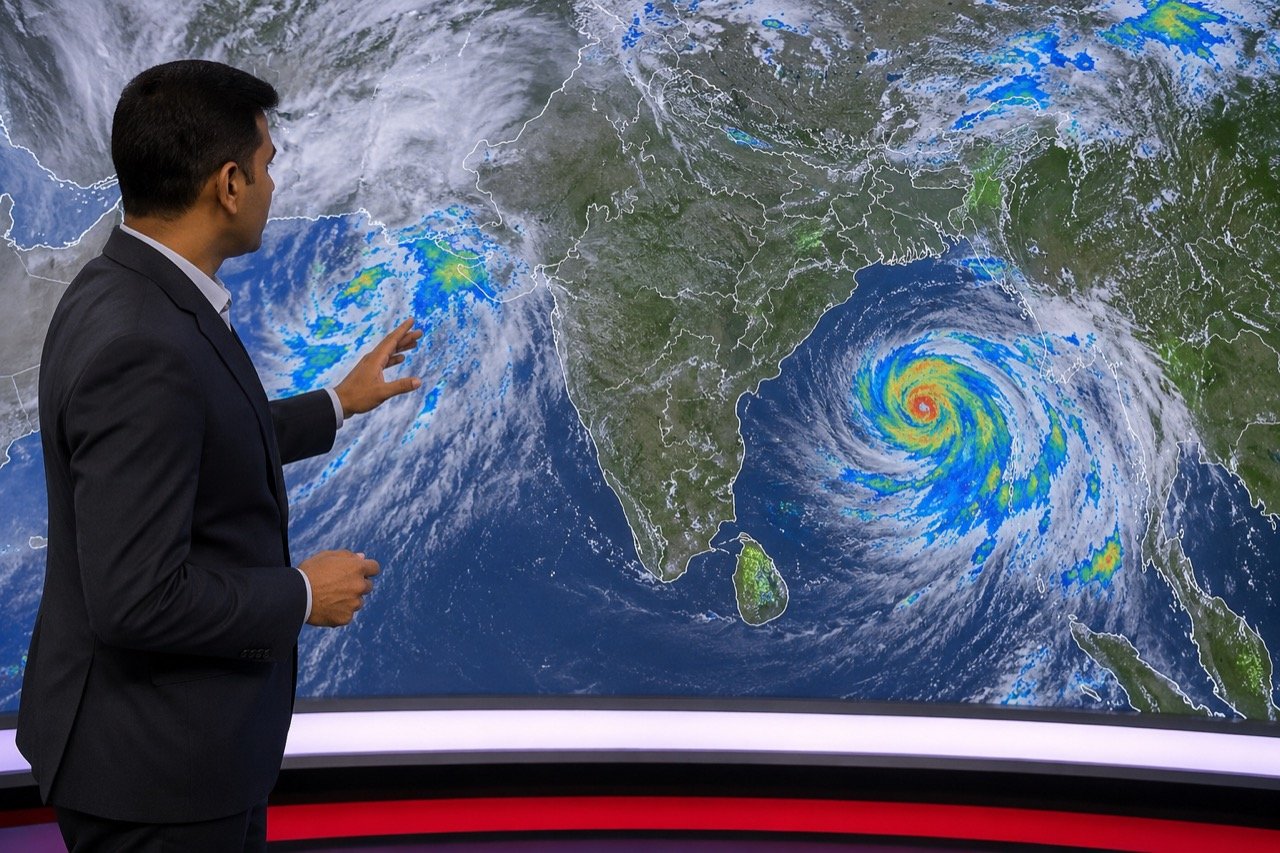
Bay of Bengal Low Pressure System Revives Monsoon Over Western India
A low-pressure system over the Bay of Bengal has pushed the monsoon back into an active phase, bringing steady heavy rain to Kerala, coastal Karnataka and Maharashtra, and putting Mumbai and Pune on preparedness watch.
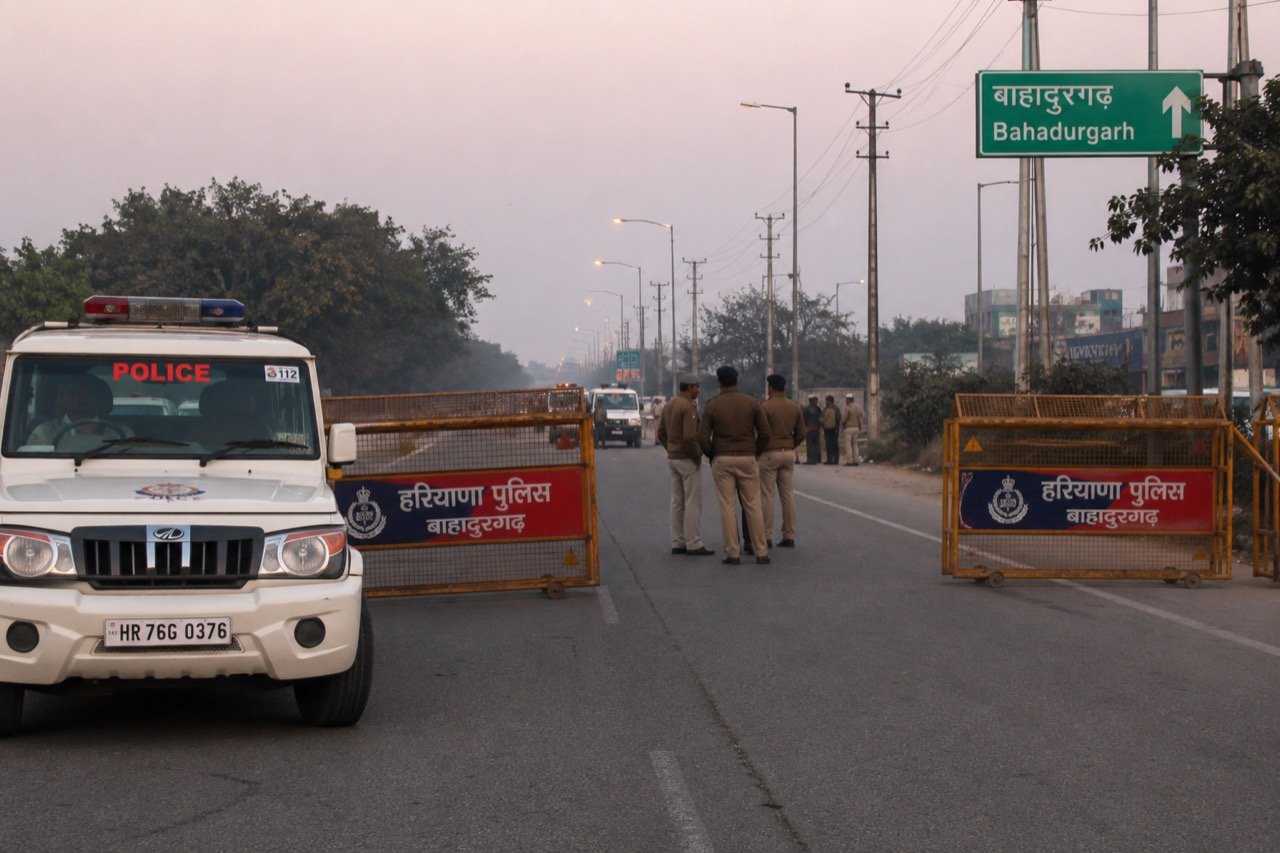
Bishnoi Gang Suspects Injured in Haryana Encounter as Police Tighten Net
A joint Haryana-Delhi Police operation in Bahadurgarh left two suspected Lawrence Bishnoi gang members injured, spotlighting the multi-state coordination now central to India's fight against organised crime networks.