SBI PO Recruitment 2026: 1,500 Probationary Officer Posts Open
State Bank of India's 2026 probationary officer drive offers 1,500 officer-track posts, reviving one of the country's most competitive banking exams and setting the tone for the year's public-sector hiring calendar.
Commentary & Analysis ·
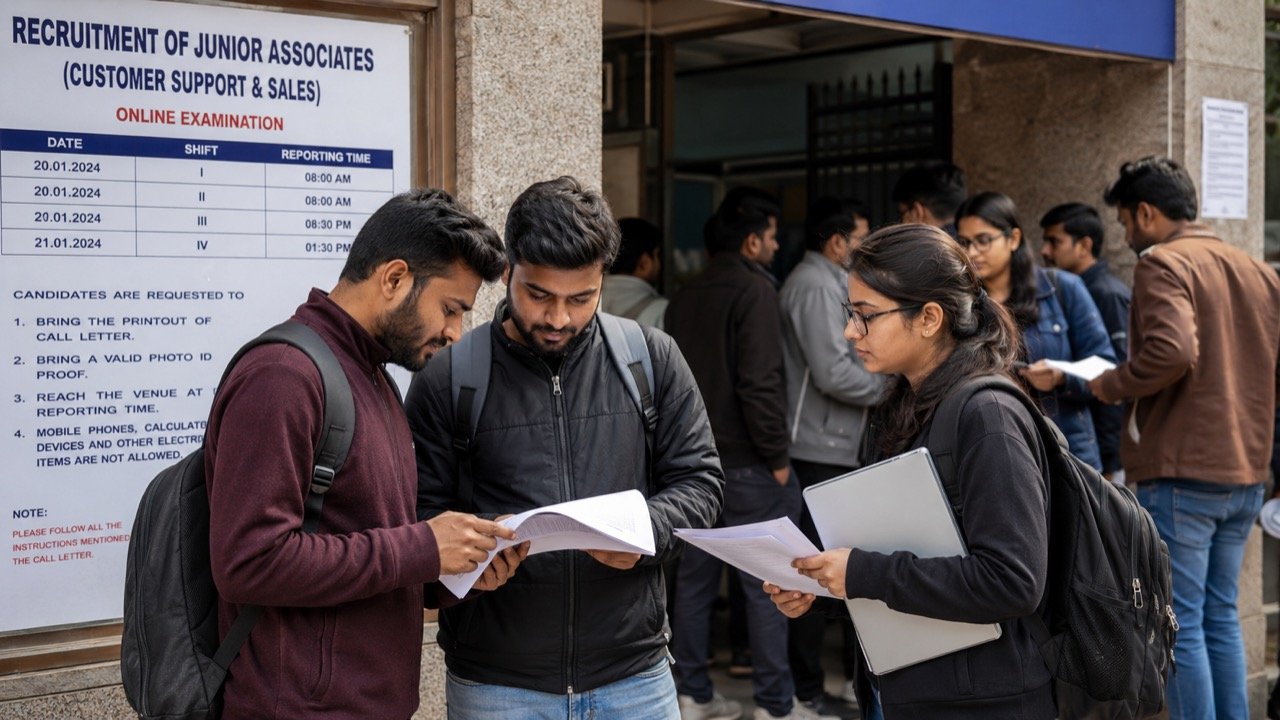
State Bank of India's probationary officer recruitment has become one of the biggest career stories of the season, with reports indicating that 1,500 PO posts are open in the 2026 selection cycle. For lakhs of banking aspirants across the country, the announcement matters because SBI PO remains among India's most competitive public-sector examinations, and the timing and scale of this cycle often set the tone for the entire year's banking hiring calendar. Coaching institutes, employment portals and family WhatsApp groups alike will be dissecting the numbers for weeks, but the substance of the opportunity is straightforward: a large lender is opening a substantial number of officer-track vacancies at a moment when public-sector banking careers remain in high demand.
What aspirants need to know
The recruitment follows SBI's familiar multi-stage format. Candidates typically clear a preliminary examination, then a main examination, and finally an interview or group exercise round before selection is confirmed. This layered structure is designed to filter a very large applicant pool down to a manageable shortlist while testing both aptitude and interpersonal skills relevant to a customer-facing officer role. Graduates seeking officer-track positions in India's largest lender will now be watching closely for the official notification, which is the document that actually fixes eligibility criteria, application windows and exam dates.
The practical questions dominating search interest are the same ones that recur every recruitment season: who can apply, when applications open and close, and how the prelims and mains will be structured in terms of sections, marking and duration. On all of these points, the official SBI notification is the final word. News coverage, however useful for context and early awareness, is not a substitute for the bank's own rules, and aspirants who rely on secondary summaries risk missing fine print on age relaxations, category-wise vacancy breakdowns or document requirements that only the notification will spell out precisely.
Why the scale of the exercise matters
A vacancy count of 1,500 posts is large enough to be a genuine talking point in the recruitment ecosystem, and it is reasonable to expect applications running into the lakhs once the window opens. That ratio of applicants to posts is itself a story: it captures just how many young, qualified graduates are chasing a comparatively small number of secure officer roles. For SBI, managing an applicant pool of that size means investing heavily in exam logistics, from computer-based testing infrastructure to the administrative machinery needed to process results and conduct interviews fairly and on schedule. Any recruitment drive at this scale is as much a test of institutional capacity as it is a test for the candidates themselves.
Why bank jobs still draw crowds
The wider backdrop here is that public-sector bank hiring remains closely watched at a time when financial services are expanding digital operations, branch networks and credit delivery. Even as digital banking grows, branch-level officers continue to be central to customer relationships, credit appraisal and the last-mile delivery of financial services in both urban and semi-urban India. PSU bank careers continue to attract applicants because they combine scale, structured training and long-term mobility. An officer entering through the PO route can realistically build a career that spans branch leadership to senior management, a trajectory that remains rare in comparably paying private-sector entry roles, which often lack the same degree of job security or defined promotion ladders.
This appeal is not simply about starting salary. It is about the combination of pension and retirement benefits associated with public institutions, a structured training period that equips freshers with both technical banking knowledge and managerial exposure, and a promotion framework that rewards tenure and performance in a relatively transparent way. For a graduate weighing options between a private-sector job with faster initial pay growth but less certainty, and a public-sector officer post with slower but steadier progression, the PO route continues to look attractive precisely because of that predictability.
What this signals about the broader job market
The intensity of interest around a single recruitment cycle also says something about the choices available to India's educated young workforce more broadly. When a single bank's hiring notification becomes a nationwide talking point, it is a reminder that opportunities offering both security and a credible growth path are still relatively scarce relative to the number of graduates seeking them each year. This is not a criticism of SBI, which is simply running its standard recruitment process, but rather a comment on the structural gap between the supply of job-seekers and the supply of stable, well-structured career openings across the wider economy. Every cycle of this kind becomes an informal referendum on how many young Indians see public-sector employment as the safer, more dependable route compared with alternatives in the private sector or in self-employment.
The NE Times View
The enduring pull of 1,500 SBI posts — likely to draw applications in the lakhs — says as much about India's job market as it does about banking. Secure, well-structured public-sector careers remain scarce relative to the demand from a young, educated workforce, and that mismatch deserves policy attention beyond exam season. It is worth asking, each time such a cycle unfolds, whether the volume of applicants is a sign of healthy competition for a limited number of genuinely good jobs, or a sign that the private sector and other avenues are not generating enough comparable opportunities to absorb the country's graduate output.
For aspirants, the sensible play is discipline: rely on the official notification, start preparation early, and treat coaching-industry hype with scepticism. The temptation during a high-profile recruitment cycle is to be swayed by sensational claims about cut-offs, vacancy revisions or shortcuts to selection; the safer approach is always to anchor preparation and planning to what SBI itself publishes. And for SBI, each recruitment cycle is a chance to prove that public institutions can hire at scale with speed and fairness, an outcome that matters not only to the successful candidates but to public confidence in the broader machinery of public-sector recruitment in India.
Key takeaways
- SBI's 2026 PO recruitment cycle reportedly opens 1,500 officer posts, one of the largest banking hiring stories of the season.
- Selection follows the standard three-stage format of preliminary exam, main exam and interview or group exercise.
- Aspirants should treat the official SBI notification as the definitive source on eligibility, dates and exam structure, not news summaries or coaching claims.
- The scale of applicant interest reflects a wider mismatch between the number of secure, well-structured career opportunities and the size of India's young, educated workforce.
- For SBI, the recruitment cycle is also a test of institutional capacity to hire at scale with speed and fairness.
You may also like to read
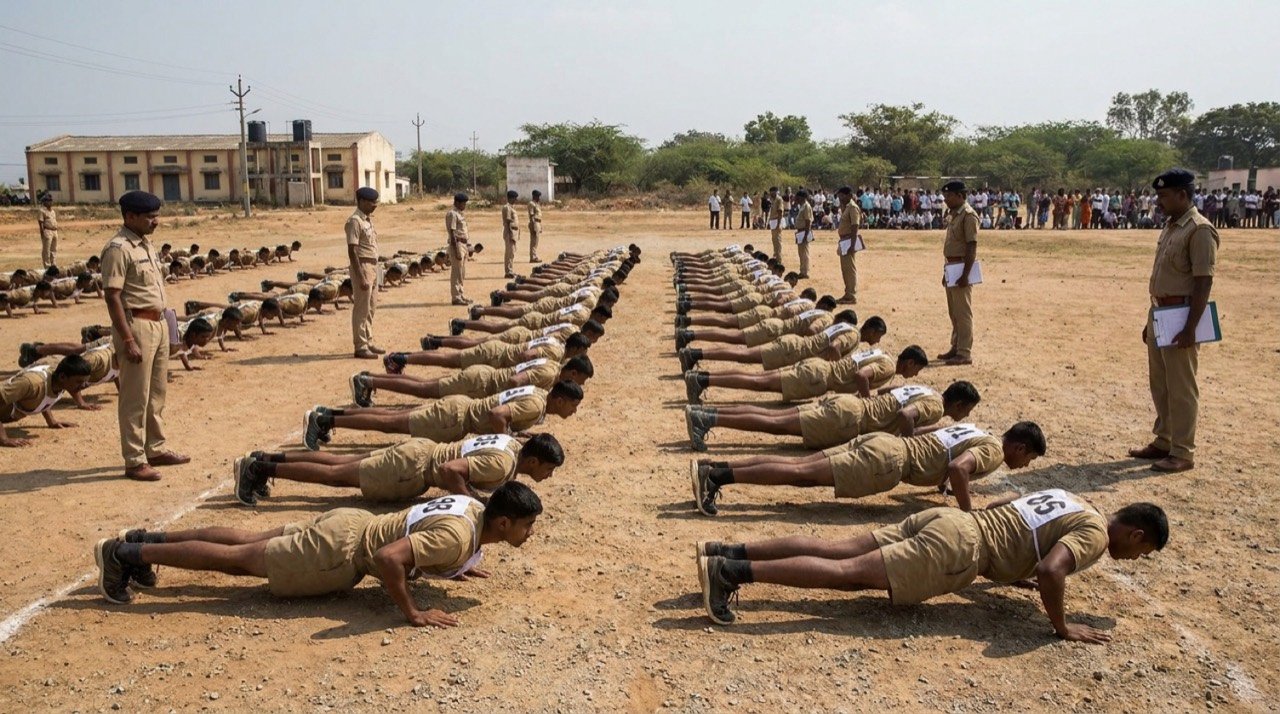
Karnataka Police Opens Recruitment for 1,600 Armed Constable Posts
Karnataka Police has thrown open 1,600 armed constable vacancies, opening a major government-job window for aspirants who must track eligibility, physical standards and exam dates on the official portal.
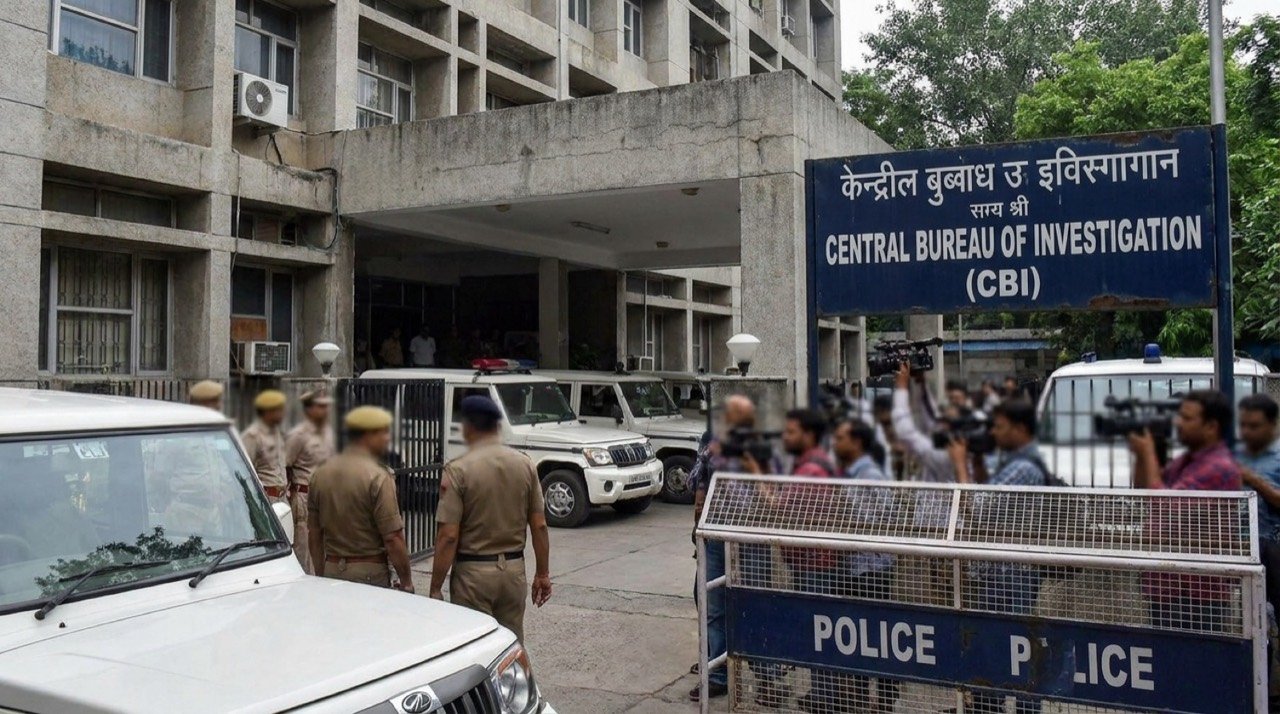
CBI Arrest of Haryana IAS Officer Pankaj Agarwal Sharpens Corruption Debate
The CBI's arrest of senior Haryana IAS officer Pankaj Agarwal in a corruption-related case has renewed scrutiny of accountability and transparency in state administration.
CBI Arrests Haryana IAS Officer Dhirendra Khadgata in Rs 60-Crore IDFC First Bank Fund Case
The CBI has arrested Haryana IAS officer Dhirendra Khadgata over alleged diversion of around Rs 60 crore in government funds linked to an IDFC First Bank branch, reviving questions of governance and banking oversight.
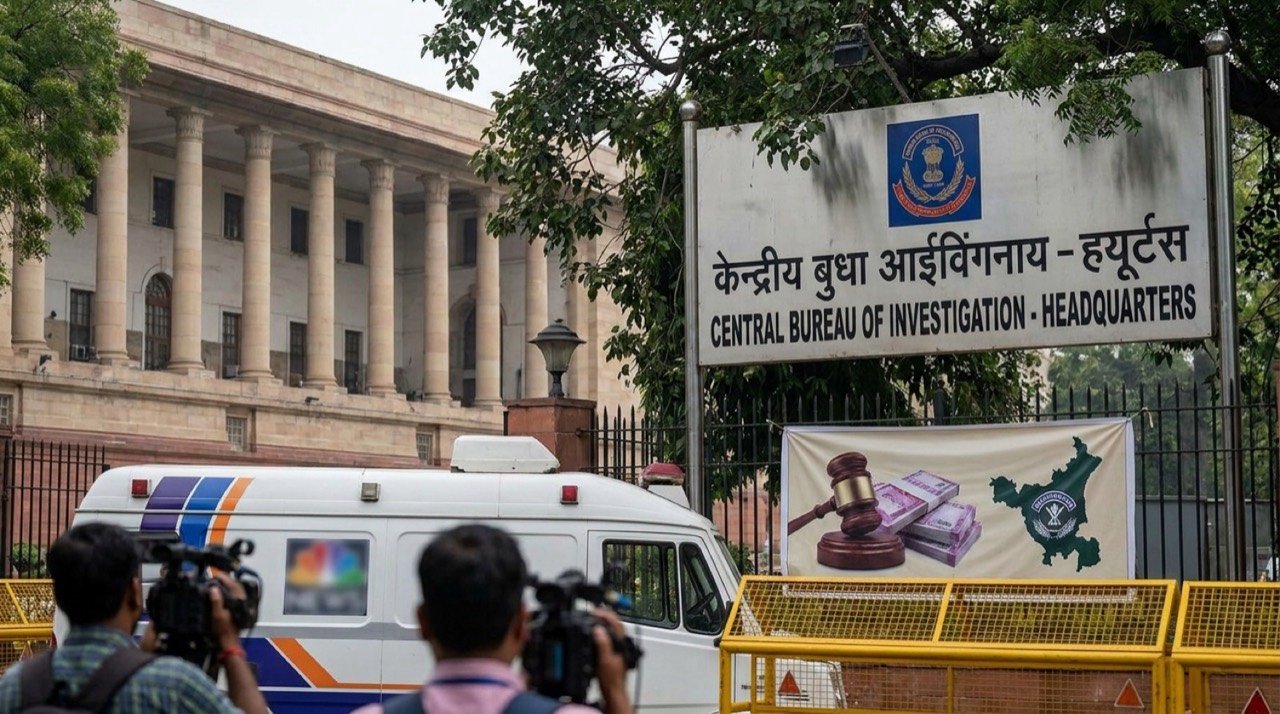
CBI Arrests Haryana IAS Officer Pankaj Agarwal As Bank-Fraud Probe Widens
The CBI has arrested senior Haryana-cadre IAS officer Pankaj Agarwal in a widening probe into the alleged diversion of crores in public funds through bank accounts and government departments.
More from this section
More
AICTE Industry Fellowship 2026: Rs 1.5 Lakh Scheme Closes July 5
The AICTE Industry Fellowship Programme 2026, which places technical-education faculty inside leading companies on a Rs 1.5 lakh monthly stipend, reached its application deadline on July 5.
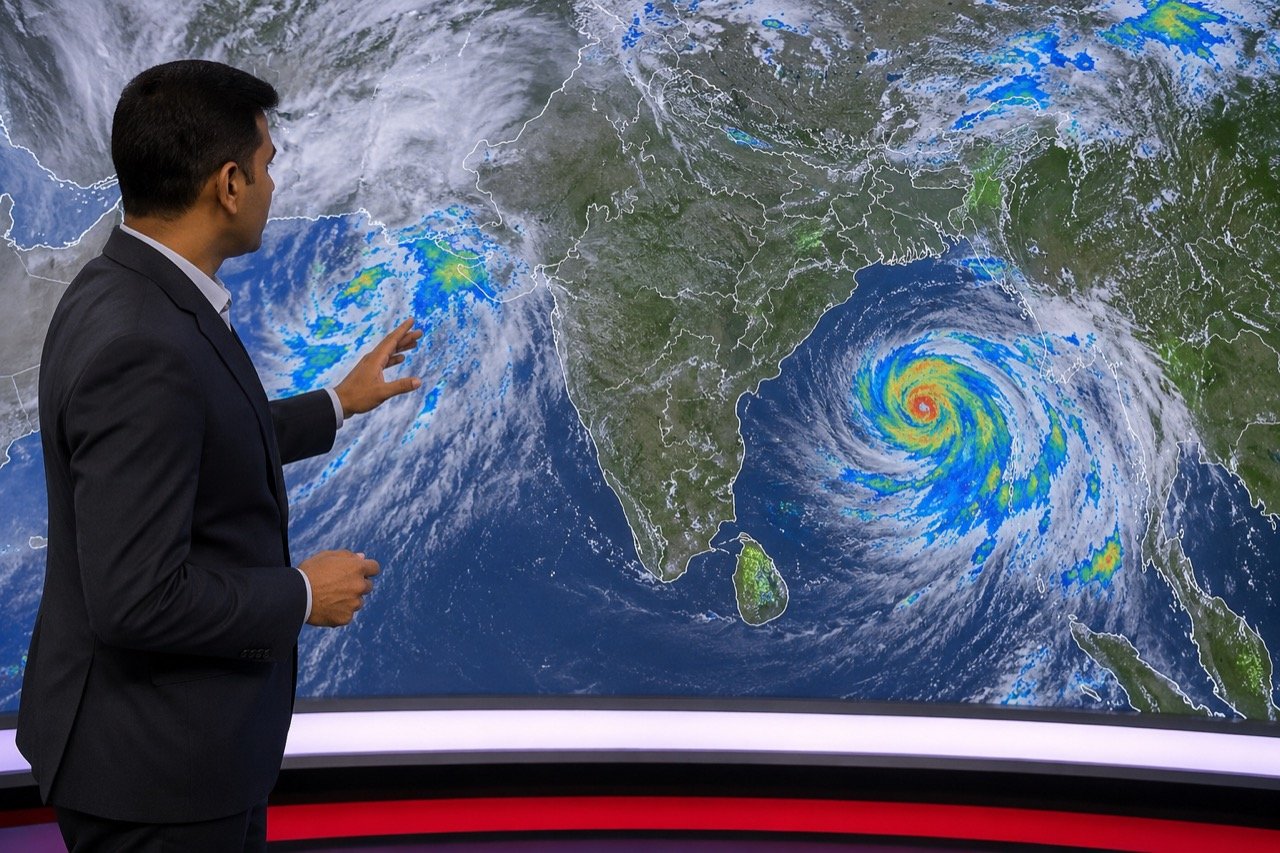
Bay of Bengal Low Pressure System Revives Monsoon Over Western India
A low-pressure system over the Bay of Bengal has pushed the monsoon back into an active phase, bringing steady heavy rain to Kerala, coastal Karnataka and Maharashtra, and putting Mumbai and Pune on preparedness watch.
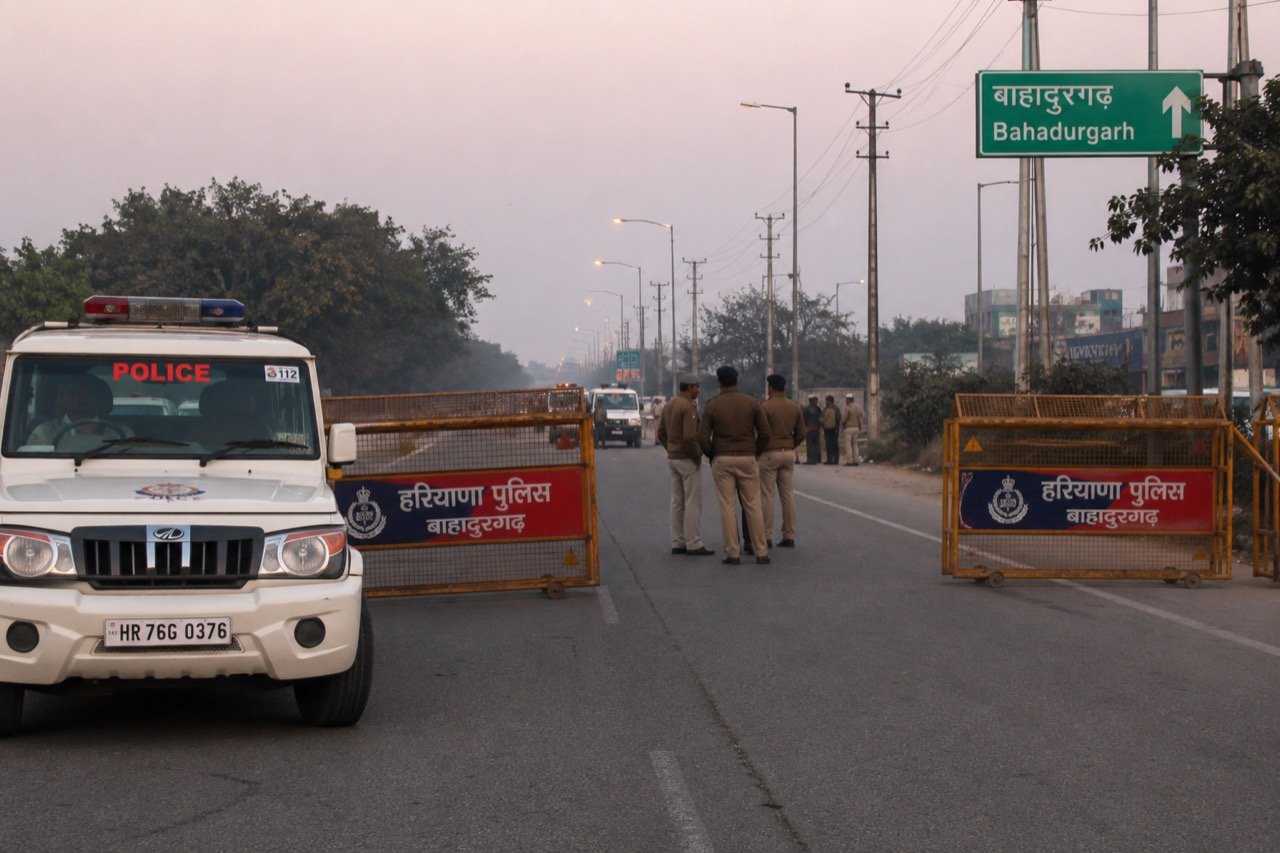
Bishnoi Gang Suspects Injured in Haryana Encounter as Police Tighten Net
A joint Haryana-Delhi Police operation in Bahadurgarh left two suspected Lawrence Bishnoi gang members injured, spotlighting the multi-state coordination now central to India's fight against organised crime networks.