Ravi Kishan Bets Dhamaal 4 Can Revive Big-Screen Comedy
Ravi Kishan says Dhamaal 4 has the writing and timing to reconnect audiences with theatrical comedy, framing the Ajay Devgn-led sequel as a test of whether ensemble laughter can still fill cinema halls.
Commentary & Analysis ·
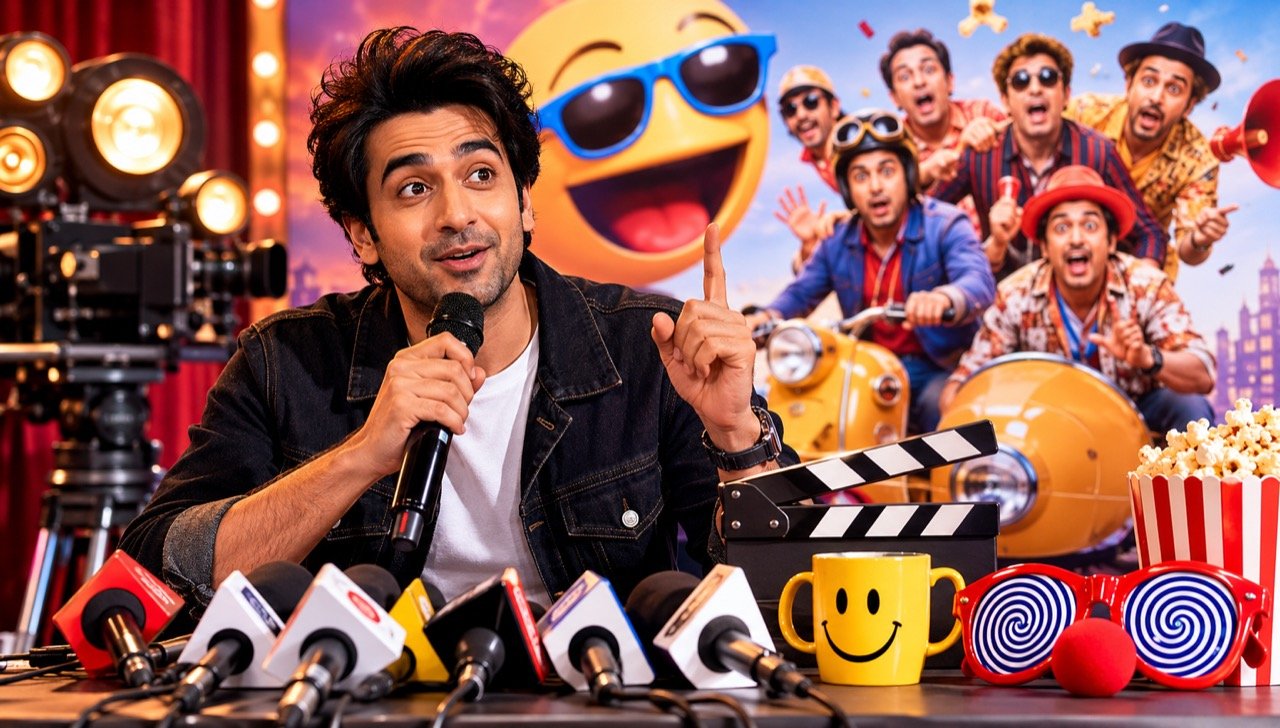
Ravi Kishan has handed Dhamaal 4 a fresh publicity boost, declaring that the upcoming comedy sequel has the writing and timing to connect with audiences just as Hindi cinema tests whether theatrical comedy can draw crowds again. On the surface, this reads like standard pre-release chatter, the sort of confident line an actor offers to any journalist who asks about a forthcoming release. But Kishan's framing goes further than routine promotion. Comedy franchises carry an unusual kind of pressure that action films or thrillers rarely face. A recognised title such as Dhamaal brings built-in curiosity when a fourth instalment is announced, yet it also drags along the weight of memory. Audiences who enjoyed earlier films in the series arrive with expectations about ensemble chemistry, comic timing and the specific brand of chaos the franchise is known for, and a new film must either meet that bar or risk being measured unfavourably against instalments that have had years to settle into nostalgia.
Why comedy has become the genre under scrutiny
The wider context here matters. Action spectacles, thrillers and franchise spy films have dominated recent box-office conversation in Hindi cinema, and that dominance has left broad, ensemble-driven comedies with something to prove. It is not simply that comedies have gone missing from screens; it is that the genre now has to justify its own theatrical existence at a moment when streaming platforms offer viewers an almost limitless supply of comic content on demand, at home, without the cost or effort of a cinema outing. For a comedy to succeed in a hall today, it has to offer something that a phone screen cannot: scale, communal laughter, and an event-like quality that makes the ticket price feel worthwhile.
Hindi comedy as a genre has been uneven in recent years. It has struggled particularly when jokes have felt dated, when running times have stretched beyond what the material could sustain, or when scripts leaned too heavily on shock value rather than character-driven humour. Where the genre has found success, it has generally been in films that paired a familiar, comforting premise with tighter pacing and a strong ensemble rhythm, allowing well-matched actors to play off one another rather than relying on one-liners alone. This is the needle Dhamaal 4 will have to thread, and it is precisely the challenge that Kishan's comments implicitly acknowledge.
The cast as the franchise's core asset
The cast remains Dhamaal 4's biggest selling point, and understandably so. Ajay Devgn, Riteish Deshmukh, Arshad Warsi and other familiar faces give the film immediate visibility before a single trailer drops, simply because audiences already associate these names with the franchise's chaotic comic energy. Ravi Kishan's own presence adds a further promotional hook, since his comic sensibility is well known to Hindi film audiences and lends the marketing an additional layer of credibility beyond the established leads. This kind of cast recognition is valuable in a crowded release calendar, where audiences often decide within seconds of seeing a poster or trailer whether a film is worth their attention.
Yet this same familiarity is a double-edged asset. The format of a long-running comedy franchise lets audiences walk into the cinema without needing extensive backstory or exposition, which lowers the barrier to entry considerably compared with, say, a complex thriller or a new universe-building action film. At the same time, that same familiarity demands fresh set pieces and new comic situations, because in comedy specifically, repetition turns quickly from comfort into fatigue. A joke or a physical gag that worked in an earlier instalment cannot simply be recycled with a new location; the writing has to earn its laughs anew each time, or the franchise starts to feel like it is coasting on past goodwill rather than building on it.
Reading Kishan's comments as pre-release positioning
Kishan's framing is also worth examining as a study in pre-release positioning strategy. Rather than simply promising that Dhamaal 4 will be a hit, he casts the film as part of a possible revival of theatrical comedy as a whole. This is a bigger claim than a straightforward box-office prediction, and arguably a smarter one from a publicity standpoint, because it invites audiences and commentators alike to treat the film's performance as a referendum on whether old-school ensemble laughter still has a place on the big screen. Framing the release this way raises the stakes, but it also raises the potential upside: if the film performs well, it is not just a franchise entry succeeding, it becomes a data point suggesting that theatrical comedy as a category still has commercial life left in it.
Of course, rhetoric of this kind is easy to offer months ahead of release, when there is no box-office data yet to contradict it. The real evidence will arrive later, in stages: first through advance ticket sales and trailer reception, then through early critical reviews, and finally through the first-weekend box-office numbers once the film actually opens. Each of these checkpoints will tell a different part of the story, and industry observers will likely parse them closely given how much has been riding rhetorically on this single release to answer a genre-wide question.
What is really being tested
It is worth being precise about what a film like Dhamaal 4 can and cannot prove. A single successful release would not, on its own, definitively resolve the broader question of whether theatrical comedy is durable in an era dominated by streaming and franchise action cinema. But it would offer meaningful evidence, particularly if the success comes from broad, multi-generational audiences rather than a narrow opening-weekend novelty effect. Conversely, a disappointing performance would not necessarily kill the genre either, but it would add weight to the argument that nostalgia and cast recognition alone are no longer sufficient to pull families away from home viewing and into cinema halls.
The NE Times View
Indian cinema needs the comedy genre to work in theatres, and not only for variety's sake. Comedies are among the few kinds of films that still reliably bring whole families to the halls together, spanning generations in a way that many action or thriller franchises do not. Kishan's optimism is welcome, and there is nothing wrong with an actor backing his own project with confidence. But brand recall alone will not carry Dhamaal 4 across the finish line with today's audiences. The franchise must resist the temptation to lean on nostalgia and instead deliver jokes that are genuinely written for 2026 audiences, not simply updated versions of gags that worked in 2007. If it succeeds on those terms, it could reopen a commercial lane that streaming has steadily narrowed over the past several years. If it fails, the lesson will not be that comedy itself is finished as a theatrical genre, but that reviving any genre takes fresher writing and sharper craft, not just familiar faces making confident predictions on its behalf.
Key takeaways
- Ravi Kishan has positioned Dhamaal 4 as a test case for whether theatrical comedy can still draw crowds, not merely as a franchise sequel seeking a good opening.
- The genre faces real pressure from the dominance of action and thriller franchises at the box office and from the ease of streaming comedy at home.
- The returning cast, including Ajay Devgn, Riteish Deshmukh and Arshad Warsi, offers strong recognition value but also raises the bar for delivering fresh material rather than repeating past gags.
- Advance sales, early reviews and first-weekend numbers will be the real indicators of whether Kishan's optimism is justified.
- The film's fate will say less about Dhamaal as a franchise and more about whether nostalgia-driven comedy can still compete with new-era audience habits.
You may also like to read
Pritam And Pedro Telugu Dub Widens Reach of Hindi Buddy Comedy
The Hindi buddy-comedy series Pritam And Pedro is now streaming with a Telugu dub, giving the show a fresh discovery route among regional audiences and underlining how Indian OTT libraries are turning multilingual by default.

GDN Trailer: R Madhavan Revives Inventor GD Naidu on Screen
The trailer for GDN, starring R Madhavan as pioneering inventor G.D. Naidu, has turned a period biopic into a wider conversation about how Indian cinema remembers its scientists and industrial visionaries.

Alpha Opens to Mixed Reviews as YRF Bets on Female Spies
Alia Bhatt and Sharvari's spy actioner Alpha has landed in theatres with high visibility but divided critics, leaving weekend word of mouth to decide whether the YRF Spy Universe's female-led gamble pays off.
Mukesh Khanna and Samay Raina Promo Sparks Digital Comedy Debate
Promo chatter around Mukesh Khanna appearing with Samay Raina for India's Got Latent 2 has renewed debate over how legacy television stars and creator-led comedy share the same digital stage.
More from this section
More
72nd National Film Awards: Fans Back Mammootty, Allu Arjun, Sai Pallavi
Speculation around the 72nd National Film Awards is intensifying as fan communities across India's language film industries champion favourites including Mammootty, Allu Arjun and Sai Pallavi ahead of any official announcement.

Aamir Khan Marries Gauri Spratt in Private Pali Hill Ceremony
Aamir Khan and Gauri Spratt tied the knot at the actor's Pali Hill home in Mumbai on July 5, turning a deliberately small family ceremony into Bollywood's biggest story of the day.
Akanksha Chamola's Lock Upp 2 Confession Sets Reality TV Abuzz
A personal revelation by Akanksha Chamola ahead of Lock Upp 2 has handed the reality show a viral talking point, underlining how confession-driven formats continue to dominate Indian television conversation.