Raghav Juyal's Bhai Tera Star Hai Poster Sparks Music-Led Buzz
The first poster for Raghav Juyal's Bhai Tera Star Hai has landed, giving the dancer-turned-actor's new music-flavoured project an early jolt of visibility in a crowded Bollywood promotional season.
Commentary & Analysis ·
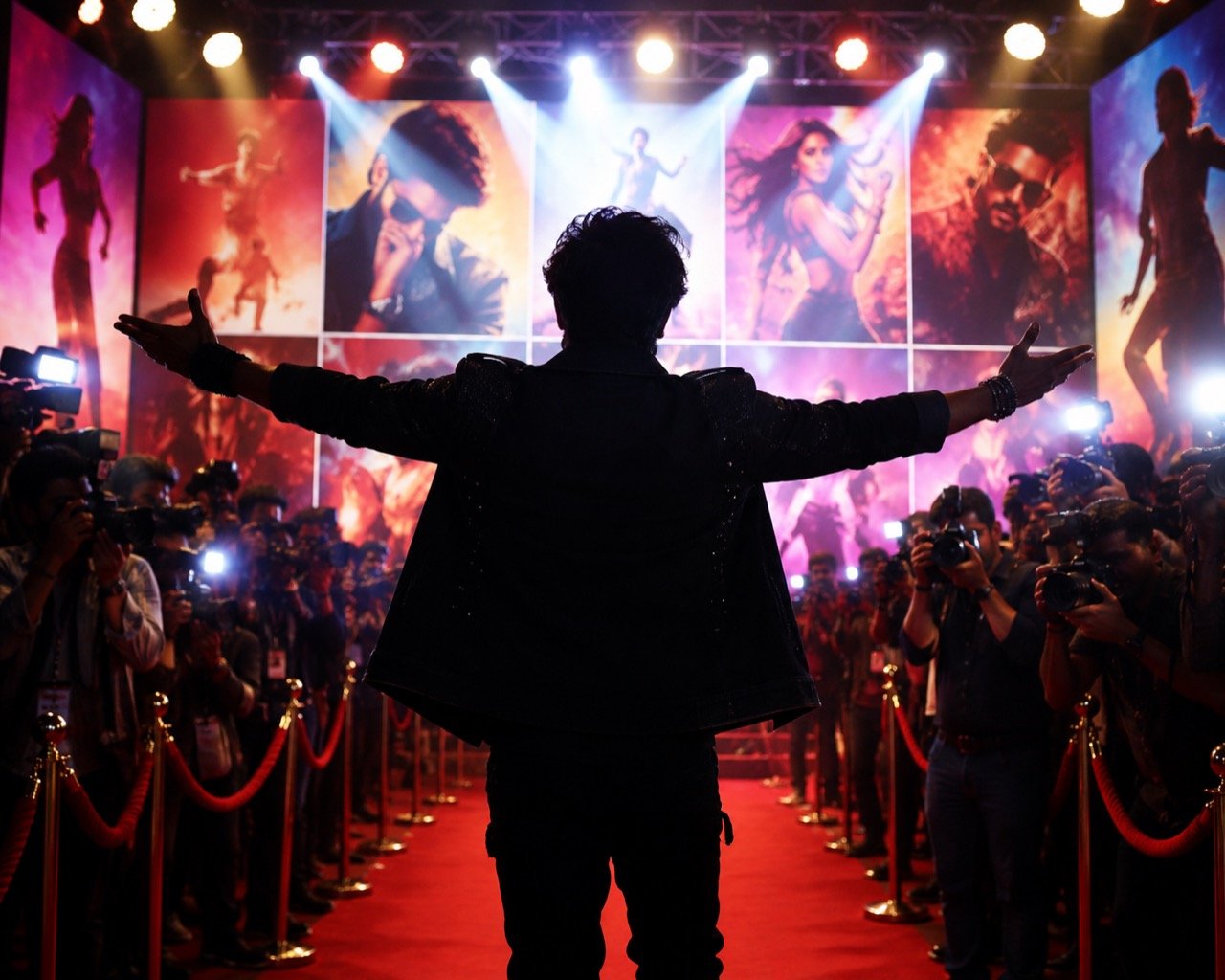
Raghav Juyal is back in the Bollywood conversation after the first poster for Bhai Tera Star Hai surfaced in entertainment listings, with Koimoi flagging the reveal as part of the week's Hindi film news cycle. Set against a season dominated by box-office tallies and big-ticket casting announcements, a single poster may seem like a minor beat. Yet in the current promotional environment, it is often the opening move in how a music-led or youth-facing project builds its audience, and the way it is received can shape expectations for everything that follows.
Why a poster reveal matters
Modern promotional rollouts increasingly begin with one image rather than a full trailer or teaser. A poster establishes colour, attitude and market positioning long before a teaser or a first song arrives. When the image connects with viewers, social media platforms carry a meaningful share of the publicity load on their own, generating shares, memes and conversation without additional studio spend. When it falls flat, however, every subsequent asset — the teaser, the songs, the trailer — has to work that much harder to recover lost attention and reset audience perception. This makes the poster stage a low-cost but high-signal test of a film's early positioning.
For a performer like Juyal, whose public identity spans dance, television hosting, comedy and film acting, a poster-led launch does specific work beyond simple announcement. It ties his established performer persona to a new screen property, allowing existing fans across formats to transfer their goodwill to an unfamiliar project. It also gives audiences an immediate visual cue about tone — whether the project leans towards dance, music, comedy or drama — at a stage when no other information is available. In a crowded release calendar, that single frame is effectively the first pitch a viewer receives, and it has to do the work of a logline, a mood board and a casting announcement all at once.
The search test
The practical measure of any reveal of this kind is discovery: what happens when a curious viewer actually looks the film up. Viewers looking up Bhai Tera Star Hai are chiefly asking what it looks like and what it promises, and right now the poster is the only answer available to satisfy that curiosity. It functions less like an advertisement and more like an entry point into search results, social feeds and entertainment round-ups such as the one Koimoi published. Whether the poster generates further searches, or simply gets scrolled past, is itself a data point for the marketing team, even if that data is not publicly disclosed.
The real examination, though, comes next. The first audio-visual material — a teaser or a song — will have to show what Bhai Tera Star Hai actually offers beyond a striking frame. A poster can hint at genre and mood, but it cannot demonstrate music, chemistry between performers, or narrative hook. Those are precisely the elements that convert casual curiosity into sustained anticipation, and precisely the elements still missing from the public conversation at this stage.
Why music-led titles carry extra risk and extra upside
Films that position themselves around music and dance operate under a different set of rules than star-driven dramas or franchise sequels. Their commercial fate is frequently decided within days of the first song's release, as audiences either adopt a track into playlists and reels or move on entirely. This compresses the marketing timeline considerably: where a big-budget tentpole might sustain a promotional campaign over several months, a music-led project often has a much narrower window in which its core song must catch on. That makes the sequencing of poster, teaser and soundtrack release unusually consequential, since a delay or a weak link at any stage can blunt the momentum the poster has tried to generate.
At the same time, this format carries genuine upside precisely because it does not depend solely on star wattage. A strong, catchy track can carry a project further than its budget or cast profile might otherwise suggest, and can create word-of-mouth that outlasts the initial release window. For a performer like Juyal, whose career has been built substantially on dance and performance rather than conventional leading-man stardom, a genuinely strong music component could be the difference between a project that is merely noticed and one that finds a durable audience.
What this means for Raghav Juyal's positioning
Juyal's career path has been distinctive within the Hindi entertainment industry: built across formats — dance competitions, television hosting, comedy, and film acting — rather than through a single conventional route to stardom. This poster reveal is best read as a continuation of that strategy rather than a departure from it. By leading with a visual identity tied closely to dance and music sensibilities, the promotional approach plays to strengths audiences already associate with him, rather than asking them to accept him in an unfamiliar mode without any lead-in.
This is a sensible use of accumulated goodwill. Audiences who have followed Juyal across television and earlier film appearances are more likely to engage with a poster bearing his image than they would be with an entirely unknown project, and that existing recognition lowers the marketing burden considerably. But recognition alone rarely sustains box-office or streaming performance on its own; it opens a door rather than guaranteeing what happens once audiences walk through it.
The NE Times View
Poster-first marketing has quietly become Bollywood's cheapest and most revealing gamble. It costs relatively little to produce and distribute compared with a full teaser campaign, yet it offers an early and fairly honest read on whether a project's core idea is landing with audiences before larger sums are committed to subsequent promotional stages. For Raghav Juyal, whose fanbase was built across formats rather than through conventional stardom, this reveal is a smart use of accumulated goodwill, translating recognition into an initial spike of attention at minimal cost.
But visibility is not momentum. Indian audiences in 2026 are quicker than ever to move on, distracted by a constant churn of new releases, trailers and viral content competing for the same limited attention. A music-led film lives or dies on its first track in a way few other genres do, and no amount of poster goodwill can substitute for a song that actually resonates. The poster has bought Bhai Tera Star Hai a window of attention; the soundtrack, whenever it arrives, will decide whether that window stays open or quietly closes.
Key takeaways
- The first poster for Bhai Tera Star Hai has entered the Hindi entertainment news cycle via Koimoi, giving Raghav Juyal renewed visibility ahead of any teaser or song release.
- Poster-first marketing is a low-cost, high-signal strategy that establishes tone and positioning before further promotional assets arrive.
- Music-led projects typically succeed or falter based on their first song, making the soundtrack the next and more decisive test for this film.
- Juyal's cross-format career in dance, television and comedy gives this poster-led approach a built-in audience, though that recognition alone will not guarantee sustained interest.
- The real measure of momentum will come once audio-visual material is released, showing whether the project can convert curiosity into lasting engagement.
You may also like to read
Raghav Juyal, Niharika NM Photos Fuel Dating Buzz Amid Film Promo
Circulating photos of Raghav Juyal and Niharika NM have set off dating speculation among fans, handing their upcoming film Bhai Tera Star Hai an unplanned extra stream of social-media attention.

Shah Rukh Khan 'Main Character Energy' Clip Sparks Bollywood Buzz
A reality TV exchange in which Kangana Ranaut invoked Shah Rukh Khan's screen presence has travelled far beyond the show, becoming a shareable talking point across Bollywood social media.
Kajol Honoured as Cinematic Force After Three Decades of Reinvention
Kajol's recognition as a cinematic force has renewed attention on a three-decade Hindi film career built on defying the conventional leading-lady mould, from commercial romances to OTT-era reinvention.
Main Vaapas Aaunga Box Office: Diljit Film Crosses Rs 40 Crore
Diljit Dosanjh's Main Vaapas Aaunga has reportedly crossed Rs 40 crore worldwide after a weekend jump, keeping the Hindi release alive in trade conversation well beyond its opening frame.
More from this section
More
72nd National Film Awards: Fans Back Mammootty, Allu Arjun, Sai Pallavi
Speculation around the 72nd National Film Awards is intensifying as fan communities across India's language film industries champion favourites including Mammootty, Allu Arjun and Sai Pallavi ahead of any official announcement.

Aamir Khan Marries Gauri Spratt in Private Pali Hill Ceremony
Aamir Khan and Gauri Spratt tied the knot at the actor's Pali Hill home in Mumbai on July 5, turning a deliberately small family ceremony into Bollywood's biggest story of the day.
Akanksha Chamola's Lock Upp 2 Confession Sets Reality TV Abuzz
A personal revelation by Akanksha Chamola ahead of Lock Upp 2 has handed the reality show a viral talking point, underlining how confession-driven formats continue to dominate Indian television conversation.