Indian Deaths in Qatar Ras Laffan Blast Put Overseas Worker Safety in Focus
Reports of Indian nationals killed in an industrial explosion at Qatar's Ras Laffan zone have renewed attention on Gulf worker safety, consular support and employer accountability.
Commentary & Analysis ·
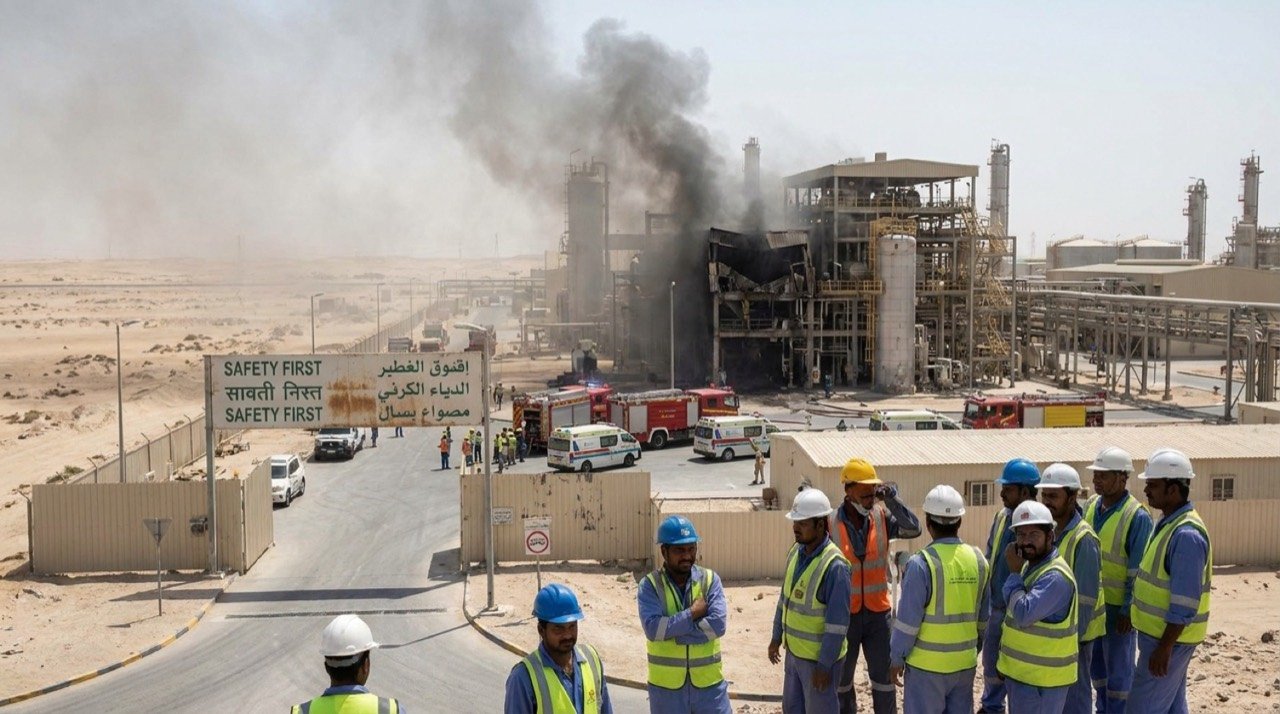
Reports that Indian nationals were among those killed in an industrial explosion at Qatar's Ras Laffan area have brought the safety of overseas workers and the role of consular support sharply back into focus. Coverage by the Economic Times and the Indian Express reported Indian casualties in the incident, while diplomatic and consular channels were expected to move on identification, family notification and formal assistance.
What is known so far
Ras Laffan is one of Qatar's largest industrial and energy hubs, home to a dense cluster of plants and infrastructure that employs thousands of foreign workers. Early reports indicated that Indian nationals were among those who lost their lives in the blast, though authorities and the Indian mission were still expected to work through verification before confirming a final toll and identities.
For families in India, the immediate need in such situations is verified information: confirmation of who was affected, the status of survivors and a clear point of contact through the embassy or community helplines. Official identification can take time, and in the interim misinformation often spreads, adding to the distress of relatives waiting for news.
Why the story carries weight
The incident resonates far beyond a single accident because millions of Indians work across the Gulf economies, frequently in construction, energy, maintenance, logistics and service jobs. These workers send home remittances that support families and local economies across states such as Kerala, Uttar Pradesh, Bihar and Tamil Nadu, making their welfare a matter of national interest.
When a major industrial accident occurs, the demands on the system are concrete: families need clarity on compensation, help with documentation and repatriation, and assurance that employers will be held to account. The episode is a reminder that worker safety, emergency response and employer accountability remain central to India's relationship with Gulf labour markets.
The consular response
Consular support in cases like these typically spans several tasks at once, from establishing a 24-hour helpline to coordinating with local authorities and employers. The effectiveness of that response often shapes public confidence in how India protects its citizens abroad.
- Verified information and confirmation of affected nationals for anxious families.
- A dedicated helpline and clear consular point of contact.
- Assistance with documentation, repatriation of remains and survivor support.
- Clarity on compensation and insurance from employers and authorities.
- Follow-up on workplace safety standards and accident investigation.
In the days ahead, attention will turn to the formal investigation into the cause of the explosion, the pace of identification and the speed with which compensation and support reach affected families. The broader question of safety standards in high-risk industrial zones, and how host countries and employers enforce them, is likely to feature in any review of welfare arrangements for India's large Gulf workforce.
The NE Times View
Every Gulf industrial tragedy that claims Indian lives exposes the same unfinished business: millions of workers underwrite remittances yet remain thinly protected on the job. Swift consular help and repatriation matter, but they are downstream of the real problem. The NE Times view is that India must press harder on employer accountability, safety audits and enforceable bilateral labour protections, so worker safety is built into contracts rather than mourned after the blast.
This article is original commentary and analysis by The NE Times. Background facts were referenced from the Economic Times and the Indian Express.
You may also like to read
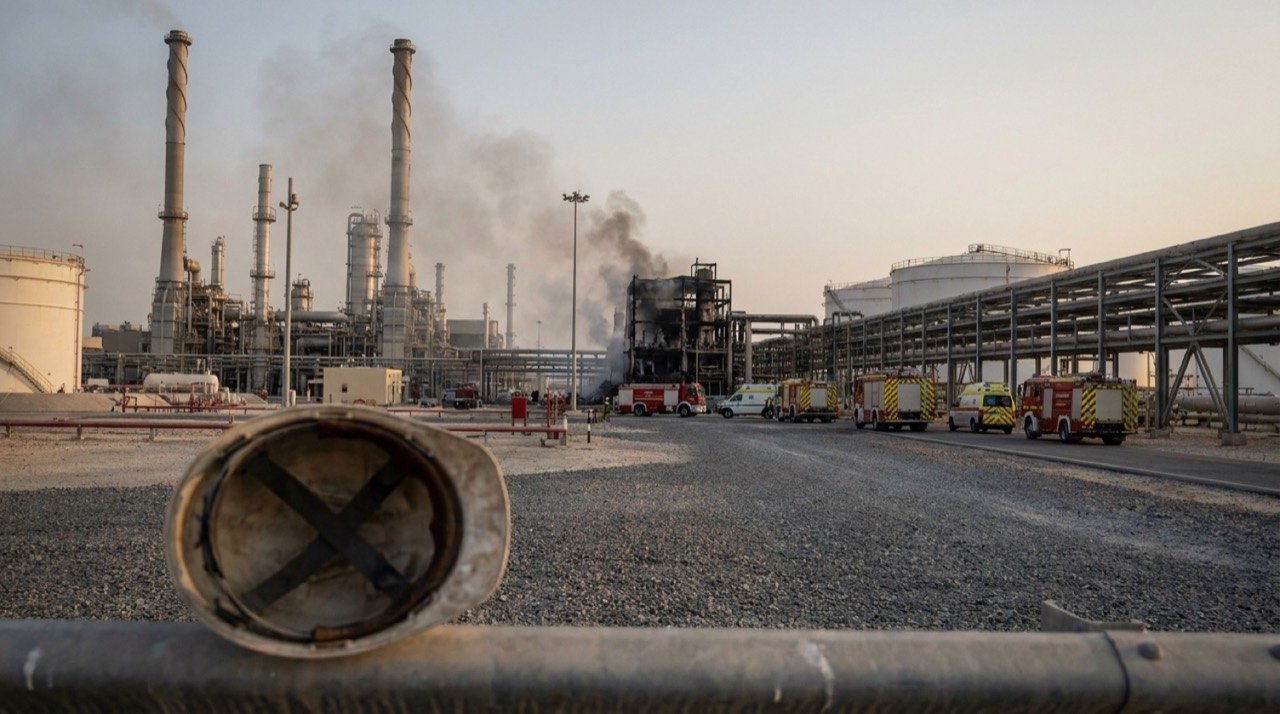
Qatar Emir Calls PM Modi After Ras Laffan Blast Kills 12 Indians
Qatar's Emir telephoned Prime Minister Narendra Modi after an explosion at Ras Laffan Industrial City killed 13 people, including 12 Indian nationals, prompting urgent consular coordination.
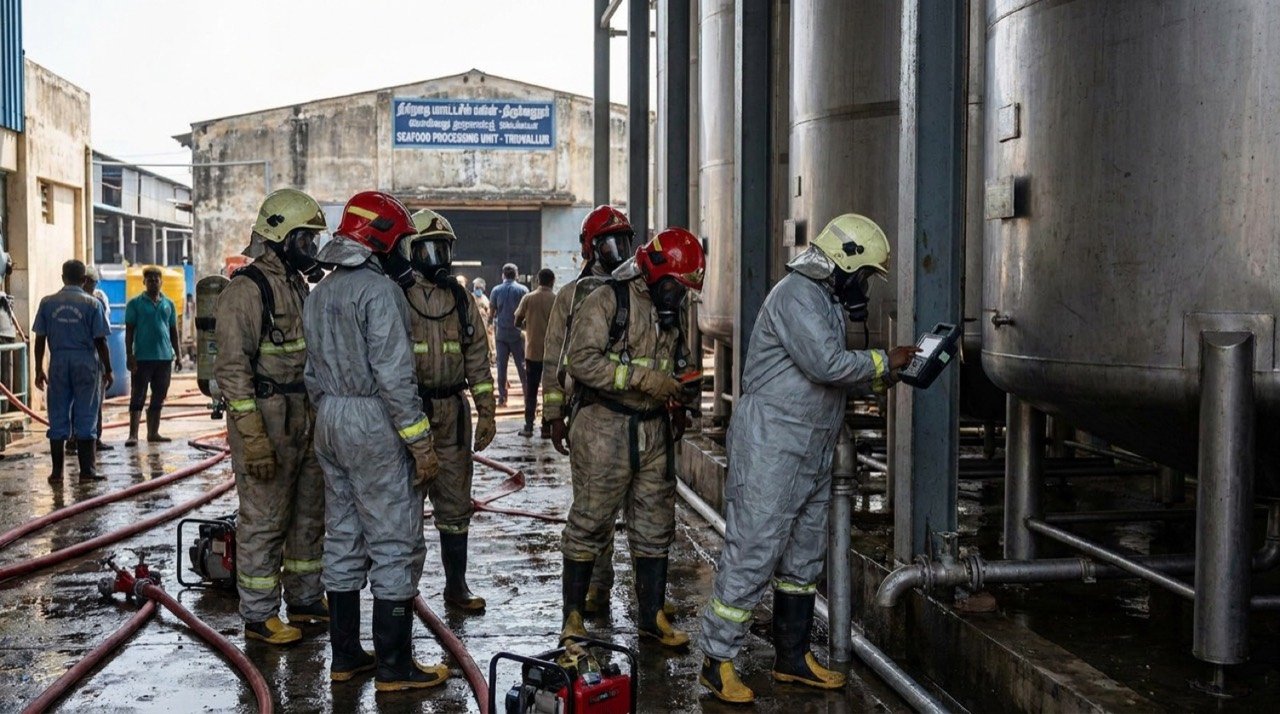
Tamil Nadu Ammonia Leak Toll Rises to Nine, All Women, as Worker Safety Comes Under Scrutiny
Nine women have died in an ammonia gas leak at a Tiruvallur seafood unit in Tamil Nadu, with dozens still in treatment and the NHRC seeking a report, putting industrial safety in sharp focus.
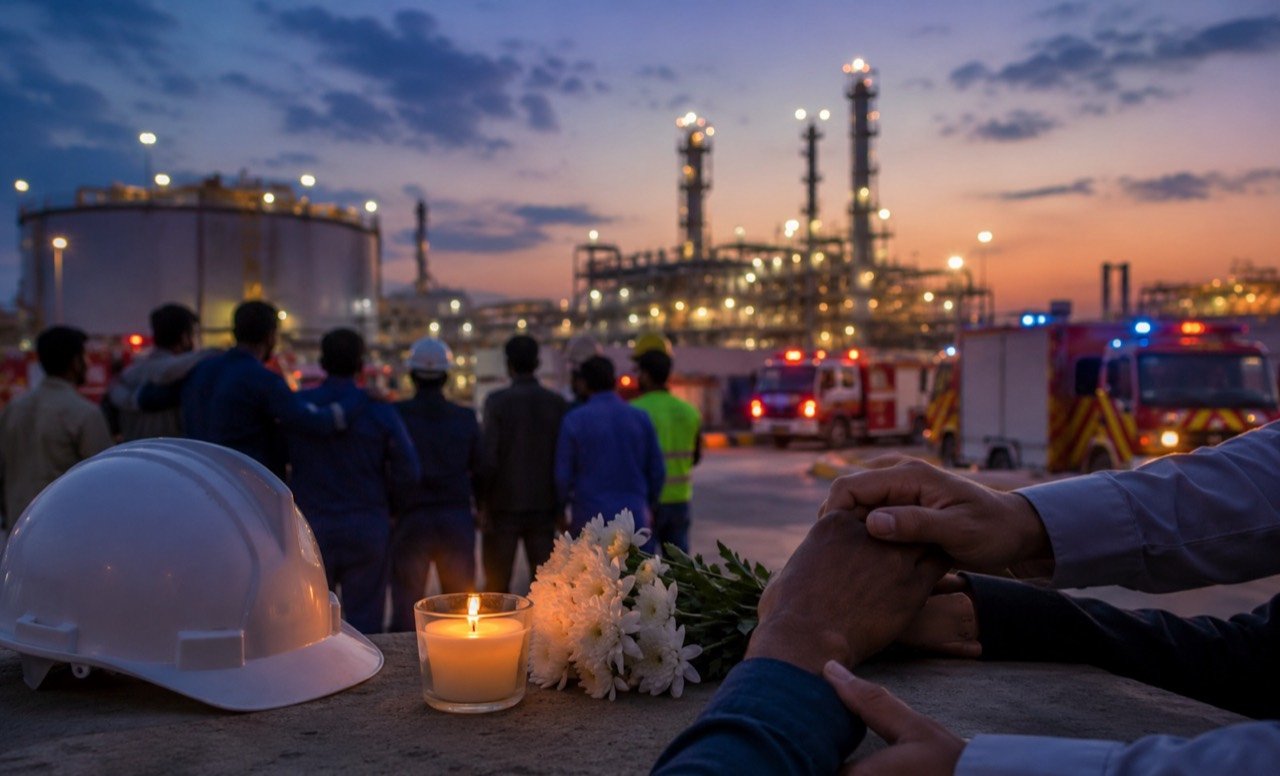
Twelve Indians Killed in Qatar's Ras Laffan Industrial Blast
An explosion at an industrial facility in Qatar's Ras Laffan area has killed 12 Indians and injured 14, renewing concern over migrant worker safety in the Gulf.
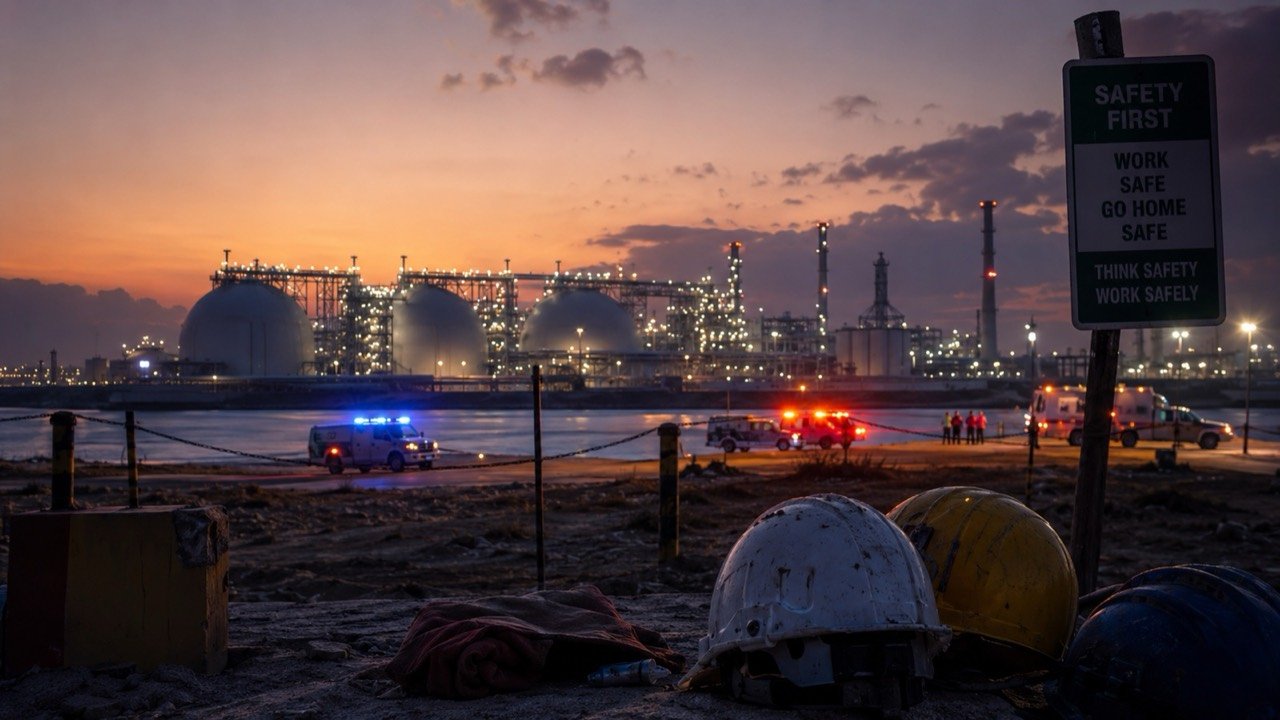
Indians Among Victims as Blast at Qatar's Ras Laffan Gas Complex Kills 13
A deadly explosion and fire at Qatar's Ras Laffan gas complex has killed 13 people and injured 66, with Indian nationals reported among the casualties, raising fresh consular and migrant-safety concerns.
More from this section
More
AICTE Industry Fellowship 2026: Rs 1.5 Lakh Scheme Closes July 5
The AICTE Industry Fellowship Programme 2026, which places technical-education faculty inside leading companies on a Rs 1.5 lakh monthly stipend, reached its application deadline on July 5.
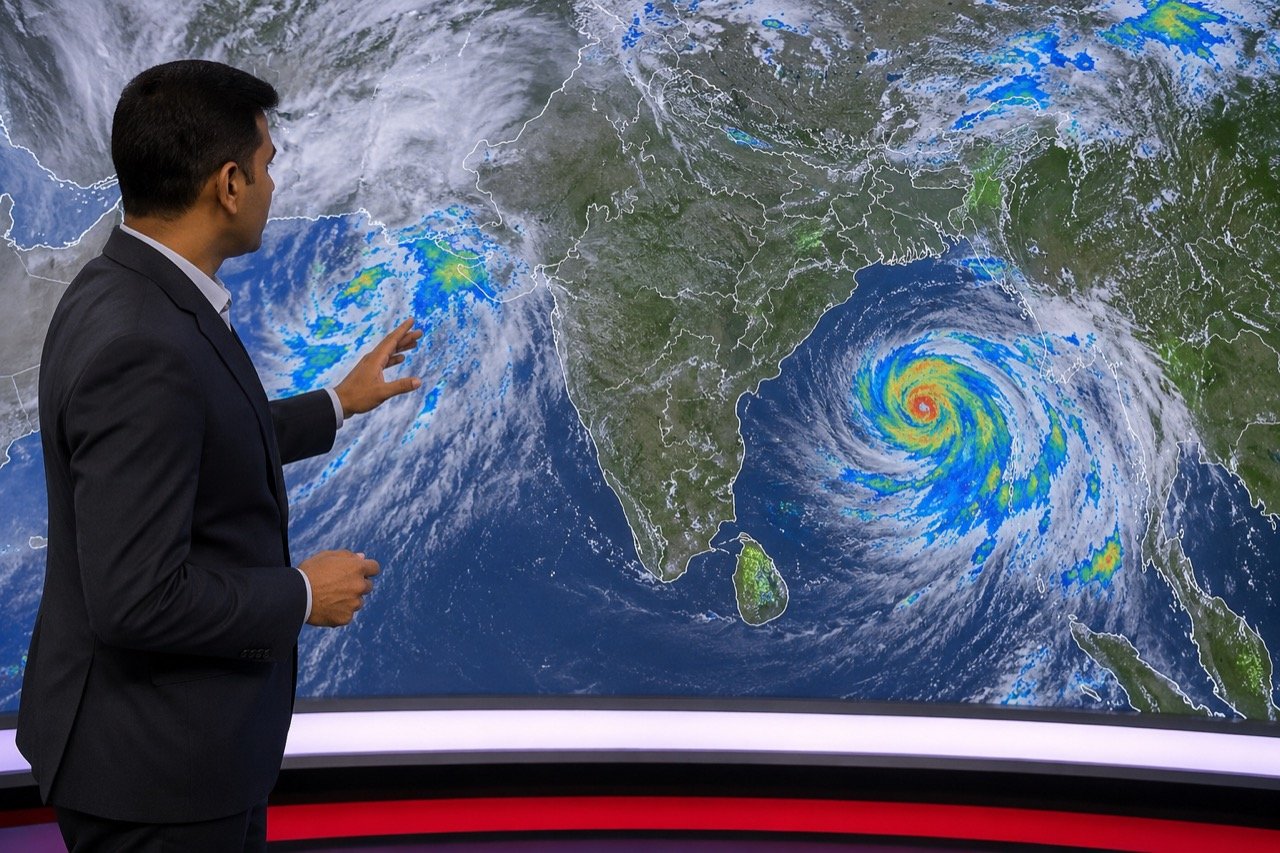
Bay of Bengal Low Pressure System Revives Monsoon Over Western India
A low-pressure system over the Bay of Bengal has pushed the monsoon back into an active phase, bringing steady heavy rain to Kerala, coastal Karnataka and Maharashtra, and putting Mumbai and Pune on preparedness watch.
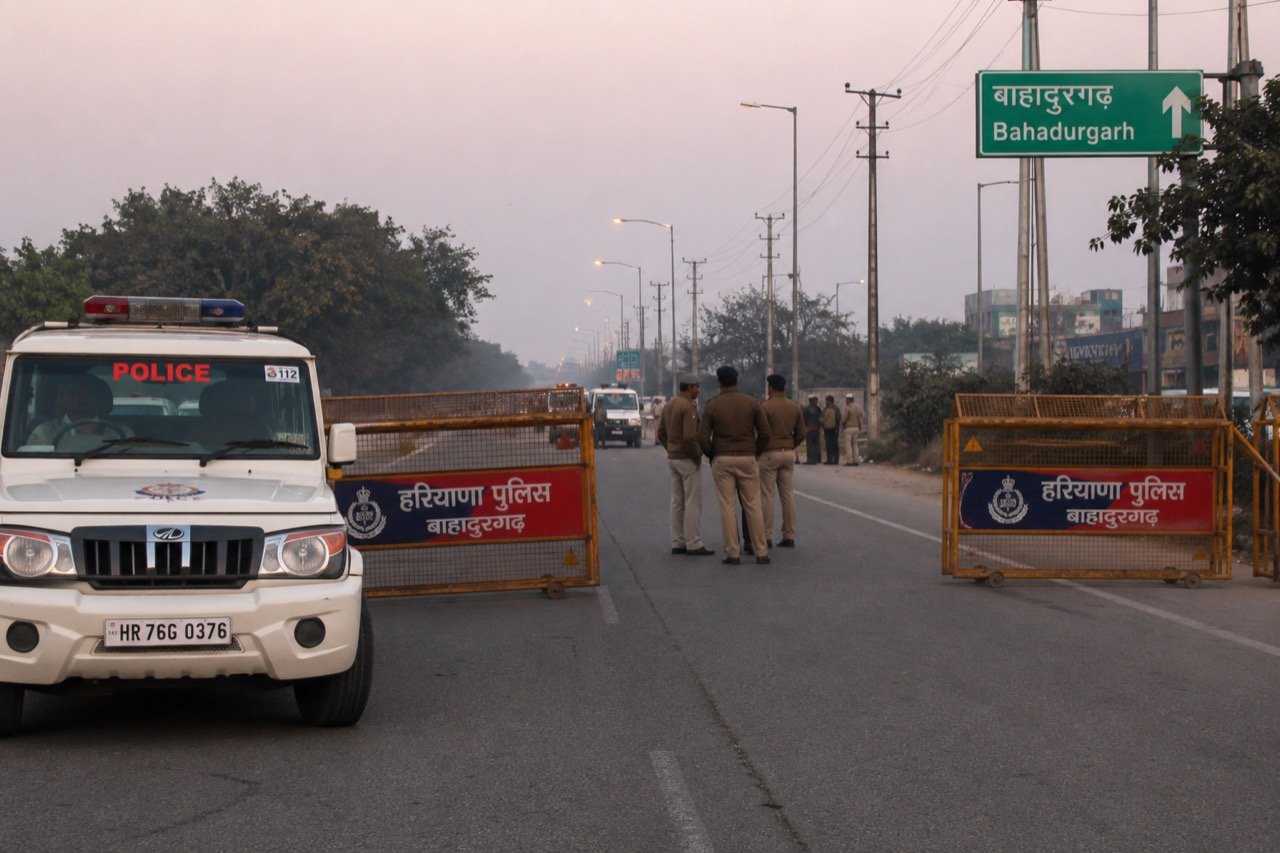
Bishnoi Gang Suspects Injured in Haryana Encounter as Police Tighten Net
A joint Haryana-Delhi Police operation in Bahadurgarh left two suspected Lawrence Bishnoi gang members injured, spotlighting the multi-state coordination now central to India's fight against organised crime networks.