Preity Zinta Deepfake Case: Bombay HC Weighs Celebrity AI Rights
Preity Zinta's petition against AI-generated deepfakes and morphed images has drawn Google and Meta into a Bombay High Court discussion on how fast platforms must remove content that misuses a person's identity.
Commentary & Analysis ·
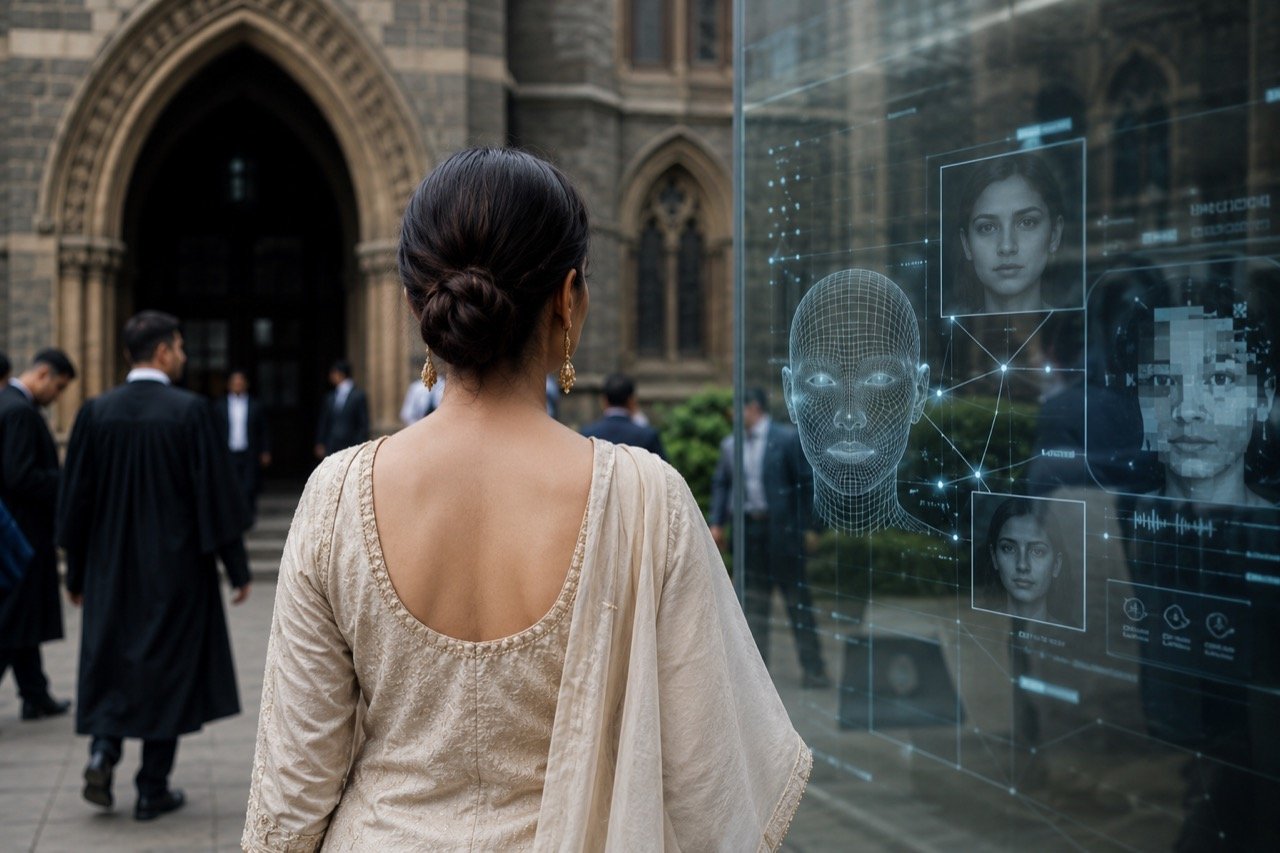
Preity Zinta has taken one of Bollywood's most urgent digital-rights questions to the Bombay High Court: how quickly can platforms be made to remove manipulated content that uses a public figure's identity without consent? The actor's petition targets AI-generated deepfake videos, morphed visuals and other unauthorised material, with Google and Meta drawn into the takedown discussion. The case lands at a moment when synthetic media tools have become cheap, fast and widely accessible, turning what was once a fringe technical curiosity into a routine hazard for anyone with a recognisable face and a public profile.
From outrage to procedure
The court has reportedly asked the platforms for a practical removal plan, which shifts the case from grievance to process. This is a meaningful shift. Petitions of this kind often begin as expressions of anger at a specific violation, but they only acquire lasting value when a court pushes past the individual complaint and asks the parties to produce a workable system. For a working actor, a manipulated video causes damage that is both personal and commercial — distorted public perception, eroded endorsement value, emotional distress and a permanent searchable trail that can resurface years after the original harm. Unlike a defamatory news article, which can at least in theory be corrected or retracted, a convincing deepfake circulates across mirrored uploads, screenshots and re-shares, meaning a single takedown order rarely erases the underlying content from the internet.
For platforms, the case sharpens pressure to prove that notice-and-action systems can respond to synthetic media at internet speed rather than courtroom speed. Google and Meta already operate takedown mechanisms for copyright and some categories of harmful content, but deepfakes present a harder verification problem: assessing whether a video or image is synthetic, and whether it was made without consent, is not always a simple factual check like confirming ownership of a copyrighted song. The court's request for a concrete plan effectively asks the platforms to formalise how they will make that judgment call quickly and consistently, rather than leaving it to ad hoc moderation decisions.
Why Bollywood is especially exposed
Star images are already intensely circulated: a promotion still, red-carpet photograph or social clip can be scraped, altered and redistributed within minutes. The visibility that builds a public brand doubles as raw material for impersonation. Actors and other public figures generate a vast, high-resolution, well-lit archive of their own faces and voices simply by doing their jobs — appearing at premieres, giving interviews, acting in films — and that archive is precisely what deepfake tools need to produce convincing fakes. The very machinery of celebrity, in other words, has become a vulnerability.
Personality rights, once mostly about fake endorsements and unauthorised advertising, now have to contend with a new category of realistic audiovisual deception. Earlier disputes over image rights typically involved a company using a star's photograph to sell a product without permission — a problem with a fairly clear legal remedy. Deepfakes are messier: the harm can be reputational, sexualised, political or purely malicious, and the "product" being sold may be nothing more than clicks, outrage or harassment. That broader range of motive makes it harder to build a single enforcement framework, and it is part of why the Bombay High Court's engagement with this petition is being watched closely.
The unresolved legal questions
The legal questions will outlast this one petition. Courts and regulators must define what counts as prompt action, how complaints are verified, whether repeat uploaders can be restrained, and how likeness can be protected without handing anyone an overbroad censorship tool. Each of these questions carries real trade-offs. A takedown timeline that is too slow leaves harmful content circulating and multiplying through re-uploads; one that is too rigid could be exploited to suppress legitimate content by filing bad-faith complaints. Verification standards that are too loose risk removing lawful material; standards that are too demanding risk letting genuine harms slip through while evidentiary disputes are litigated.
A credible system has to shield people from non-consensual synthetic content while preserving legitimate criticism, satire and public-interest reporting. This balance is not merely theoretical. Indian courts have long had to weigh personality and privacy rights against free expression in other contexts, and the deepfake question simply raises the stakes by adding a technology that can fabricate highly convincing evidence of things that never happened. Any framework that emerges from this case will need to distinguish clearly between malicious impersonation and protected commentary, a line that will likely require case-by-case judicial refinement rather than a single bright-line rule.
What this means for audiences and newsrooms
For audiences, the case is a reminder that a video of a recognisable person is no longer automatic proof of anything. This is a significant cultural shift. For most of the history of photography and video, a recording of a real person doing or saying something was treated as strong evidence that the event occurred. Generative AI erodes that default assumption, and the erosion will not be limited to celebrities — it applies to politicians, businesspeople, and eventually anyone whose image is available online in sufficient quantity.
Newsrooms, fan pages and ordinary users will need stronger verification habits, particularly when sensational clips are framed as leaks or scandal. That means treating unverified viral clips with more scepticism, seeking confirmation from the subject or a credible source before amplifying a claim, and being alert to the tell-tale signs of synthetic media even as those tells become harder to spot. Media literacy of this kind was once a niche concern for fact-checkers; it is becoming a basic requirement for anyone consuming or sharing content online.
The NE Times View
Zinta's petition matters less for the star at its centre than for the precedent it could set. India's deepfake problem is spreading downward — from actors to influencers to ordinary women whose photos are morphed with none of a celebrity's legal firepower — so whatever removal standard the Bombay High Court extracts from Google and Meta will effectively become the template everyone else relies on. Celebrities have the resources, visibility and legal standing to bring cases like this to court; most victims of non-consensual synthetic media do not. That asymmetry is exactly why this case carries weight far beyond the entertainment pages: a well-designed, enforceable standard secured by a public figure with the means to fight for it can become the default protection for people who could never have secured it on their own.
The court should insist on measurable timelines and accountable escalation, not vague assurances. Platforms have historically preferred flexible, discretionary commitments over hard numerical benchmarks, precisely because discretion is easier to manage at scale and harder to hold them to. But vague promises of "prompt action" or "best efforts" have limited value when the harm compounds by the hour. If the gap between creation and correction of synthetic media keeps widening, trust in visual evidence itself becomes the casualty, and that is a cost India's information ecosystem cannot absorb.
Key takeaways
- Preity Zinta's Bombay High Court petition against deepfake and morphed content involving Google and Meta could set a de facto removal standard for synthetic media across India.
- The court's reported request for a practical removal plan shifts the dispute from a personal grievance to a systemic question about platform accountability and response speed.
- Bollywood stars are especially exposed because their heavily circulated public images provide ready raw material for impersonation, but the underlying risk extends to influencers and ordinary citizens.
- Any workable framework must balance rapid takedown of non-consensual synthetic content against protection for legitimate satire, criticism and public-interest reporting.
- The credibility of the eventual standard will depend on measurable timelines and real accountability, since vague assurances do little to contain harm that compounds while content circulates unchecked.
You may also like to read
Preity Zinta Deepfake Plea Puts Celebrity Image Rights on Trial
Preity Zinta's reported Bombay High Court plea against AI deepfakes has reignited Bollywood's digital-safety debate, raising urgent questions about platform takedowns, personality rights and how quickly Indian law can respond to generative media.
Celina Jaitly Credits Preity Zinta for Support in Legal Battle
Celina Jaitly has spoken about how Preity Zinta stood by her during an ongoing legal battle, turning a difficult personal chapter into a story of friendship and resilience under public scrutiny.
Zareen Khan's Paparazzi Confrontation Revives Debate Over Boundaries in Celebrity Coverage
Zareen Khan's firm response to an inappropriate paparazzo remark has gone viral, renewing discussion about consent, dignity and professional limits in celebrity photography.
Pati Patni Aur Panga: The Show That Turned Celebrity Marriages Into a Sport
Reality television has mined almost every human relationship for content. Pati Patni Aur Panga goes after the most exposed one of all — the celebrity marriage — and turns it into a competition.
More from this section
More
72nd National Film Awards: Fans Back Mammootty, Allu Arjun, Sai Pallavi
Speculation around the 72nd National Film Awards is intensifying as fan communities across India's language film industries champion favourites including Mammootty, Allu Arjun and Sai Pallavi ahead of any official announcement.
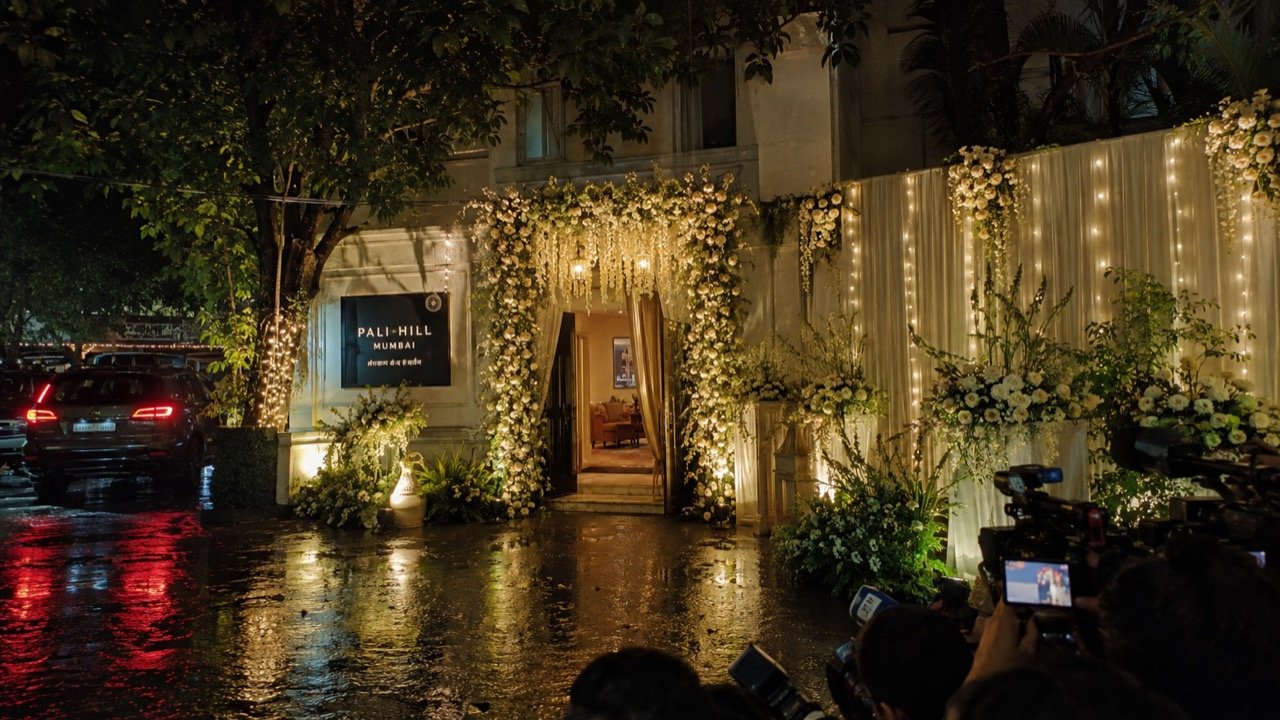
Aamir Khan Marries Gauri Spratt in Private Pali Hill Ceremony
Aamir Khan and Gauri Spratt tied the knot at the actor's Pali Hill home in Mumbai on July 5, turning a deliberately small family ceremony into Bollywood's biggest story of the day.
Akanksha Chamola's Lock Upp 2 Confession Sets Reality TV Abuzz
A personal revelation by Akanksha Chamola ahead of Lock Upp 2 has handed the reality show a viral talking point, underlining how confession-driven formats continue to dominate Indian television conversation.