Parvathy Thiruvothu Flags Contract Gaps Facing Malayalam Cinema Newcomers
Parvathy Thiruvothu's warning that new actors and technicians still work without proper written agreements has reignited debate over contracts, accountability and workplace standards in Malayalam cinema.
Commentary & Analysis ·

Parvathy Thiruvothu has once again turned a routine industry interview into a wider reckoning. Her recent remarks that newcomers in Malayalam cinema are still exploited, and that basic written agreements remain patchy in practice, have pushed the conversation beyond craft and box office to the systems that support the people who actually make films. The timing sharpens the point. Malayalam cinema is enjoying national acclaim for its writing, grounded performances and lean production models. Yet a thriving creative culture, Parvathy's comments suggest, also needs unglamorous infrastructure: clear contracts, defined responsibilities and workplace norms that do not depend on goodwill alone.
What makes the remarks land is precisely their lack of drama. Parvathy is not describing a scandal involving a named production house or a single bad contract. She is describing an absence, the absence of a document that ought to exist before anyone steps on set. That absence is easy to overlook in an industry defined, in public perception, by its scripts, its festival wins and its streaming success. But the working conditions behind a film are a separate question from its artistic merit, and Parvathy's intervention insists that both deserve scrutiny.
Why newcomers carry the most risk
Debut actors, assistant directors and junior technicians typically have the least bargaining power on a set. Many accept verbal assurances in the hope of future work, calculating, often correctly, that raising questions about paperwork could brand them as difficult before their career has even begun. That calculation is itself part of the problem: it is not that newcomers are unaware contracts matter, but that the informal culture of the industry makes asking for one feel like a risk in itself.
Without written terms, disputes over payment, credit, working hours, travel, safety or promotional obligations become nearly impossible to resolve. If a shoot runs long, if a promised credit is dropped, if travel or accommodation costs are not reimbursed as discussed, a newcomer with no documentation has no real recourse beyond appealing to the same production house they depend on for future work. This is a structural weakness rather than a matter of isolated bad actors. Individual producers may be entirely fair in practice, but a system that relies on individual fairness, rather than enforceable terms, will always leave its most vulnerable participants exposed whenever fairness runs short.
A consistent public record
The intervention also fits Parvathy's longer public record. She has been among Indian cinema's most persistent voices on representation, gender equity and workplace dignity, and has not confined her advocacy to headline-grabbing moments. Her latest demand is notably modest in scope: written contracts should simply be normal practice, not a privilege negotiated by stars who already have the standing to insist on one. That modesty is itself pointed. She is not asking for new labour law or a tribunal. She is asking that an industry already capable of drafting elaborate deals for its leading names extend the same basic professionalism downward, to the people with the least power to demand it themselves.
This distinction between what stars can secure and what newcomers are offered is worth sitting with. A prominent actor's contract will typically specify fees, billing order, shooting schedules and a long list of protections, because that actor's team has the leverage to negotiate them. A debutant, by contrast, may be handed nothing more than a verbal understanding, and told that is simply how things are done. Parvathy's comments effectively ask why an industry can manage complexity at the top of its hierarchy but not basic clarity at the bottom of it.
Growth brings scrutiny
As Malayalam films reach wider audiences through streaming platforms, festivals and national releases, more money and more professional expectations follow. An industry competing on a global stage will find its production practices judged by broader standards too, standards set not only by audiences but by streaming platforms, co-producers and international festival circuits that increasingly expect documented, auditable production practices as a condition of partnership. That makes newcomer protection an industry-development issue as much as an ethical one. A production culture that cannot guarantee basic contractual clarity risks appearing amateurish precisely at the moment it is being taken most seriously on the world stage.
Many production houses already work fairly, and it would be a mistake to read Parvathy's comments as an indictment of the entire industry. The problem, rather, is that uneven standards hurt those least able to complain. A newcomer has no way of knowing, before signing on, whether a given production will honour its verbal promises or not, because there is no baseline they can point to and no enforceable minimum they can insist upon. Inconsistency, not universal malpractice, is the core failure being described.
What normalising contracts would actually change
The practical fix Parvathy is gesturing toward is neither radical nor expensive: a standard written agreement, issued to every hire regardless of seniority, that spells out payment terms, credit, working hours, safety obligations and promotional duties before work begins. Such documents already exist for senior cast and crew; extending them downward would not require inventing new legal instruments, only applying existing ones more broadly and consistently.
The benefit would not be confined to newcomers alone. Clear contracts also protect production houses, by setting expectations that reduce the likelihood of disputes escalating into public disagreements or delays. An industry that documents its working relationships is, in a basic sense, a more efficient one, better able to plan, budget and resolve disagreements quickly rather than through informal pressure or reputational threats. Seen this way, contractual normalisation is not a burden imposed on producers but a form of institutional maturity that benefits everyone with a stake in a production's smooth completion.
The NE Times View
Parvathy Thiruvothu is asking for something so basic it is striking the request still needs making: paperwork. India's regional film industries have long run on trust, hierarchy and personal networks, and that informality has been romanticised even as it left the youngest and poorest participants exposed. The same culture that produces close-knit, collaborative sets can also produce silence around unfair treatment, because raising a grievance means challenging the very relationships a newcomer's career depends on.
If Malayalam cinema wants its new golden age to last, standard contracts for every hire should be treated as part of production quality, not an optional courtesy extended at a producer's discretion. An industry that has proven it can compete internationally on craft has little excuse for lagging on something as elementary as documentation. Audiences celebrate the films; the industry owes the same care to the people behind them, whose working conditions do not appear on screen but shape, directly, what is possible to make and who gets to keep making it.
Key takeaways
- Parvathy Thiruvothu's remarks highlight that newcomers in Malayalam cinema often lack written contracts, leaving disputes over pay, credit, hours and safety unresolved.
- The absence of contracts is a structural weakness tied to newcomers' weak bargaining power, not merely a case of isolated bad actors.
- Her demand is deliberately modest: normalising written agreements as standard practice for all hires, not just stars who can already negotiate them.
- As Malayalam cinema gains international visibility through streaming and festivals, uneven production practices risk undermining the industry's growing global standing.
- Extending existing contractual practices to every hire would benefit newcomers and production houses alike by reducing disputes and improving industry professionalism.
You may also like to read
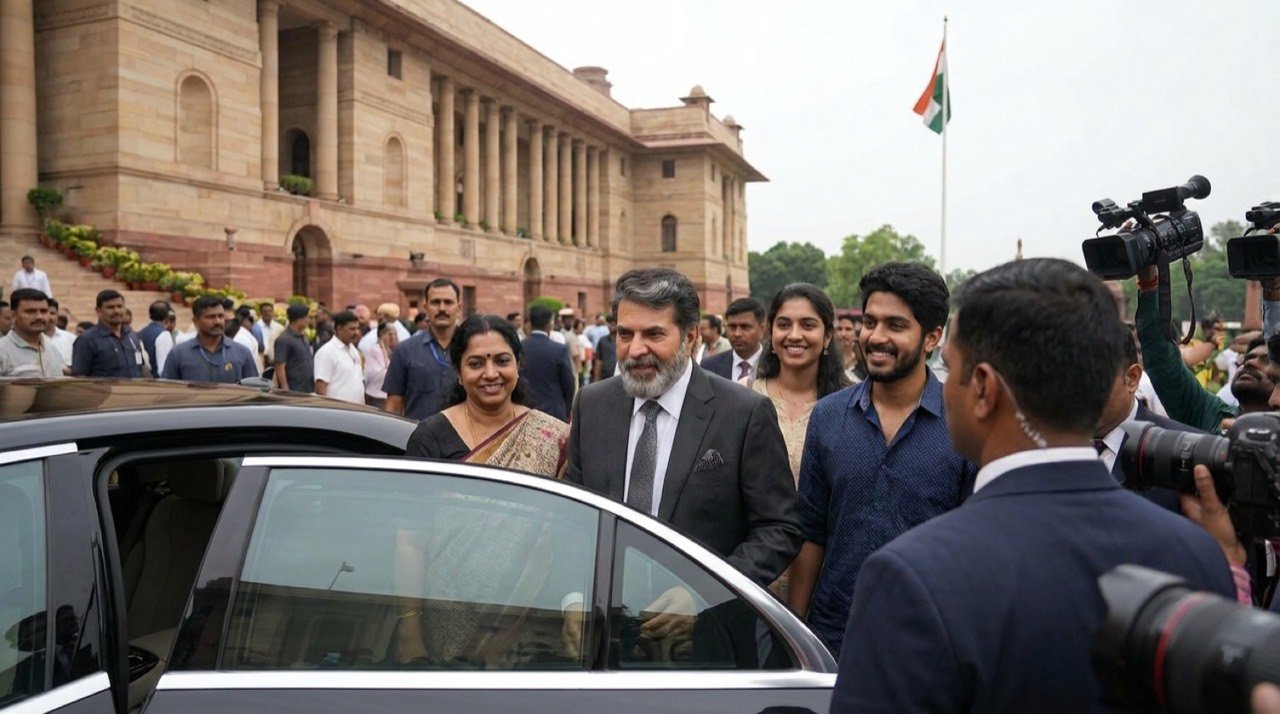
Mammootty Receives Padma Bhushan in Salute to Indian Cinema
Veteran Malayalam superstar Mammootty arrived in New Delhi with his family for the Padma Bhushan ceremony at Rashtrapati Bhavan, capping more than four decades across India's film languages.
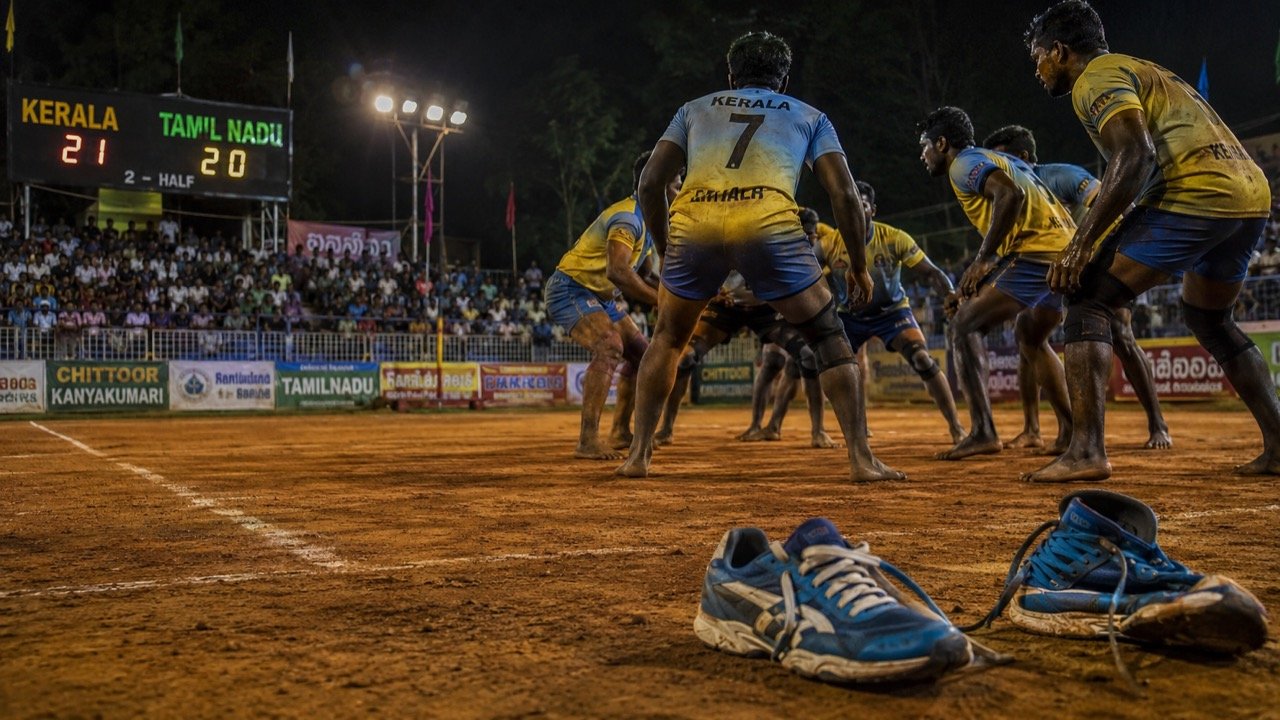
Balti OTT Release: Shane Nigam's Malayalam Kabaddi Drama Hits Streaming
Balti, the Malayalam sports-crime drama starring Shane Nigam and Shanthanu Bhagyaraj, has confirmed its OTT release plan, giving the kabaddi-centred border-region story a second shot at finding its audience online.

I'm Game: Dulquer Salmaan's Malayalam Homecoming Locks an Onam Release After a Marathon Shoot
The actor returns to his home industry for the first time since King of Kotha in a gangster action thriller directed by Nahas Hidhayath, with the film wrapped and bound for an August festival window.

Kireedam Restored Re-Release: Mohanlal Classic Returns in July
Mohanlal's landmark film Kireedam is set to return to theatres in restored form this July, reinforcing India's growing appetite for classic cinema presented with upgraded picture and sound.
More from this section
More
72nd National Film Awards: Fans Back Mammootty, Allu Arjun, Sai Pallavi
Speculation around the 72nd National Film Awards is intensifying as fan communities across India's language film industries champion favourites including Mammootty, Allu Arjun and Sai Pallavi ahead of any official announcement.

Aamir Khan Marries Gauri Spratt in Private Pali Hill Ceremony
Aamir Khan and Gauri Spratt tied the knot at the actor's Pali Hill home in Mumbai on July 5, turning a deliberately small family ceremony into Bollywood's biggest story of the day.

Akanksha Chamola's Lock Upp 2 Confession Sets Reality TV Abuzz
A personal revelation by Akanksha Chamola ahead of Lock Upp 2 has handed the reality show a viral talking point, underlining how confession-driven formats continue to dominate Indian television conversation.