Mumbai's C.O.R.E Festival Signals India's Booming Fandom Economy
Gaming, anime, films, cosplay and creators converged at Mumbai's C.O.R.E festival, underlining how India's fans are turning online passions into a paid, in-person pop-culture business.
Commentary & Analysis ·
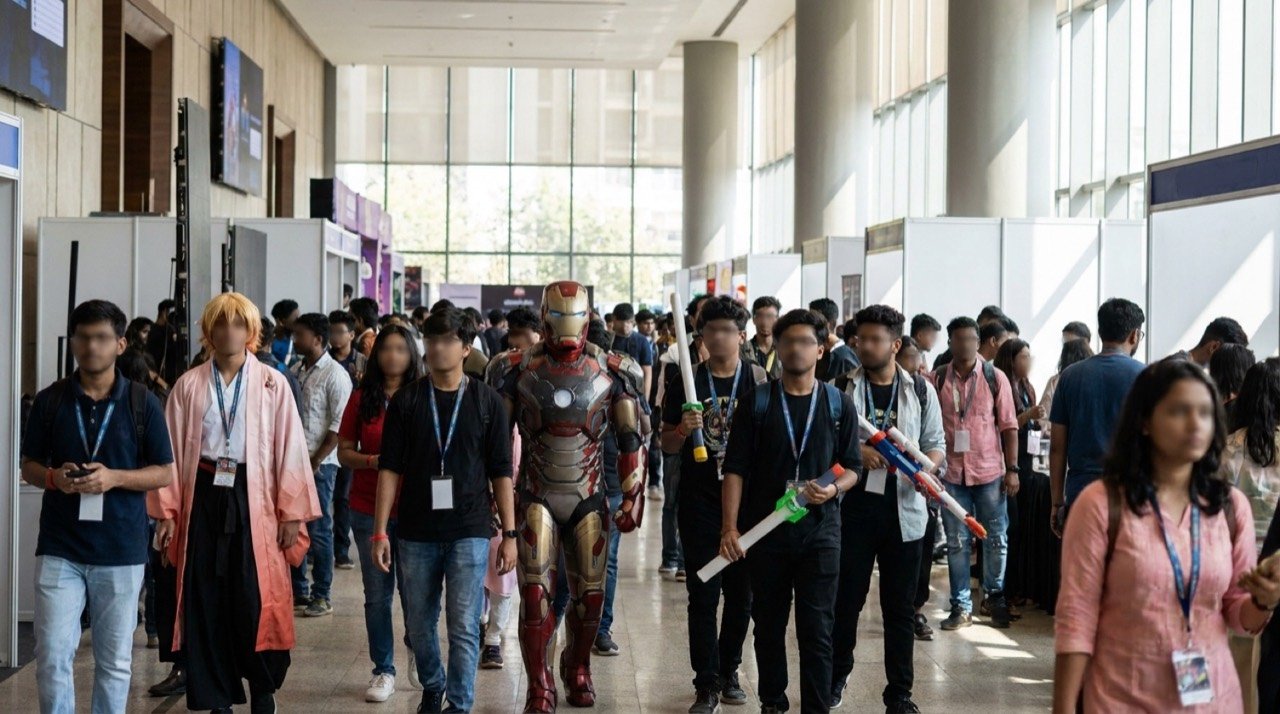
For two days in June, the Jio World Convention Centre in Mumbai became a single, sprawling shrine to fandom. The Culture Of Real Experiences festival, branded as C.O.R.E, pulled gaming, anime, films, cosplay and the country's fast-growing creator communities under one roof, drawing crowds that signalled something larger than a weekend event. The June 20-21 gathering offered a snapshot of how Indian pop culture is maturing into a structured, ticketed business with real economic weight.
From screens to shared spaces
The most striking shift on display was behavioural. For years, Indian fans consumed films, games and shows largely alone and online, scattered across streaming platforms and social feeds. C.O.R.E reflected a different impulse: the desire to gather in person, in curated spaces that blend live performance, merchandise stalls and the simple pleasure of being among people who share the same obsessions.
That move from passive viewing to participatory experience is the engine of a modern fandom economy. When fans pay to attend, queue for panels, buy collectibles and dress as their favourite characters, they convert affection into spending, and convert isolated audiences into communities that can be served, scaled and monetised.
A converging pop-culture marketplace
What distinguished C.O.R.E was its deliberate convergence. Rather than catering to a single niche, it placed gaming alongside anime, cinema alongside cosplay, and established entertainment names alongside independent creators. This cross-pollination matters because it reflects how younger Indian audiences actually consume culture, fluidly and across formats, rather than in neat, separate categories.
For brands, studios and creators, that convergence is an opportunity. A single event can reach gamers, anime enthusiasts, film buffs and content followers at once, making such festivals attractive platforms for launches, collaborations and sponsorships.
Why this is now a business category
Industry voices behind the festival have argued that the appetite for fandom has never been bigger, and the data of attendance and engagement appears to back the claim. As India's urban middle class spends more on experiences, fandom is shifting from a hobby to a recognised commercial segment with its own venues, vendors and revenue streams.
- C.O.R.E combined gaming, anime, films, cosplay and creators in one event.
- Held over June 20-21 at Mumbai's Jio World Convention Centre.
- Fans increasingly pay for curated, in-person experiences.
- Convergence of niches reflects how young Indians consume culture.
- Fandom is emerging as a mainstream business category in India.
“The appetite for fandom has never been bigger.”
— Bhavik Vora, co-founder of C.O.R.E
Whether C.O.R.E becomes an annual fixture or a template copied across other metros, its message is clear. India's fandom economy is no longer a fringe curiosity but a maturing market, and events that can host its passions, performances and purchases are likely to multiply in the seasons ahead.
The NE Times View
India's fandom economy is real money, not a niche, and C.O.R.E captures a generation monetising passions that an older establishment still dismisses as distraction. The opportunity is domestic intellectual property and creator livelihoods; the danger is that without studios and platforms investing locally, Indian fans simply pay rent to foreign franchises. Culture follows where the creators are backed.
This article is original commentary and analysis by The NE Times. Background facts were referenced from The Times of India and Bombay Times.
You may also like to read
Chandrachur Singh Confronts Officials Over Demolished Home Ramp
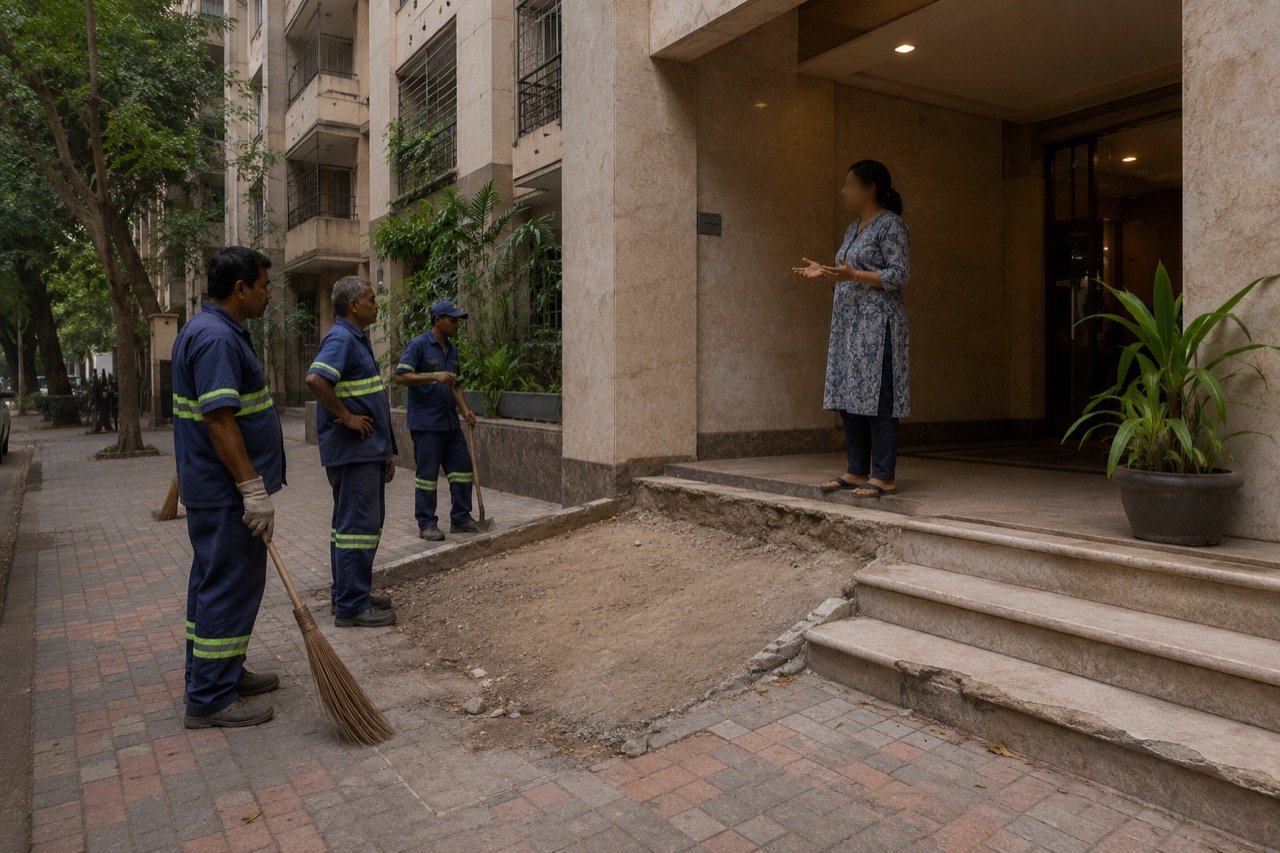
Actor Chandrachur Singh has publicly questioned municipal officials after a ramp outside his home was demolished, turning a routine civic action into a wider conversation about urban governance and resident rights.
Lollapalooza India 2026 Locks Its Lineup With Global Headliners And A Deep Homegrown Bill
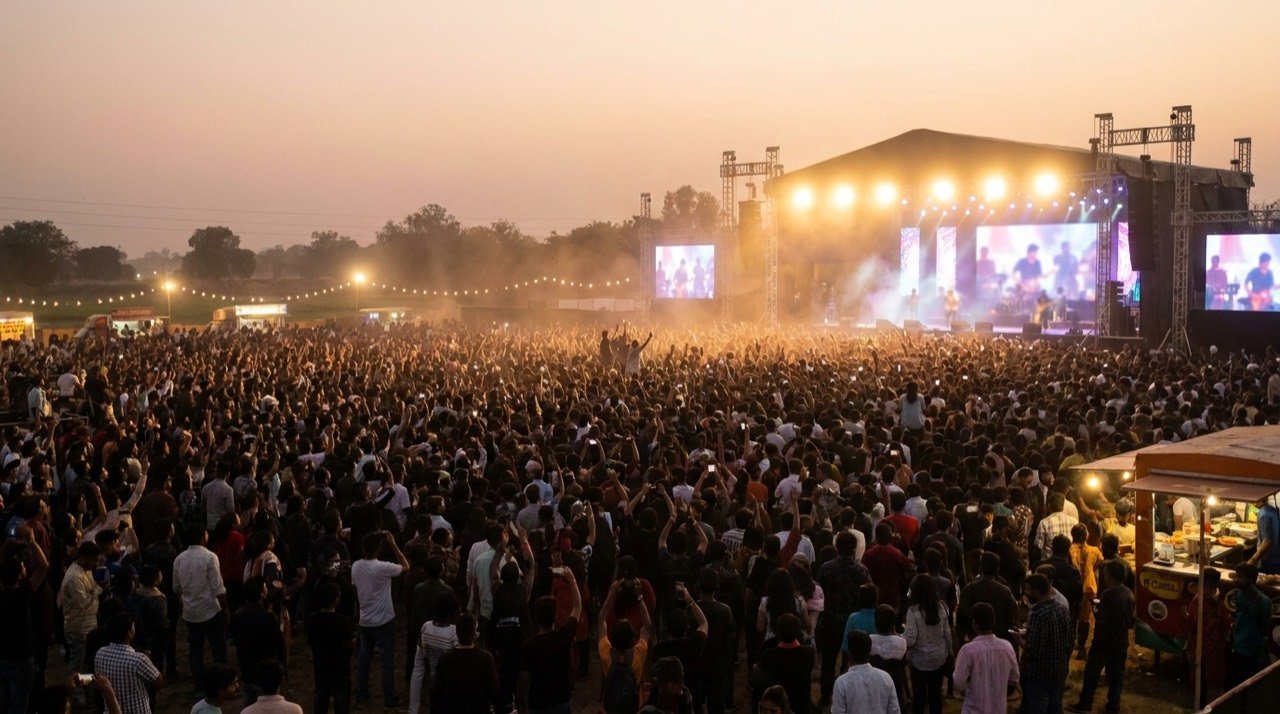
The fourth Indian edition of Lollapalooza has firmed up its January lineup at Mumbai's Mahalaxmi Race Course, blending big international headliners with a wide roster of homegrown acts.

Taylor Swift and Travis Kelce Wedding Buzz Hits Fever Pitch as June Date Reports Swirl
Reports place a Taylor Swift-Travis Kelce wedding in mid-June 2026, complete with an iron-clad guest NDA, though neither star has officially confirmed the date or venue.
Rani Mukerji to Receive Honorary Doctor of Letters at Indian Film Festival of Melbourne 2026
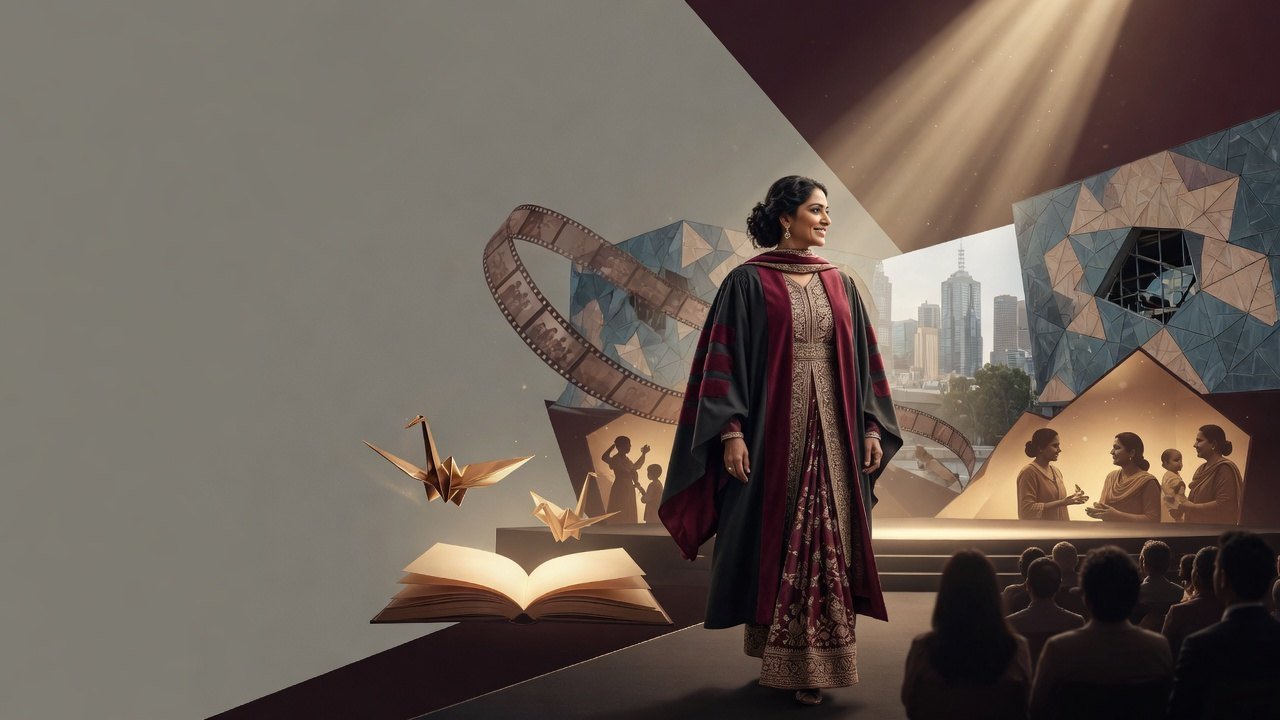
La Trobe University will confer an Honorary Doctor of Letters on Rani Mukerji at IFFM 2026, recognising her cinema career and advocacy through socially engaged roles.
More from this section
More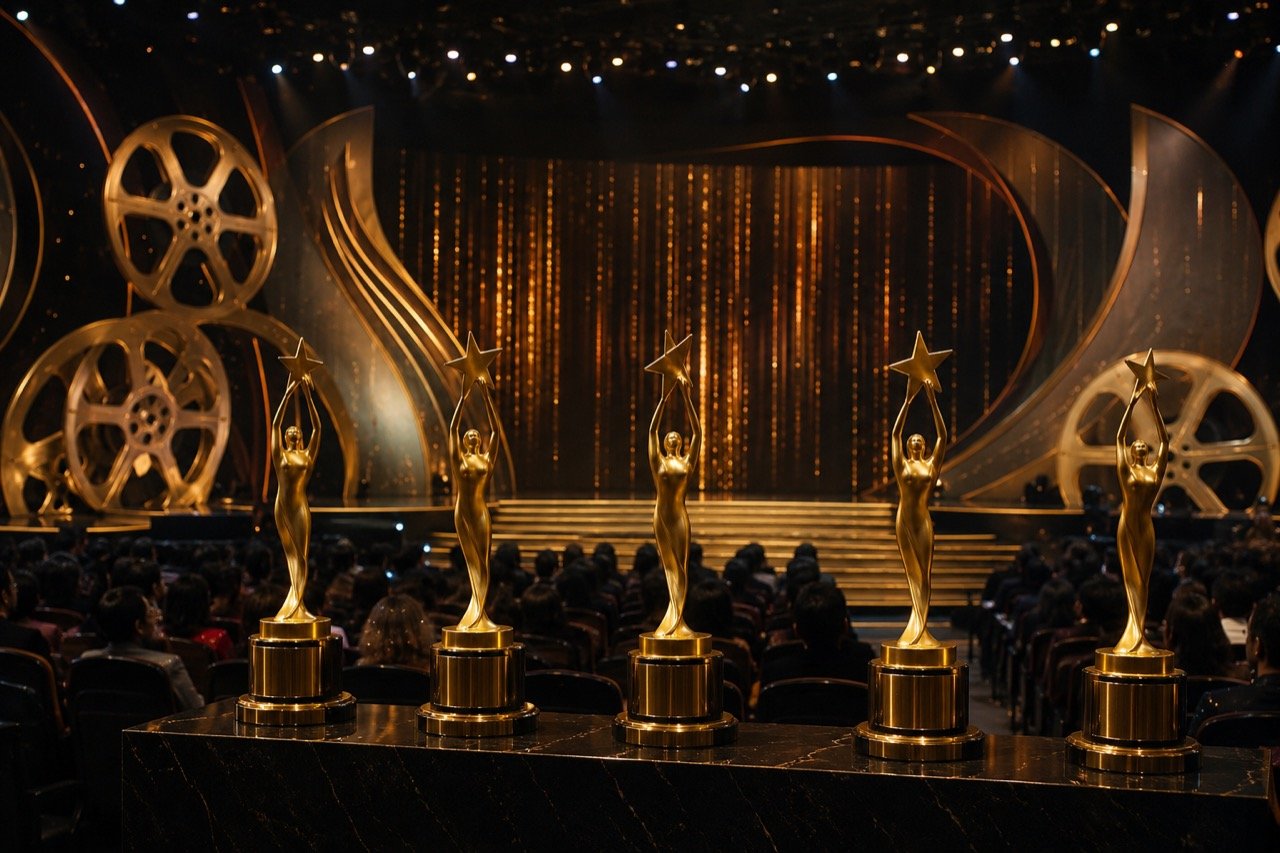
72nd National Film Awards: Fans Back Mammootty, Allu Arjun, Sai Pallavi
Speculation around the 72nd National Film Awards is intensifying as fan communities across India's language film industries champion favourites including Mammootty, Allu Arjun and Sai Pallavi ahead of any official announcement.
Aamir Khan Marries Gauri Spratt in Private Pali Hill Ceremony
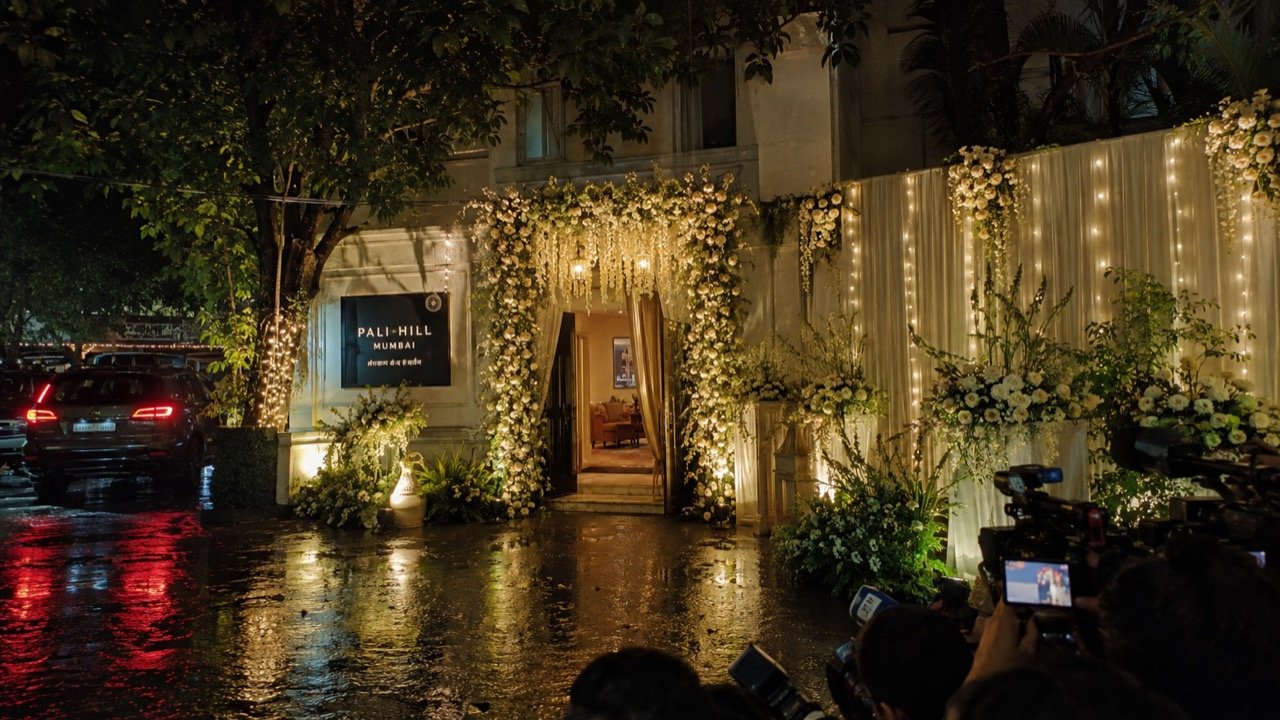
Aamir Khan and Gauri Spratt tied the knot at the actor's Pali Hill home in Mumbai on July 5, turning a deliberately small family ceremony into Bollywood's biggest story of the day.

Akanksha Chamola's Lock Upp 2 Confession Sets Reality TV Abuzz
A personal revelation by Akanksha Chamola ahead of Lock Upp 2 has handed the reality show a viral talking point, underlining how confession-driven formats continue to dominate Indian television conversation.