Six New Bills, Disaster Law Overhaul Headline Parliament's Monsoon Session
The government is preparing six fresh bills, including an amendment to the disaster management law and a new aviation statute, for a monsoon session set to run from 21 July to 12 August.
Commentary & Analysis ·
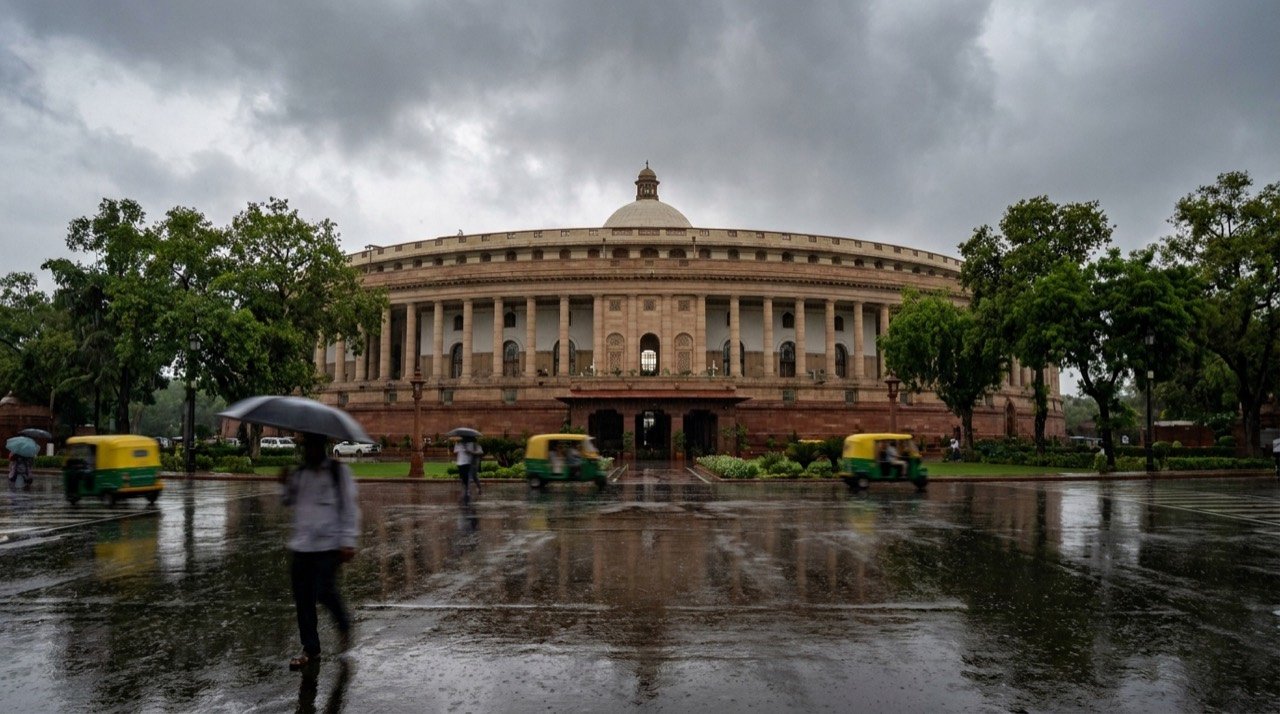
The Union government has begun assembling the legislative agenda for the monsoon session of Parliament, lining up six new bills spanning disaster management, aviation, industrial safety and farm commodities, as it eyes a fresh push on economic and administrative reforms. The breadth of the slate suggests an administration keen to be seen clearing decks on multiple fronts at once, from climate resilience to colonial-era statute reform, even as the political temperature in the House is expected to remain high.
The bills on the table
Among the headline measures is a bill to amend the disaster management law, a timely focus given the flash floods and landslides already striking the northeast and Himalayan states this monsoon. That timing is unlikely to be lost on anyone watching the session unfold: legislating on disaster preparedness while disasters are actively occurring in the very regions most exposed to them lends the bill an urgency that purely administrative reforms rarely carry. For the northeast in particular, where flash floods and landslides are recurring seasonal hazards rather than rare shocks, the substance of this amendment will matter more than its symbolism.
The government also plans the Bhartiya Vayuyan Vidheyak to replace the colonial-era Aircraft Act of 1934, and the Boilers Bill to retire another pre-independence statute. Both moves fit a pattern this government has followed in other domains, replacing century-old British-era laws with legislation that carries Indian nomenclature and, in theory, is better suited to contemporary industrial and aviation realities. Two commodity-focused measures, the Coffee (Promotion and Development) Bill and the Rubber (Promotion and Development) Bill, round out the slate, reflecting an effort to modernise plantation-sector regulation. These bills matter to a narrower but economically significant constituency of growers and processors, and their inclusion alongside more headline-grabbing measures shows the government is not neglecting sector-specific reform even amid a crowded agenda.
Parliamentary affairs officials have framed the package as part of a broader drive to clear obsolete laws and ease compliance, a framing that has become a familiar refrain in recent sessions. The pitch of decluttering the statute book and reducing the compliance burden on citizens and businesses is politically convenient because it is difficult to oppose in principle, even when the actual content of individual bills proves contentious in practice.
Dates and budget
Minister for Parliamentary Affairs Kiren Rijiju indicated the session would run from 21 July to 12 August, with Finance Minister Nirmala Sitharaman scheduled to present the Union Budget on 23 July. That places the Budget just two days into the session, meaning the early days of Parliament will be dominated by fiscal debate and economic priority-setting before attention turns to the individual bills queued behind it. The government's stated priorities include boosting growth, attracting investment, strengthening the financial sector and improving the ease of doing business, a set of goals that will inevitably be read through the lens of the Budget's specific allocations and announcements once they are known.
The compressed calendar, three weeks in total, means the Budget session dynamics and the legislative agenda will effectively run in parallel rather than in sequence. Committees, ministries and the opposition will all be working against the same clock, which raises the practical question of how much scrutiny six separate bills, several touching on technical or safety-critical subject matter, can realistically receive.
A contested floor ahead
The session is likely to be combative. The government is also expected to revisit politically charged proposals, including a reintroduction of delimitation-linked legislation that southern states have strongly opposed. Delimitation remains one of the most sensitive fault lines in Indian federal politics, since any recalibration of parliamentary seats tied to population change is seen by southern states as penalising them for successful population control while rewarding larger, faster-growing northern states. Reintroducing this issue alongside a packed legislative slate all but guarantees that floor time will be contested, and that opposition parties will use procedural tools to slow or spotlight the debate.
With the opposition INDIA bloc signalling resistance on several fronts, the disaster management and economic reform bills will test the treasury benches' ability to manage numbers and steer debate through a crowded calendar. Managing six bills, a Budget, and a politically explosive delimitation debate within three weeks is as much a test of parliamentary management and whip discipline as it is of policy design. Any slippage on one front, whether a walkout, a disrupted sitting, or a stalled committee referral, could cascade and squeeze the time available for the remaining items.
Why the disaster management bill carries particular weight
Of the six bills, the disaster management amendment arguably carries the most immediate real-world stakes. Legal frameworks for disaster response shape everything from how quickly funds can be released to affected states, to how clearly responsibilities are divided between central and state authorities, to how post-disaster reconstruction is planned and audited. With flash floods and landslides already active in the northeast and Himalayan states as the bill is being drafted, there will be a natural temptation for the government to point to on-ground events as validation of the need for reform. But the same live crisis also means the bill's provisions can be tested almost immediately against the realities they are meant to address, leaving little room for the gap between legislative intent and field-level execution to go unnoticed.
Stakeholders in disaster-prone states will be watching closely for whether the amendment strengthens local and state-level authority to act quickly, or whether it centralises further decision-making in New Delhi. Given the recurring nature of monsoon disasters in the northeast, any changes to funding mechanisms, response timelines or institutional accountability will have consequences well beyond this single session.
The NE Times View
A six-bill agenda squeezed into a three-week window is ambitious, but volume is not the same as scrutiny. The disaster-management overhaul is overdue given India's worsening climate shocks, yet rushing it through a compressed session risks producing law that looks decisive on paper and proves toothless in the field. The same caution applies, in different measure, to the aviation and boilers bills, both of which touch on safety-critical regulation where poorly drafted provisions can have consequences far beyond the legislative calendar. Watch whether these bills go to committee or get rammed through amid the usual din. The presence of the delimitation issue alongside this agenda only raises the odds that floor time will be consumed by political confrontation rather than substantive debate on the very measures, particularly disaster management, that arguably deserve it most.
Key takeaways
- Six bills are planned for the monsoon session, covering disaster management, aviation, boilers, and plantation-sector commodities (coffee and rubber).
- The disaster management law amendment arrives amid active flash floods and landslides in the northeast and Himalayan states, giving it unusual real-time relevance.
- The session runs from 21 July to 12 August, with the Union Budget to be presented by Nirmala Sitharaman on 23 July, just two days in.
- A likely reintroduction of delimitation-linked legislation, opposed by southern states, threatens to dominate floor time and complicate passage of the other bills.
- The key question to watch is whether the disaster management and other technical bills receive genuine committee scrutiny or are pushed through quickly amid political confrontation.
You may also like to read
Centre Lines Up Six New Bills for Monsoon Session as Crowded Legislative Agenda Takes Shape
The Union government is preparing a packed monsoon session of Parliament, slating six fresh bills alongside the Finance Bill and a high-stakes return of the delimitation legislation in late July.
Parliament Monsoon Session Set For July 21 To August 12 With Heavy Legislative Load
Parliamentary Affairs Minister Kiren Rijiju has confirmed the 2026 monsoon session will run from July 21 to August 12, with the government lining up a crowded bills agenda for both Houses.
Parliament's Monsoon Session to Take Up Key Economic and Welfare Bills
Lawmakers return to a packed legislative agenda, with debate expected on data-protection rules, labour codes and a fresh welfare push ahead of state polls.

Kerala's New UDF Government Faces Its First Monsoon Test Under Satheesan
Weeks after ending two terms of LDF rule, Chief Minister V. D. Satheesan's United Democratic Front administration is steering the state through an active southwest monsoon while settling into power.
More from this section
More
AICTE Industry Fellowship 2026: Rs 1.5 Lakh Scheme Closes July 5
The AICTE Industry Fellowship Programme 2026, which places technical-education faculty inside leading companies on a Rs 1.5 lakh monthly stipend, reached its application deadline on July 5.
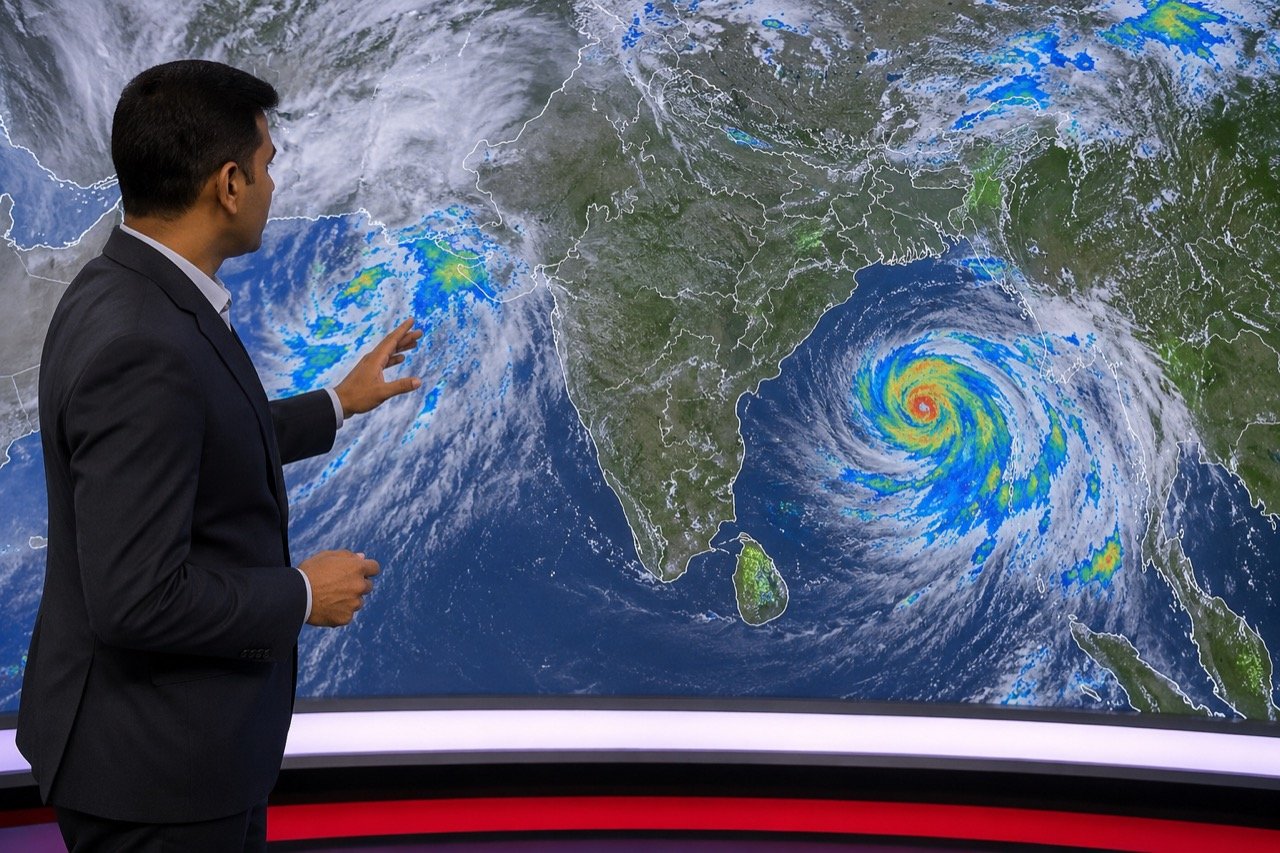
Bay of Bengal Low Pressure System Revives Monsoon Over Western India
A low-pressure system over the Bay of Bengal has pushed the monsoon back into an active phase, bringing steady heavy rain to Kerala, coastal Karnataka and Maharashtra, and putting Mumbai and Pune on preparedness watch.
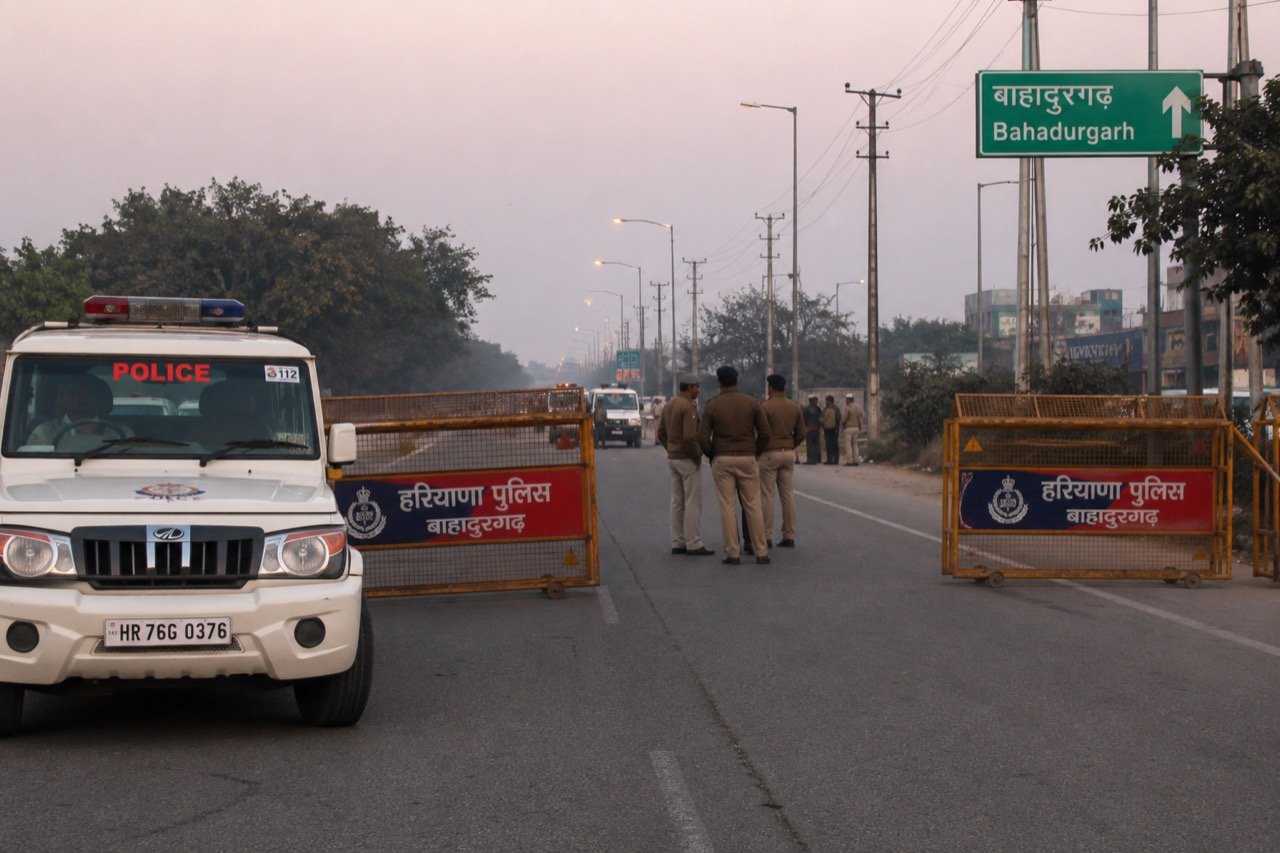
Bishnoi Gang Suspects Injured in Haryana Encounter as Police Tighten Net
A joint Haryana-Delhi Police operation in Bahadurgarh left two suspected Lawrence Bishnoi gang members injured, spotlighting the multi-state coordination now central to India's fight against organised crime networks.