Monsoon Deficit Triggers Farm Contingency Mapping Across 315 Districts
A weak June monsoon, with the rain deficit reported at 43 percent, has pushed the Centre to map 315 districts for contingency measures and tighten oversight of kharif sowing.
Commentary & Analysis ·
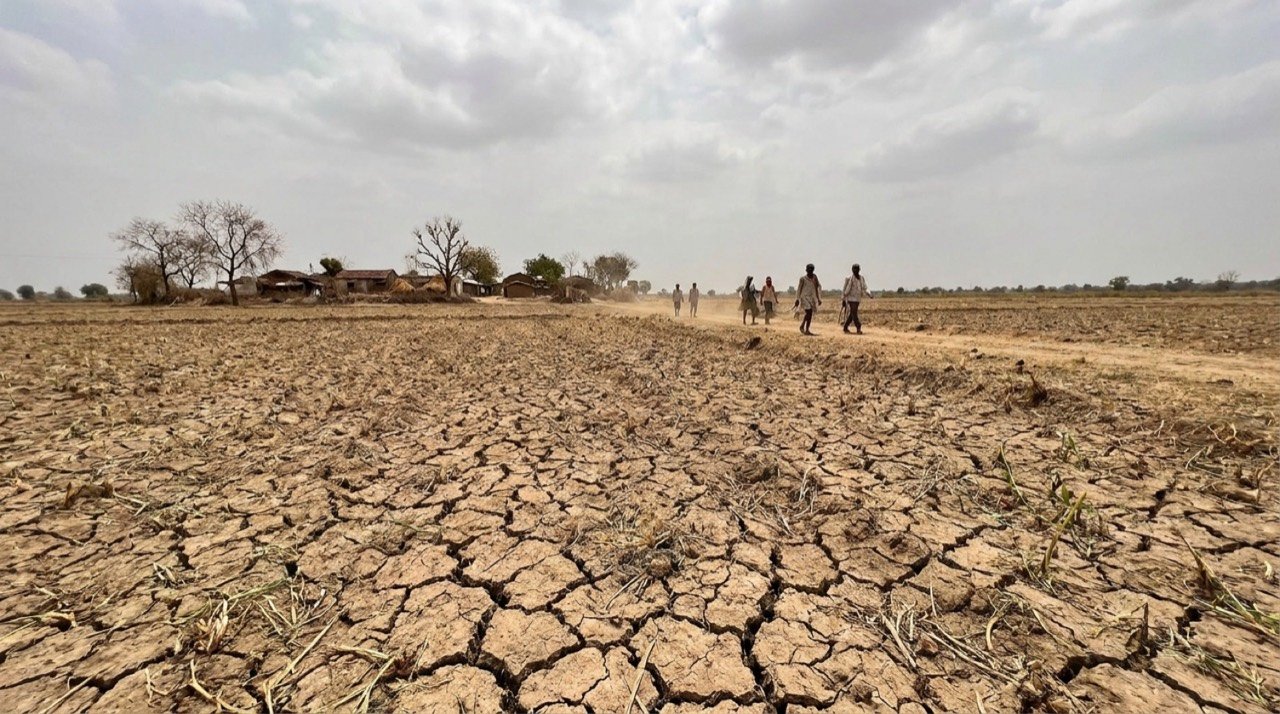
A faltering start to the monsoon has set off a quiet but consequential planning exercise across rural India. With the June rain deficit reported to have climbed to 43 percent, the Centre has moved to map hundreds of districts for contingency measures, identifying 315 for close monitoring as it tries to protect the rhythm of kharif sowing. The response reflects a hard lesson of Indian agriculture: when the rains arrive late, decisions made in the first few weeks can shape an entire season.
Why timing matters for kharif
The kharif season depends on the monsoon's arrival to dictate when farmers sow, what they plant and how they manage water. A delay forces difficult choices, from switching to shorter-duration or more drought-tolerant seed varieties to leaning harder on irrigation where it exists.
Those choices carry costs. Reworking seed plans, drawing down groundwater and arranging credit at short notice all strain farmers who often operate on thin margins, making timely official guidance more than a bureaucratic nicety.
New oversight mechanisms
To coordinate the response, authorities are leaning on mechanisms such as an El Nino Monitoring Cell and a Crop Weather Watch Group, tasked with tracking risks and channelling timely advice to states and farmers. Earlier assessments had flagged the most vulnerable districts, and that groundwork now feeds into the broader contingency map.
The aim is to move from reaction to anticipation, aligning weather data with agronomic advice so that interventions reach the field before a delayed monsoon hardens into a failed crop.
- June rain deficit reported to have risen to 43 percent
- 315 districts identified for close monitoring and contingency measures
- Most vulnerable areas flagged in earlier assessments
- El Nino Monitoring Cell set up to track climate risk
- Crop Weather Watch Group to coordinate timely farm advice
“When the monsoon stalls, the first fortnight decides the season; the job now is to get the right advice to farmers before they sow.”
— Agricultural policy specialist
The wider stakes
The implications stretch well beyond the farm gate. A weak monsoon feeds into seed and input choices, rural credit demand, farmer incomes and ultimately food inflation, the cost-of-living pressure that touches every household. Kharif output also shapes buffer stocks and the prices of staples in the months ahead.
Much now depends on the monsoon's recovery through the rest of the season. If rains revive, the contingency mapping may prove a precaution rarely tested in full. If the deficit persists, the readiness built now, through monitoring cells, district plans and faster advisories, will be what stands between a difficult season and a damaging one.
The NE Times View
A 43 percent June shortfall is exactly when proactive contingency planning earns its keep, and mapping 315 districts is the right reflex. The worry is that India's monsoon response too often arrives as post-failure relief rather than pre-emptive support. Seed availability, crop-switch advisories and assured procurement must reach farmers before sowing decisions, not after. Watch the next fortnight's rainfall, and whether the planning translates into anything on the ground.
This article is original commentary and analysis by The NE Times. Background facts were referenced from Times of India.
You may also like to read
Monsoon advances across the country in June, but IMD warns of a below-normal season
After reaching Kerala on 4 June, the southwest monsoon has spread into eastern and central India, even as the weather office trims its seasonal rainfall forecast to 90% of the long-period average.
El Nino Risk Flags 111 Districts for Monsoon Deficit Worry
A fresh assessment has identified 111 districts as highly vulnerable to an El Nino-linked monsoon deficit, with Maharashtra and Madhya Pradesh accounting for a large share and farm incomes at stake.
Monsoon Arrives Early Across the South, Lifting India's Farm Outlook
The southwest monsoon has swept in ahead of schedule, raising hopes for a strong kharif sowing season and easing inflation worries — though officials urge caution on how the rains spread.
WMO Flags Rapid El Nino Risk, Putting India's Monsoon On Watch
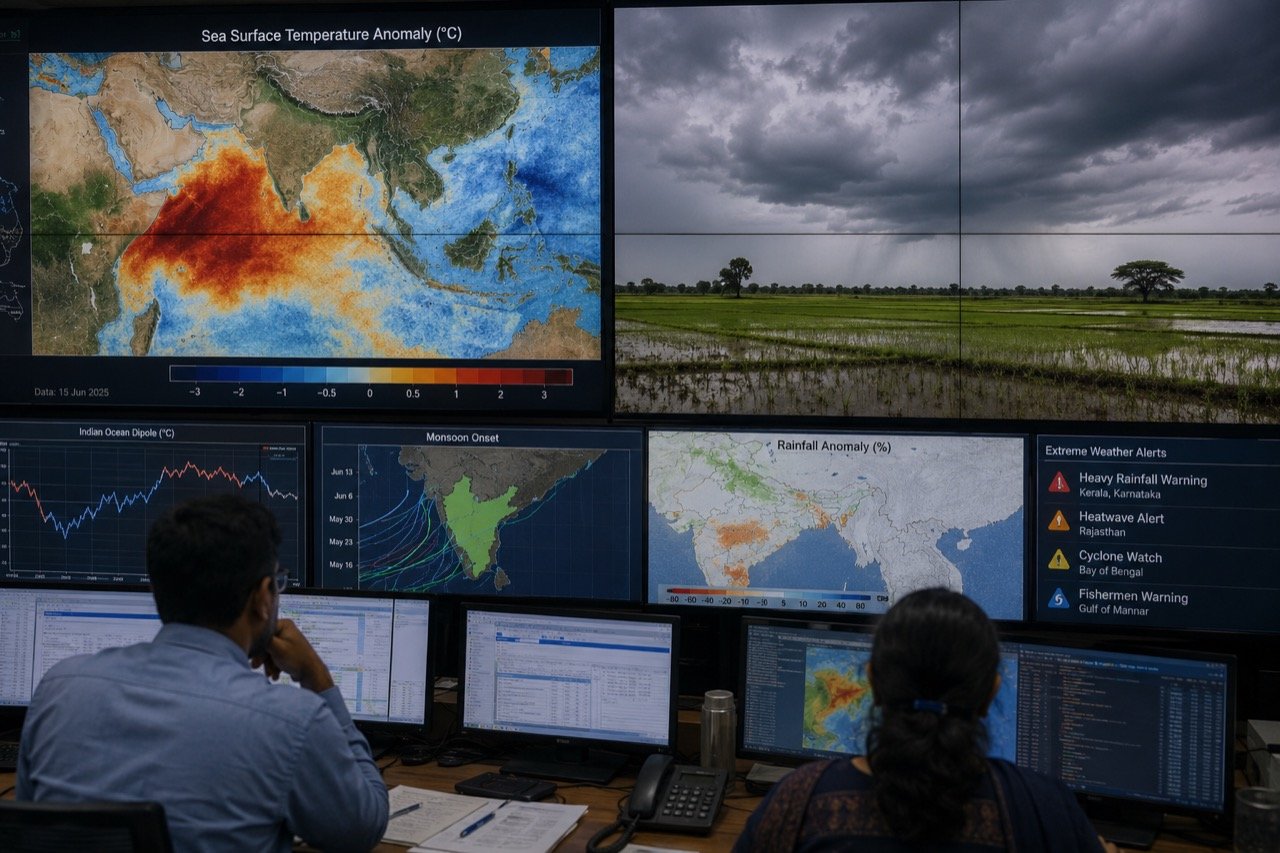
A World Meteorological Organization warning that El Nino could develop rapidly between July and September has revived concerns about below-normal rainfall over the Indian subcontinent and its economic ripple effects.
More from this section
More
AICTE Industry Fellowship 2026: Rs 1.5 Lakh Scheme Closes July 5
The AICTE Industry Fellowship Programme 2026, which places technical-education faculty inside leading companies on a Rs 1.5 lakh monthly stipend, reached its application deadline on July 5.
Bay of Bengal Low Pressure System Revives Monsoon Over Western India
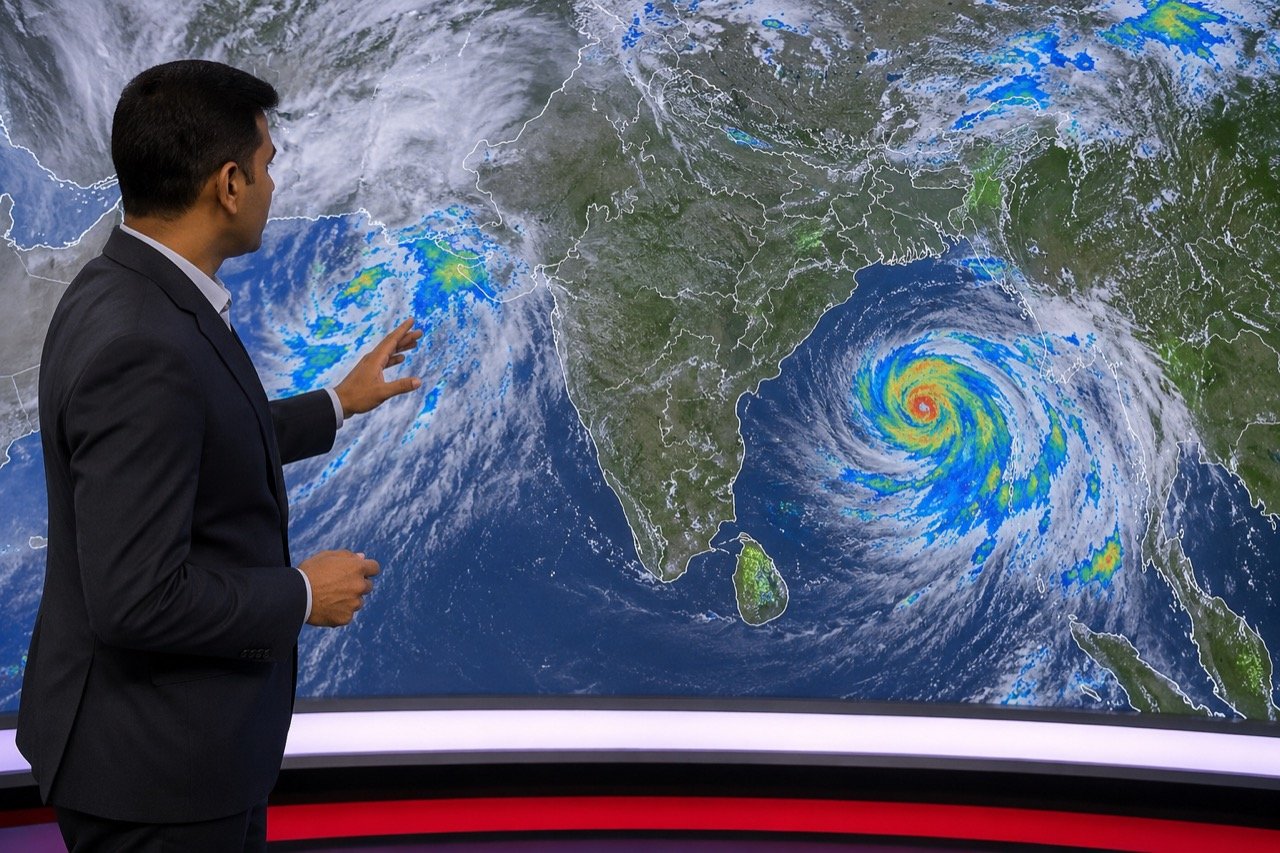
A low-pressure system over the Bay of Bengal has pushed the monsoon back into an active phase, bringing steady heavy rain to Kerala, coastal Karnataka and Maharashtra, and putting Mumbai and Pune on preparedness watch.
Bishnoi Gang Suspects Injured in Haryana Encounter as Police Tighten Net
A joint Haryana-Delhi Police operation in Bahadurgarh left two suspected Lawrence Bishnoi gang members injured, spotlighting the multi-state coordination now central to India's fight against organised crime networks.