Mahayuti Sweeps 16 of 17 Maharashtra MLC Seats as Opposition Draws a Blank
Maharashtra's ruling Mahayuti alliance has won 16 of 17 Legislative Council seats while the opposition Maha Vikas Aghadi failed to win any, signalling renewed momentum for the governing coalition.
Commentary & Analysis ·
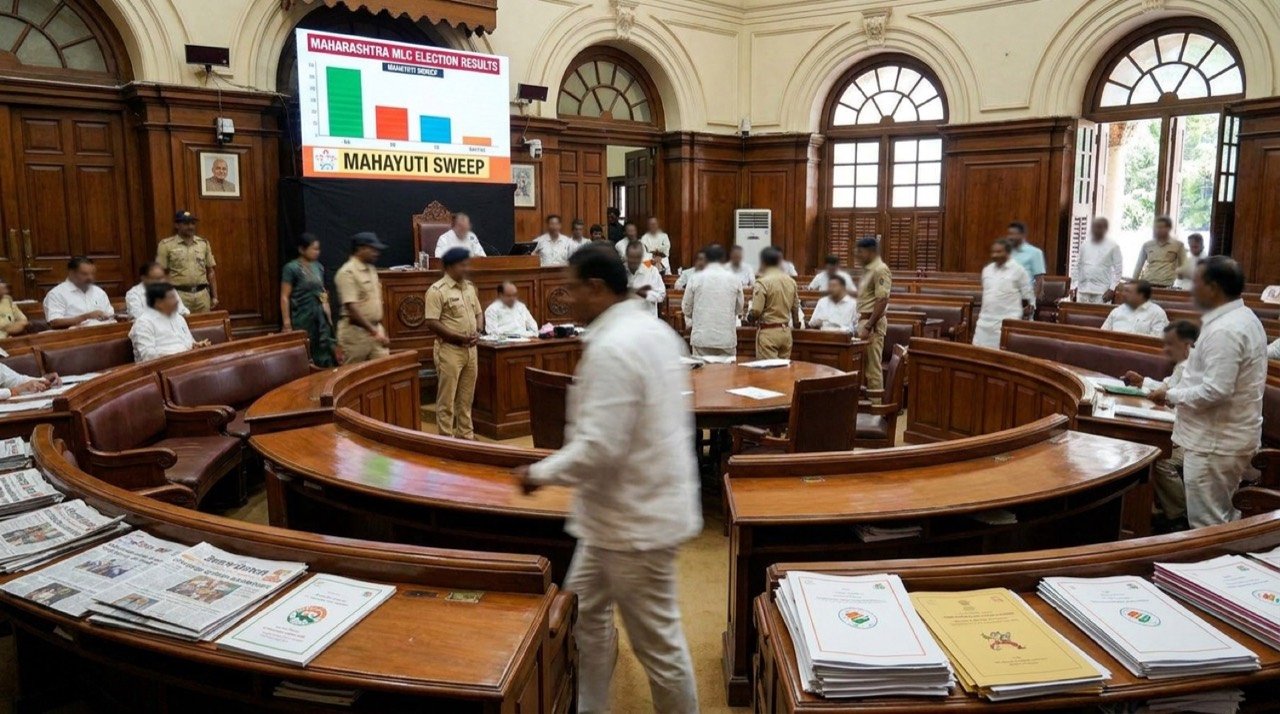
Maharashtra's ruling Mahayuti alliance has delivered a striking result in the Legislative Council, winning 16 of 17 seats while the opposition Maha Vikas Aghadi failed to secure even one, according to reports. An Independent candidate's victory in Nashik added a local twist to an otherwise lopsided contest, but the broader political message was unmistakable: the governing coalition has consolidated its grip in this round of indirect elections. In a state where legislative arithmetic has been fought over bitterly in recent years, a near-clean sweep of this kind is bound to be read as more than a routine electoral footnote.
A Lopsided Verdict
The numbers speak for themselves. With 16 of the 17 seats falling to Mahayuti and the opposition shut out entirely, the outcome was as emphatic as the Council's indirect format allows. These are not contests decided by the general electorate but by elected representatives and select electoral colleges, which makes the scale of the sweep all the more notable. Such polls are closely watched precisely because they function as a barometer of organisational strength, alliance discipline and the ability of a party machine to marshal votes among a comparatively small and identifiable pool of electors. A result this one-sided suggests Mahayuti's constituent parties were able to coordinate candidate selection, manage cross-voting and avoid the kind of internal friction that so often costs alliances seats in council elections. The lone exception came in Nashik, where an Independent candidate prevailed, a reminder that even in a wave election of this kind, local factors, personal networks and individual candidate strength can still cut against the dominant trend.
Why Council Elections Matter
It would be a mistake to read a Legislative Council result through the same lens as a general election, and yet it would be equally wrong to dismiss it as insignificant. Council seats decided by MLAs and local bodies test something different from popular appeal: they test whether a party or alliance can hold its own legislators in line, manage the horse-trading that often accompanies indirect polls, and out-organise rivals in the granular, transactional politics of vote management. A sweep of 16 out of 17 seats is a signal that Mahayuti's internal coordination, at least for now, is functioning smoothly across its constituent parties. For a coalition that has itself been the product of splits, defections and realignment, this is not a trivial achievement. It suggests that whatever friction exists between allies over seat-sharing and credit-claiming, it has not yet translated into the kind of disarray that shows up in the vote count.
Context of Realignment
The result lands amid the continuing realignments that have reshaped Maharashtra politics in recent years, and it will inevitably be read alongside the evolving fortunes of the rival Shiv Sena factions. In a state where party loyalties and coalitions have been repeatedly redrawn, a clean sweep of this scale carries added symbolic weight, functioning almost as a scoreboard for which side has more successfully absorbed the shocks of the past few years' splits and counter-splits. For the government side, the outcome offers a welcome morale boost ahead of future electoral tests, suggesting its ground-level machinery and cross-party arithmetic are working in its favour at a moment when perception of momentum matters as much as the seats themselves. Wins of this kind tend to feed a narrative of inevitability, reinforcing the impression among elected representatives, local functionaries and prospective defectors that the ruling coalition is the safer political home.
Trouble for the Opposition
For the Maha Vikas Aghadi, drawing a blank is more than a setback; it raises pointed questions about how the alliance is functioning at the operational level. Failing to win a single seat out of 17 in a contest decided by a defined and knowable set of electors points to weaknesses that go beyond messaging or public mood. It points to coordination failures between the MVA's constituent parties, possible missteps in candidate selection, and a local networks problem, meaning the opposition's ground-level presence in the areas where these seats were contested may simply not be robust enough to convert MLA support into victories. As one political analysis of the results put it, for the opposition, the outcome raises questions about coordination, candidate selection and local networks. These are precisely the mechanics that decide elections of this kind, and a complete shutout suggests the MVA has ground to make up not in popularity alone but in organisational discipline.
What Comes Next
Whether this sweep marks a durable shift in Maharashtra's political balance or simply reflects the particular arithmetic of indirect Council elections will become clearer as further contests unfold. For now, Mahayuti can point to a result that strengthens its narrative of momentum, giving it a talking point heading into subsequent electoral tests and a boost to the confidence of its constituent units. Its rivals, meanwhile, are left to reckon with the harder work of rebuilding coordination, sharpening candidate selection and rebuilding the local networks that decide elections of this kind. The Nashik exception is worth watching too: Independent wins in otherwise lopsided contests can sometimes be an early sign of dissatisfaction with both major camps at the local level, even if they do not disrupt the overall picture.
The NE Times View
A 16-of-17 sweep in indirect Council polls says more about cross-voting and a fractured opposition than about a popular tide. The MVA's blank is a discipline problem before it is a mandate problem, and conflating the two would be a misreading of what these elections actually measure. Even so, dominance this lopsided should worry voters who value scrutiny, since a legislature without an effective opposition checks nothing and rubber-stamps everything. The health of a legislative chamber depends not merely on who governs but on whether those in power are made to answer for their decisions, and a near-total absence of opposition representation in the Council narrows that space considerably. Mahayuti's supporters will rightly celebrate an organisational win; but a democracy's institutions are better served when even a dominant coalition faces a functioning, if smaller, counterweight.
Key takeaways
- Mahayuti won 16 of the 17 Maharashtra Legislative Council seats contested, while the Maha Vikas Aghadi failed to win any.
- An Independent candidate won the sole remaining seat in Nashik, showing local factors can still cut against a dominant trend.
- The result reflects strength in indirect, college-based elections decided by MLAs and select electors rather than the general public.
- The sweep will be read alongside the ongoing realignment of Maharashtra's rival Shiv Sena factions and broader coalition politics.
- The MVA's shutout points to coordination, candidate selection and local network problems that go beyond simple popularity, even as the scale of the sweep raises broader questions about legislative scrutiny.
You may also like to read
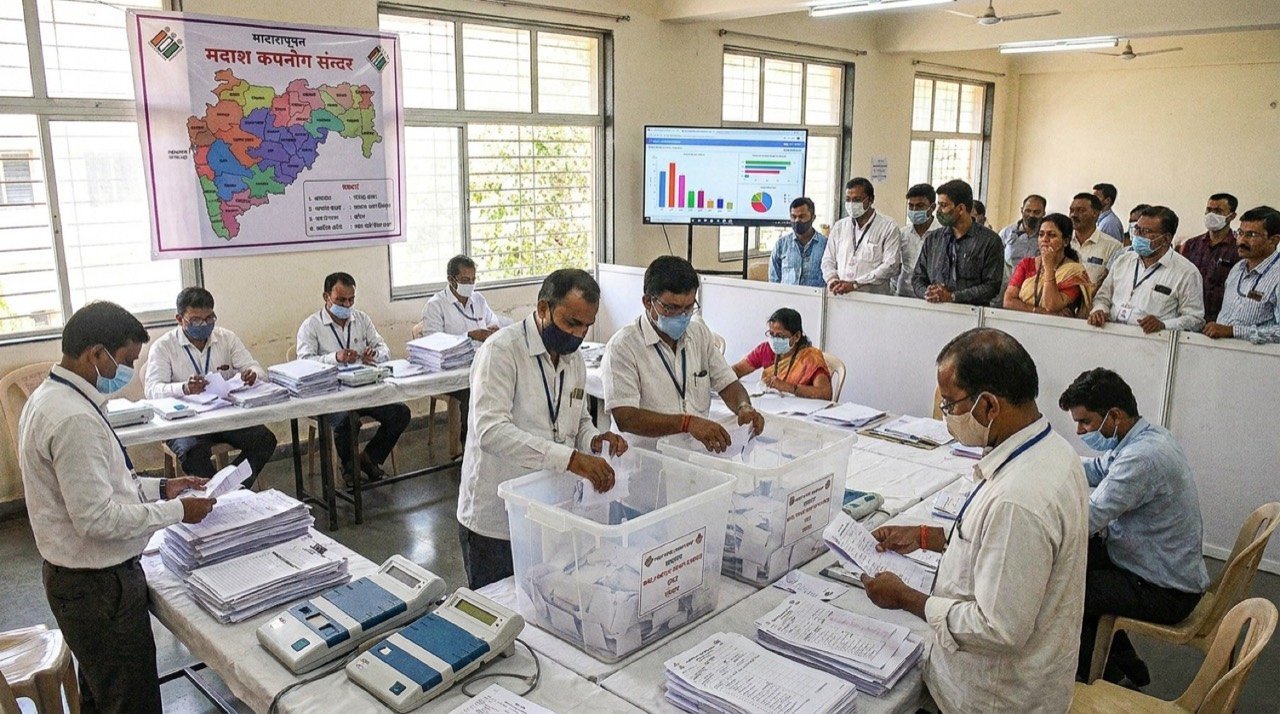
BJP-Led Mahayuti Sweeps Vidarbha in Maharashtra Council Polls
The BJP-led Mahayuti has tightened its grip on Vidarbha, winning local-authority council seats in Nagpur, Amravati and Bhandara-Gondia and signalling its organisational depth ahead of crucial civic battles.
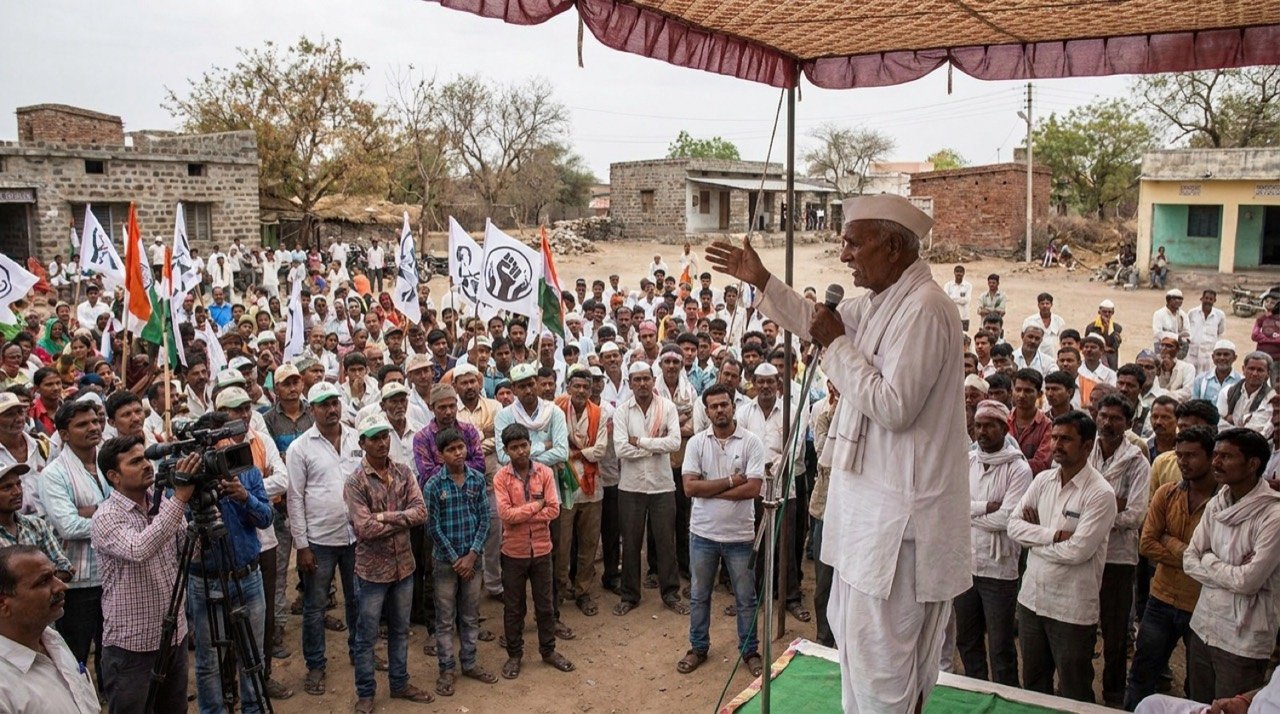
Anna Hazare Warns of July 5 Hunger Strike Over Maharashtra RTI Rule Changes
Veteran activist Anna Hazare has threatened an indefinite fast from July 5 at Ralegan Siddhi unless Maharashtra rolls back amendments to its Right to Information rules that he says could weaken citizens' access to information.
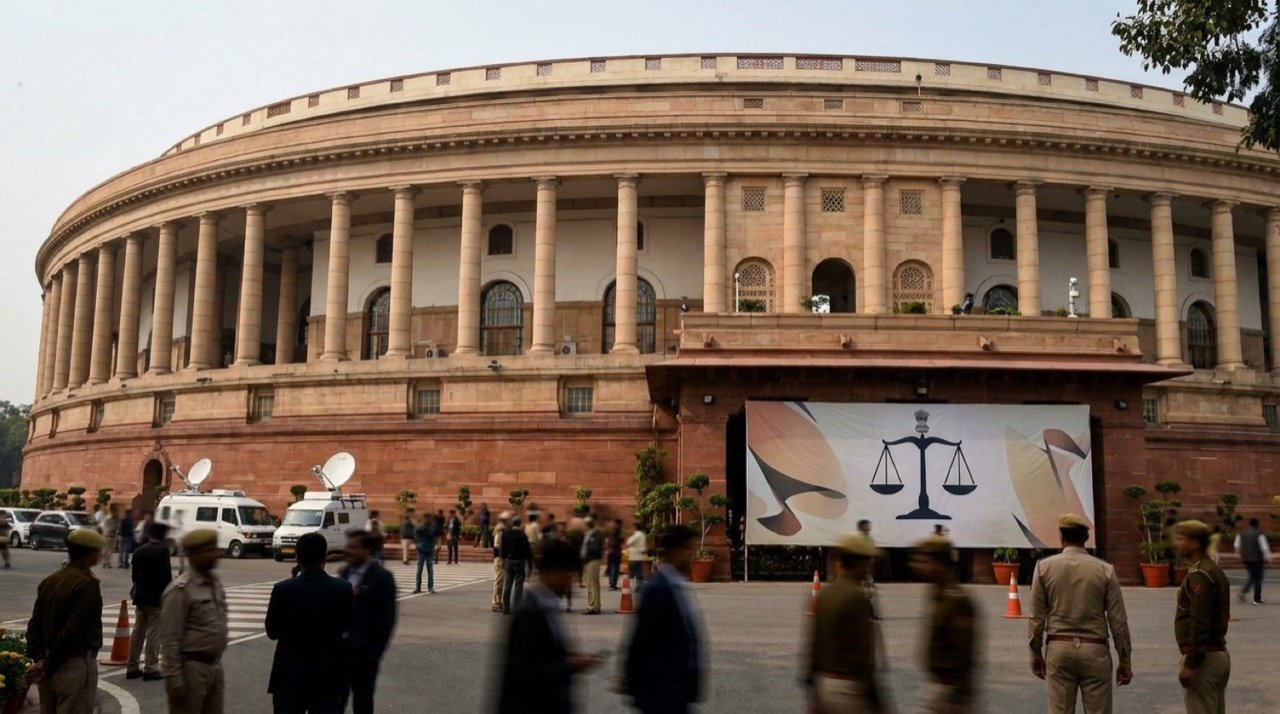
Sena UBT Defections Await Speaker's Recognition in Fresh Maharashtra Twist
A reported bid by six Shiv Sena UBT MPs to be recognised as a separate group has opened a new front in Maharashtra's party-split politics, with the Lok Sabha Speaker's call now pivotal.
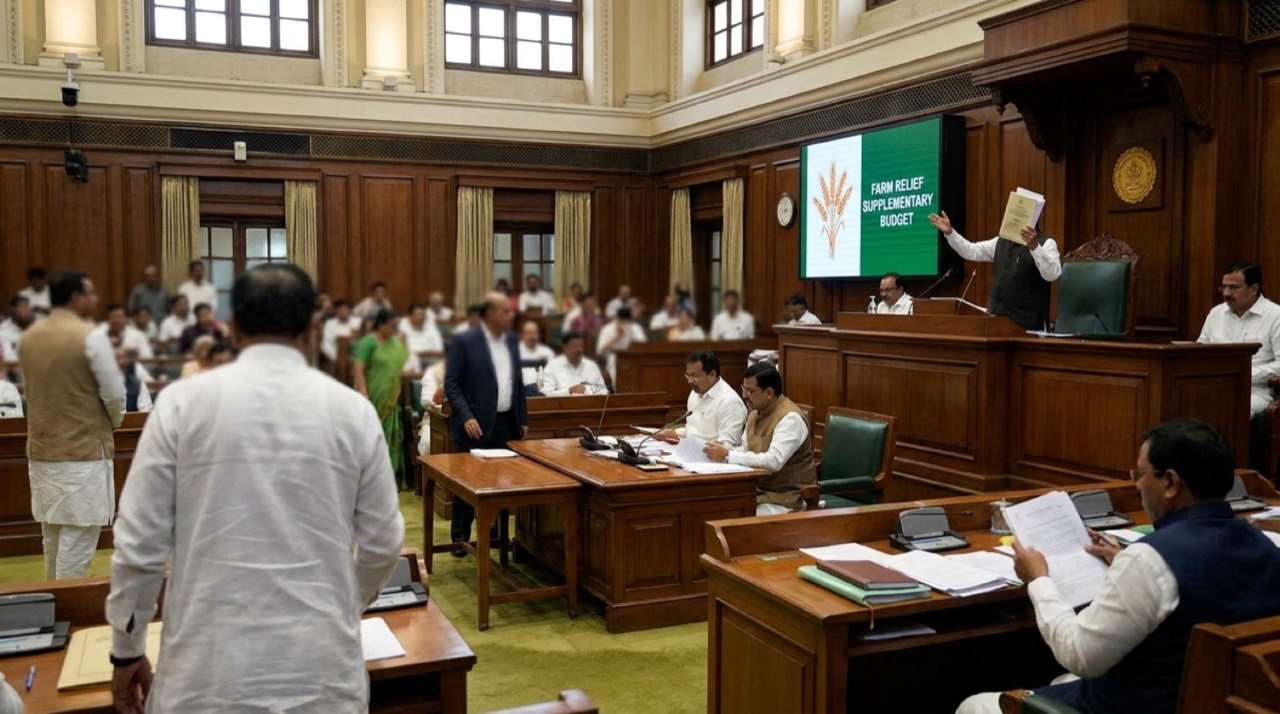
Maharashtra Tables Record Rs 97,706 Crore Supplementary Demands, Farm Relief in Focus
Maharashtra has placed one of its largest-ever supplementary spending demands before the legislature, anchoring nearly Rs 97,706 crore on farm loan waivers, welfare and urban development amid fiscal-discipline questions.
More from this section
More
K Kavitha Party Denied TRS Name by Election Commission
The Election Commission has refused to register K Kavitha's Telangana Rakshana Sena under the TRS acronym after objections, forcing a branding reset for the new party at a politically sensitive moment in Telangana.
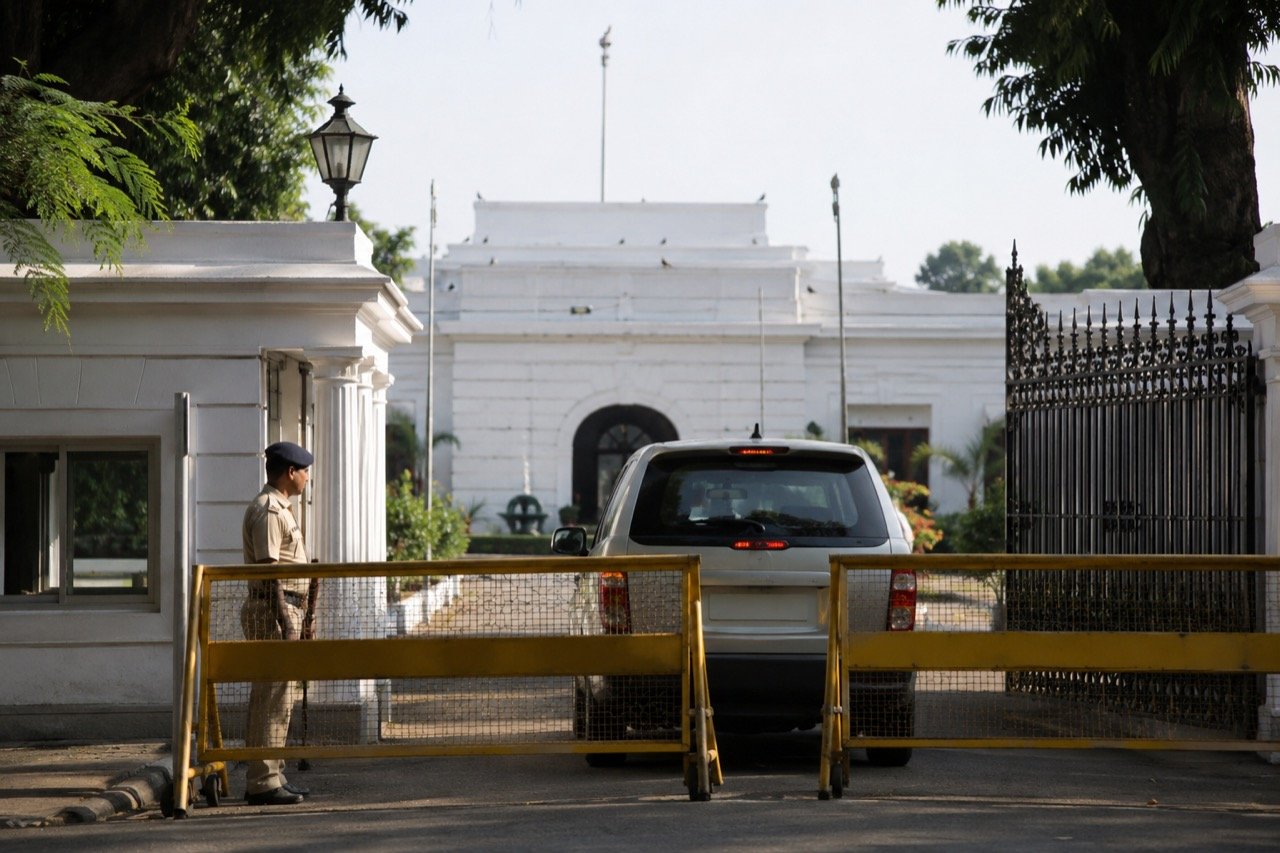
Lalu Prasad Yadav Security Downgrade, Bungalow Order Stir Bihar
A government order downgrading Lalu Prasad Yadav's security cover and asking him to vacate an official bungalow has opened a fresh political flashpoint in Bihar, with the RJD chief's reaction fuelling the row.
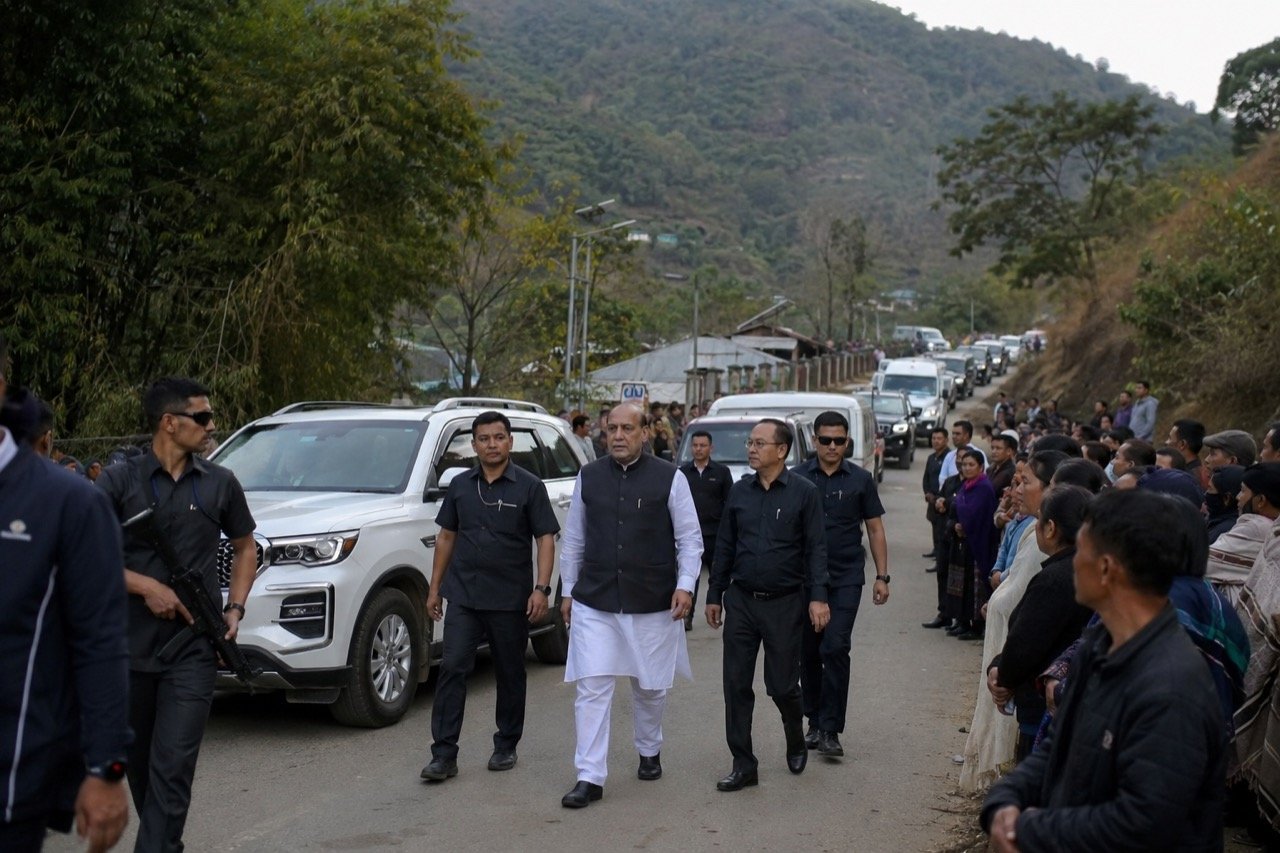
Manipur CM's Churachandpur Visit: First Since 2023 Unrest
The Manipur Chief Minister travelled to Churachandpur for a BJP MLA's funeral, his first visit to the district since the 2023 violence, lending the sombre occasion an unmistakable political significance.