Lucknow Coaching-Centre Fire: Officials Suspended and Owners Arrested After 15 Deaths
A deadly fire at a Lucknow building housing a coaching centre has killed 15 people, triggering suspensions, arrests and a special probe into safety and construction violations.
Commentary & Analysis ·
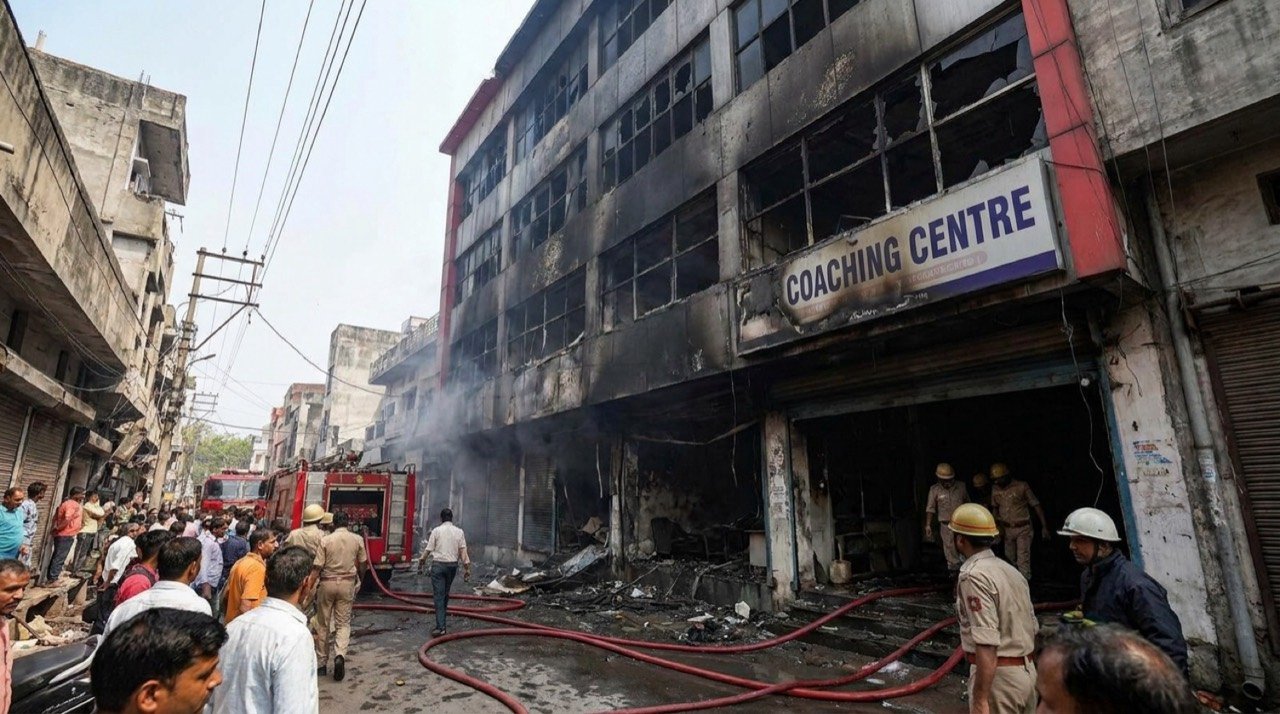
A deadly fire at a commercial building housing a coaching centre in Lucknow's Aliganj area has killed 15 people and injured several others, prompting swift administrative action. Reports said four officials were suspended, the building owners were arrested, and a special investigation team began examining how the centre operated despite alleged safety and construction violations. The speed of the official response stands in sharp contrast to the slower, more uncomfortable question the tragedy actually poses: not who will be punished this time, but why such buildings are allowed to operate as coaching centres in the first place.
How the tragedy unfolded
The blaze tore through a building used by students, with accounts describing a desperate scramble to escape. The death toll and the profile of the victims, many of them young people preparing for examinations, have made the incident a focal point of public anger over urban safety enforcement. Coaching centres of this kind are a familiar feature of Indian towns and cities, drawing in students who spend long hours in cramped classrooms, often on upper floors of converted commercial buildings, in pursuit of competitive examinations that shape their futures. That familiarity is precisely what makes the fire so unsettling: the same conditions exist in thousands of similar buildings across the country, and the difference between an ordinary evening class and a mass casualty event can come down to whether a fire exit was blocked, a staircase was too narrow, or an alarm system was never installed.
Emergency services responded to the fire, but the scale of the loss raised immediate questions about whether the building was equipped with adequate fire exits and whether its use as a coaching space complied with permissions. In many such tragedies, the physical layout of the building becomes the story after the fact: a single stairwell serving multiple floors, windows barred for security reasons, or classrooms partitioned in ways that were never approved by any authority. Whether any or all of these factors applied in Aliganj is now a matter for the special investigation team, but the pattern is one Indian readers will recognise from previous disasters in coaching hubs and commercial complexes.
The official response
In the hours after the fire, the administration moved to suspend four officials and arrest the building owners. This is the standard sequence that follows disasters of this kind in India: a visible, rapid display of accountability aimed at officials and owners, intended to demonstrate that the state is responding decisively. A special investigation team was tasked with reconstructing how the centre functioned and whether lapses in oversight allowed it to operate in unsafe conditions. Such probes typically examine building records, inspection histories, fire department clearances, and the chain of approvals that allowed the coaching centre to function in the space it occupied.
The suspension of officials is significant because it implicitly acknowledges that the failure was not solely commercial greed on the part of the owners, but also a breakdown in the regulatory chain meant to catch such risks before they became fatal. Inspectors, fire department officials, and municipal authorities are all typically responsible at different points for certifying that a building is fit for the use to which it is being put. When four officials are suspended in the aftermath of a fire, it suggests that the investigation has already found, or strongly suspects, that this chain of certification broke down somewhere.
A wider test of urban enforcement
The tragedy has become a broader test of how cities regulate buildings used by the public, and the probe is expected to examine several recurring failure points: the adequacy and accessibility of fire exits; whether building permissions matched actual use; enforcement of fire-safety norms for coaching centres; accountability of officials responsible for inspections; and construction practices and alleged violations. Each of these points represents a distinct opportunity for the system to have prevented the disaster, and each has, in one form or another, featured in earlier fires at coaching centres and commercial buildings elsewhere in India.
The mismatch between building permissions and actual use is particularly worth dwelling on, because it is often the least visible failure until a disaster exposes it. A building approved for one purpose, such as general commercial use or storage, can end up housing dense classrooms, generators, or wiring never designed for that load, all without triggering any fresh safety review. Coaching centres, driven by demand from students and families anxious about competitive examinations, frequently expand into whatever space is available and affordable, and the regulatory apparatus meant to keep pace with that growth does not always do so.
Stakeholders and what they now face
For the families of the 15 who died, the immediate concern is grief and, in time, questions about compensation, criminal accountability, and whether their loss will translate into any lasting change. For students who study in similar buildings across the country, and for their parents, the fire is a reminder of a risk that is rarely discussed openly: that the physical safety of the space in which a child studies for hours each day is not something they have any real ability to verify or control. For the coaching industry itself, which operates at enormous scale across India and is central to how millions of young people prepare for entrance examinations, the fire raises the uncomfortable prospect of closer scrutiny of premises that may not withstand it.
For local administration, the arrests and suspensions offer short-term political cover, but they also invite scrutiny of the inspection regime itself. If the investigation finds that permissions were granted, or violations were overlooked, over an extended period, the case for isolated individual blame becomes harder to sustain, and pressure may grow for a wider review of how coaching centres are licensed and inspected across the city or state.
What to watch next
As the investigation widens, attention will turn to whether the suspensions and arrests mark the start of systemic reform or remain isolated responses to a single disaster. Key markers to watch include whether the special investigation team's findings are made public, whether any broader audit of coaching centres in Lucknow or Uttar Pradesh is ordered as a result, and whether the arrested owners and suspended officials face sustained legal proceedings rather than a quiet resolution once public attention moves on. Also worth watching is whether state or municipal authorities introduce or enforce stricter licensing requirements specifically for coaching centres, given that these institutions often occupy a regulatory grey zone between educational institutions and ordinary commercial tenants.
For the many students who study in similar buildings across the country, the central question is whether safety enforcement will finally be treated as non-negotiable, or whether this fire, like others before it, becomes a temporary spur to action that fades once the immediate outrage subsides.
The NE Times View
Fifteen deaths in a coaching centre is not an accident; it is a predictable failure of enforcement dressed up as one. Suspensions and arrests after the fact follow a grimly familiar script that repeats from Surat to Delhi because the underlying problem is permitted, not punished. Real accountability would mean fire audits with teeth before the next building fills with students. Until inspection precedes tragedy, these probes are mourning, not prevention.
The test of this episode will not be measured in the speed of arrests, which has already been demonstrated, but in whether the underlying regulatory failures identified by the investigation are addressed at the systemic level, across every coaching centre operating in similarly converted premises, rather than only at the single building where the fire broke out.
Key takeaways
- A fire at a coaching centre in Lucknow's Aliganj area killed 15 people and injured several others, prompting the suspension of four officials and the arrest of the building owners.
- A special investigation team is examining whether the building's fire exits, construction, and use as a coaching centre complied with safety norms and permissions.
- The probe is expected to focus on recurring failure points: fire exit adequacy, mismatched building permissions, weak enforcement of safety norms, official accountability, and construction violations.
- The case echoes past coaching-centre and commercial-building fires elsewhere in India, raising the question of whether this incident triggers systemic reform or another isolated response.
- The NE Times View holds that genuine accountability requires fire audits and inspection before disaster strikes, not suspensions and arrests after the fact.
You may also like to read
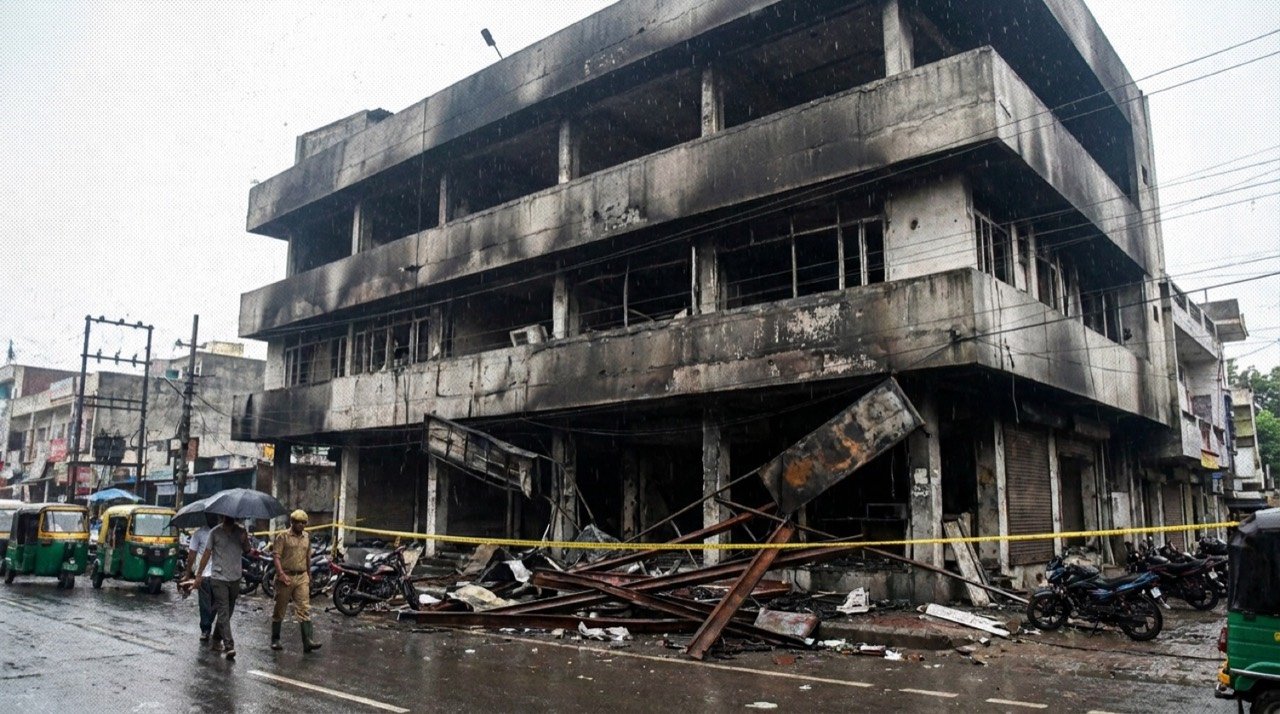
Lucknow Fire Probe Exposes Building Safety Failures After 15 Deaths
A Special Investigation Team is probing the Aliganj fire that killed 15 people, mostly young students, after an FIR flagged missing fire-safety arrangements and the absence of any emergency exit.
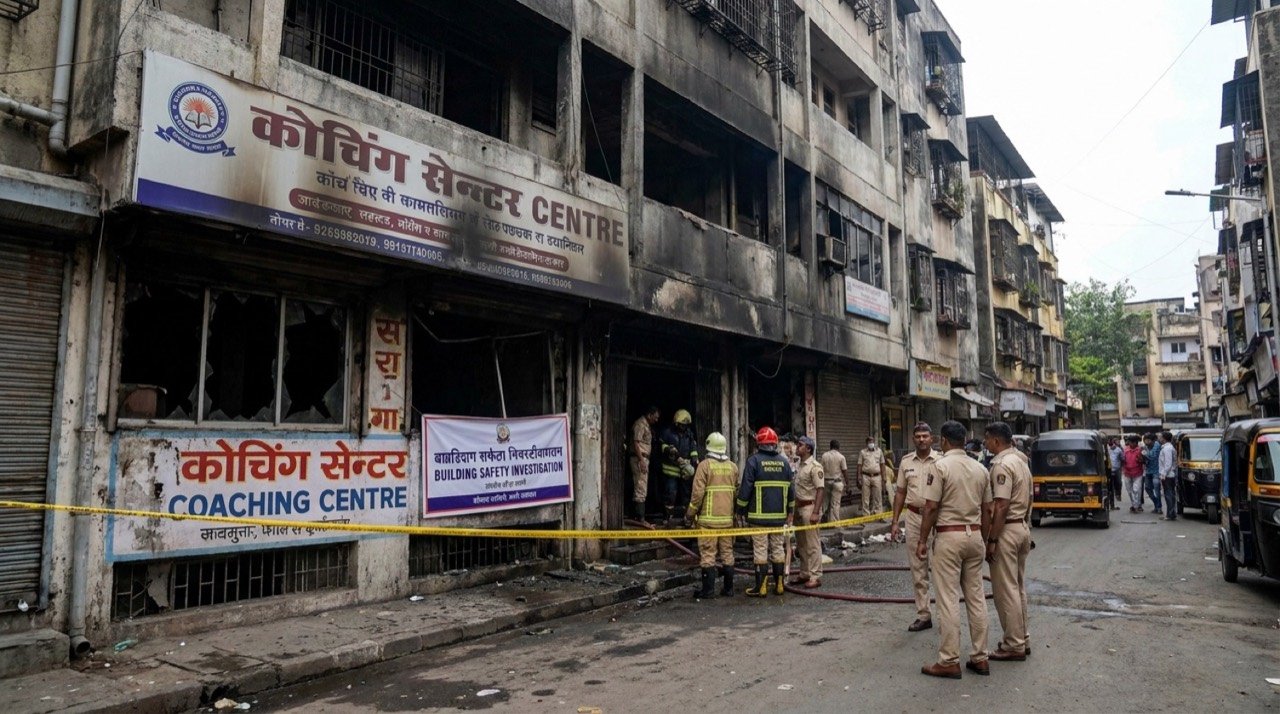
Lucknow Coaching Centre Fire: Probe Spotlights Ignored Building-Safety Warnings
A deadly fire at a coaching centre in Lucknow's Aliganj that killed 15 people has widened into an investigation of building-safety failures, with four arrests, an SIT probe and a fresh demolition notice.
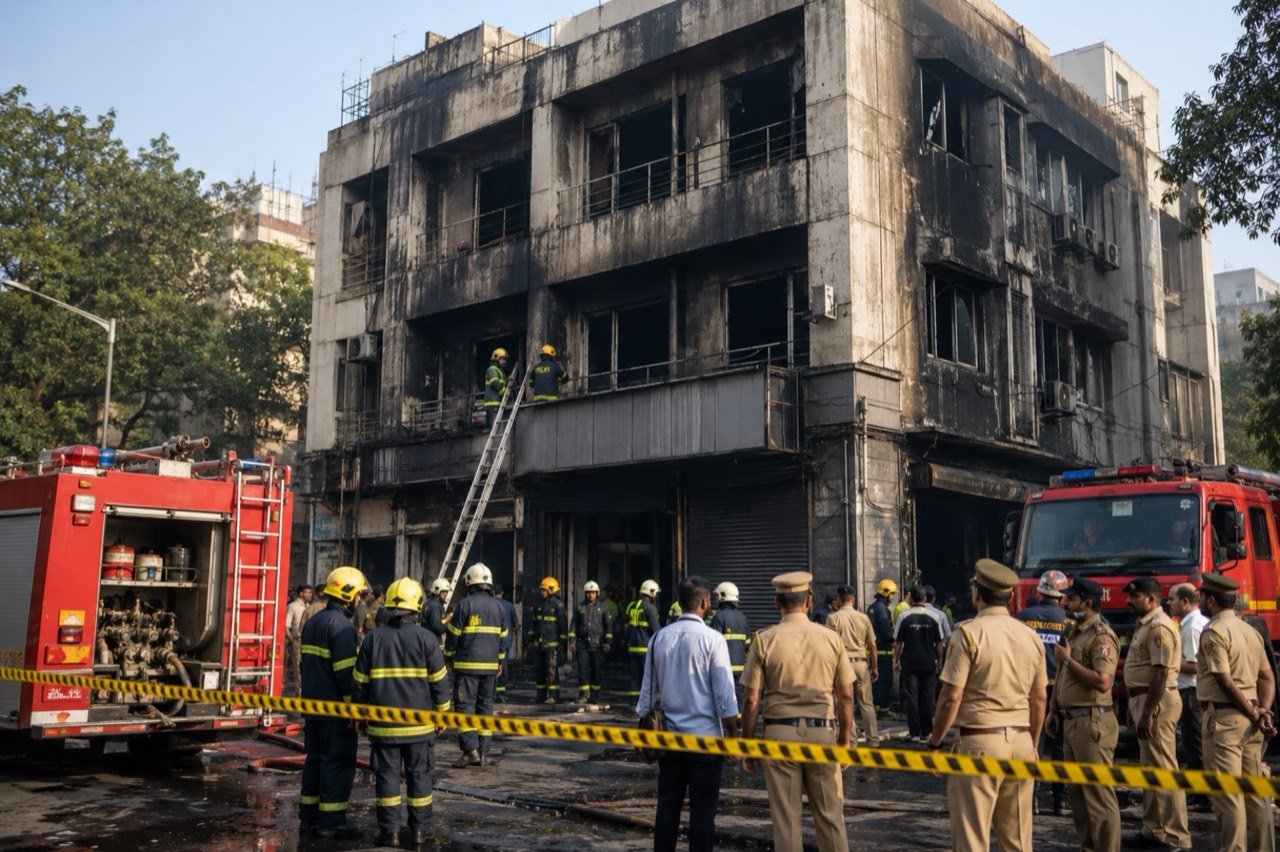
Lucknow Aliganj Fire Toll Rises As Coaching-Centre Safety Comes Under Scrutiny
A deadly fire in a commercial building in Lucknow's Aliganj, with reported deaths climbing to around 14 to 15, has reignited urgent questions over fire safety in coaching centres and mixed-use buildings across Indian cities.
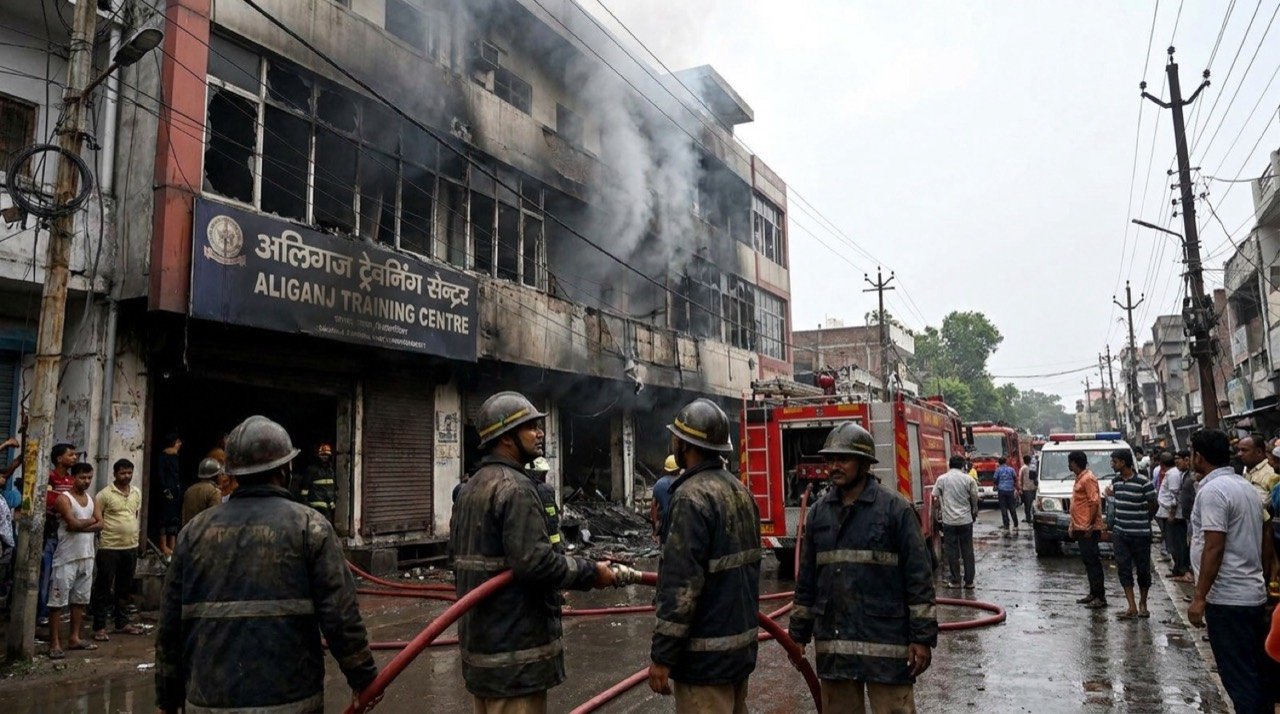
Lucknow Fire Puts Coaching and Training Centre Safety Under Scrutiny
At least 15 people, mostly students and trainees, died in a Lucknow fire, forcing a hard look at fire-safety compliance in coaching centres, gaming studios and training spaces inside commercial buildings.
More from this section
More
AICTE Industry Fellowship 2026: Rs 1.5 Lakh Scheme Closes July 5
The AICTE Industry Fellowship Programme 2026, which places technical-education faculty inside leading companies on a Rs 1.5 lakh monthly stipend, reached its application deadline on July 5.
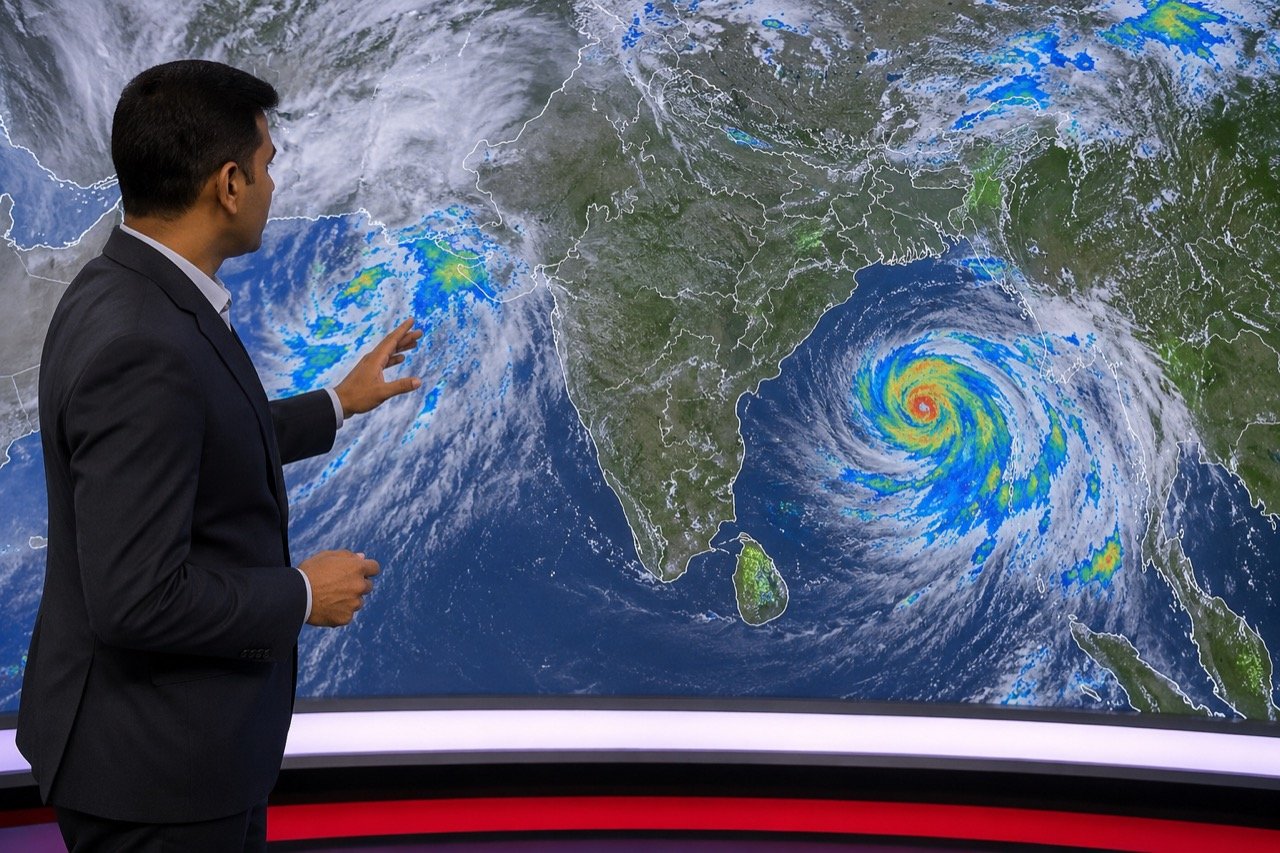
Bay of Bengal Low Pressure System Revives Monsoon Over Western India
A low-pressure system over the Bay of Bengal has pushed the monsoon back into an active phase, bringing steady heavy rain to Kerala, coastal Karnataka and Maharashtra, and putting Mumbai and Pune on preparedness watch.
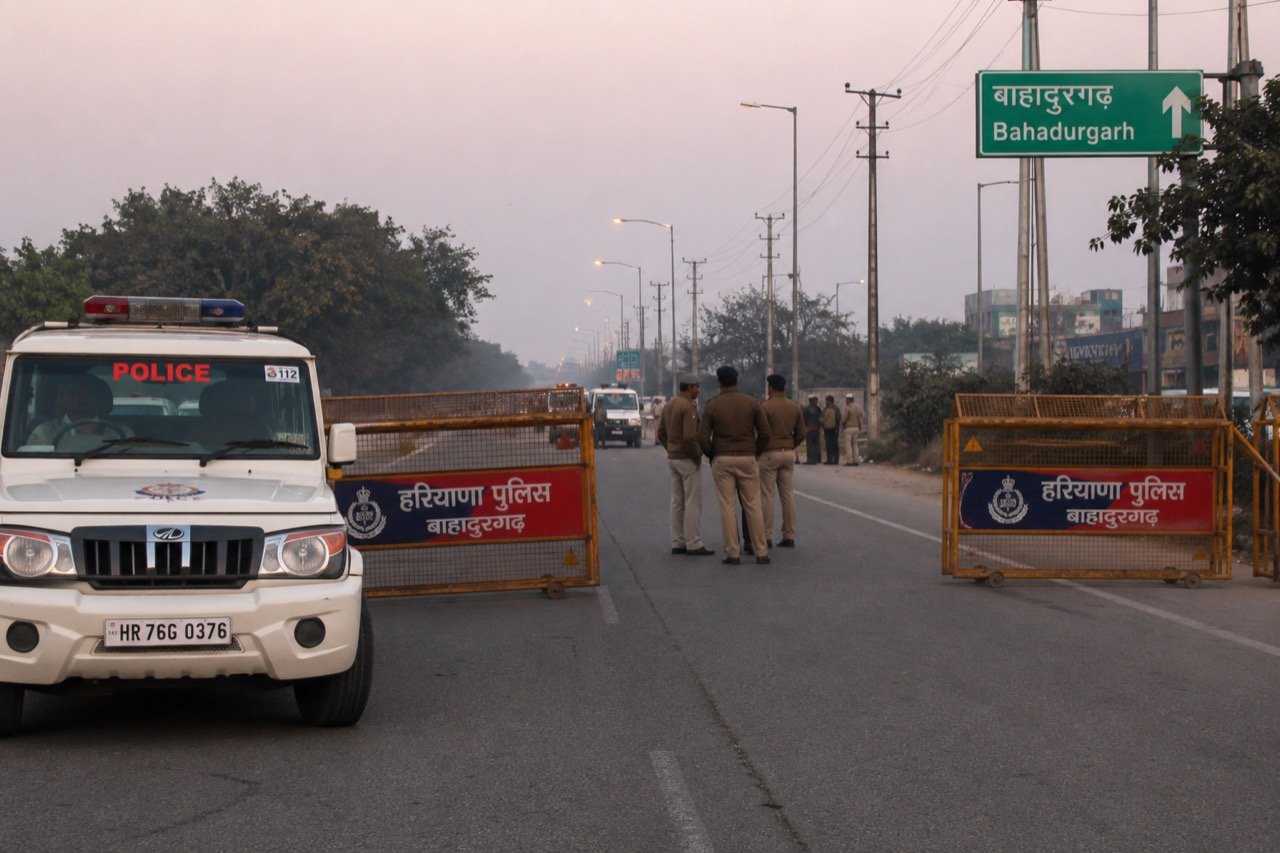
Bishnoi Gang Suspects Injured in Haryana Encounter as Police Tighten Net
A joint Haryana-Delhi Police operation in Bahadurgarh left two suspected Lawrence Bishnoi gang members injured, spotlighting the multi-state coordination now central to India's fight against organised crime networks.