Kheer Bhawani Mela Draws Thousands of Kashmiri Pandits Back to Tulmulla
Thousands of Kashmiri Pandits gathered at the Kheer Bhawani temple in Ganderbal for Zyeshtha Ashtami, in a pilgrimage that carries a powerful message of return, memory and communal harmony.
Commentary & Analysis ·
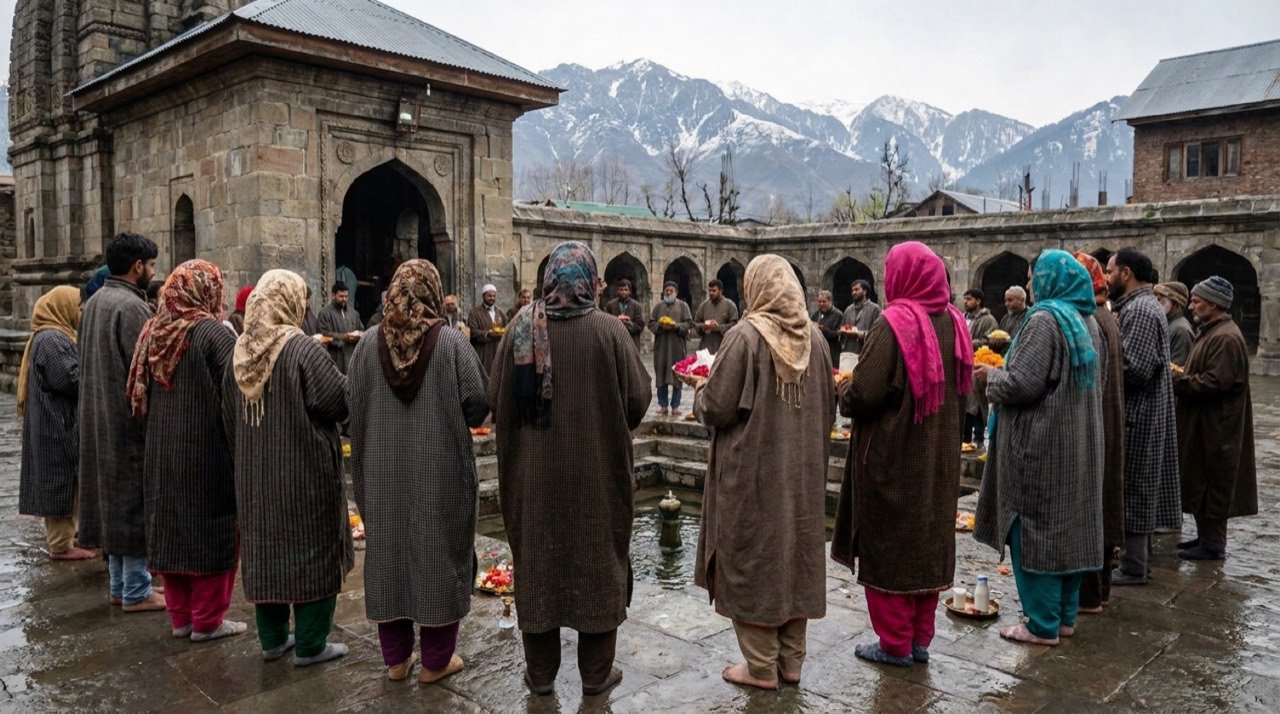
Thousands of Kashmiri Pandits made their way to the Kheer Bhawani temple at Tulmulla in Ganderbal district for Zyeshtha Ashtami and the annual mela, one of the community's most cherished religious occasions. The pilgrimage, drawing devotees from across the Valley and beyond, once again carried its enduring message of return, remembrance and coexistence. That so many continue to make this journey year after year, despite the disruptions of exile and the passage of more than three decades since the exodus of the early 1990s, says something significant about the durability of faith as a thread connecting a displaced community to its ancestral homeland.
A festival of faith and memory
Kheer Bhawani, dedicated to the goddess Ragnya Devi, holds a singular place in Kashmiri Pandit devotion. The annual gathering at the temple, set around its famed sacred spring, is far more than a ritual occasion; it is a visible affirmation of cultural continuity for a community whose ties to the Valley have been tested by displacement. For many who travel to Tulmulla, the mela is an emotional homecoming, a chance to reconnect with ancestral roots and to participate in traditions passed down across generations.
The significance of this occasion lies precisely in its layered meaning. For a pilgrim raised in exile, in Jammu, Delhi or further afield, the journey to Tulmulla is rarely just about religious observance in the narrow sense. It is also a passage through memory: of homes left behind, of neighbourhoods that once were, of a way of life interrupted. The sacred spring itself, said to change colour according to auspicious or inauspicious times, has long carried an almost mystical status in the community's collective imagination, making the pilgrimage as much an act of remembrance as one of worship. In this sense, the mela functions as a living archive, a yearly renewal of a bond that displacement could not fully sever.
A welcome from the Valley
Local residents and political leaders welcomed the devotees, a gesture that reinforced the festival's reputation as a moment of inter-community goodwill in Jammu and Kashmir. The reception from neighbours and officials alike added to the sense that the occasion belongs to the wider social fabric of the region, not to a single community alone.
This welcome is not incidental. It reflects a longer tradition in the Valley of local Muslim residents extending hospitality to Pandit pilgrims returning for Kheer Bhawani, a practice that predates the present political climate and that many in the community point to as evidence of Kashmir's older, syncretic social order. Such gestures matter because they complicate any simple narrative of the Valley as a place defined solely by conflict and division. They also carry a practical dimension: for a mela of this scale to pass smoothly, cooperation between local communities, administration and visiting pilgrims is essential, and the visible warmth of that welcome becomes, each year, a subject of comment precisely because it cannot be taken for granted.
Arrangements and significance
With large crowds expected, security and crowd-management arrangements were put in place to ensure the pilgrimage passed smoothly. Beyond the logistics, the event remains central to conversations about cultural preservation and the place of the Kashmiri Pandit community in the region's future.
The scale of the security operation each year is itself a reminder of the delicate balance that underlies the occasion. A gathering of this size, drawing pilgrims from across state lines into a district still shaped by decades of militancy and counter-insurgency operations, requires meticulous planning. That such arrangements are now a routine, expected feature of the mela, rather than an exceptional response to a specific threat, speaks to how deeply the authorities have institutionalised the protection of this pilgrimage. It also underscores a broader point: religious and cultural continuity in the Valley today is frequently sustained through visible state support, rather than through the informal, everyday coexistence that once characterised such occasions.
What the mela represents for a displaced community
As the devotees offered prayers and lit lamps at the sacred spring, the Kheer Bhawani Mela once again stood as a quiet but powerful statement of faith and belonging. For the Kashmiri Pandit community, the annual return to Tulmulla is both a spiritual duty and a reaffirmation of an unbroken bond with the land of their ancestors.
For a diaspora community scattered across cities far from the Valley, occasions like this carry weight well beyond the ritual calendar. They offer a rare, sanctioned opportunity for large numbers of Pandits to return physically to Kashmir, to walk streets and visit sites that for many exist otherwise only in memory or in the stories told by parents and grandparents. Younger Pandits, born and raised outside the Valley, often experience the mela as their first tangible encounter with a homeland they have inherited only as an idea. For them, the pilgrimage is not nostalgia in the conventional sense but an active process of identity formation, a way of claiming continuity with a place and a history that displacement threatened to make abstract.
The unfinished question of return
The mela's symbolism, however powerful, sits alongside a harder and unresolved reality. The Kashmiri Pandit exodus of the early 1990s displaced the community from its ancestral homes, and despite various rehabilitation and resettlement efforts over the years, a substantial return to permanent residence in the Valley has not materialised at anything like the scale that would mark a genuine resolution. The annual pilgrimage, precisely because it is temporary and heavily secured, throws this gap into sharper relief. Pilgrims arrive, pray, and depart; they do not stay. The warmth of the welcome, the efficiency of the arrangements and the depth of devotion on display each year coexist with the fact that the everyday conditions required for large-scale, secure, voluntary resettlement remain elusive.
This is not to diminish what the mela achieves. Rather, it is to recognise that cultural and religious continuity, however moving, is not a substitute for the political and security conditions that would allow displaced families to live in the Valley rather than merely visit it. The distinction matters for how policymakers, community leaders and observers ought to read these annual gatherings: as evidence of resilience and of surviving social bonds, certainly, but not as a proxy for resettlement having been achieved.
The NE Times View
Every return to Tulmulla is both a prayer and a quiet protest against displacement. The mela's enduring draw shows that Kashmir's syncretic memory survives even three decades of exodus, and that local hospitality remains part of the ritual. Symbolism, however, is not resettlement. The harder, unfinished work is creating conditions secure enough for Pandits to live, not merely visit. Until then, the pilgrimage carries hope heavier than its prayers.
Key takeaways
- Thousands of Kashmiri Pandits travelled to the Kheer Bhawani temple at Tulmulla in Ganderbal district to mark Zyeshtha Ashtami and the annual mela.
- The pilgrimage functions as a powerful symbol of cultural continuity, memory and coexistence for a community displaced from the Valley.
- Local residents and political leaders welcomed devotees, reinforcing the mela's reputation for inter-community goodwill.
- Security and crowd-management arrangements were required to handle the large gathering, reflecting the pilgrimage's scale and sensitivity.
- The occasion's symbolic power coexists with the unresolved reality that large-scale, secure resettlement of Kashmiri Pandits in the Valley has yet to be achieved.
You may also like to read
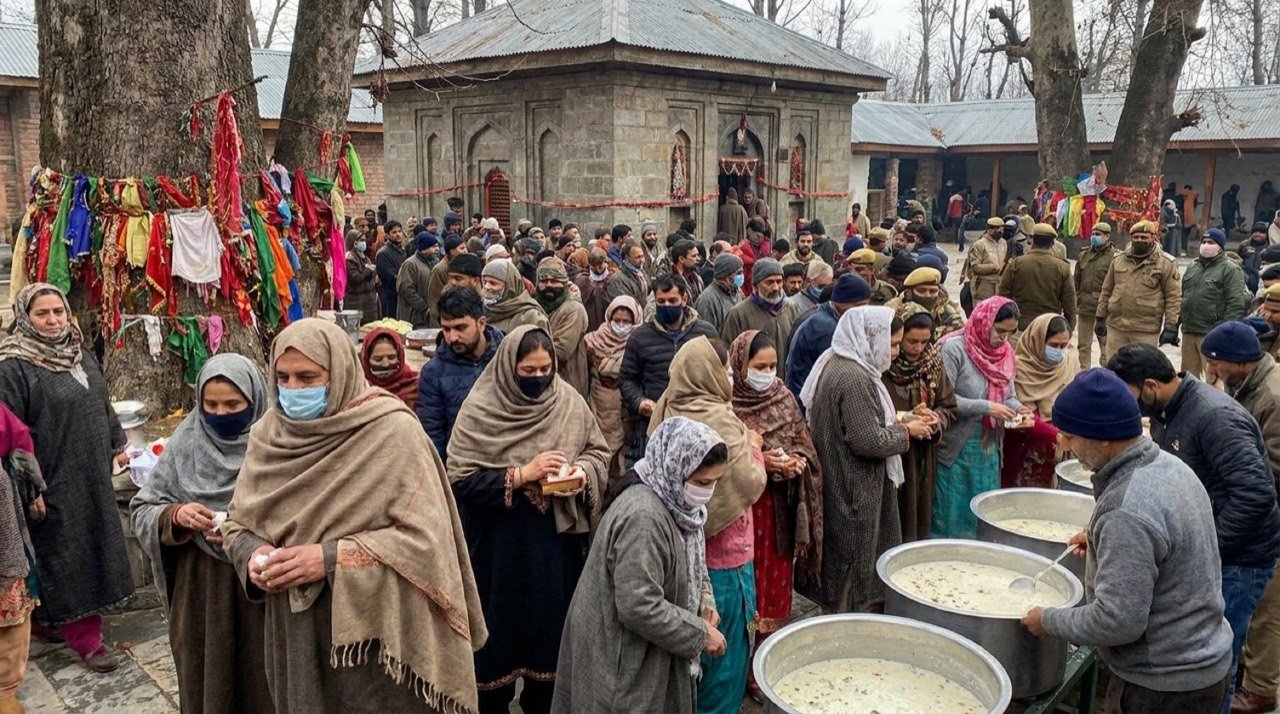
Kheer Bhawani Mela Draws Kashmiri Pandit Pilgrims to Tulmulla
Thousands of Kashmiri Pandits gathered at the Kheer Bhawani temple in Ganderbal for the annual Zyeshtha Ashtami mela, a pilgrimage of faith, memory and a wider message of coexistence in the Valley.
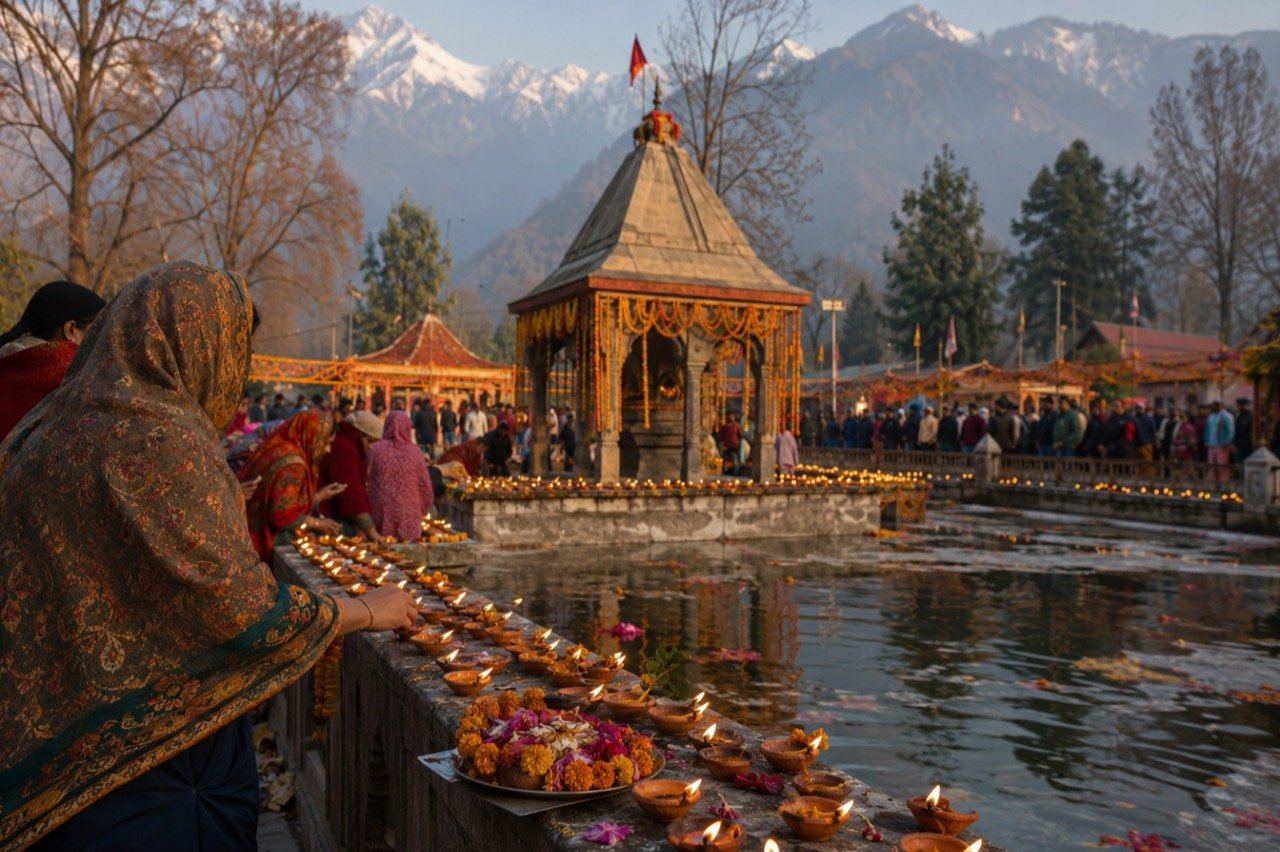
Kheer Bhawani Mela Returns to Public Focus as a Marker of Kashmir's Shared Life
The annual Kheer Bhawani Mela has again drawn devotees and attention to Kashmir, read by many as a barometer of confidence, continuity and coexistence in the Valley's public life.
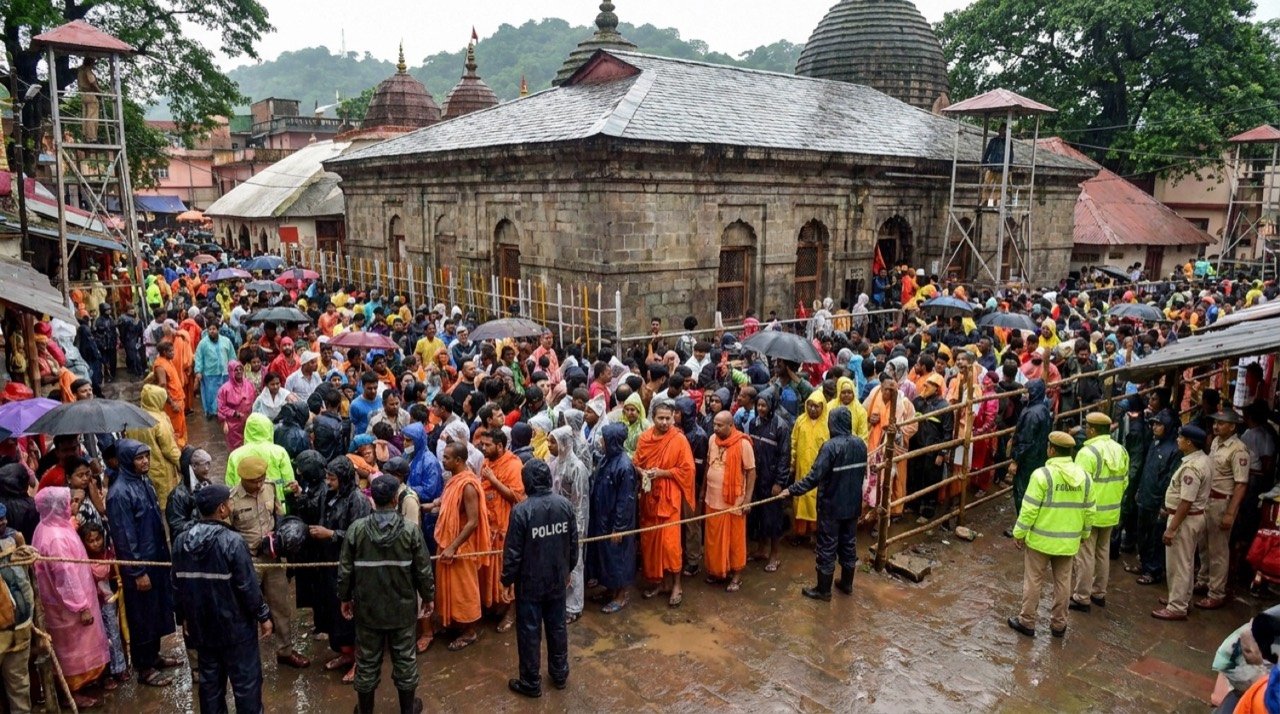
Ambubachi Mela Opens at Kamakhya Temple as Guwahati Braces for Monsoon Crowds
The annual Ambubachi Mela at Kamakhya Temple has drawn large crowds of devotees, putting crowd management, transport, health support and monsoon readiness at the centre of Guwahati's planning.
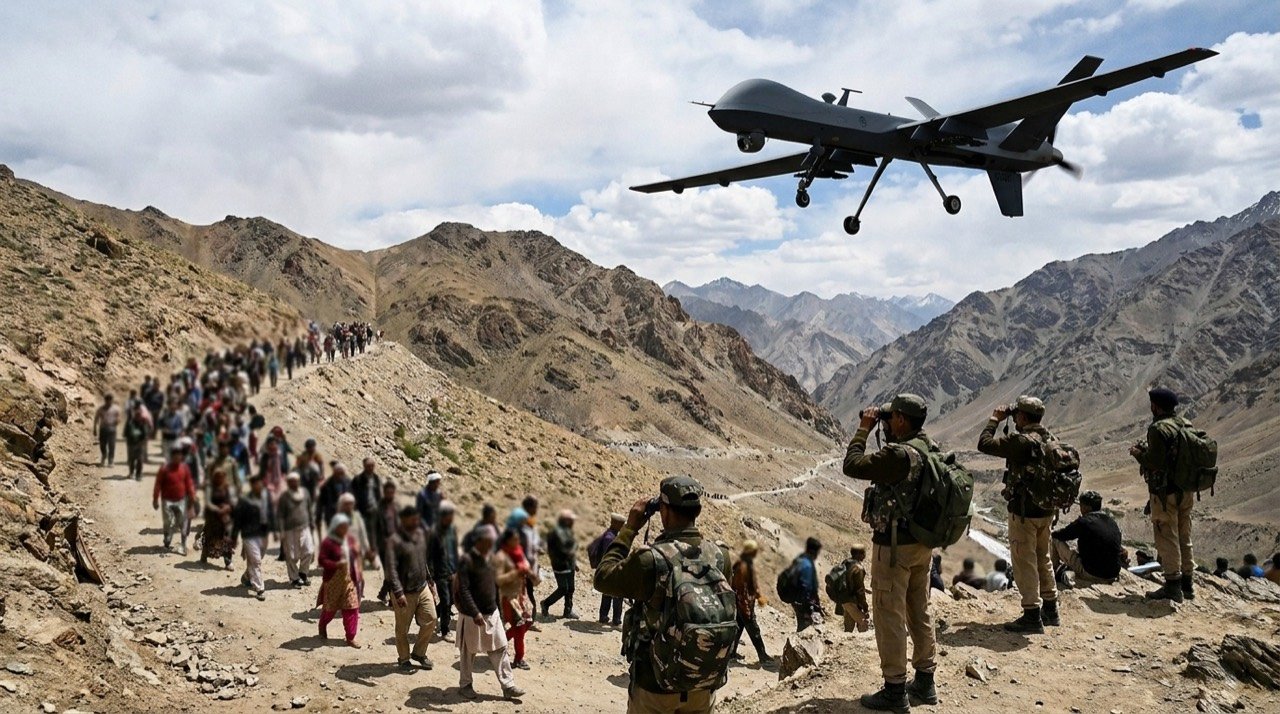
Project Hawk Eye: AI, Drones and Snipers to Guard the Amarnath Yatra
Anantnag police have unveiled Project Hawk Eye, a layered surveillance net of drones, facial recognition, hundreds of CCTV cameras and sniper teams to secure the 2026 Amarnath Yatra beginning 3 July.
More from this section
More
AICTE Industry Fellowship 2026: Rs 1.5 Lakh Scheme Closes July 5
The AICTE Industry Fellowship Programme 2026, which places technical-education faculty inside leading companies on a Rs 1.5 lakh monthly stipend, reached its application deadline on July 5.
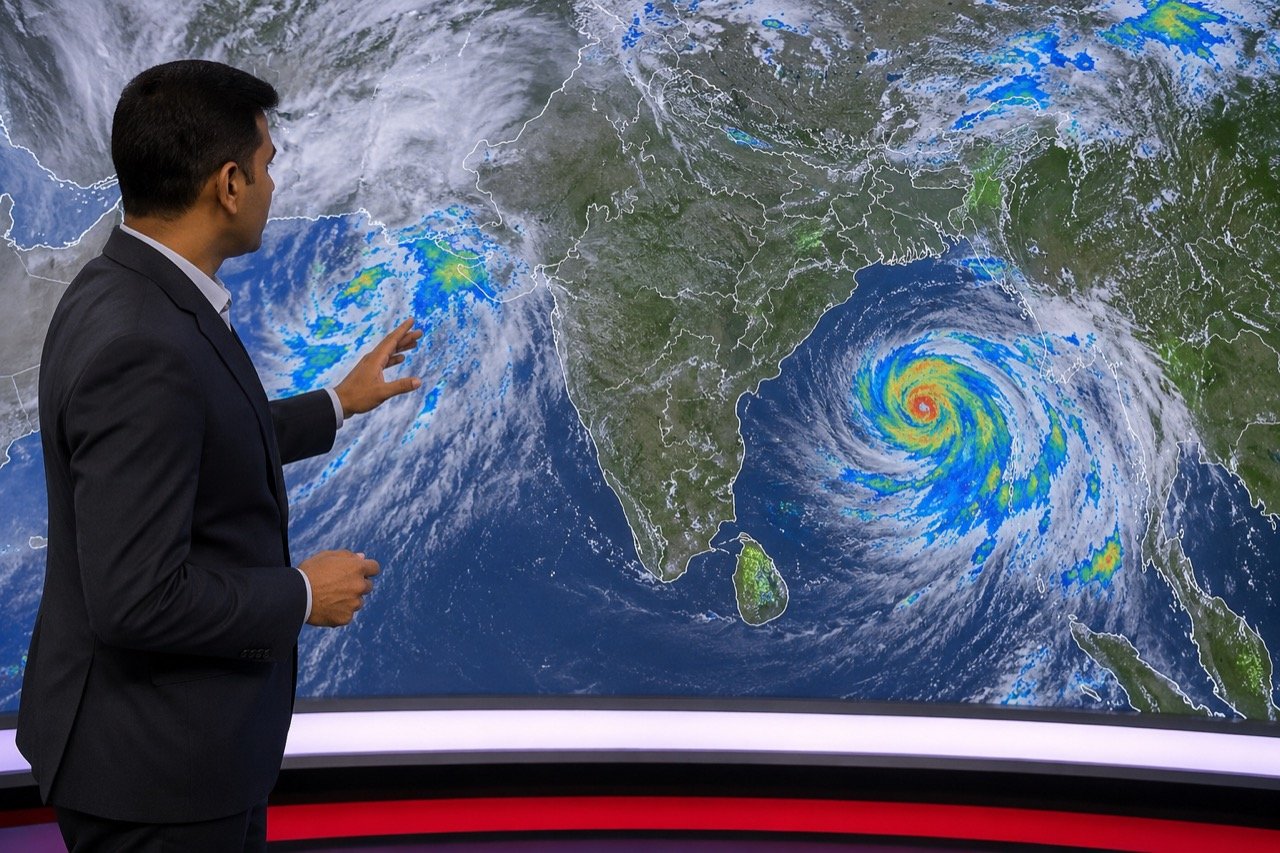
Bay of Bengal Low Pressure System Revives Monsoon Over Western India
A low-pressure system over the Bay of Bengal has pushed the monsoon back into an active phase, bringing steady heavy rain to Kerala, coastal Karnataka and Maharashtra, and putting Mumbai and Pune on preparedness watch.
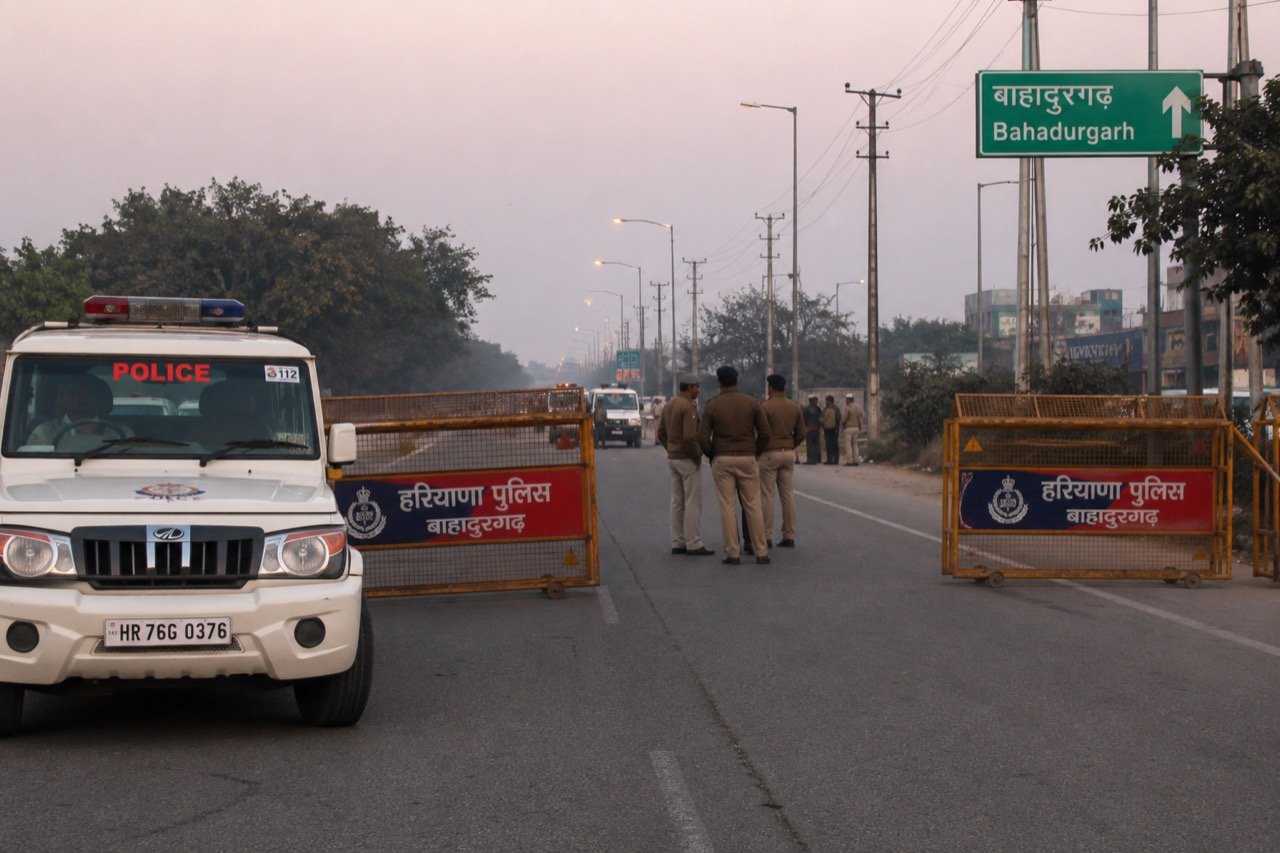
Bishnoi Gang Suspects Injured in Haryana Encounter as Police Tighten Net
A joint Haryana-Delhi Police operation in Bahadurgarh left two suspected Lawrence Bishnoi gang members injured, spotlighting the multi-state coordination now central to India's fight against organised crime networks.