Karnataka's Computer Science Seat-Cap Debate Tests Higher-Education Demand
Karnataka's standoff over expanding computer science engineering seats has intensified as universities push for capacity while the state guards quality, with CM Shivakumar moving cautiously.
Commentary & Analysis ·
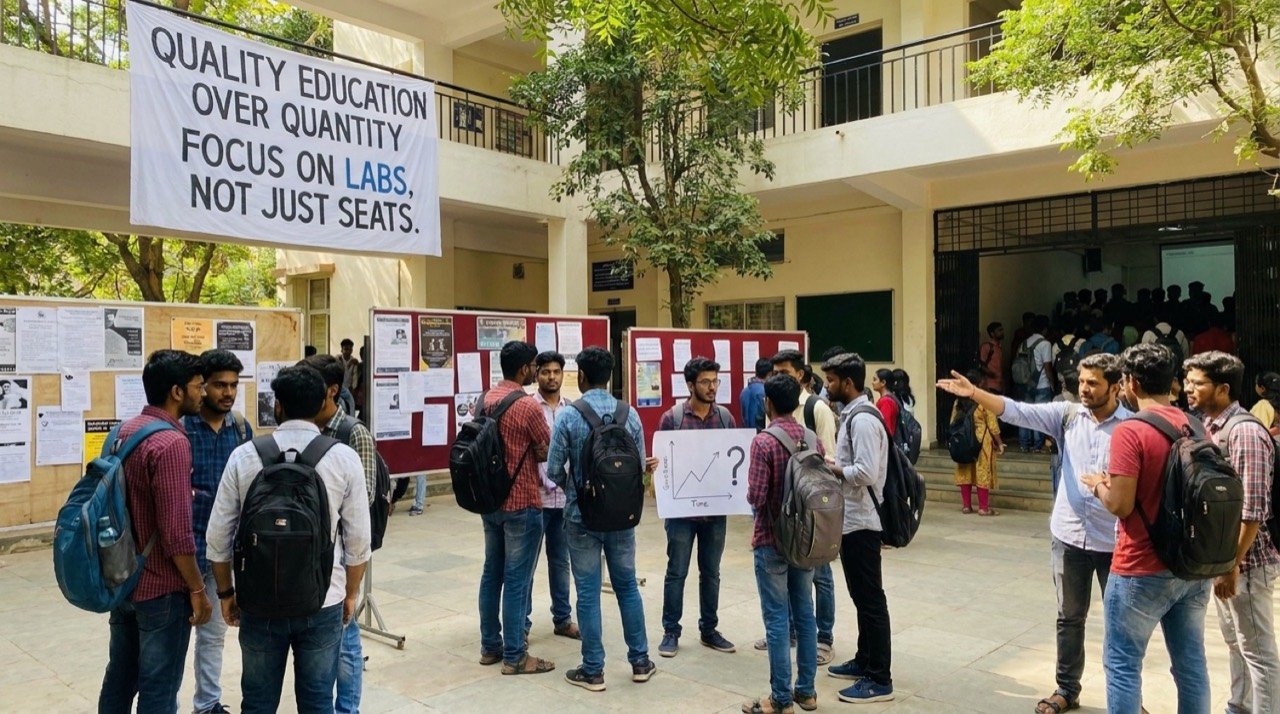
Karnataka's debate over computer science and related engineering seats has sharpened, as universities look for ways to expand capacity despite limits set by the state government. The disagreement has become a live test of how a leading education and technology state balances soaring student demand against the standards that give its degrees their value. It is, at its core, a dispute about what a college seat actually represents: a number on an admissions portal, or a genuine promise of teaching, infrastructure and employability. Karnataka's answer to that question will reverberate well beyond this admissions cycle.
Where the government stands
Reports said Chief Minister D. K. Shivakumar has moved cautiously, with officials explaining why the state had refused increases at some institutions. Rather than waving through every request to add seats, the administration has paused to weigh whether colleges can sustain larger intakes without diluting the experience they offer. That caution reflects a recognition that a seat is only as good as the teaching, laboratories and placement support behind it. Expanding numbers on paper without matching resources risks producing graduates the job market does not absorb.
This is a notable stance for a government to take, precisely because the political incentives usually run the other way. Adding seats is popular: it is easy to announce, it is welcomed by aspiring students and their families, and it allows colleges to expand revenue by admitting more fee-paying students. Refusing to do so, by contrast, invites accusations of bureaucratic obstruction or of protecting existing players from competition. That the state has nonetheless held the line at some institutions suggests officials are working from a defined threshold of capacity, rather than simply rationing approvals arbitrarily. Whether that threshold is applied consistently, and whether it is transparent enough for colleges to plan against, will determine how much credibility the policy earns.
Why demand is so high
The issue sits atop a wider pressure point in Bengaluru's technology economy. Student demand for computer science remains intense, fuelled by the city's status as India's software capital and the perception that a CS degree is the surest route into well-paid technology work. Universities, sensing that demand, are keen to grow.
This dynamic is self-reinforcing. Bengaluru's reputation as a technology hub draws students from across Karnataka and neighbouring states toward computer science programmes specifically, rather than engineering broadly. Colleges observe long queues for CS seats alongside comparatively tepid interest in some other engineering branches, and they respond, rationally enough, by seeking permission to convert or add capacity in the discipline that fills seats fastest. The result is a demand curve that keeps steepening: more students chase CS because that is where the perceived opportunity lies, and more colleges chase CS students because that is where the enrolment numbers are strongest. Left unmanaged, that cycle can outpace the slower-moving inputs, qualified faculty, updated curricula, functioning laboratories, that actually determine whether a degree delivers on its promise.
The quality-versus-quantity balance
Regulators, however, must balance that appetite against faculty strength, infrastructure and employability. Adding seats requires qualified teachers, functioning labs and the assurance that graduates can find relevant work. The core question for Karnataka is whether expansion can happen without weakening the standards that make its institutions credible.
Universities are pushing to expand computer science engineering seats. The state has refused increases at some institutions over quality concerns. CM D. K. Shivakumar is reported to be moving cautiously on the issue. Key constraints are faculty strength, infrastructure and employability. The outcome could shape counselling choices and college planning.
Each of these constraints deserves attention on its own terms. Faculty strength is arguably the hardest to fix quickly: qualified computer science teachers are themselves in demand from the same industry that employs graduates, and colleges cannot conjure experienced instructors overnight simply because a seat-cap has been lifted. Infrastructure, meanwhile, covers not just physical laboratories and computing equipment but also the less visible scaffolding of modern CS education, adequate internet bandwidth, updated software licences, and industry-relevant project work. Employability is the ultimate test that ties the other two together: a degree that cannot be backed by competent instruction and adequate facilities will, sooner or later, show up in placement statistics and salary outcomes, damaging the reputation of the very institutions that expanded to meet demand.
What is at stake for students and colleges
For families navigating admissions, the resolution matters directly: the number of CS seats available will shape counselling choices, cut-offs and the calculations students make about where to apply. A tighter seat-cap regime tends to push up cut-offs at established colleges and channels overflow demand toward newer or lower-ranked institutions, some of which may be exactly the ones the state is wary of expanding further. For colleges, it will influence investment and expansion planning for years. Institutions that have already invested in faculty and infrastructure ahead of approval may find themselves waiting on a regulatory decision that determines whether that investment pays off, while others may be tempted to seek approval first and build capacity later, precisely the sequencing the government appears determined to prevent.
How Karnataka settles the question, by tying any seat expansion to demonstrable capacity, or by holding firm on caps, will signal how the state intends to manage the gap between aspiration and academic quality in its most sought-after discipline. It will also be watched closely by other states grappling with similar pressure in their own technology and education hubs, since Karnataka's approach could become a reference point, for better or worse, in how seat-cap policy is justified and communicated elsewhere.
The NE Times View
Karnataka is caught in a real bind: unmet demand for computer science seats versus the risk of churning out underemployable graduates from underfunded colleges. Expanding capacity without faculty, labs and curriculum reform simply manufactures degrees, not skills, the trap engineering education already fell into a decade ago, when a wave of seat expansions across India left many campuses with idle laboratories and graduates unable to secure relevant work. Karnataka, of all states, should be acutely conscious of that history, given how directly its technology economy depends on the credibility of the degrees its colleges award.
Shivakumar's caution is defensible if it buys quality safeguards; it becomes a failure if it merely protects incumbents from competition. The distinction will be visible in how the state applies its criteria: if approvals and refusals are tied to transparent, verifiable measures of faculty and infrastructure, capacity growth becomes a genuine quality filter. If, instead, the pattern favours established institutions regardless of merit, the policy will look less like prudence and more like gatekeeping dressed up as caution. Either way, students currently navigating Karnataka's admissions cycle deserve clarity on which version of this policy they are dealing with.
Key takeaways
- Karnataka has refused seat-cap increases at some institutions even as universities push to expand computer science engineering capacity, with Chief Minister D. K. Shivakumar reported to be proceeding cautiously.
- Demand for CS seats remains intense due to Bengaluru's standing as India's software capital, creating pressure that is likely to persist regardless of how this particular dispute is resolved.
- Faculty strength, infrastructure and employability are the key constraints regulators must weigh before allowing further expansion.
- The outcome will directly affect counselling choices, cut-offs and college planning for students and institutions alike.
- The central risk, drawn from past experience in Indian engineering education, is that expanding seats without matching resources produces degrees without corresponding skills or job prospects.
You may also like to read

Bidadi Township Protest Becomes First Major Test for Karnataka CM DK Shivakumar
Farmers and the opposition are pressing Karnataka Chief Minister DK Shivakumar over the 9,000-acre Greater Bengaluru township near Bidadi, as final land-acquisition orders reignite a long-running land-rights dispute.
Bengaluru Police Fact-Check: NEET Aspirant's Delay Not Caused by Rally Traffic
Bengaluru police say CCTV footage and route analysis show a NEET candidate left home just 33 minutes before the cut-off, contradicting claims that a Congress rally blocked the route.
Bengaluru Police Reject Claim That Congress Rally Delayed NEET Aspirant
Bengaluru Traffic Police say CCTV footage does not support viral claims that a Congress rally caused a NEET candidate to miss her re-exam slot, citing a late departure and a longer route.
Bengaluru Triple Murder Probe Focuses On Daughter And Her Live-In Partner
Police investigating the killing of an elderly couple and their 19-year-old daughter in Bengaluru are examining whether family opposition to a relationship escalated into extreme violence.
More from this section
More
AICTE Industry Fellowship 2026: Rs 1.5 Lakh Scheme Closes July 5
The AICTE Industry Fellowship Programme 2026, which places technical-education faculty inside leading companies on a Rs 1.5 lakh monthly stipend, reached its application deadline on July 5.
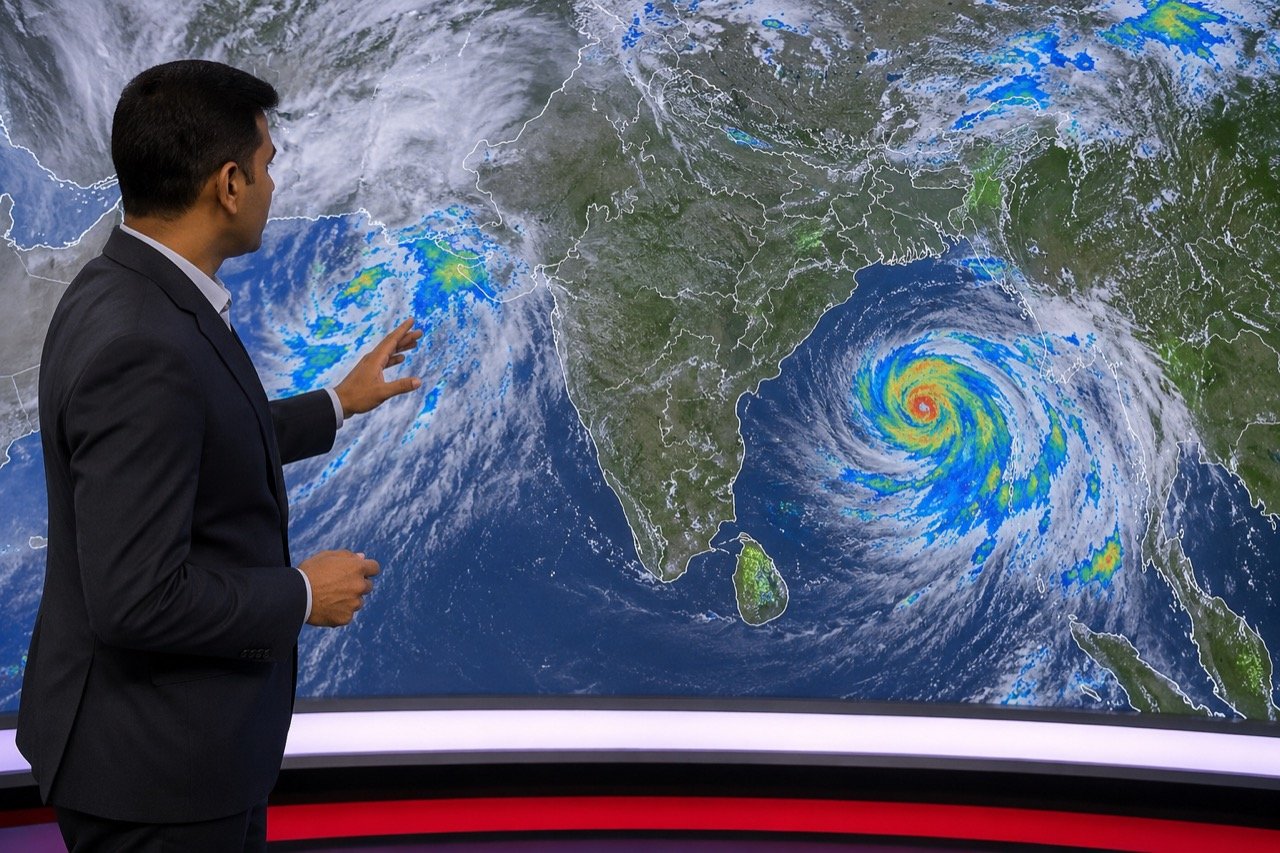
Bay of Bengal Low Pressure System Revives Monsoon Over Western India
A low-pressure system over the Bay of Bengal has pushed the monsoon back into an active phase, bringing steady heavy rain to Kerala, coastal Karnataka and Maharashtra, and putting Mumbai and Pune on preparedness watch.
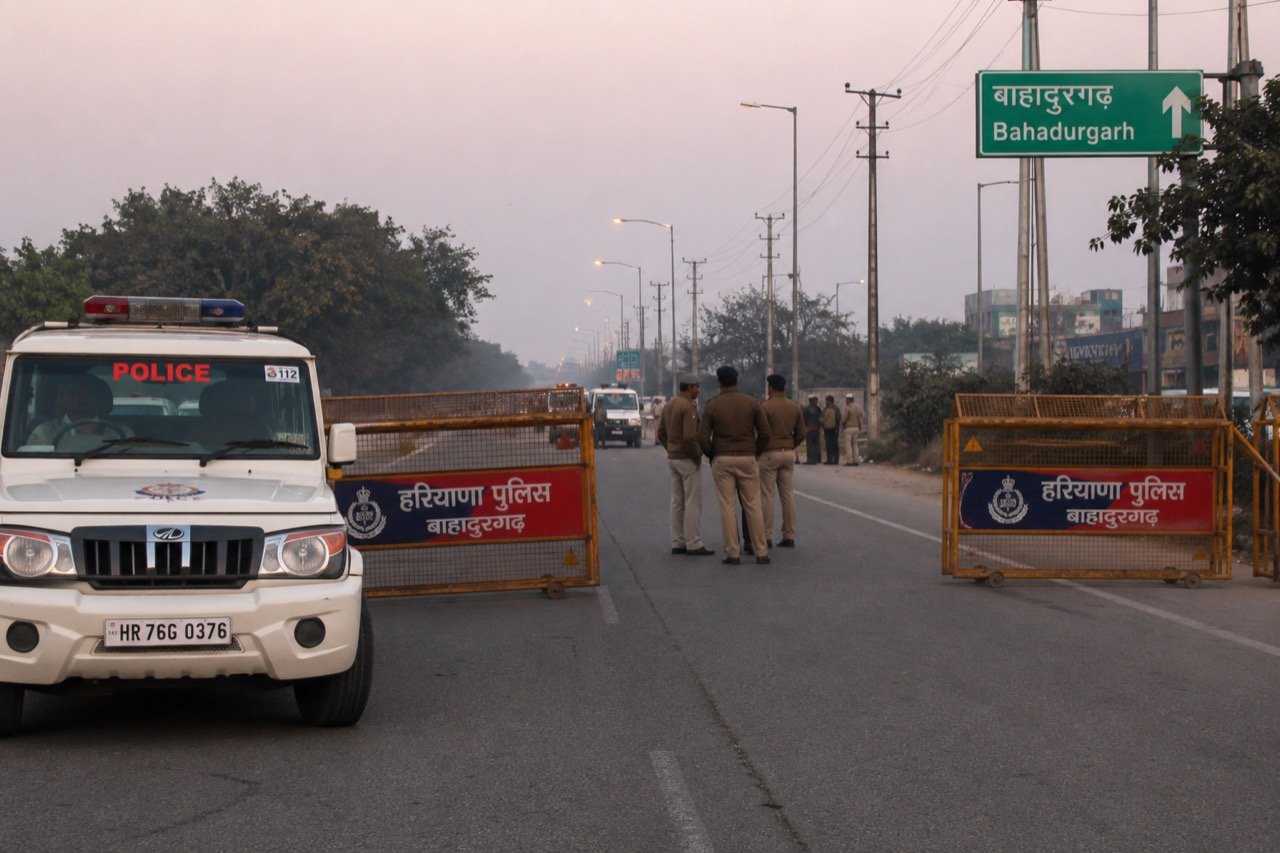
Bishnoi Gang Suspects Injured in Haryana Encounter as Police Tighten Net
A joint Haryana-Delhi Police operation in Bahadurgarh left two suspected Lawrence Bishnoi gang members injured, spotlighting the multi-state coordination now central to India's fight against organised crime networks.