Jasmine Sandlas Hyderabad Backlash: Why Fan Patience Is Running Out
Online criticism over delays and lip-syncing concerns at Jasmine Sandlas's Hyderabad show underlines how India's booming concert audiences now demand punctuality, transparency and respect for their time and money.
Commentary & Analysis ·
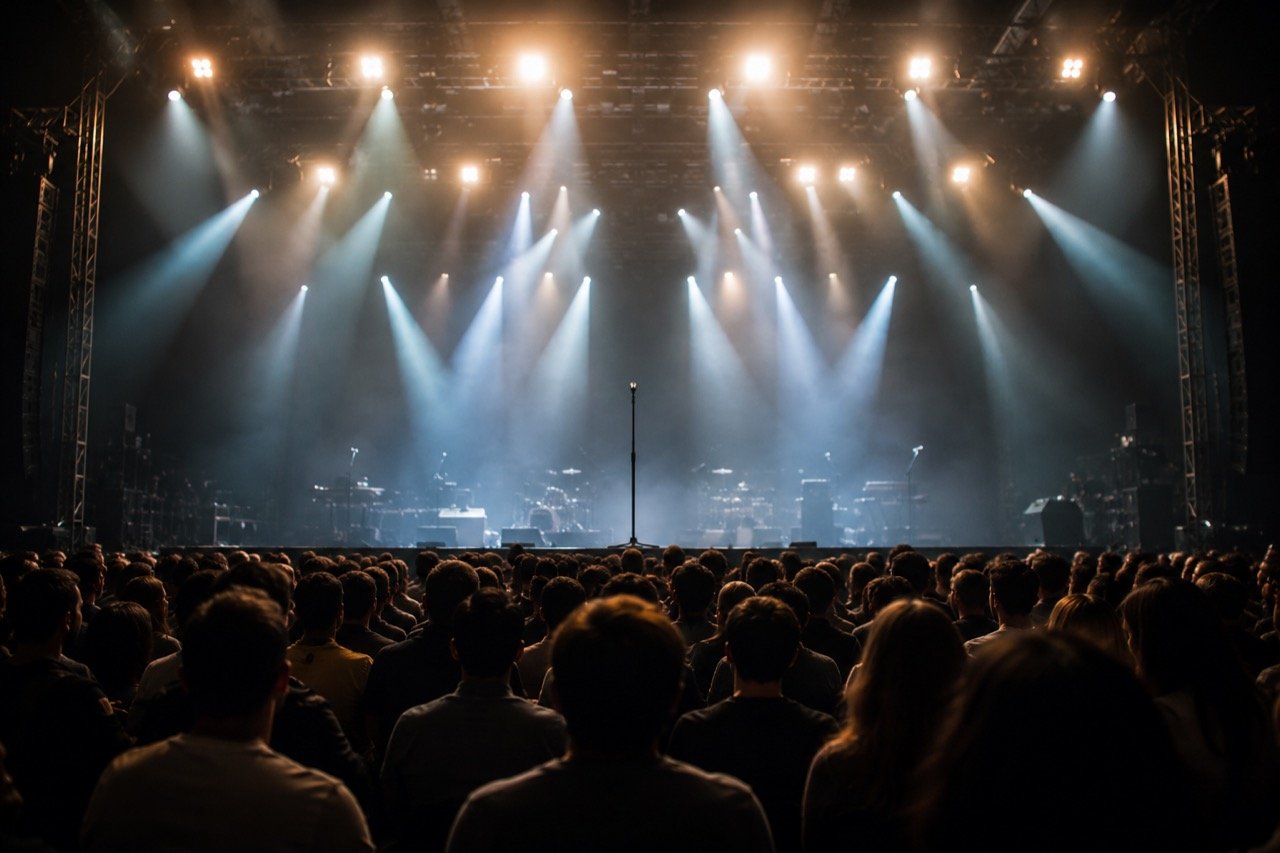
Punjabi pop star Jasmine Sandlas has found herself at the centre of an online storm after her Hyderabad concert drew complaints about delays and alleged lip-syncing. What might once have stayed a grumble inside the venue quickly spilled onto social media, turning a single evening's frustrations into a national entertainment talking point. The episode is a useful window into how quickly localised dissatisfaction can now travel, and how little room performers and organisers have to manage a bad night quietly.
What sparked the backlash
According to reports circulating among fans and entertainment outlets, attendees were unhappy with how long they waited for the performance to begin and raised questions about how much of the vocal delivery was genuinely live. Videos, comments and first-person accounts appeared online within hours, amplifying the criticism far beyond the crowd that was actually present. This is the pattern that now defines almost every live-event controversy in India: a grievance that begins with a few hundred or a few thousand people in a stadium or arena is, within hours, being discussed by millions who were never there and have no independent means of verifying what happened. The gap between direct experience and viral narrative is where much of the heat in this story comes from.
It is also worth noting how the two complaints reinforce each other. A late start is an inconvenience that can be forgiven if the show that follows delivers. But when a delayed start is paired with suspicion about lip-syncing, the two grievances compound: fans who already felt their patience had been tested are primed to interpret any imperfection in the vocal performance as further evidence that they were shortchanged. Whether or not that interpretation is fair in every instance, it is the lens through which the Hyderabad show is now being discussed.
A concert boom with rising expectations
The episode lands in the middle of a rapid expansion of India's live music economy. Hyderabad, Mumbai, Delhi and Bengaluru now host frequent ticketed shows, and audiences paying premium prices have come to expect smooth entry, on-time starts, strong sound and honest communication when something goes wrong. Star power alone no longer guarantees goodwill. This shift did not happen overnight. As ticket prices for concerts in these cities have climbed toward levels once associated only with international touring acts, audience expectations have climbed in step. Fans are no longer simply grateful for the chance to see a favourite artist in person; they are consumers who have paid a specific price for a specific experience, and they increasingly benchmark that experience against global touring standards they have seen documented online.
That benchmarking matters because it changes the emotional register of complaints. A late start at a free community event might draw a shrug. A late start at a show where tickets carried a significant price tag, and where fans may have travelled, taken time off work, or arranged childcare, reads as a breach of an implicit contract. The economics of the ticket itself have raised the stakes of every logistical hiccup.
Who actually bears responsibility
Crucially, the anger rarely distinguishes between the many parties behind a show. Organisers, venue teams and ticketing platforms all shape the experience, but when things go wrong the backlash usually lands on the most visible face on stage — in this case, the performer herself. This is one of the more structurally unfair aspects of modern concert controversies. Delays can stem from sound-check overruns, security bottlenecks at entry, technical faults with staging or lighting, or scheduling decisions made entirely by promoters and venue management, none of which the headline performer necessarily controls. Yet the artist is the only party whose face and voice the audience actually came to see, and so the artist becomes the face of the failure as well.
The lip-syncing question sits in a slightly different category, because it goes directly to the performer's own conduct rather than to logistics managed by others. Even so, without independent verification it is difficult for outside observers to establish exactly what portion of a show, if any, involved pre-recorded vocal elements — a common and often disclosed practice in large-scale productions worldwide, but one that becomes contentious the moment audiences suspect it was undisclosed or excessive relative to what they were promised.
Why social media accelerates the damage
What makes this kind of controversy different from a decade ago is not that concerts occasionally run late or that vocal authenticity is occasionally questioned — both have always happened — but the speed and scale at which frustration can now be documented and shared. A single fan's video clip, captioned with a complaint, can outperform official statements from the organisers within hours. Entertainment outlets then aggregate and report on the reaction itself, which further cements the narrative before all the facts are known. For a performer, this compresses the window for a considered response to almost nothing: silence for even a day or two can look like evasiveness, regardless of the underlying explanation.
The NE Times View
This controversy is less about one singer and more about a live entertainment industry growing up in public. Indian fans are now paying international-level ticket prices and, quite reasonably, demanding international-level professionalism in return. That is a fair expectation, and one the industry as a whole — not any single artist — will need to meet as the market matures. For Sandlas, the smart play is straightforward: acknowledge the criticism directly and let the next few shows do the talking, because audiences forgive artists who engage far more readily than those who go silent. Transparency about what caused the delay, and a clear account of how much of the performance was live, would likely do more to settle the matter than any amount of after-the-fact defensiveness.
For promoters and venues, the lesson is sharper still — accountability is now part of the product, and every delayed start or muddled set is one smartphone video away from becoming the story itself. As more cities host more frequent big-ticket shows, the organisations that build genuine operational discipline and honest communication into their events will be the ones that protect not just their own reputations but those of the artists they book. The ones that do not will keep generating exactly this kind of controversy, regardless of who happens to be headlining.
Key takeaways
- Complaints from Jasmine Sandlas's Hyderabad concert about delays and alleged lip-syncing spread rapidly online, turning a venue-level grievance into a national talking point.
- Rising ticket prices across cities such as Hyderabad, Mumbai, Delhi and Bengaluru have raised audience expectations to near-international standards.
- Responsibility for a show's failures is shared among organisers, venue teams and ticketing platforms, yet public anger typically falls on the performer as the most visible figure.
- Social media compresses the time performers and promoters have to respond, making early transparency more valuable than ever.
- As India's live music economy expands, accountability and clear communication are becoming as central to the product as the performance itself.
You may also like to read
Anime in India: How Fandom Went Mainstream, Says Comic Con Founder
Streaming access, regional dubbing and convention culture have turned anime from an internet subculture into mainstream Indian entertainment, with India now cited as the world's second-largest anime consumer market.
The Chainsmokers Return to India, Headlining Sunburn's Racecourse Debut
The Grammy-winning duo will play Mumbai, Delhi and Bengaluru this December, with their Sunburn headline slot marking the festival's first edition at Mumbai's Mahalaxmi Racecourse.
Diljit Dosanjh to Become First Punjabi Artist to Headline London's Wembley Stadium
With a solo date at the 90,000-capacity venue, the Punjabi superstar joins a roster headlined by Michael Jackson, Queen and Prince - a milestone moment for Indian music on the global stage.
Coldplay Set for Record-Breaking Ahmedabad Return as India's Stadium Era Accelerates
Nine years after their last visit, the band heads to Ahmedabad for two nights expected to draw more than 100,000 fans each - the latest sign that global superstars now treat India as a must-play market.
More from this section
More
72nd National Film Awards: Fans Back Mammootty, Allu Arjun, Sai Pallavi
Speculation around the 72nd National Film Awards is intensifying as fan communities across India's language film industries champion favourites including Mammootty, Allu Arjun and Sai Pallavi ahead of any official announcement.
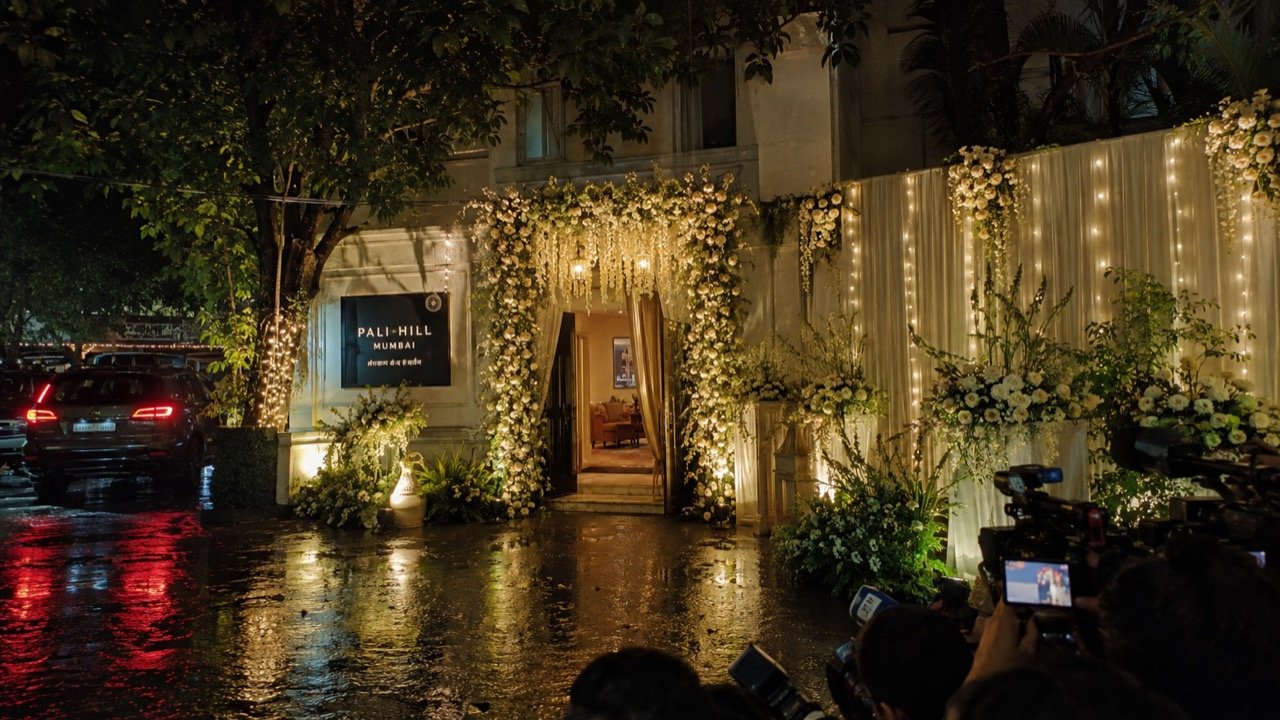
Aamir Khan Marries Gauri Spratt in Private Pali Hill Ceremony
Aamir Khan and Gauri Spratt tied the knot at the actor's Pali Hill home in Mumbai on July 5, turning a deliberately small family ceremony into Bollywood's biggest story of the day.
Akanksha Chamola's Lock Upp 2 Confession Sets Reality TV Abuzz
A personal revelation by Akanksha Chamola ahead of Lock Upp 2 has handed the reality show a viral talking point, underlining how confession-driven formats continue to dominate Indian television conversation.