India's Wholesale Inflation Jumps To 9.68% In May As New 2022-23 Base Year Debuts
Wholesale price inflation surged to 9.68% in May 2026 from 8.26% in April, driven by a near-30% spike in fuel and power, even as the government unveiled a revamped 2022-23 base-year series.
Commentary & Analysis ·
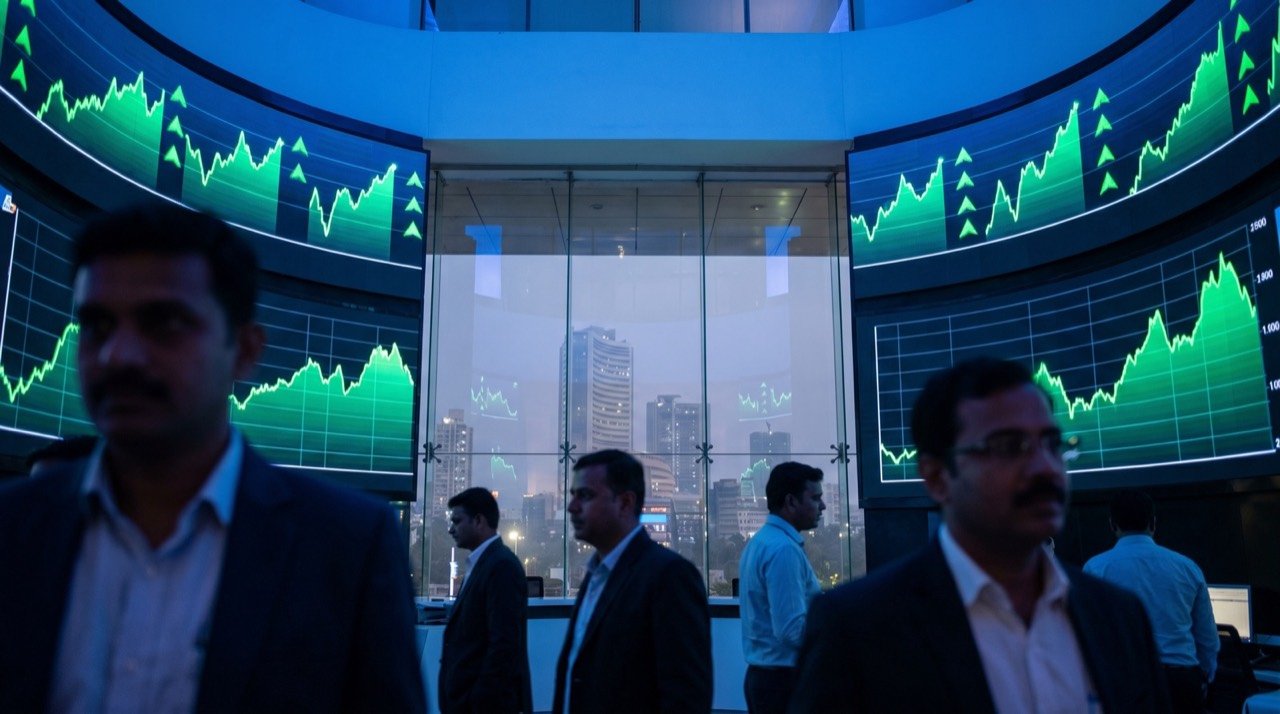
India's wholesale price inflation accelerated sharply to 9.68% in May 2026, its hottest reading in recent months, the Commerce and Industry Ministry said, as a steep climb in energy costs tied to the West Asia conflict rippled through the supply chain. The number, up from 8.26% in April, landed on the same day the government formally switched to a long-awaited new base-year series, complicating direct comparisons but underscoring the inflationary pressure building beneath headline retail prints.
Fuel and power do the heavy lifting
The bulk of the surge came from the fuel and power group, where annual inflation ran close to 30.33%, reflecting petrol and diesel price revisions that state-run retailers pushed through during the month for the first time in four years. Manufactured products, the largest weight in the index, rose 7.48%, while primary articles climbed 4.99%. The all-commodities index stood at 109.9 for May against 108.8 in April.
Food articles within the wholesale basket showed year-on-year inflation of 4.49%, up from 3.11% in April, signalling that the cost pressure was not confined to energy alone and was beginning to seep into broader categories.
A revamped index
Alongside the data, the ministry launched a revised Wholesale Price Index with 2022-23 as the base year, replacing the framework in use since 2011-12. The number of items tracked rose from 697 to 957, a move officials say better captures the structure of a fast-changing economy, including new manufactured goods and services-linked inputs that had grown in importance over the past decade.
- WPI inflation rose to 9.68% in May 2026 from 8.26% in April.
- Fuel and power inflation ran near 30.33% on higher petrol and diesel prices.
- Manufactured products inflation stood at 7.48%; primary articles at 4.99%.
- New 2022-23 base-year series expands tracked items from 697 to 957.
What it means for policy
Economists cautioned that the divergence between elevated wholesale inflation and a softer retail CPI print reflects how quickly imported energy costs feed into producer prices before reaching consumers. A sustained gap, they warned, could erode corporate margins and eventually push through to retail shelves, keeping the Reserve Bank of India cautious even as it holds rates steady.
“The headline jump is overwhelmingly an energy story, but the breadth in manufactured goods is what will worry the central bank if crude stays elevated.”
— Economist at a Mumbai brokerage
With a US-Iran de-escalation reportedly in the works, much will hinge on whether oil prices retreat in the coming weeks. A cooling in energy costs could quickly reverse the spike, but a prolonged standoff risks entrenching wholesale pressure and narrowing the RBI's room to ease later in the year.
The NE Times View
A near double-digit wholesale print, driven by a 30% fuel-and-power surge, signals cost pressure that will eventually reach household budgets and corporate margins. Debuting a new base year amid such a spike is awkward timing, inviting questions about whether the revision flatters or clarifies. The RBI's room to cut narrows. We watch for whether this is a geopolitics-driven blip or the start of stickier inflation.
This article is original commentary and analysis by The NE Times. Background facts were referenced from Business Standard and ANI.
You may also like to read
Oil Shock Tests India: Fuel Hikes, Wider Deficit Risk Loom Over Recovery
A West Asia-driven crude spike forced India's first petrol and diesel price hikes in four years and revived fears of a wider current account deficit, even as hopes of a US-Iran deal offered a lifeline.
India's Retail Inflation Edges Up to 3.93% in May on Costlier Food
Headline CPI rose from April's 3.48% as food inflation climbed to 4.78%, with tomato and personal-care prices among the biggest pressure points.

India’s New IIP Base Year 2022-23: Why the Industrial Production Index Has Been Rebuilt
The revised index aims to capture today’s manufacturing structure more accurately, but users must understand what changed before comparing new and old growth numbers.
India and US Resume High-Level Trade Talks in Delhi to Finalise First Phase of Pact
Commerce Minister Piyush Goyal says his US counterpart is in Delhi for ministerial talks, with reports naming USTR Jamieson Greer for two days of negotiations on tariffs and market access.
More from this section
More
Adani Case: US DOJ Pushes for Permanent Dismissal of Charges
The US Department of Justice has urged a judge to permanently dismiss charges against Gautam Adani, calling the case legally flawed — a reversal with consequences for markets, diplomacy and cross-border enforcement.

Akasa Air Inducts 40th Aircraft in Indian Aviation Scale-Up
Akasa Air's 40th aircraft, ferried to Bengaluru via Seattle, Reykjavik and Cairo, marks a fleet milestone for the young carrier and a fresh signal that India's aviation market remains firmly in expansion mode.
BARC Ratings Suspension Leaves Indian TV Industry Flying Blind
BARC's pause on television ratings has put India's broadcast measurement system under fresh scrutiny, leaving broadcasters, advertisers and media planners without the weekly audience data that anchors the TV economy.