India Pushes for Tariff Advantage Over Rivals in US Trade Deal, Says Goyal
India is seeking a US trade agreement that gives its exporters a comparative tariff edge over rival economies, Commerce Minister Piyush Goyal said, even as talks run long over the central question of tariff treatment.
Commentary & Analysis ·
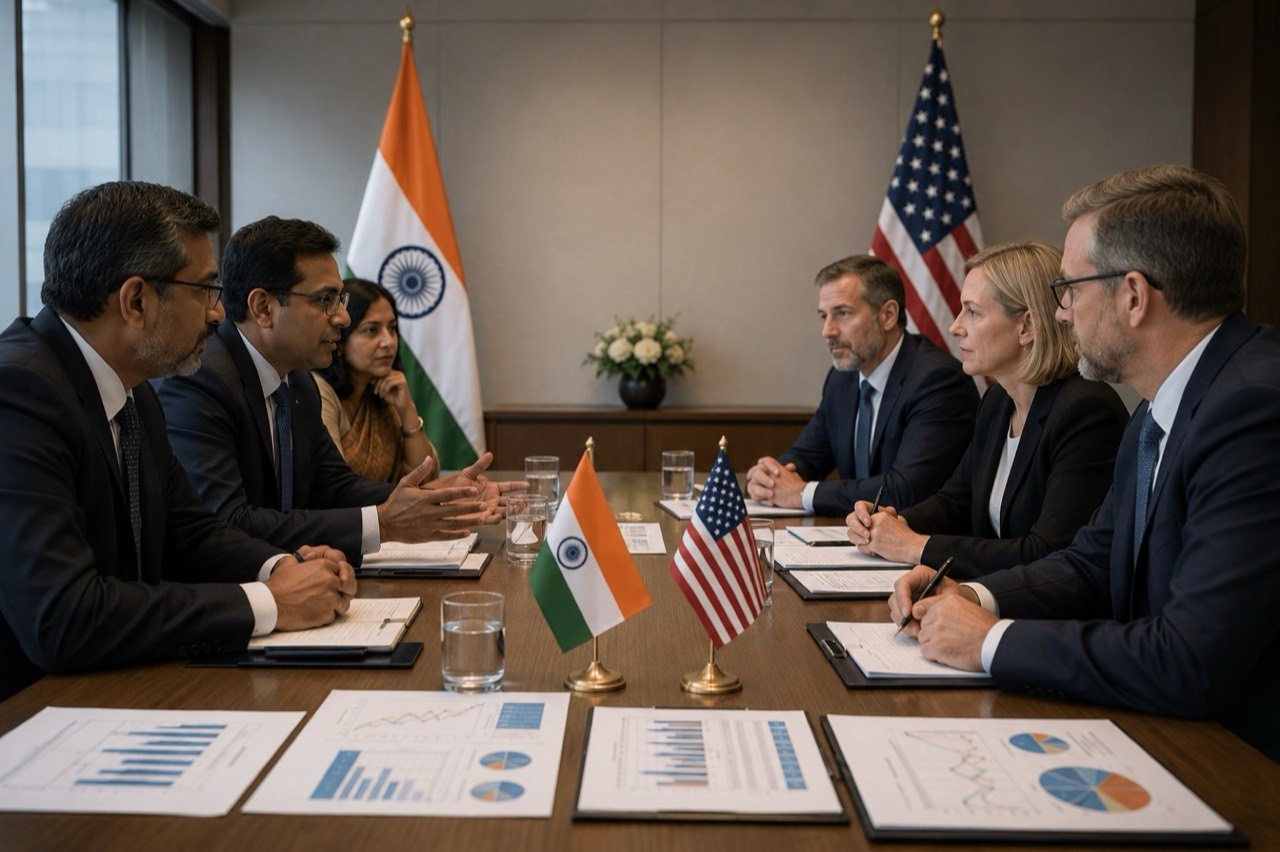
India is pushing to shape a trade deal with the United States that would give its exporters a comparative tariff advantage over rival economies, Commerce and Industry Minister Piyush Goyal said on June 22. The remarks underline how central the question of tariff treatment has become to the prolonged negotiation, and they signal that New Delhi is not merely seeking parity with competing exporting nations but an edge that improves the relative standing of Indian goods in the American market.
What India wants
New Delhi's core objective is terms that improve market access for Indian goods while protecting their competitiveness against exporters from other countries. In effect, India is seeking not just lower barriers but a relative edge that leaves its products better placed than those of peer economies. This is a more ambitious ask than a standard trade agreement typically delivers, since most such pacts aim at mutual reduction of barriers rather than a lopsided advantage for one side's exporters over third countries. Goyal indicated that a faster conclusion would be welcome, but stressed that speed cannot come at the cost of a deal that genuinely serves Indian exporters. That balance between urgency and substance has shaped New Delhi's posture throughout the talks, and it explains why Indian negotiators have resisted pressure to wrap up discussions merely to produce an announcement.
The distinction between a deal that merely levels the playing field and one that tilts it in India's favour is not a semantic nicety. For exporters operating on thin margins, a few percentage points of tariff differential relative to competitors such as Vietnam, Bangladesh or China can determine whether an overseas buyer places an order with an Indian firm or looks elsewhere. Goyal's framing therefore reflects an understanding that in global trade, relative position often matters more than absolute terms.
Why the talks are taking time
Reports said the negotiations have run longer than expected precisely because tariff treatment sits at the heart of the discussions. Where duties land determines whether an agreement delivers the comparative advantage India is chasing or merely levels the field. Trade pacts of this kind involve trade-offs across many sectors at once, and resolving who gives ground on which lines is rarely quick. Each sector carries its own political constituency on both sides of the table, and concessions granted in one area typically have to be balanced against gains sought in another.
This is not unusual in bilateral trade negotiations of this scale, but it does mean that timelines are difficult to predict with any confidence. A negotiation that touches goods, market access and potentially other contentious areas cannot be rushed without one side or the other feeling shortchanged, and both India and the United States appear to recognise that a hastily concluded text could create more problems than it resolves down the line.
Who has the most at stake
The outcome matters most for sectors that compete on thin duty margins. Textiles, engineering goods, gems and jewellery, agriculture-linked exports and small manufacturers all stand to gain or lose depending on the final tariff lines. For many small and medium exporters, even a modest tariff edge can be the difference between winning and losing orders in a crowded global market. These are also sectors that employ large numbers of workers relative to their export value, meaning the human and economic stakes of the eventual settlement extend well beyond the balance sheets of exporting firms.
Textile exporters, for instance, have long argued that duty differentials versus competing supplier nations shape sourcing decisions made by large American retailers months or even years in advance. Gems and jewellery exporters face similarly fine margins, where currency movements and tariff treatment together decide competitiveness. For engineering goods manufacturers, many of them small and medium enterprises without the scale to absorb tariff shocks, the outcome of these talks could determine whether they expand capacity or retrench.
The negotiating dynamics ahead
With both sides aware that delay carries costs, the coming rounds will test whether negotiators can settle the tariff question on terms New Delhi judges favourable. For India's exporters, the stakes are measured not just in market access but in their standing against the competition. Goyal's public comments, made on June 22, also serve a signalling function domestically and internationally: they set expectations among Indian industry that the government will not settle for a deal that merely matches what rivals already enjoy, while simultaneously communicating to Washington that India sees a comparative advantage as a legitimate and non-negotiable goal rather than a bargaining opening to be traded away early.
Such public positioning is a familiar feature of trade diplomacy. Ministers on both sides routinely use statements to the press to shape the narrative around a negotiation even as the substantive back-and-forth continues behind closed doors. Goyal's remark that "the faster the better, but the deal must serve Indian exporters" captures this dual messaging: an acknowledgement that both governments would like to show progress, paired with a clear marker that India will not sacrifice substance for speed.
The NE Times View
Seeking a tariff edge over rivals is sound negotiating ambition, but Washington rarely hands out preferential treatment without extracting concessions on agriculture, data or market access. Goyal's framing sets a high bar that the final text must actually meet. The danger is a deal sold as an advantage that, on inspection, trades long-term openings for short-term wins. Indian exporters need the fine print, not the slogan.
It is worth remembering that trade agreements are judged less by the rhetoric that accompanies their signing than by the granular tariff schedules and rules-of-origin provisions buried in their annexes. A headline claim of "advantage" can coexist with a text that quietly concedes ground in areas such as agricultural market access or data localisation, concessions whose costs may not become apparent for years. The onus is on Indian negotiators, and on the ministries reporting to Parliament and industry, to ensure that whatever emerges from these talks can withstand scrutiny sector by sector, not merely as a political headline.
Key takeaways
- India is seeking a comparative tariff advantage over rival exporting economies in its trade deal with the United States, not merely equal treatment, Commerce Minister Piyush Goyal said on June 22.
- Tariff treatment remains the central sticking point that has extended the negotiations beyond initial expectations, given the sector-by-sector trade-offs involved.
- Textiles, engineering goods, gems and jewellery, agriculture-linked exports and small manufacturers have the most riding on the final tariff lines, as thin margins make even small duty differences commercially decisive.
- Goyal has signalled that India favours a swift conclusion but will not sacrifice substance for speed, underscoring New Delhi's cautious negotiating posture.
- The real test will lie in the fine print of any eventual agreement, particularly on agriculture, data and market access, rather than in the language used to announce it.
You may also like to read
US Trade Chief Greer's India Visit Puts First Tranche of Trade Deal in Focus
USTR Jamieson Greer's New Delhi talks with Piyush Goyal have pushed the long-stalled India-US trade agreement into a decisive phase, with tariffs, market access and an early package on the table.
India Seeks Preferential Market Access in US Trade Talks, Says Goyal
Commerce Minister Piyush Goyal says India wants a US trade deal that hands its exporters a competitive edge, with market access, tariff lines and rules of origin now at the heart of negotiations.
India and US Resume High-Level Trade Talks in Delhi to Finalise First Phase of Pact
Commerce Minister Piyush Goyal says his US counterpart is in Delhi for ministerial talks, with reports naming USTR Jamieson Greer for two days of negotiations on tariffs and market access.
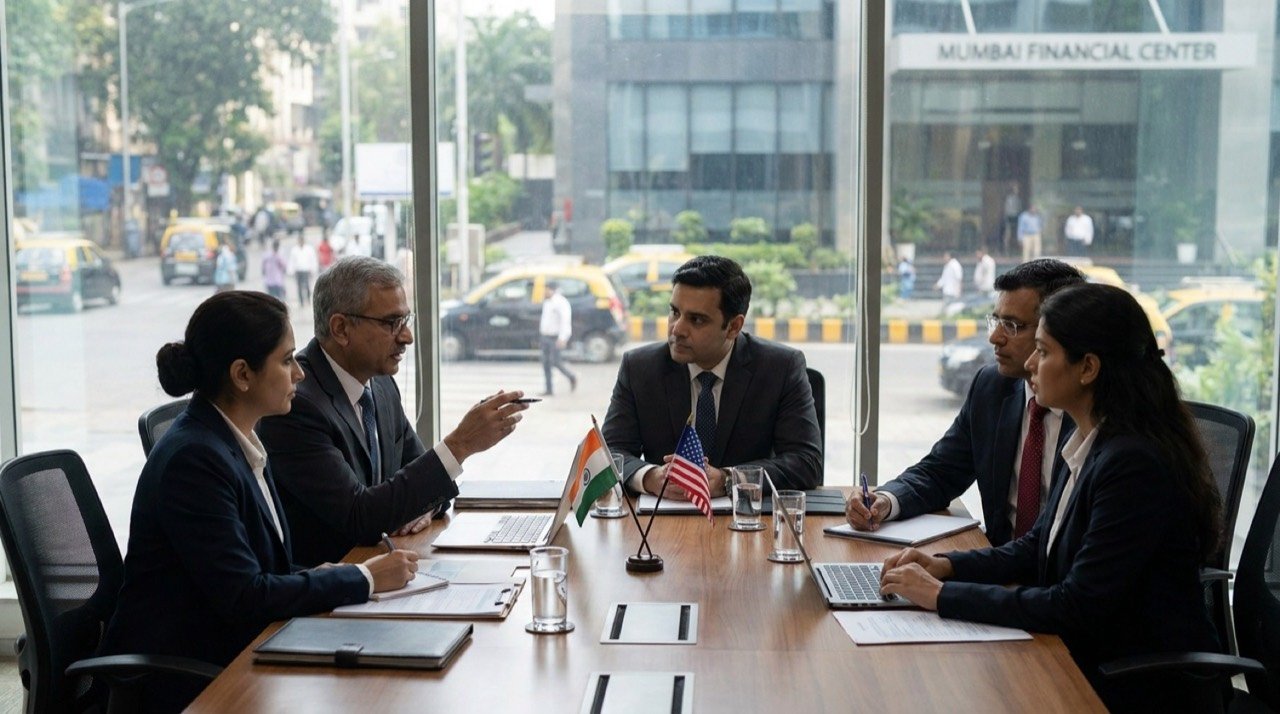
India-US Interim Trade Deal Enters Final Stretch Ahead of July Tariff Deadline
With a July tariff deadline looming, New Delhi and Washington are racing to seal an interim trade pact that shields sensitive sectors while securing predictable access to India's largest export market.
More from this section
More
Adani Case: US DOJ Pushes for Permanent Dismissal of Charges
The US Department of Justice has urged a judge to permanently dismiss charges against Gautam Adani, calling the case legally flawed — a reversal with consequences for markets, diplomacy and cross-border enforcement.

Akasa Air Inducts 40th Aircraft in Indian Aviation Scale-Up
Akasa Air's 40th aircraft, ferried to Bengaluru via Seattle, Reykjavik and Cairo, marks a fleet milestone for the young carrier and a fresh signal that India's aviation market remains firmly in expansion mode.
BARC Ratings Suspension Leaves Indian TV Industry Flying Blind
BARC's pause on television ratings has put India's broadcast measurement system under fresh scrutiny, leaving broadcasters, advertisers and media planners without the weekly audience data that anchors the TV economy.