India Launches 2026 Tiger Census, Billed as World's Largest Wildlife Survey
The sixth national tiger estimation is rolling out across reserves and, for the first time, beyond protected corridors, deploying tens of thousands of camera traps and thousands of field staff.
Commentary & Analysis ·

India has begun its 2026 All India Tiger Estimation, the sixth cycle of a survey widely described as the largest wildlife count in the world. Building on the 2022 exercise that recorded 3,682 tigers, the new census combines on-foot field surveys with a vast camera-trap network spread across the country's reserves and forest divisions.
Conducted roughly every four years, the estimation has become one of the most ambitious recurring scientific exercises India undertakes, mobilising forest departments across many states and generating a dataset that underpins conservation policy for years afterward. The headline tiger number it produces is closely watched, but the survey's real value lies in the detailed picture it builds of where the cats are, what they eat and how they share space with people.
Counting beyond the parks
For the first time, the estimation is being extended to areas outside designated wildlife sanctuaries and corridors, an attempt to capture tigers and prey moving through human-dominated and unprotected landscapes. It is a significant methodological step, acknowledging that tigers do not respect the boundaries of reserves and increasingly turn up in forests, plantations and farmland edges that fall outside formal protection.
Surveying these mixed landscapes is harder and more sensitive than working inside a national park. It brings the count into closer contact with villages, agriculture and infrastructure, and the data it yields could reshape how authorities think about conflict, connectivity between populations and the long-term viability of tigers living alongside dense human settlement.
How the count works
In early phases, forest staff walk designated transects over several days, logging pugmarks, scat, claw marks and prey remains. The camera-trap phase then deploys tens of thousands of motion-sensitive cameras on a grid system, with paired cameras in each block capturing images used to identify individual tigers by their unique stripe patterns.
The two phases complement each other. The foot surveys map the broad signs of tiger and prey presence across enormous areas, while the camera traps deliver the hard evidence needed to identify and count individual animals. Because every tiger's stripe pattern is distinct, paired cameras photographing both flanks allow analysts to tell one animal from another and avoid double-counting - the foundation of a credible national estimate. The process can be summarised as:
- Foot surveys along fixed transects, recording pugmarks, scat, claw marks and prey remains
- A grid of tens of thousands of motion-triggered camera traps
- Paired cameras capturing both flanks of each animal
- Individual identification of tigers from their unique stripe patterns
More than a number
Beyond a headline number, the exercise assesses prey density, forest quality and human-wildlife interaction, feeding into conservation planning. State-level surveys are already under way, with recent reserve-level gains raising expectations ahead of the consolidated national report.
These supplementary measures are what make the census a management tool rather than a mere tally. Prey density signals whether a forest can support more predators; forest-quality data flags habitat under stress; and records of human-wildlife interaction guide where conflict mitigation is most urgently needed. Together they help authorities decide where to direct funding, anti-poaching effort and habitat protection.
As the field and camera phases roll out and state results feed into the national picture, attention will turn to whether the 2026 estimate builds on the gains of recent years - and to what the expansion beyond protected areas reveals about tigers living in the spaces India shares between forest and farm. The eventual consolidated report will set the benchmark against which the next cycle is measured.
The NE Times View
Extending the count beyond protected corridors is a quietly important shift, acknowledging that tigers and people increasingly share the same landscape. The scale is genuinely world-leading and a conservation success worth claiming. But headline numbers must not mask the harder story of habitat fragmentation and rising human-wildlife conflict. A rigorous census is valuable only if it drives policy on corridors and coexistence, not just celebratory totals.
This article is original commentary and analysis by The NE Times. Background facts were referenced from The Hindu, Times of India.
You may also like to read
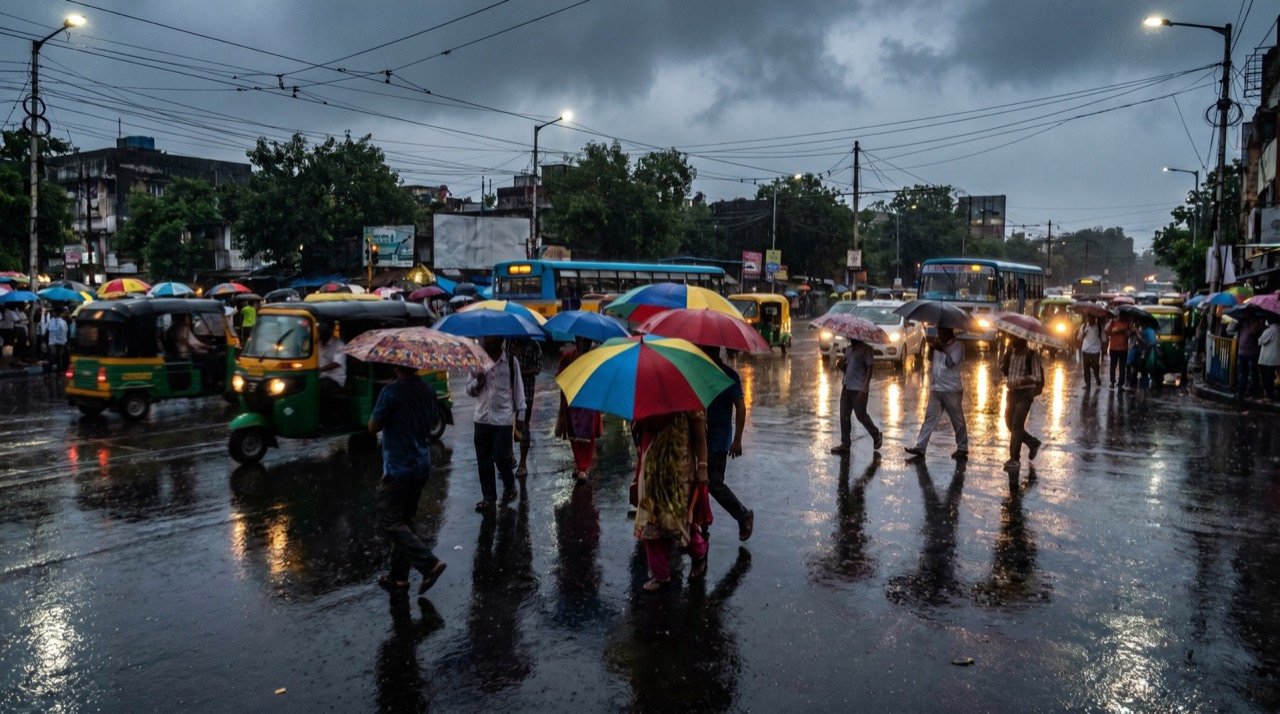
India hosts first Big Cat Alliance summit in New Delhi, aiming for a global declaration
The inaugural International Big Cat Alliance summit gathers member and observer nations under the theme 'Save Big Cats, Save Humanity, Save Ecosystem', with a first-of-its-kind Delhi Declaration on conserving seven big cat species at its centre.
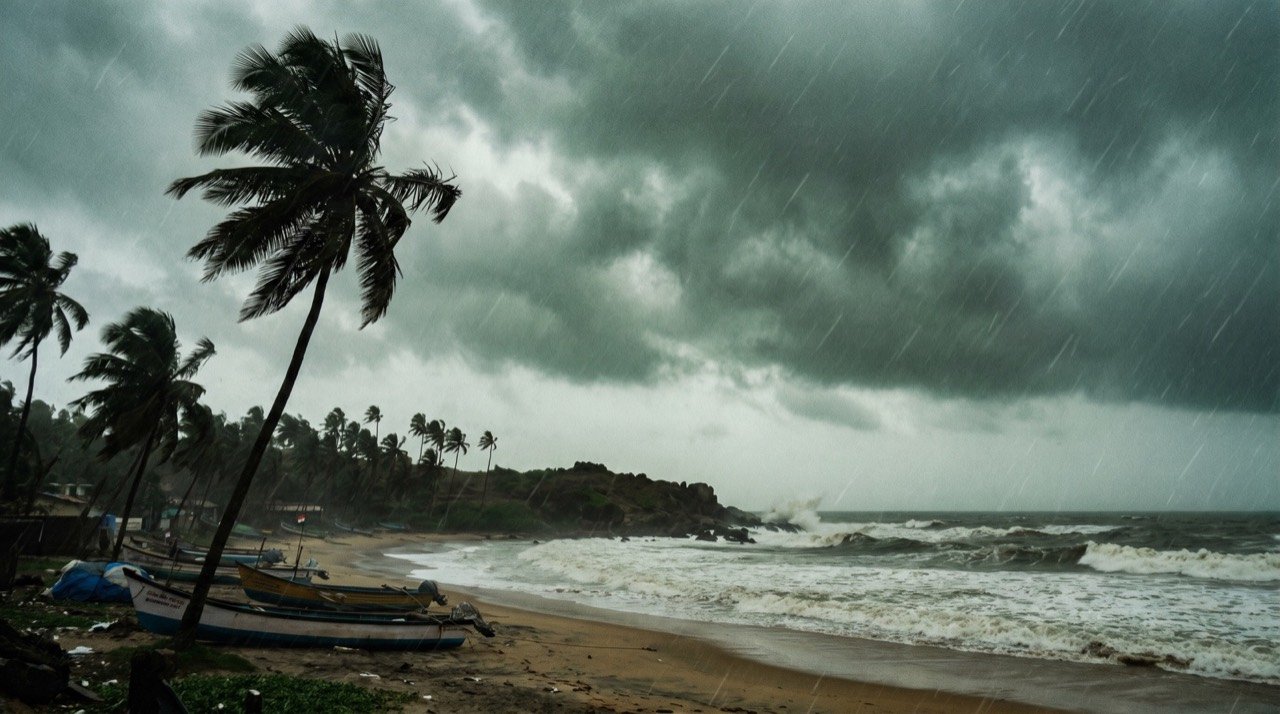
Aravalli Restoration And Air Quality Dominate India's Environment Agenda
A major Aravalli restoration drive and worsening dust pollution have moved to the centre of India's environment debate, as a new report flags rising extreme weather and human-wildlife conflict.

Supreme Court Recall of Ban on Retrospective Green Clearances Sparks Pollution-Law Debate
A 2-1 majority recall of the 2025 verdict outlawing ex post facto environmental clearances has reopened a fierce debate over whether penalties can substitute for prior approval on major projects.
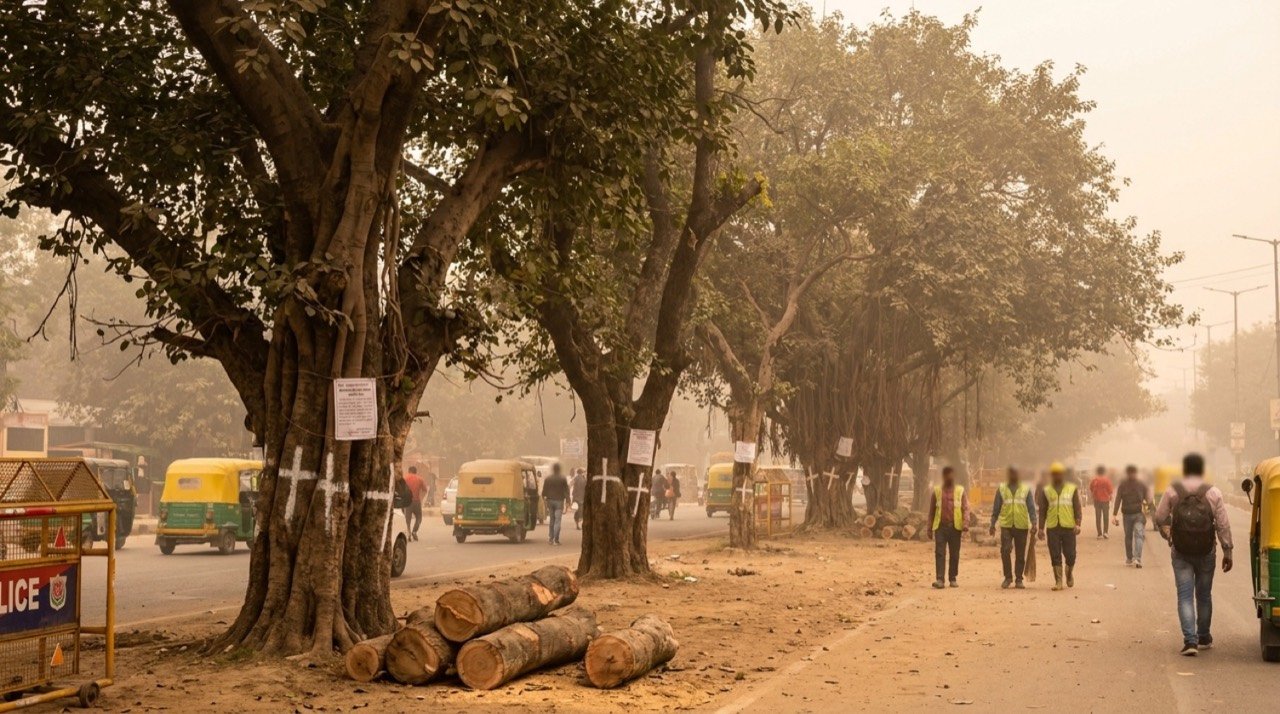
Delhi's New Tree-Cutting SOP Adds Video Evidence and Arrest Warning
Delhi is preparing a tougher standard operating procedure for illegal tree felling, with video recording of enforcement and arrest warnings, as the capital battles heat, pollution and shrinking green cover.
More from this section
More
AICTE Industry Fellowship 2026: Rs 1.5 Lakh Scheme Closes July 5
The AICTE Industry Fellowship Programme 2026, which places technical-education faculty inside leading companies on a Rs 1.5 lakh monthly stipend, reached its application deadline on July 5.
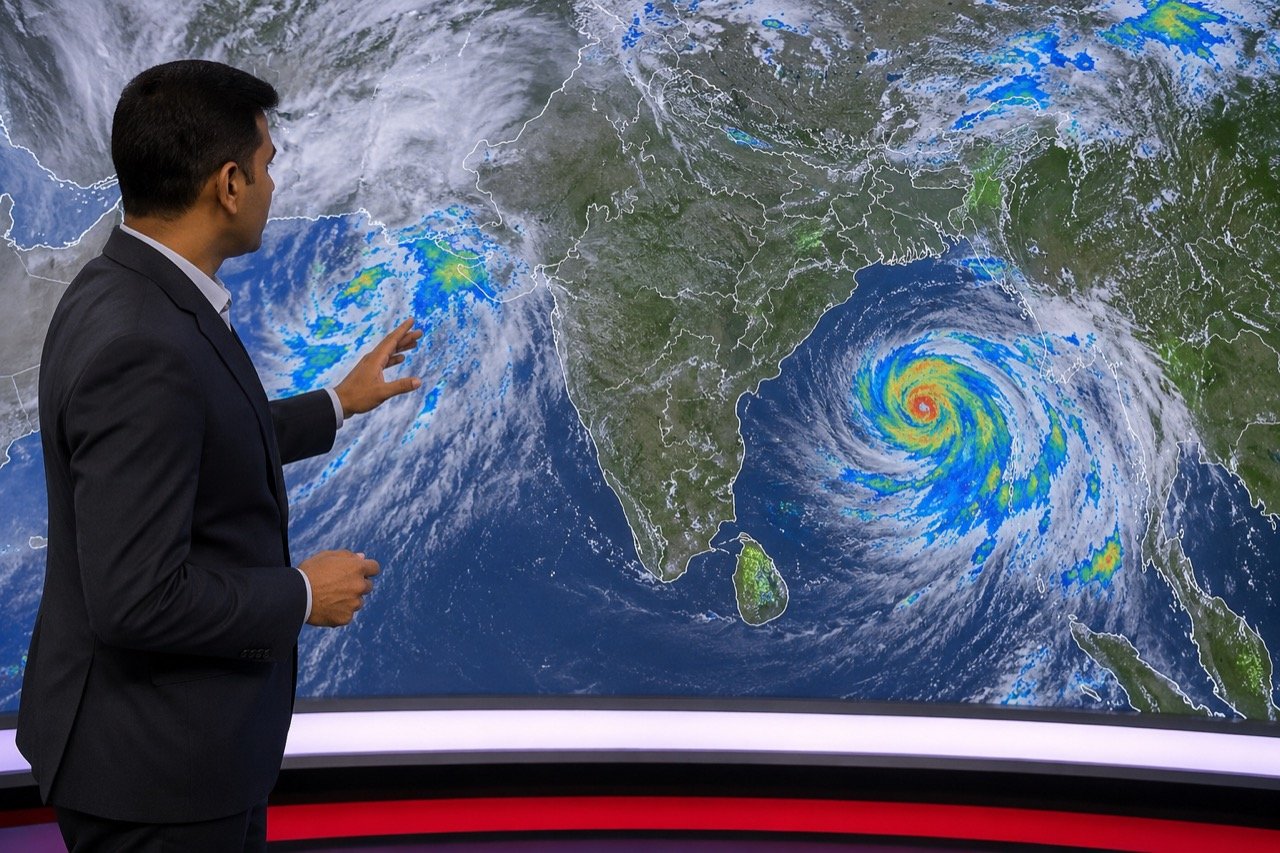
Bay of Bengal Low Pressure System Revives Monsoon Over Western India
A low-pressure system over the Bay of Bengal has pushed the monsoon back into an active phase, bringing steady heavy rain to Kerala, coastal Karnataka and Maharashtra, and putting Mumbai and Pune on preparedness watch.
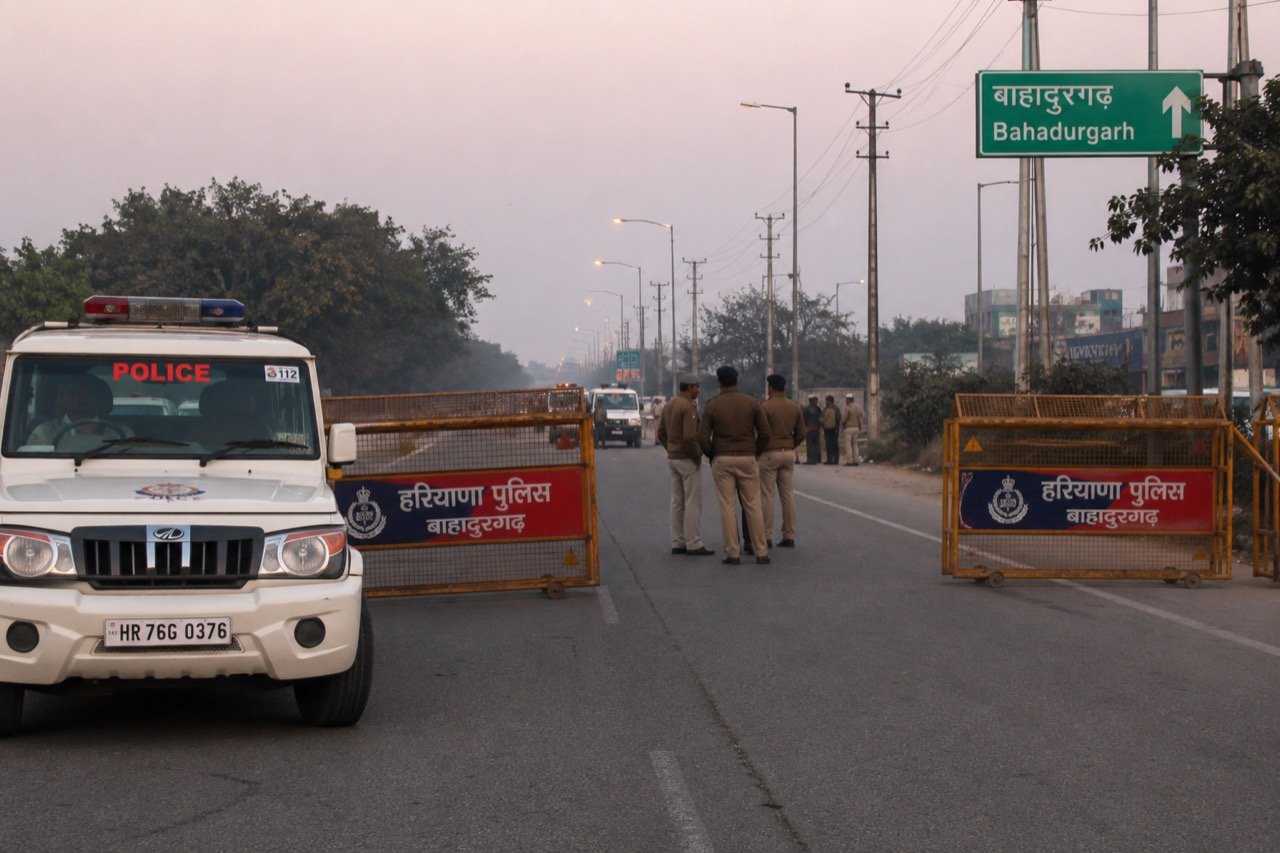
Bishnoi Gang Suspects Injured in Haryana Encounter as Police Tighten Net
A joint Haryana-Delhi Police operation in Bahadurgarh left two suspected Lawrence Bishnoi gang members injured, spotlighting the multi-state coordination now central to India's fight against organised crime networks.