India's Chip Ambitions Take Shape As Tata Fab And Micron Plant Advance
With a notified SEZ for the Tata fab in Dholera, Micron's assembly plant operational and 13 projects cleared under the national mission, India's semiconductor build-out is moving from paper to silicon.
Commentary & Analysis ·

India's long-discussed push to build a domestic semiconductor industry is increasingly visible on the ground. A clutch of major projects is now either operational or in advanced construction, anchored by the Tata fabrication facility in Gujarat and Micron's assembly and test plant, as the government works to turn policy incentives into physical capacity.
The Tata fab and Dholera SEZ
The central government notified a Special Economic Zone for the Tata semiconductor project in Dholera, Gujarat, clearing a key administrative hurdle for what is being billed as India's first fabrication facility and the largest such project by investment and scale. The fab is central to the country's hopes of producing chips domestically rather than relying entirely on imports.
Dholera, conceived as a greenfield industrial city, is being positioned as a semiconductor anchor, with supporting infrastructure for power, water and logistics built around the plant. The fab's progress is closely watched as a bellwether for whether India can sustain the capital intensity and technical demands of front-end chip manufacturing.
Assembly, testing and an emerging cluster
Alongside fabrication, India is building strength in the assembly, testing, marking and packaging stages that sit closer to the end of the chip supply chain. Micron's facility in Gujarat has been operationalised, and the Sanand area has consolidated its role as a hub with additional packaging units coming online, creating the beginnings of a domestic ecosystem.
- Government notified an SEZ for the Tata fab in Dholera, Gujarat
- Tata project billed as India's first fab and largest by investment and scale
- Micron's assembly and test facility has been operationalised in Gujarat
- Sanand is consolidating as a semiconductor packaging and testing cluster
- Thirteen semiconductor projects have been approved under the national mission
Reality check and what is next
The momentum is real, but so are the challenges. Front-end fabrication is among the most demanding industrial undertakings in the world, requiring deep talent pools, ultra-reliable utilities and patient capital. India's strategy of layering generous incentives over assembly, testing and now fabrication is designed to climb the value chain step by step rather than all at once.
“Getting a fab running is not a launch event, it is a decade-long commitment to yield, talent and supply chains that India is only beginning.”
— Semiconductor industry consultant
With more than a dozen projects now cleared across several states, the test shifts from sanctioning plants to running them at competitive yields. If Dholera and the packaging clusters deliver, India will have moved meaningfully toward its goal of becoming a credible node in the global chip supply chain.
The NE Times View
A notified SEZ, an operational Micron plant and 13 cleared projects mark genuine movement from announcements to actual fabs. The NE Times View: India is right to chase a foothold in chips, but the hard yards lie ahead in yields, skilled workers, water and uninterrupted power. Subsidies have started the build-out; only globally competitive output, not ribbon-cuttings, will prove the strategy works.
This article is original commentary and analysis by The NE Times. Background facts were referenced from The Economic Times and Business Standard.
You may also like to read
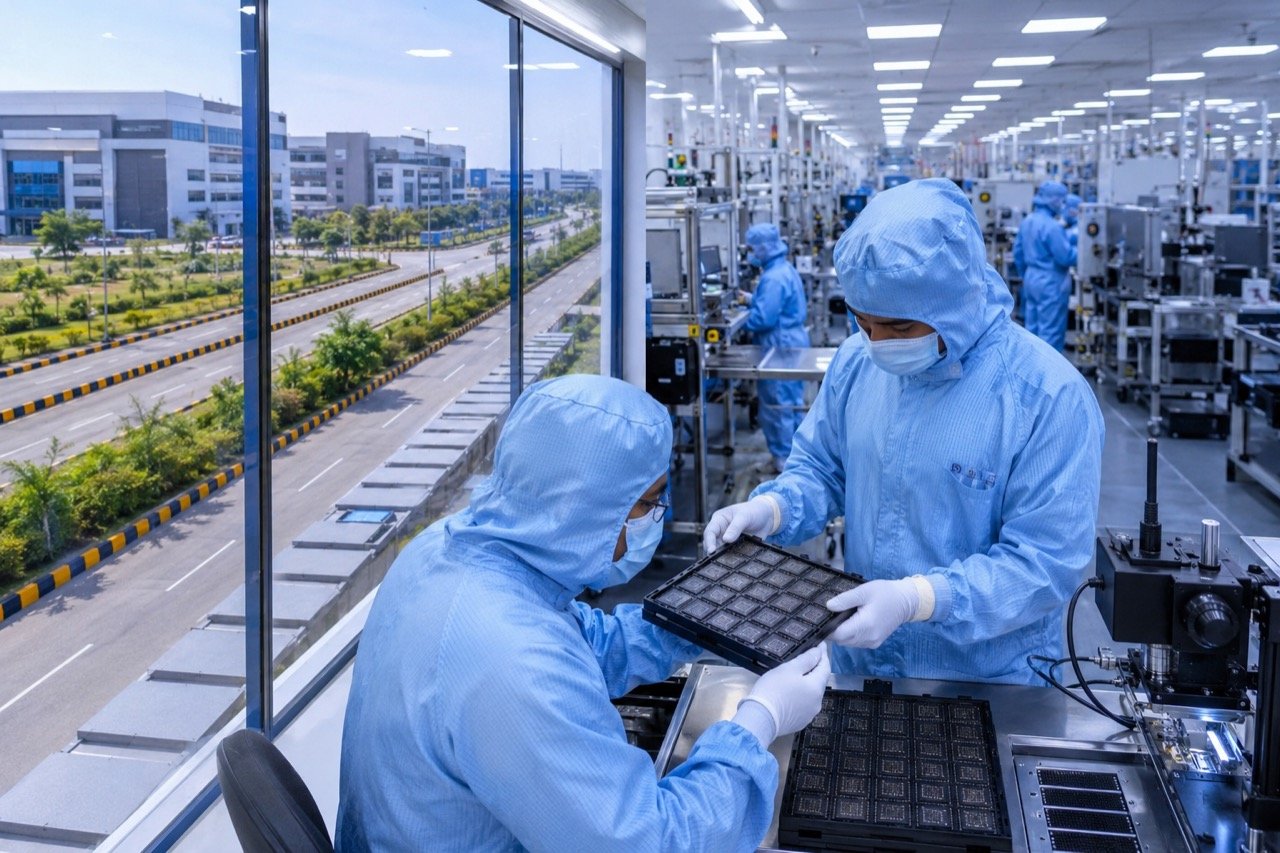
CG Semi Sanand Plant Opens, Boosting India's Semiconductor Drive
Prime Minister Narendra Modi inaugurated CG Semi's chip assembly and test facility in Sanand, Gujarat, giving India's semiconductor mission a working manufacturing milestone rather than another policy promise.
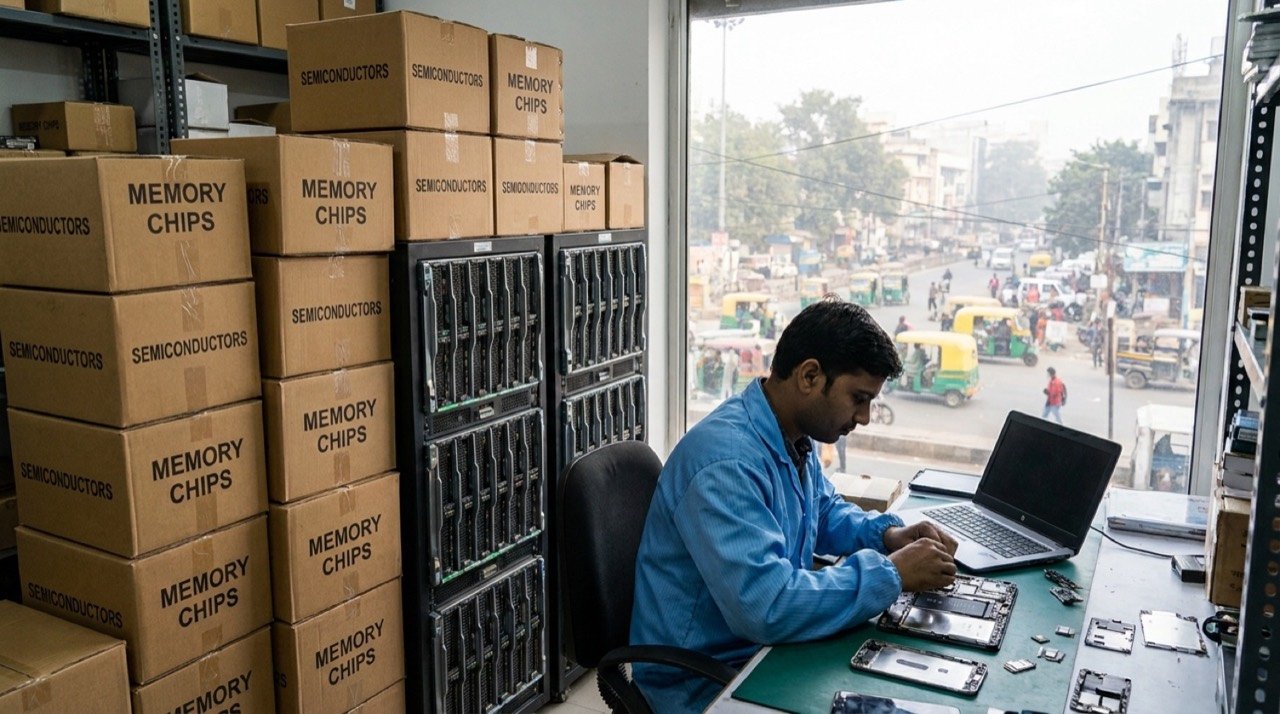
AI Chip Demand May Push Up Smartphone and Laptop Prices in India
Surging demand for memory and storage chips from AI data centres is squeezing global supply, threatening to make smartphones, laptops and gaming devices costlier for Indian consumers.
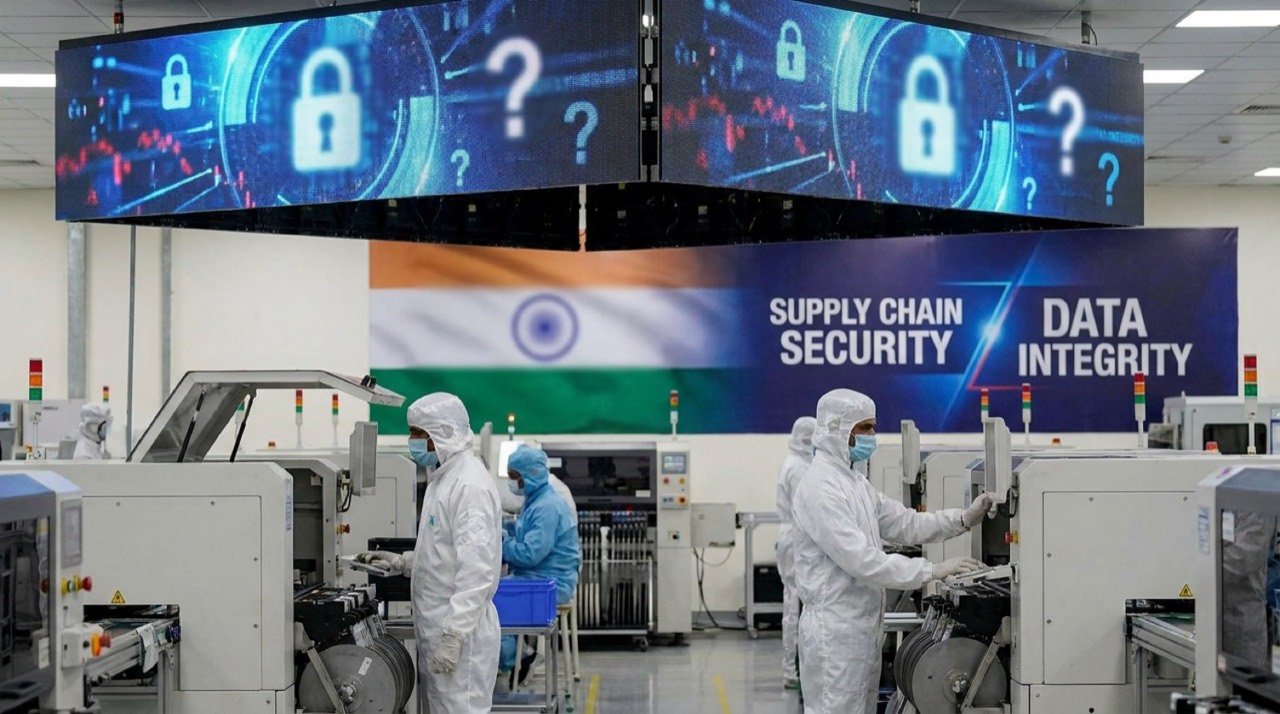
Tata Electronics Cyber Incident Raises Supply-Chain Data Questions
Tata Electronics has confirmed a cybersecurity incident after a ransomware group claimed to post over 200,000 files allegedly tied to Apple and Tesla component designs, spotlighting India's electronics supply-chain security.
IISc Quantum-Safe Chip Points To India's Defence Against Tomorrow's Hackers
Researchers at IISc have demonstrated a quantum-resilient security chip for IoT devices, presented at the world's premier semiconductor forum, as India accelerates its National Quantum Mission.
More from this section
MoreCG Semi Sanand Plant Opens, Boosting India's Semiconductor Drive
Prime Minister Narendra Modi inaugurated CG Semi's chip assembly and test facility in Sanand, Gujarat, giving India's semiconductor mission a working manufacturing milestone rather than another policy promise.

Chinese E-Rickshaw Apps Banned in India Over Remote Disable Risk
The Centre has ordered the removal of three Chinese apps — BAT-BMS, Lossigy and Epoch-i-ion — over fears they could remotely disable battery-run e-rickshaws, turning mobility software into a public safety concern.

Connected Car Rules: India Plans Vehicle Software Update Norms
With cars increasingly run by software, the government is reportedly preparing update and security norms aimed at preventing vehicle hijacking and governing how connected cars in India are patched and protected.