Retail inflation climbs to 3.93% in May as food prices firm up
Consumer price inflation rose from 3.48% in April, driven largely by a pick-up in food costs, even as the headline figure stayed within the Reserve Bank's comfort band.
Commentary & Analysis ·
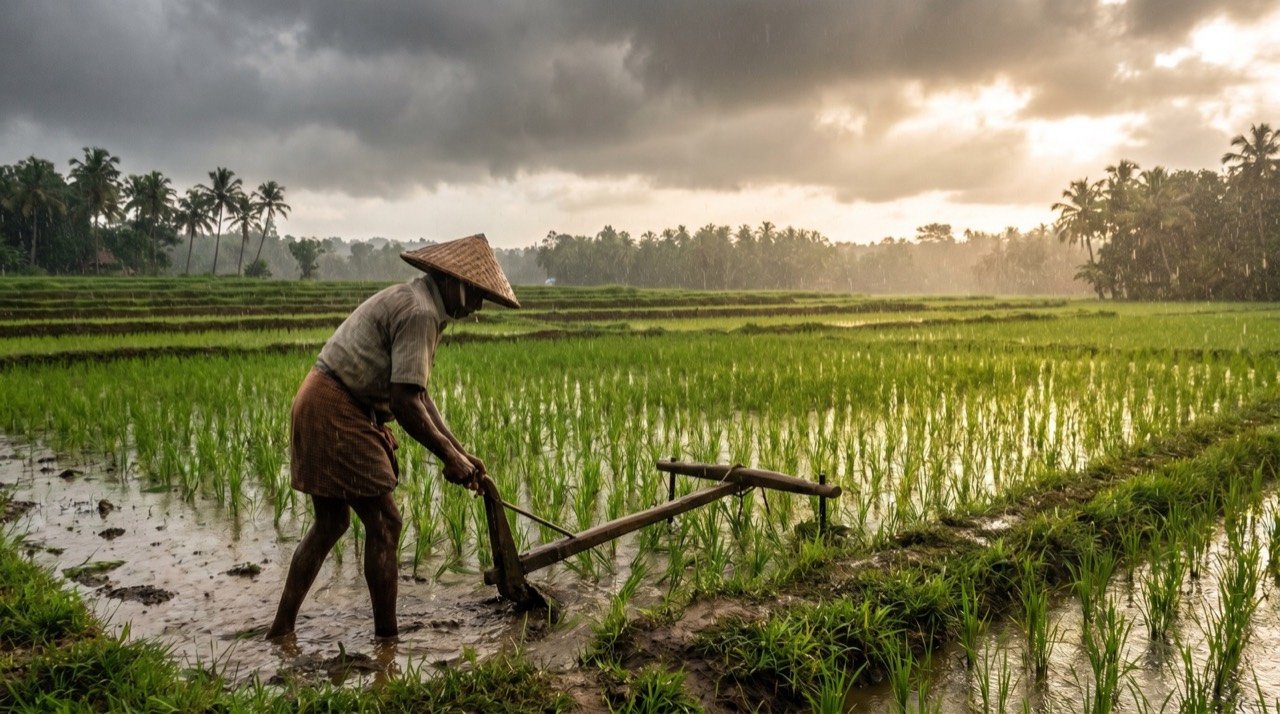
India's retail inflation rose to 3.93 per cent in May, up from 3.48 per cent the previous month, according to data released by the government, as a firming in food prices pushed the headline number higher. Even with the increase, the rate remained within the Reserve Bank of India's medium-term target band, leaving the broad picture of price stability intact for now.
The Consumer Price Index reading is closely watched as a gauge of the cost-of-living pressure facing households and as a key input into monetary policy. The uptick in May, while modest, marked a reversal of the easing seen in recent months and drew attention to the role of food in driving the overall trajectory.
Food the main driver
The primary reason for the rise was food inflation, which climbed to 4.78 per cent in May from 4.20 per cent in April. Food carries a heavy weight in the consumer basket, so movements in the prices of staples, vegetables and other items can swing the headline figure significantly. The data underline how seasonal and supply-side factors in agriculture continue to shape India's inflation story.
There was a notable divergence between rural and urban areas. Rural inflation stood at 4.25 per cent, higher than the 3.53 per cent recorded in urban regions, a gap that reflects differences in consumption patterns and the larger share of food in rural household spending.
Sectoral and state-level variation
Beyond food, the data showed sharp variation across categories. Personal care and miscellaneous goods recorded the steepest pressure, while the information and communication segment remained almost flat. The spread illustrates that the headline number masks very different experiences depending on what a household spends on.
Among the larger states, Telangana reported the highest combined inflation rate, followed by Tamil Nadu and Puducherry, while several other states recorded readings closer to or below the national average. Such regional differences are a recurring feature of India's price data, shaped by local supply conditions and consumption mixes.
- Headline CPI inflation at 3.93% in May, up from 3.48% in April
- Food inflation rose to 4.78% from 4.20%
- Rural inflation at 4.25%, urban at 3.53%
- Personal care and miscellaneous goods saw the sharpest price pressure
- Telangana recorded the highest inflation among major states
Data integrity and policy context
The National Statistics Office said it achieved a full response rate for data collection, gathering prices from more than 1,400 urban markets and a similar number of villages for the May report. The robustness of the underlying survey lends weight to the headline figure at a time when the quality of official statistics is itself a subject of public interest.
For the Reserve Bank, the reading keeps inflation within its target range but signals that food remains a source of volatility. Monetary policymakers will weigh the trajectory of food prices, the progress of the monsoon and global commodity trends as they assess the outlook for the rest of the year.
Outlook
Much will depend on the monsoon, which influences the kharif sowing season and, in turn, the prices of food staples in the months ahead. With the India Meteorological Department forecasting below-normal rainfall this season, any shortfall could feed through to food costs and test the recent stability in the headline number. For households, the May figures offer a reminder that the cost of the daily basket, especially food, remains the most tangible measure of inflation.
The NE Times View
At 3.93%, inflation is still comfortably inside the RBI's band, so the headline is not alarming, but the driver matters: food prices firming again is what squeezes ordinary households hardest. The central bank has room to hold its nerve on rates, yet a hot summer and an uncertain monsoon could test that calm. Watch the food basket, not the composite figure, for where the real pressure is building.
This article is original commentary and analysis by The NE Times. Background facts were referenced from Republic World and MoSPI.
You may also like to read
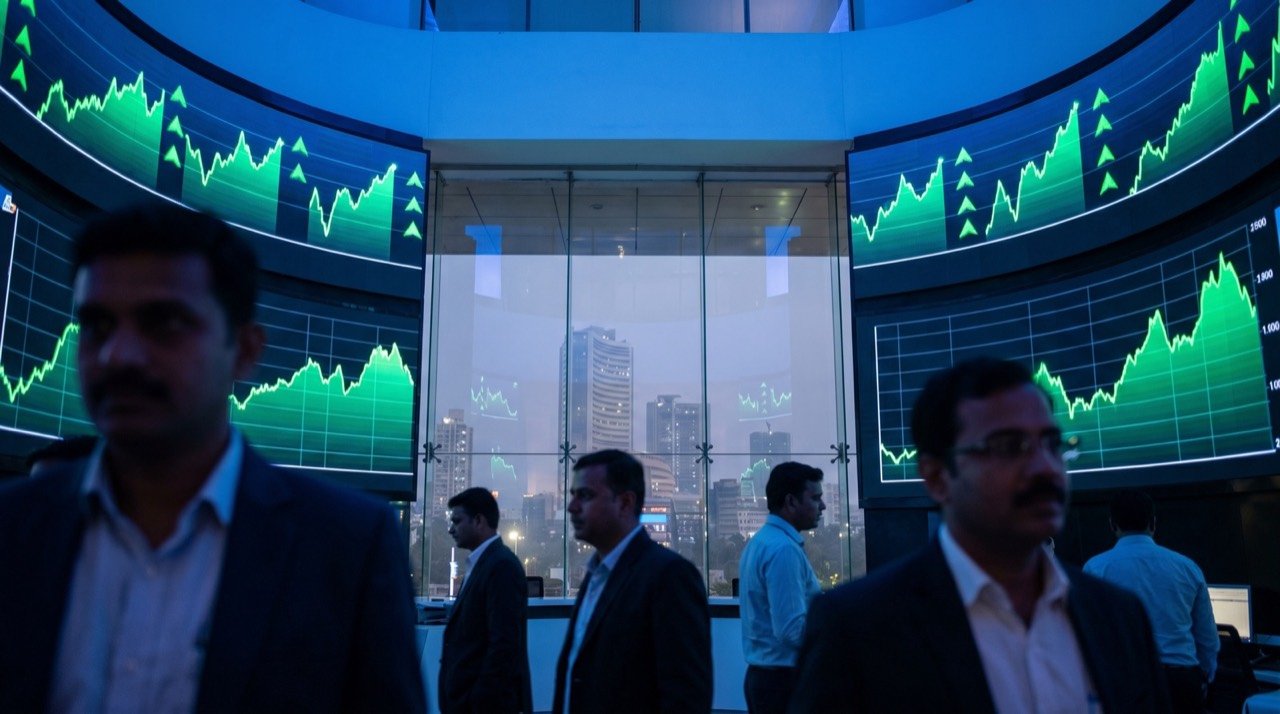
India's Retail Inflation Edges Up to 3.93% in May on Costlier Food
Headline CPI rose from April's 3.48% as food inflation climbed to 4.78%, with tomato and personal-care prices among the biggest pressure points.
Monsoon Arrives Early Across the South, Lifting India's Farm Outlook
The southwest monsoon has swept in ahead of schedule, raising hopes for a strong kharif sowing season and easing inflation worries — though officials urge caution on how the rains spread.
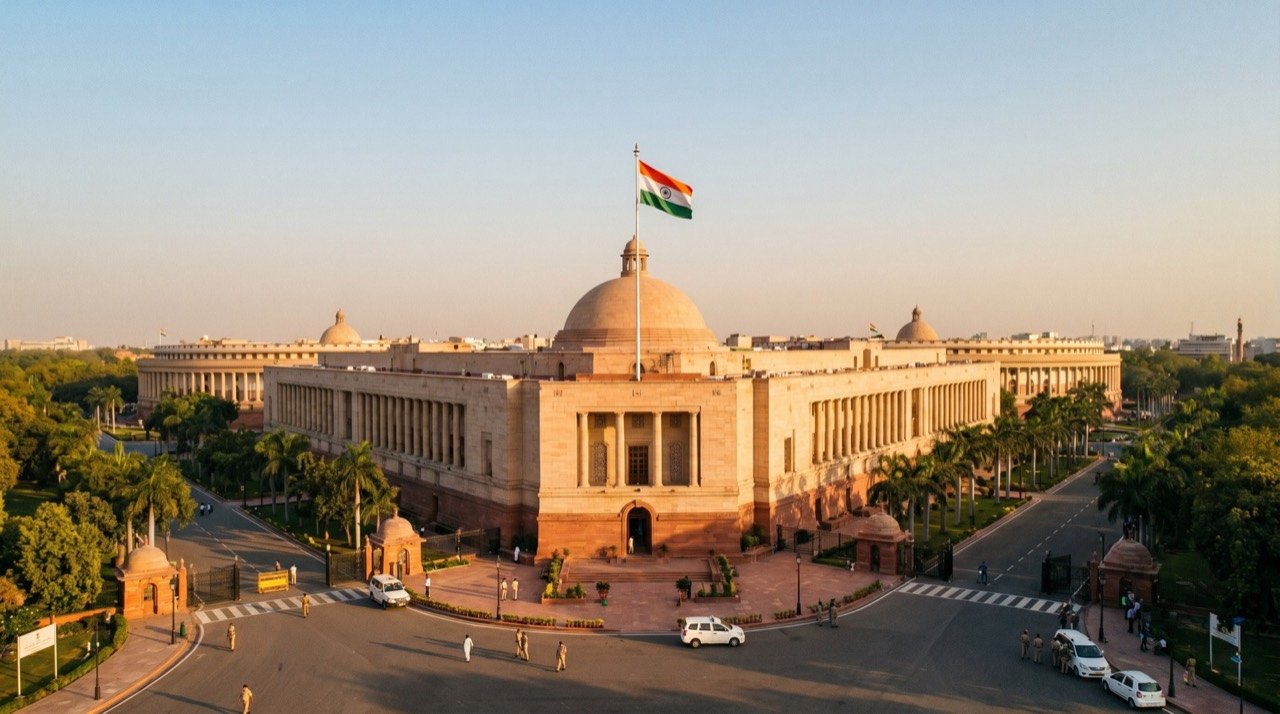
Neelkanth Mishra Appointed India's Executive Director at the World Bank
The Appointments Committee of the Cabinet cleared the economist's selection for a three-year term, placing a prominent voice on India's economy in a key multilateral role.
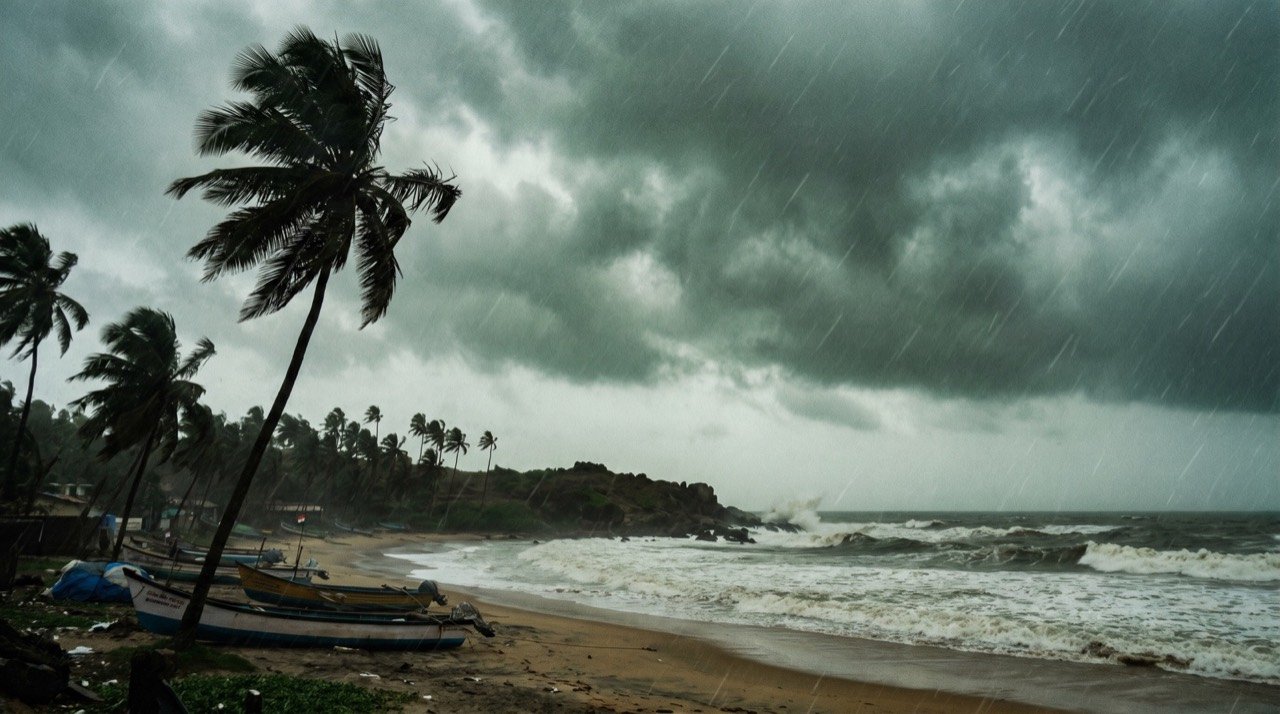
Uttar Pradesh Doubles Down On Roads And Airports With Record Rs 9 Lakh Crore Budget
From the Ganga Expressway to the Jewar airport and a wave of new city projects, the Yogi Adityanath government is pouring capital into infrastructure as it pitches Uttar Pradesh as one of India's fastest-growing state economies.
More from this section
More
AICTE Industry Fellowship 2026: Rs 1.5 Lakh Scheme Closes July 5
The AICTE Industry Fellowship Programme 2026, which places technical-education faculty inside leading companies on a Rs 1.5 lakh monthly stipend, reached its application deadline on July 5.
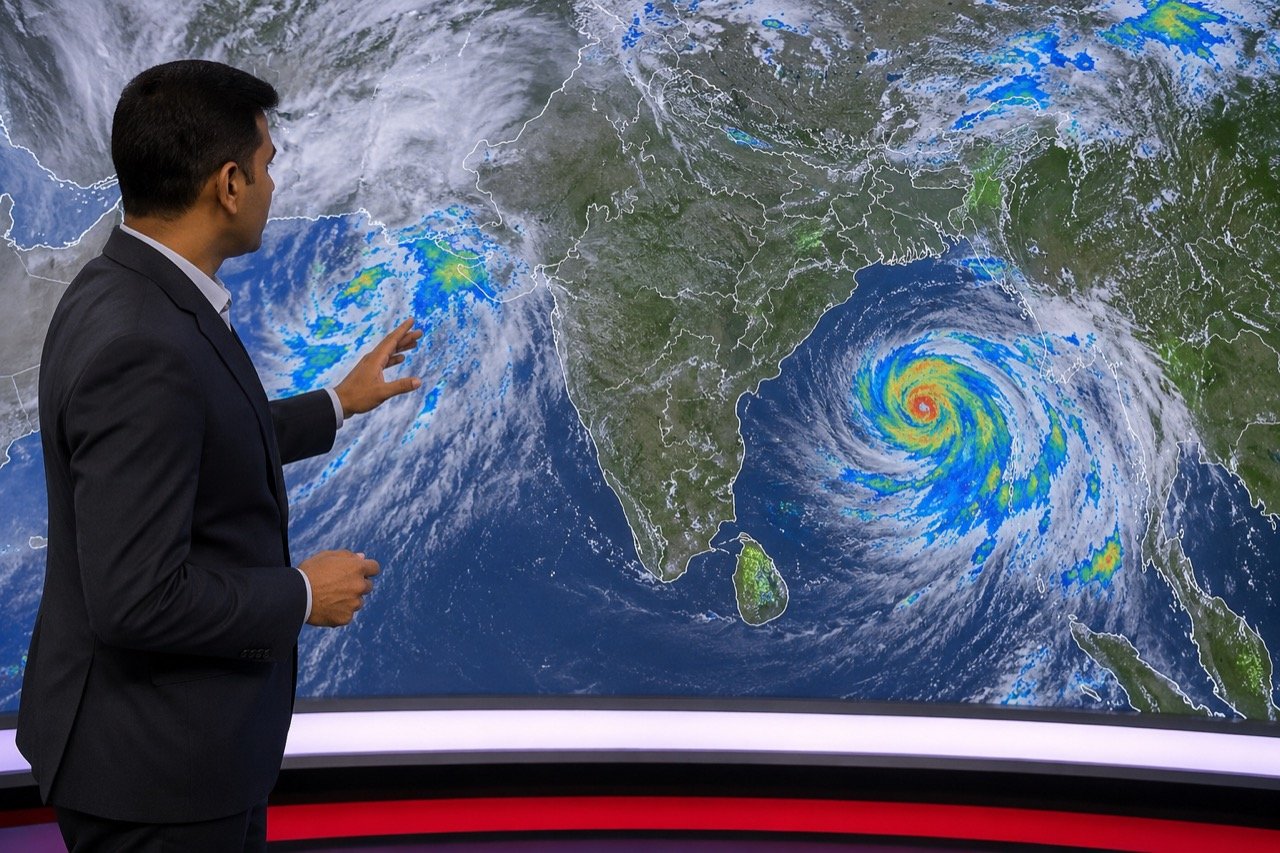
Bay of Bengal Low Pressure System Revives Monsoon Over Western India
A low-pressure system over the Bay of Bengal has pushed the monsoon back into an active phase, bringing steady heavy rain to Kerala, coastal Karnataka and Maharashtra, and putting Mumbai and Pune on preparedness watch.
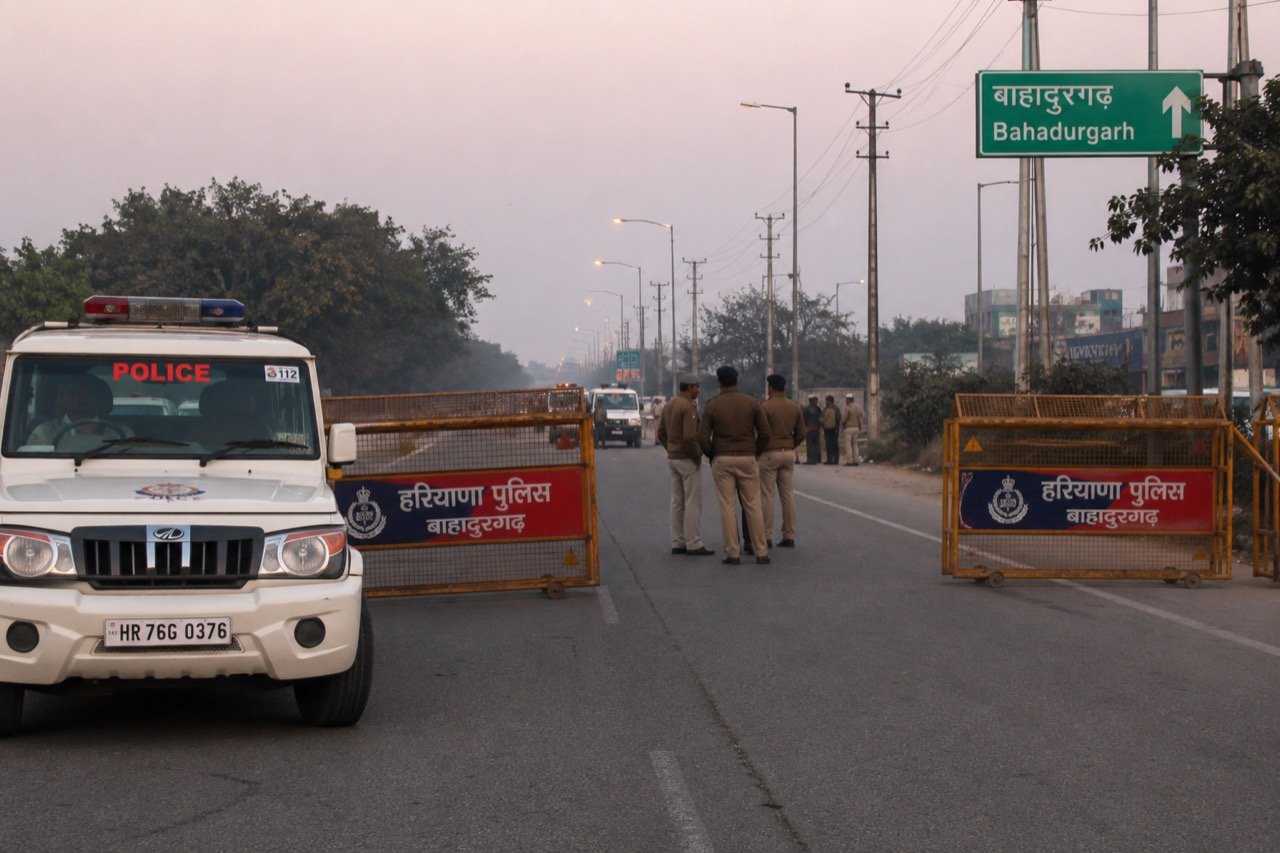
Bishnoi Gang Suspects Injured in Haryana Encounter as Police Tighten Net
A joint Haryana-Delhi Police operation in Bahadurgarh left two suspected Lawrence Bishnoi gang members injured, spotlighting the multi-state coordination now central to India's fight against organised crime networks.