India and Israel Identify New Defence Projects to Build Joint Resilience
India and Israel have identified new defence projects aimed at deepening cooperation in technology, resilience and strategic industry, with co-development and local manufacturing at the heart of the partnership.
Commentary & Analysis ·
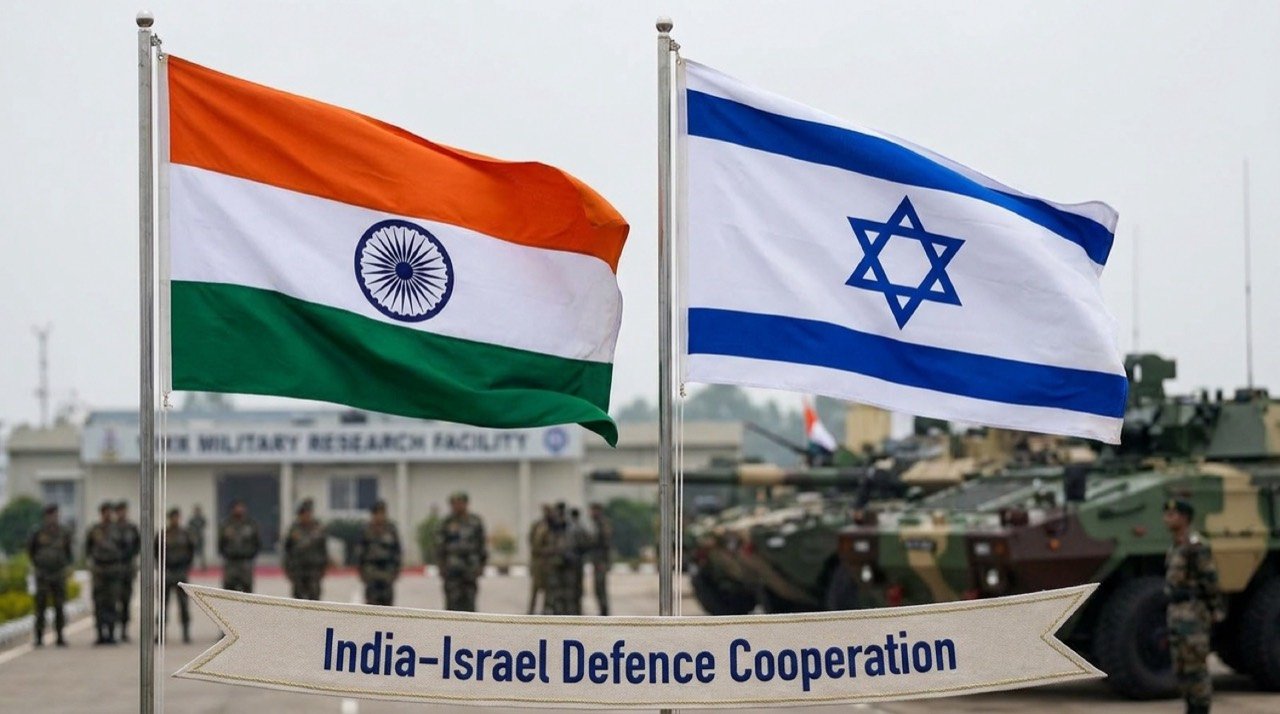
India and Israel have identified new defence projects as they seek to deepen one of their most consequential bilateral relationships, according to reports. The move points to a partnership evolving beyond conventional arms deals towards joint technology development, industrial resilience and trusted supply chains. Taken together, the reported developments suggest a relationship that is maturing from a simple buyer-seller arrangement into something closer to genuine strategic collaboration, though the extent of that shift will only become clear once the identified projects move from paper to production.
A partnership built over decades
The latest discussions come against the backdrop of long-running collaboration in areas such as drones, surveillance, air defence and electronics. Over the years, Israel has become one of India's most important defence partners, supplying advanced systems and increasingly co-developing them with Indian industry. That history provides a foundation of trust and technical familiarity, allowing the two sides to move quickly from broad intent to identifying concrete projects with strategic value to both nations.
This accumulated experience matters more than it might first appear. Defence procurement is rarely a matter of simply signing a contract and taking delivery; it involves years of testing, certification, integration with existing platforms and, increasingly, the transfer of sensitive technical knowledge. A relationship built over decades of drone, surveillance, air defence and electronics cooperation gives both New Delhi and Tel Aviv a shorthand that newer defence partnerships lack. Officials on both sides are not starting from scratch on questions of interoperability, procurement processes or technical standards, which is presumably why the two countries have reportedly been able to move from general intent to identifying specific projects relatively quickly.
India's focus on self-reliance
For India, the emphasis is likely to remain on co-development, local manufacturing and supply security, in step with the broader push for self-reliance in defence production. The aim is not merely to acquire equipment but to build domestic capability that reduces dependence on imports. This aligns with New Delhi's stated ambition to position Indian industry as a credible producer and even exporter of defence technology, rather than a perpetual buyer.
This self-reliance agenda shapes how India is likely to approach any new projects with Israel. Rather than simply purchasing finished systems, Indian negotiators can be expected to press for arrangements that embed manufacturing, assembly and eventually design work within Indian industry. The logic is straightforward: every system built domestically, using domestically sourced components where possible, is one less system that could be delayed or denied by a supplier abroad. For a country with long borders, multiple potential fronts and a history of import dependence in critical military hardware, that logic carries real weight. It also creates an incentive structure in which Israeli firms that are willing to share technology and set up joint production lines in India stand to benefit from a large and growing market, while those that insist on a traditional buyer-seller model may find themselves at a disadvantage over time.
Why joint production matters
The story matters because modern defence partnerships increasingly hinge not on one-off purchases but on joint production, innovation and resilient supply networks. In an era of contested global supply chains, the ability to manufacture critical systems domestically has become a strategic asset in itself. Among the areas reportedly under discussion are co-development of advanced defence platforms and systems, expanded local manufacturing to strengthen Make in India, continued collaboration in drones, surveillance and air defence, resilient and trusted supply chains for critical components, and innovation partnerships in electronics and strategic industry.
As one strategic assessment put it, defence partnerships increasingly depend not only on purchases but on joint production, innovation and trusted supply chains. That framing captures a wider shift visible across the global defence industry, in which supply chain disruptions, export restrictions and geopolitical uncertainty have made single-source dependence look increasingly risky. For India, which has historically relied on a mix of foreign suppliers for critical components, building resilient and diversified supply chains alongside a trusted partner like Israel offers a way to hedge against future shocks, whether those come from conflict, sanctions or simple diplomatic friction with any one supplier nation.
Stakeholder perspectives
From India's perspective, the calculus is fairly clear: access to battlefield-tested Israeli technology, paired with an opportunity to build up domestic manufacturing capacity and, eventually, export potential. Indian defence public sector undertakings and private industry alike stand to gain from technology transfer arrangements, provided those arrangements go beyond assembly of imported kits towards genuine design and production capability.
From Israel's side, India represents a large and expanding market at a time when its defence industry has strong incentives to diversify its customer base and production partnerships. Co-development arrangements with Indian industry can also help Israeli firms scale manufacturing capacity that may be constrained domestically, while deepening a relationship with a major power that has historically been a reliable buyer of Israeli defence technology.
The road ahead
Translating identified projects into delivered capability will require sustained coordination on financing, technology transfer and intellectual property. These are not minor administrative details; they are often where ambitious defence partnerships stall. Financing arrangements need to satisfy both governments' budgetary processes, technology transfer requires navigating each country's export control regimes, and intellectual property questions determine whether India ends up merely assembling Israeli-designed systems or genuinely co-owns the resulting technology. The depth of the existing relationship suggests both sides are prepared for that long-term commitment, but preparedness and delivery are not the same thing, and the coming months and years will show how much of the current momentum survives contact with these practical hurdles.
If realised, the new projects could further cement India-Israel defence ties as a model of strategic interdependence, blending Israeli innovation with India's manufacturing scale to build joint resilience for years to come. Observers will likely be watching for concrete signals such as formal agreements, joint venture announcements, or specific timelines attached to the drone, surveillance, air defence and electronics projects reportedly under discussion, since these would indicate the partnership is moving from identification to implementation.
The NE Times View
Deeper India-Israel defence ties make strategic sense, with co-development and local manufacturing aligning neatly with self-reliance goals and battlefield-tested technology. But the partnership carries reputational and supply-chain risk given Israel's contested standing, and India must avoid dependence on a single high-tension supplier. The measure of success is genuine technology transfer and Indian production capacity, not another buyer-seller relationship dressed up as strategic resilience. New Delhi's policymakers would do well to treat this as a test case for whether its self-reliance rhetoric can survive the pull of convenient, ready-made foreign technology, and Israeli partners will need to demonstrate that they are willing to share more than just finished products if the relationship is to deliver the resilience both sides say they want.
Key takeaways
- India and Israel have identified new defence projects spanning co-development, local manufacturing, drones, surveillance, air defence and electronics.
- The move builds on decades of collaboration that has given both countries technical familiarity and mutual trust.
- India's priority is reducing import dependence through genuine technology transfer and domestic production capacity, not simply more purchases.
- Success will depend on resolving financing, technology transfer and intellectual property questions over the long term.
- The partnership carries reputational and supply-chain risks tied to Israel's contested international standing, which India will need to manage carefully.
You may also like to read
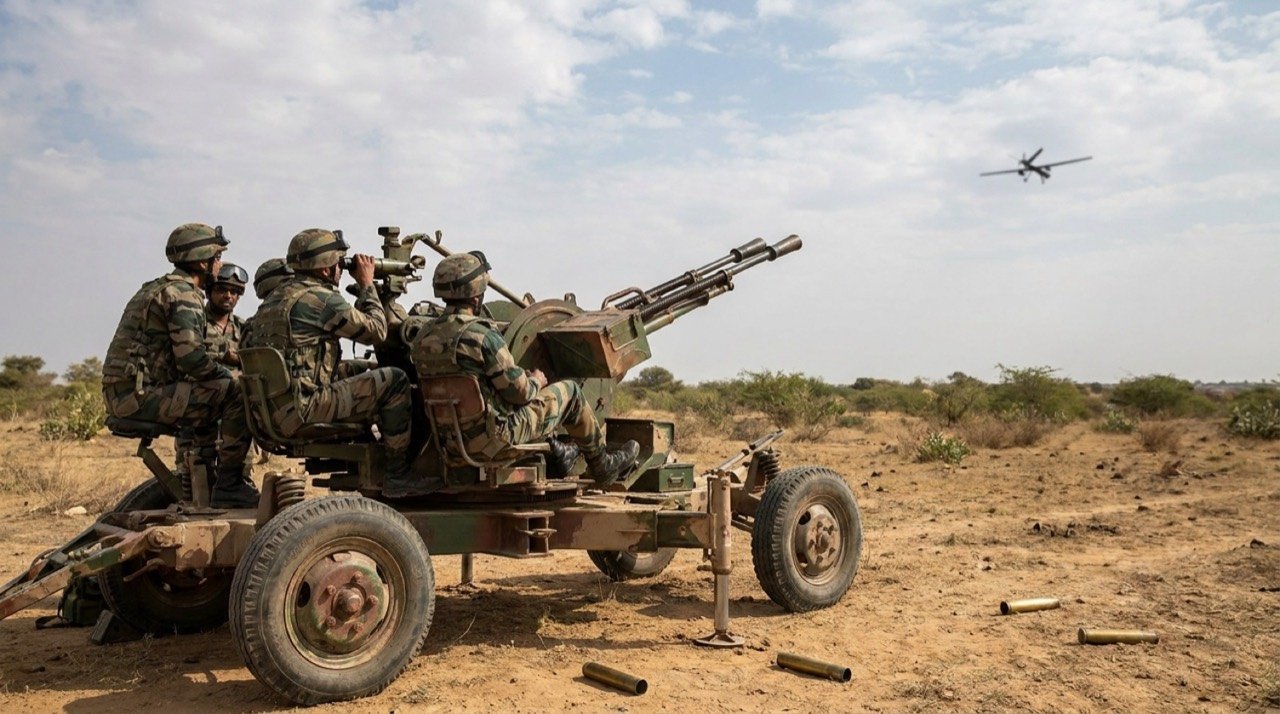
Army Air Defence Training Upgrade Targets Drone and Missile Threats
The Indian Army is acquiring new target systems that simulate drone swarms, helicopters and missile-like threats, sharpening air-defence training for an era of unmanned and smart weapons.
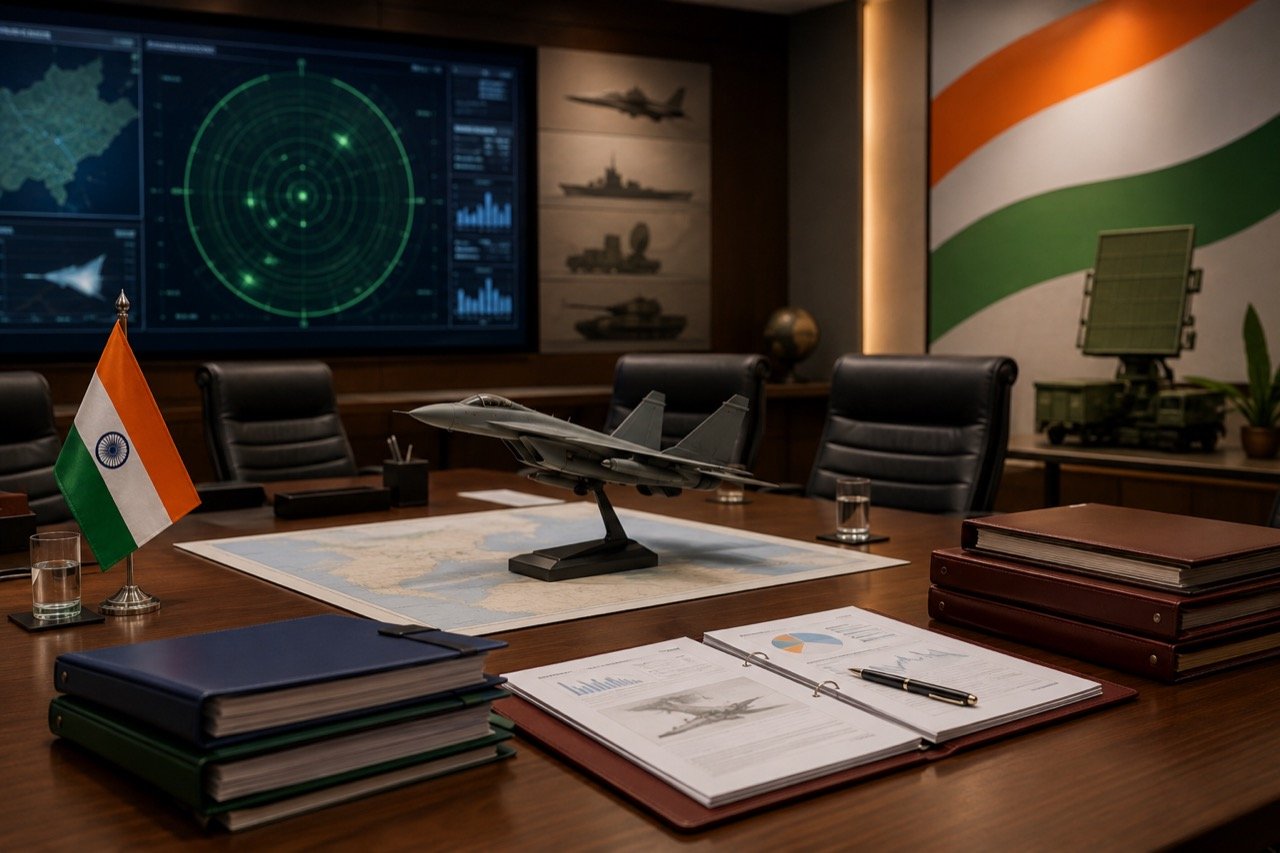
DAC Clears Rs 52,000 Crore Push for India's Defence Modernisation
The Defence Acquisition Council has approved procurement proposals worth over Rs 52,000 crore, signalling sustained investment in aircraft, radar and capability upgrades across India's armed forces.
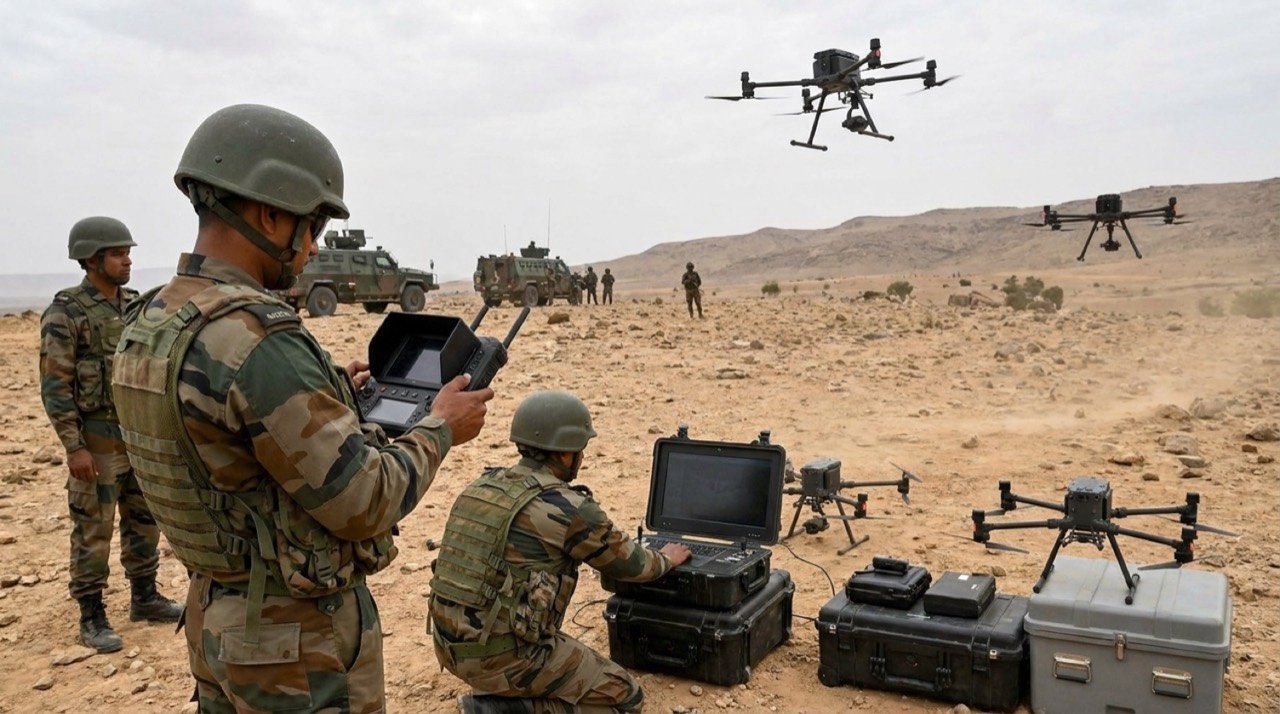
General Dwivedi's Tenure Puts Drones and New Battle Formations in Focus
As Army Chief General Upendra Dwivedi nears the end of his tenure on June 30, his legacy is being weighed through accelerated doctrine, drones and reorganised battle formations.
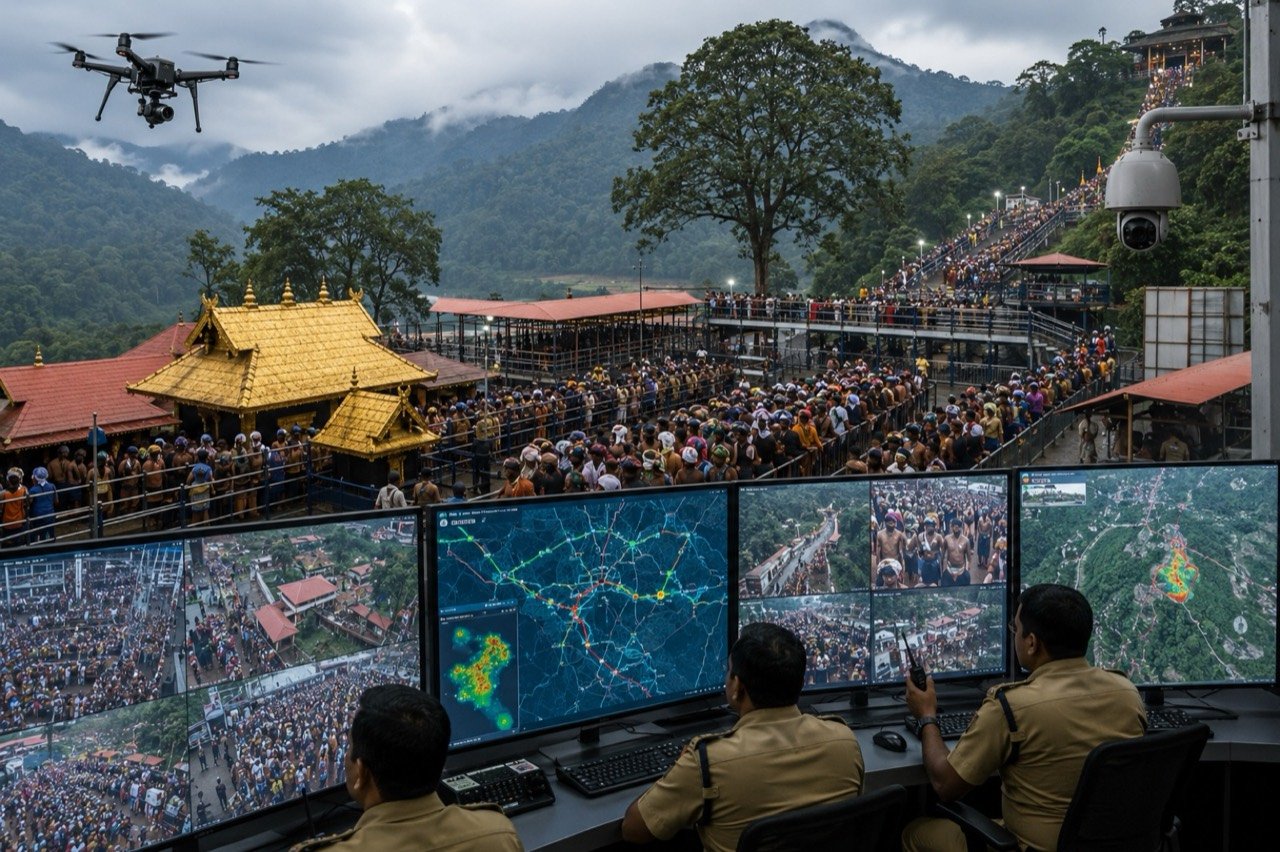
Sabarimala to Get AI-Powered Crowd Control for 2026 Pilgrimage Season
Kerala temple authorities are readying an AI-enabled system of smart cameras, drones and GIS mapping to monitor crowds and predict congestion at Sabarimala ahead of the busy pilgrimage season.
More from this section
More
AICTE Industry Fellowship 2026: Rs 1.5 Lakh Scheme Closes July 5
The AICTE Industry Fellowship Programme 2026, which places technical-education faculty inside leading companies on a Rs 1.5 lakh monthly stipend, reached its application deadline on July 5.

Bay of Bengal Low Pressure System Revives Monsoon Over Western India
A low-pressure system over the Bay of Bengal has pushed the monsoon back into an active phase, bringing steady heavy rain to Kerala, coastal Karnataka and Maharashtra, and putting Mumbai and Pune on preparedness watch.
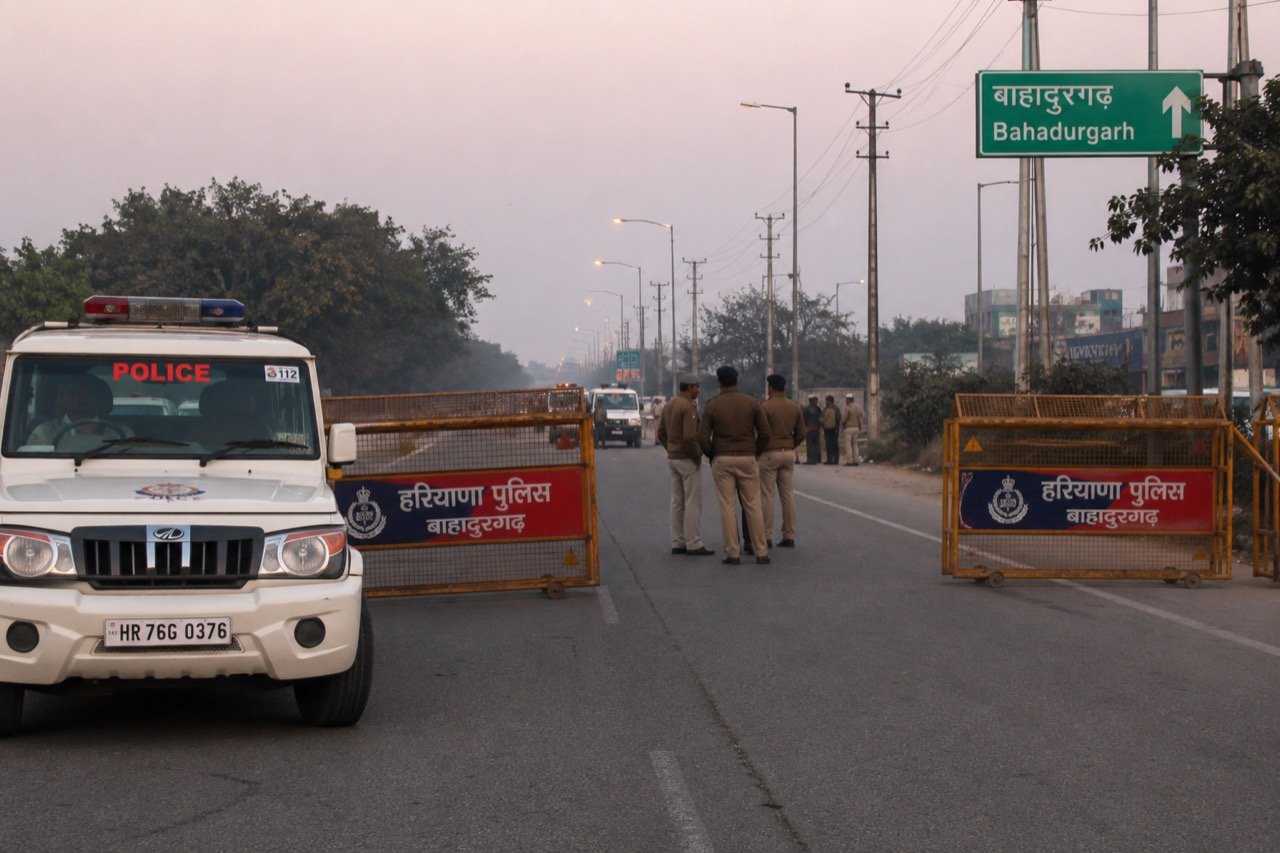
Bishnoi Gang Suspects Injured in Haryana Encounter as Police Tighten Net
A joint Haryana-Delhi Police operation in Bahadurgarh left two suspected Lawrence Bishnoi gang members injured, spotlighting the multi-state coordination now central to India's fight against organised crime networks.