Fighting Persists in Eastern Congo Despite Fragile Peace Framework
Clashes around the strategic Rubaya mining area and a deadly insurgency in Ituri are testing a US- and Qatar-brokered peace process between the Democratic Republic of Congo, Rwanda and M23 rebels.
Commentary & Analysis ·
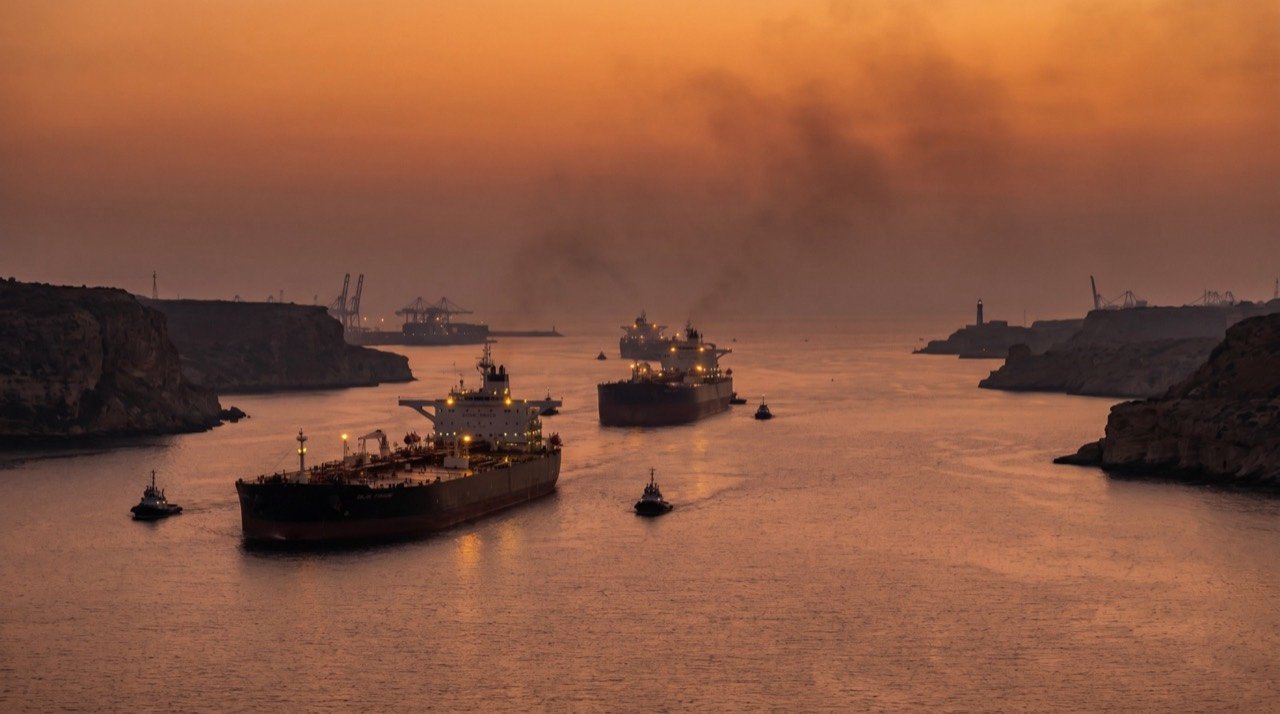
Violence has continued to flare in the eastern Democratic Republic of Congo despite a fragile peace framework brokered with international backing, as government forces battle around the lucrative Rubaya mining area and a separate insurgency intensifies in the Ituri province. The persistence of fighting underscores how far the region remains from a durable settlement.
The conflict, which pits the Congolese army and allied forces against the Rwandan-backed M23 rebel group, has displaced large numbers of civilians and drawn in neighbouring states. A series of agreements over the past year, including a deal signed in Washington and subsequent talks in Doha, were meant to chart a path to peace, but implementation has proved halting.
A patchwork of agreements
A peace agreement between Rwanda and the DRC was signed in Washington in mid-2025 under United States auspices, committing both sides to cease hostilities, respect territorial integrity and end support for armed groups. Separate negotiations between the Congolese government and M23 produced a declaration of principles and, later, an agreement signed in Qatar.
A comprehensive final peace deal has been targeted for the summer of 2026, but negotiations have been tense and slow. Analysts caution that neither side has strong incentives to abandon maximalist positions, and the process risks dragging on amid continued clashes on the ground.
Renewed fighting
In recent weeks the Congolese military has targeted M23-held areas around Rubaya, a region prized for its deposits of coltan, a mineral critical to the global electronics industry. Control of such resource-rich zones has been a central driver of the conflict, feeding war economies on multiple sides.
The factors keeping the region volatile include:
- Competition for control of mineral-rich areas such as Rubaya.
- The involvement of neighbouring states with troops or proxies in the conflict.
- A separate insurgency by armed groups in Ituri province.
- Slow and contested implementation of successive peace agreements.
A compounding health emergency
The instability has unfolded alongside a serious public health crisis in the same region, where authorities have been battling a fast-spreading Ebola outbreak. The combination of armed conflict, mass displacement and disease has created an extraordinarily difficult operating environment for humanitarian workers.
Insecurity hampers access for medical teams and aid convoys, while displacement increases the risk of disease transmission. International agencies have warned that the overlapping crises could deepen suffering across an already fragile region.
Stakes for the wider world
Eastern Congo's minerals are deeply embedded in global supply chains for electronics and electric vehicles, giving the conflict economic significance well beyond Africa. For India and other rapidly industrialising economies, stability in such resource regions has implications for the cost and security of critical inputs.
Diplomats continue to press both sides to honour their commitments, with the United States and Qatar playing prominent roles. Whether the patchwork of agreements can be consolidated into a lasting peace, or whether the fighting will continue to undercut them, remains an open and pressing question for the months ahead.
The NE Times View
Peace frameworks brokered far from the fighting tend to founder on the economics that drive it, and eastern Congo's mineral wealth is the unspoken engine of this war. The coltan and cobalt in question power the very devices and green transition the world covets, India included. A deal that ignores who profits from Rubaya's mines is a ceasefire on paper. The violence will persist until the supply chain is cleaned up.
This article is original commentary and analysis by The NE Times. Background facts were referenced from Al Jazeera and Reuters.
You may also like to read

Famine Tightens Its Grip on Sudan as War Enters Its Fourth Year
UN-backed assessments confirm famine conditions in parts of Darfur and Kordofan, with 21 million people facing acute hunger as the Rapid Support Forces consolidate control of the west.
WHO Declares Global Emergency as Ebola Spreads in Central Africa
An outbreak of the Bundibugyo strain of Ebola in the Democratic Republic of Congo and Uganda has surpassed previous records, with hundreds of cases and a mounting death toll prompting an international response.
Fragile Israel-Iran Ceasefire Holds As Trump Pushes Towards Signed Peace Deal
After months of missile exchanges, Israel and Iran have suspended attacks under a conditional truce, with Washington claiming a formal peace agreement is now within reach.
Zelenskyy Presses Putin for Ceasefire Talks as Strikes Continue
Ukraine's president called for direct negotiations in an open letter, winning backing from European leaders, even as drone attacks and shelling persisted across the front.
More from this section
More
India-New Zealand Ties: Visit Plans Put FTA and Diplomacy in Focus
Reports of a planned high-level India-New Zealand engagement have revived attention on free trade talks, professional mobility and Indo-Pacific cooperation between two partners with clear room to grow.

Modi Greets Trump on US 250th Independence Day, Hails Partnership
Prime Minister Narendra Modi marked America's 250th Independence Day with a message to President Trump, saying the next 250 years should lift the India-US partnership to new heights.
India Watches Dhaka's China-Backed Teesta Plan as Stakes Rise
New Delhi is closely tracking Bangladesh's proposal to develop the Teesta river with Chinese assistance, a move that revives one of South Asia's most sensitive water-sharing disputes and tests regional strategic trust.