Delhi Factory Fire in Chandan Hola Tests Early-Morning Response
A factory fire reported near a Punjab National Bank branch in Delhi's Chandan Hola area around 2 AM on July 5 has renewed attention on industrial safety and the city's overnight emergency response.
Commentary & Analysis ·
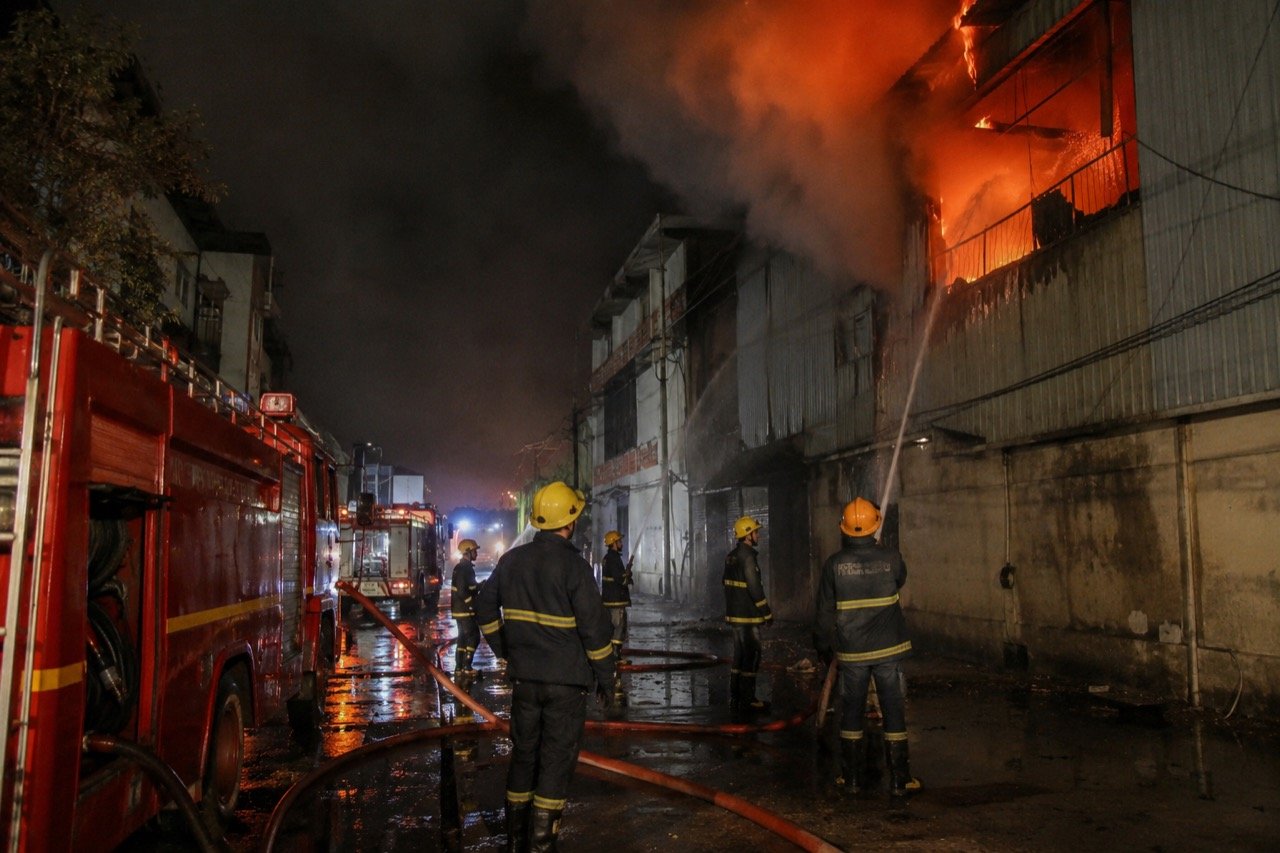
A factory fire reported near a Punjab National Bank branch in Delhi's Chandan Hola area became one of the first major live-update stories of July 5, with the blaze breaking out at around 2 AM. The Indian Express led its India live coverage with the incident, underlining how early-morning fires in industrial and mixed-use zones quickly become matters of public concern. Fires at that hour raise immediate questions: how fast did fire tenders reach the site, was the building safe and compliant, were nearby residents at risk, and how much disruption would follow in the surrounding area. As of the initial reports, the confirmed news was the fire itself and the emergency response it triggered.
Why a 2 AM fire matters more than the hour suggests
There is a reason pre-dawn fires draw disproportionate attention even before full facts emerge. At 2 AM, a factory in a mixed-use lane is typically unattended or thinly staffed, streets are quieter, and the gap between ignition and detection can be longer than it would be during working hours. That gap matters enormously in fire response: minutes decide whether a fire remains containable within a single unit or spreads to adjoining structures, especially in dense clusters where factories, banks and residences sit within metres of each other. The presence of a bank branch nearby adds a layer of institutional and financial-safety concern, since bank premises typically hold cash, records and secure infrastructure that authorities would want to confirm as unaffected. None of this is confirmed one way or another in the early reporting, but it explains why an incident of this kind is treated as a live story rather than a routine local blaze.
What is confirmed, and what is not
At this stage, responsible coverage stays with verified details. There was no official word in the early reports on casualties, the cause of the blaze or any question of negligence, and such details typically emerge through statements from the Delhi Fire Services, police and the local administration. The key updates to watch are the number of fire tenders deployed, whether anyone was injured, the suspected cause, and whether the building held the required clearances. It is worth being explicit about this distinction because early-morning fire stories often accumulate speculation faster than verified fact: neighbours' accounts, unconfirmed injury tolls and assumptions about negligence tend to circulate long before officials issue any statement. Until the Delhi Fire Services or police confirm specifics, the only verified elements remain the location, the approximate time of the blaze, and the fact that it prompted an emergency response substantial enough to be treated as breaking news.
The mechanics of a fire-tender response in a mixed-use lane
The number of fire tenders sent to a scene is itself a signal of how the fire was initially assessed and how it evolved. A modest deployment suggests a contained blaze in a single structure; an escalating one suggests either fire spread, difficulty accessing the site, or water-supply and access constraints common in Delhi's older industrial pockets. Narrow lanes, parked vehicles, encroachments and informal electrical wiring routed overhead are recurring features of such neighbourhoods, and each of them can slow a fire tender's approach or hamper hose deployment once tenders arrive. None of these specifics have been confirmed for Chandan Hola in the reports available, but they form the backdrop against which any eventual account of the response time and containment effort will be read and judged.
The larger urban fire-safety question
Beyond the immediate incident lies a familiar Delhi story: dense industrial lanes, heavy electrical loads, informal storage practices and narrow access routes that decide how quickly a blaze can be brought under control. Each fire in a mixed-use neighbourhood is a live test of how well the city's safety enforcement and emergency infrastructure actually work when minutes matter. Factories operating in such lanes frequently predate zoning rules or operate alongside residential and commercial uses that were never designed to coexist with industrial fire loads. When a fire occurs beside a bank branch, it also puts a spotlight on how commercial tenants and public-facing institutions embedded in these lanes assess their own exposure to a neighbour's fire risk, even though the bank itself may have had no role in the incident.
Stakeholders who will be watching closely
Several parties have a direct stake in how this incident is eventually explained. Local residents and other business owners in Chandan Hola will want assurance that the fire did not originate from a systemic hazard likely to recur in a neighbouring unit. The factory's ownership and workers, if any were present, will be central to establishing whether the blaze reflects an isolated equipment failure or a lapse in compliance with electrical and storage norms. Punjab National Bank, as the branch located near the site, would reasonably want early confirmation that its premises, records and any overnight security personnel were unaffected. And the Delhi Fire Services and local administration carry the responsibility of eventually accounting for response time, deployment numbers and whatever clearances the factory held or lacked. Each of these threads will only be resolved as official statements are issued, but together they define what the story becomes once verified details replace initial reporting.
The NE Times View
Delhi's fire incidents follow a wearying script: a pre-dawn blaze, a scramble of fire tenders, a day of headlines and then silence until the next one. The Chandan Hola fire should prompt more than a routine inquiry. Mixed-use lanes where factories, banks and homes sit side by side are precisely where clearances, wiring audits and access-route enforcement matter most, and where they are most often ignored. The city does not lack rules; it lacks consistent, unglamorous enforcement between disasters. Until fire-safety compliance is checked as routinely as parking violations, every early-morning siren in Delhi will carry the same uncomfortable question of whether this one could have been prevented. The value of incidents like this is not merely in the immediate emergency response, but in whether they trigger any lasting scrutiny of the built environment that produced them. Too often, the answer in Delhi has been no, and the same conditions that allowed one fire to start persist quietly until the next call comes in.
Key takeaways
- A factory fire broke out at around 2 AM on July 5 near a Punjab National Bank branch in Delhi's Chandan Hola area, triggering an emergency response covered live by the Indian Express.
- No official details on casualties, cause or negligence had been confirmed in early reporting; such findings typically come from the Delhi Fire Services, police and local administration.
- Key facts to watch include the number of fire tenders deployed, any injuries, the suspected cause and whether the building held required safety clearances.
- The incident highlights recurring risks in Delhi's dense, mixed-use industrial lanes, including heavy electrical loads, informal storage and narrow access routes.
- The NE Times View holds that lasting improvement depends on routine, unglamorous enforcement of fire-safety compliance rather than reactive inquiries after each blaze.
You may also like to read
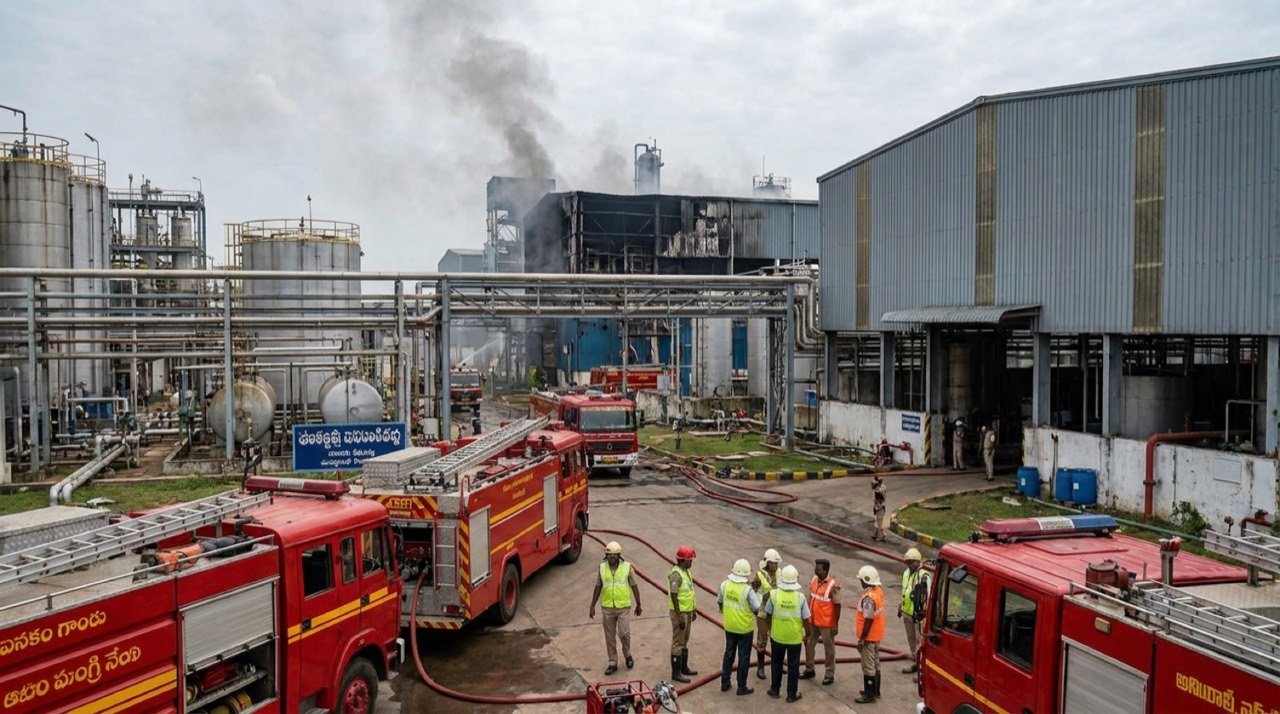
Anakapalli Pharma-City Fire Puts Andhra Pradesh Industrial Safety Back Under the Lens
A deadly fire at a unit in Andhra Pradesh's Anakapalli pharma-city has reignited scrutiny of industrial safety, compliance and worker protection across one of the state's key manufacturing belts.
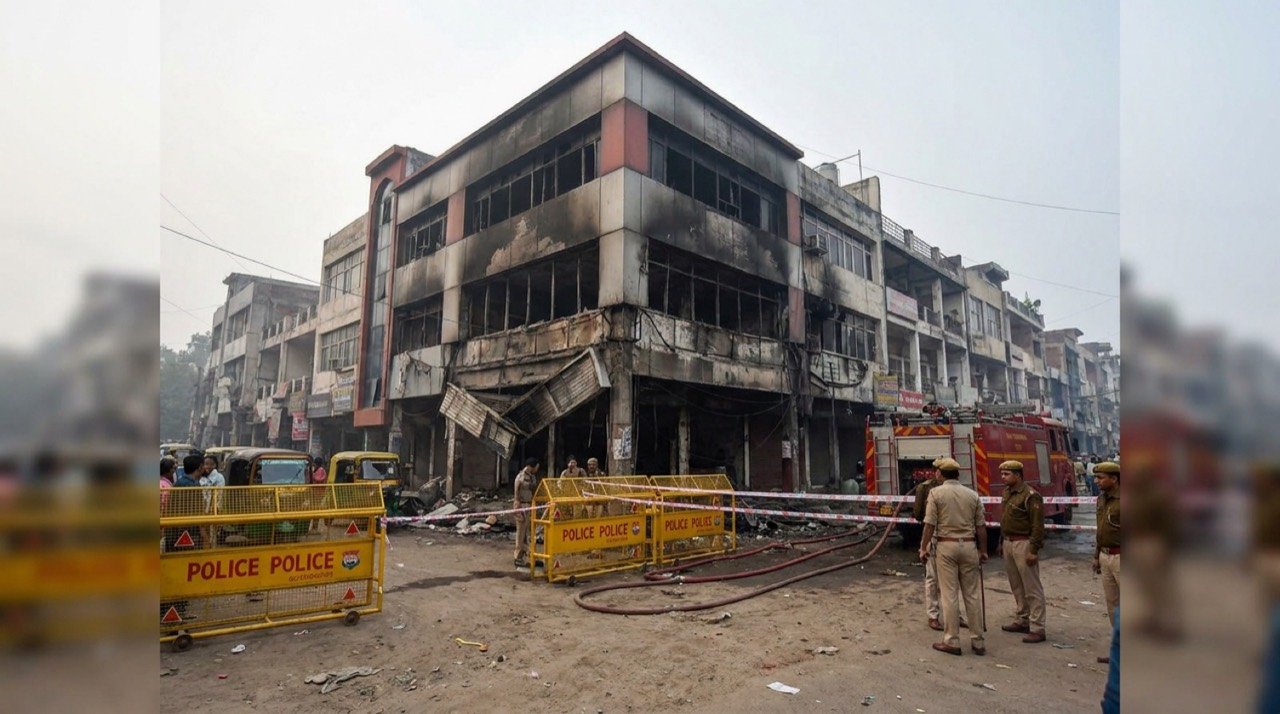
Lucknow Fire Probe Widens After Arrests and Suspensions Over Aliganj Tragedy
Fifteen people died in a fire at a Lucknow commercial building as police make arrests, four officials face suspension and scrutiny turns to fire exits, approvals and inspection failures.
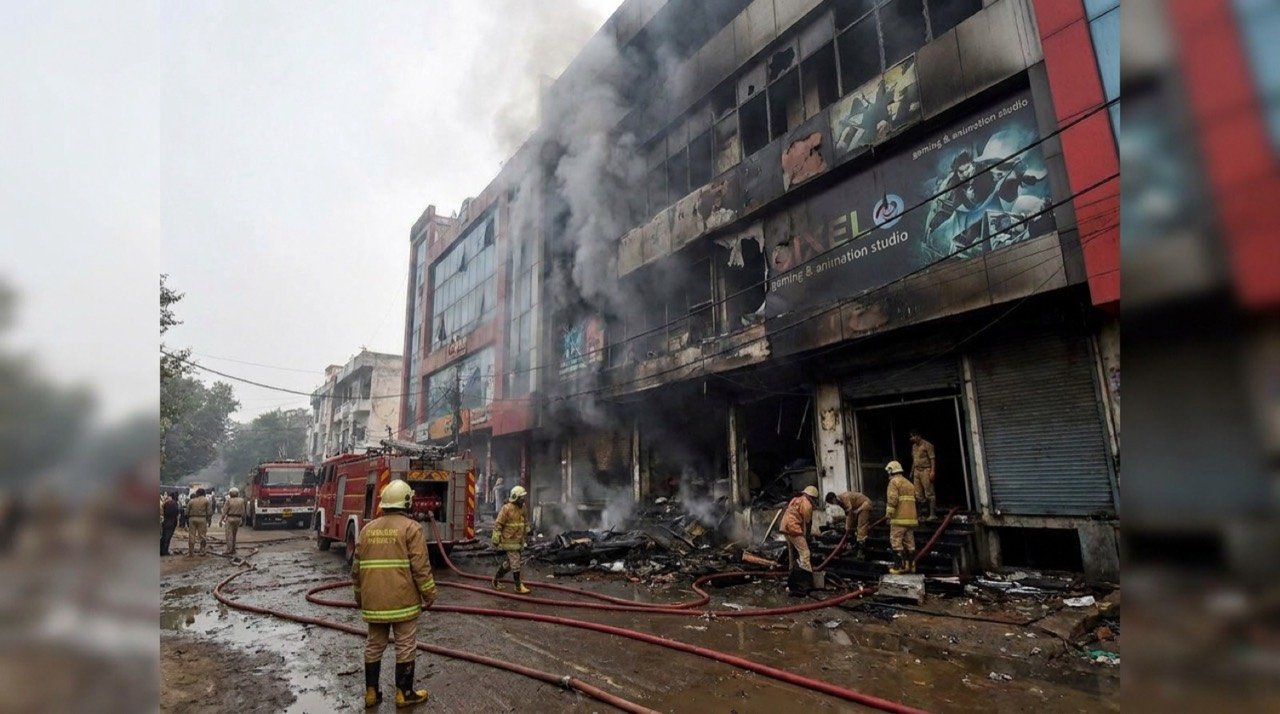
Lucknow Fire Exposes Urgent Fire-Safety Gaps in Commercial Coaching Hubs
A blaze that killed at least 15 people, many of them young trainees, has triggered a Special Investigation Team probe and renewed national alarm over fire safety in crowded coaching and studio buildings.
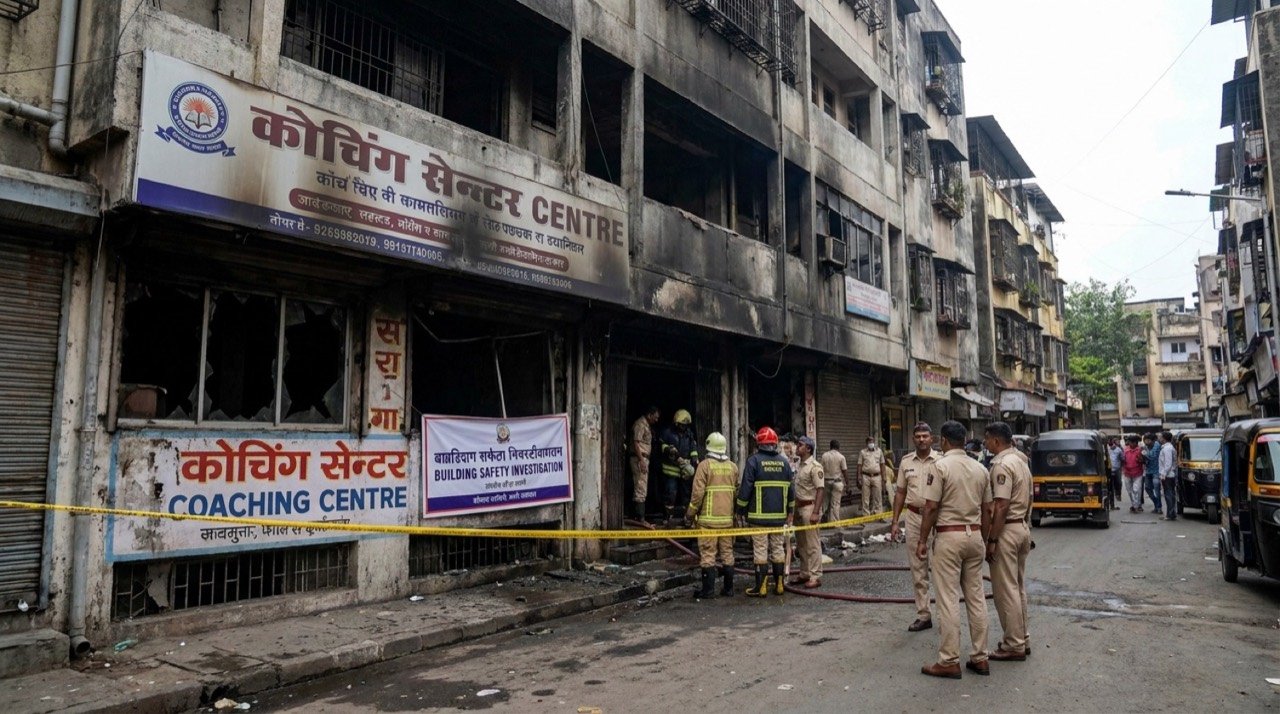
Lucknow Coaching Centre Fire: Probe Spotlights Ignored Building-Safety Warnings
A deadly fire at a coaching centre in Lucknow's Aliganj that killed 15 people has widened into an investigation of building-safety failures, with four arrests, an SIT probe and a fresh demolition notice.
More from this section
More
AICTE Industry Fellowship 2026: Rs 1.5 Lakh Scheme Closes July 5
The AICTE Industry Fellowship Programme 2026, which places technical-education faculty inside leading companies on a Rs 1.5 lakh monthly stipend, reached its application deadline on July 5.
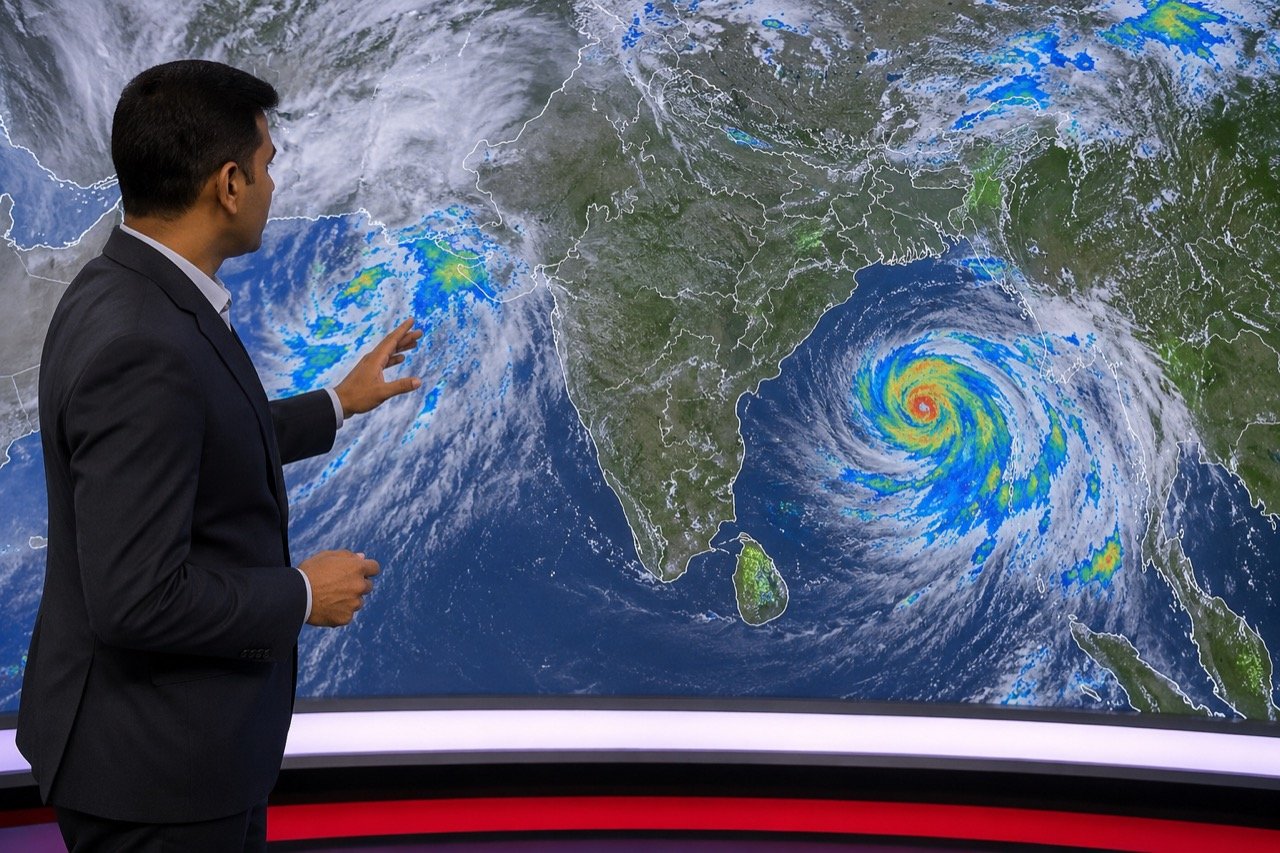
Bay of Bengal Low Pressure System Revives Monsoon Over Western India
A low-pressure system over the Bay of Bengal has pushed the monsoon back into an active phase, bringing steady heavy rain to Kerala, coastal Karnataka and Maharashtra, and putting Mumbai and Pune on preparedness watch.
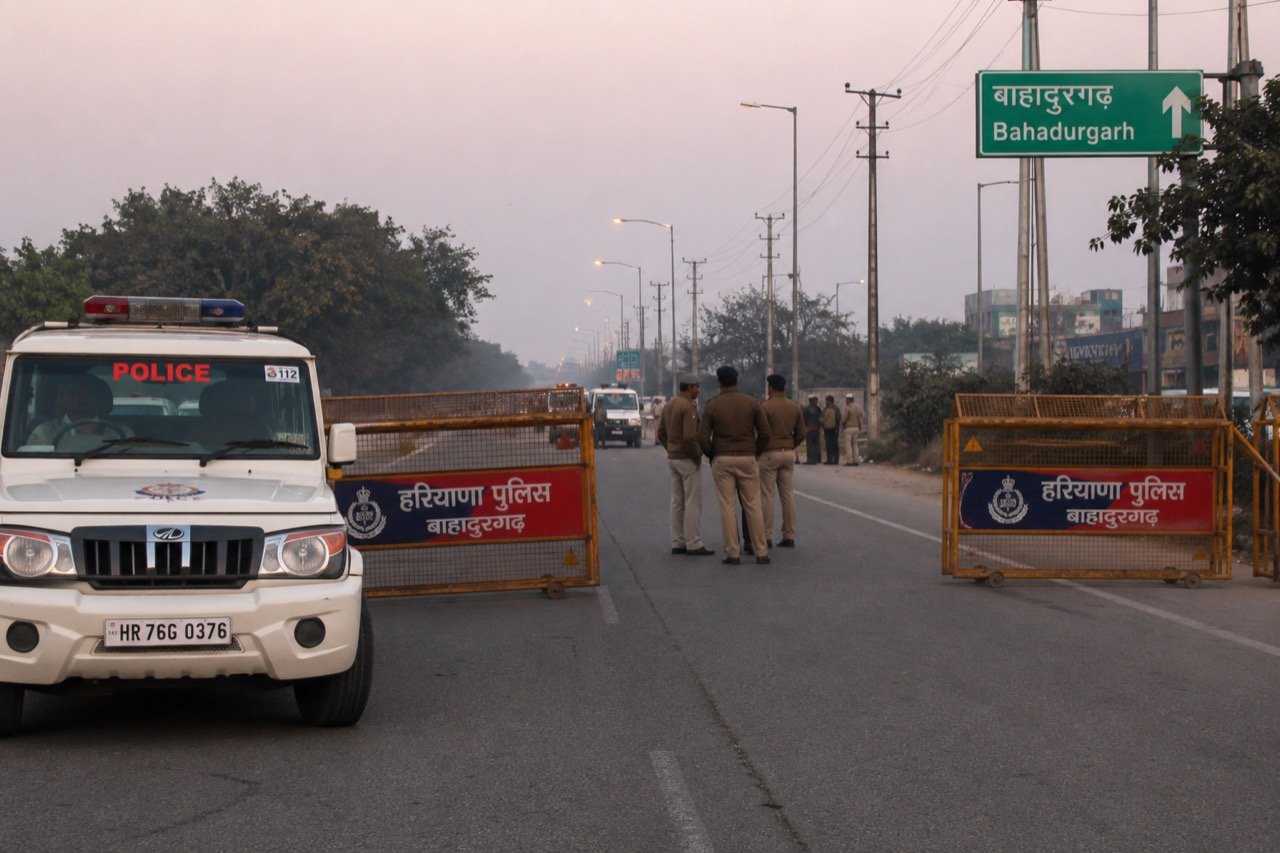
Bishnoi Gang Suspects Injured in Haryana Encounter as Police Tighten Net
A joint Haryana-Delhi Police operation in Bahadurgarh left two suspected Lawrence Bishnoi gang members injured, spotlighting the multi-state coordination now central to India's fight against organised crime networks.