CLAT 2027 Registration Expected Soon: What Law Aspirants Should Do
The CLAT 2027 application window is expected to open shortly, and law aspirants across India are being urged to track official consortium notifications for dates, eligibility rules and fees rather than unverified claims.
Commentary & Analysis ·

Registration for CLAT 2027 is expected to open soon, according to education updates tracked by Hindustan Times, putting one of India's most consequential entrance exams back at the centre of student planning. The Common Law Admission Test is the gateway to the country's National Law Universities, so even a routine registration update carries real practical weight for thousands of aspirants preparing to apply. For a cohort that includes school leavers, repeat candidates and working professionals eyeing a career change into law, the mere signal that registration is imminent is enough to set revision schedules, family conversations and coaching-centre calendars into motion.
Why a registration date matters this much
It is worth pausing on why something as procedural as a registration window generates this much attention. CLAT is not a single-institution exam; it is the common gateway to a network of National Law Universities spread across the country, which means the applicant pool is drawn from every state and background. For candidates, the checklist ahead of registration is familiar but unforgiving: official dates, eligibility criteria, application fees, the list of required documents, and the rules governing the correction window that typically follows initial submission. None of these elements is optional, and errors in any one of them can be costly. A missed eligibility clause or a fee payment glitch does not merely inconvenience a candidate; it can knock them out of contention for an entire admission cycle.
The domino effect of delay or ambiguity
A short delay or a missed notification can cascade into disrupted coaching schedules, clashes with school exams, and last-minute travel scrambles, which is why aspirants tend to monitor these announcements so closely. This is not an abstract inconvenience. Coaching institutes structure entire mock-test cycles and revision timetables around expected registration and exam windows; when those dates shift or remain unclear for too long, students lose the benefit of structured preparation and are forced into reactive, last-minute adjustments instead. For those also juggling board examinations or existing college commitments, an unexpected clash can mean choosing between two important milestones at short notice. The stakes are compounded for candidates travelling from smaller towns to examination centres, where transport and accommodation bookings depend on having a firm date well in advance.
Follow the consortium, not the rumour mill
The sensible guidance is to treat news reports as an early alert and official consortium notifications as the trigger for action. Unverified date claims circulate widely in the run-up to every CLAT cycle, and acting on them can cost applicants money and peace of mind. This is a pattern familiar to anyone who has watched previous CLAT cycles unfold: informal channels, social media forwards and coaching-centre WhatsApp groups often get ahead of official confirmation, sometimes with dates that later prove inaccurate. Aspirants who register early based on unverified information, or who pay fees through unofficial links, risk both financial loss and wasted effort. The items to watch next are the official registration link and the full information bulletin, both of which are the only reliable basis for decisions on fees, eligibility and timelines. Until the consortium publishes these, every other claim should be treated as provisional at best.
Competitive pressure and the value of early clarity
The wider context here is one of sustained competitive pressure. Law admissions draw candidates from every state, and the sheer scale of the applicant pool means that even small inefficiencies in communication are magnified across thousands of individual preparation journeys. Early clarity on the calendar does more than aid logistics; it measurably reduces anxiety in an already high-stakes process. Certainty about dates allows candidates to plan study blocks with confidence, allocate mock-test attempts sensibly, and avoid the kind of last-minute cramming that stems from uncertainty rather than lack of preparation. For families supporting aspirants financially, predictable timelines also make it easier to plan around coaching fees, travel costs and time away from other responsibilities.
The NE Times View
Entrance-exam administration is a quiet test of institutional respect for young Indians, and CLAT's consortium should treat predictable, early communication as a duty rather than a courtesy. Every year of ambiguity feeds a grey market of coaching rumours and fake-date panic that hits first-generation aspirants hardest, since they have the fewest informal networks to verify claims. Students whose families have no prior experience navigating entrance exams, and who may not have access to well-connected coaching networks, are disproportionately exposed to misinformation precisely because they lack the informal safety nets that better-resourced candidates rely on to cross-check rumours. This is not a marginal equity concern; it strikes at the heart of what a national, common admission test is meant to achieve, namely a level playing field regardless of geography or background. We would like to see a fixed annual calendar for CLAT announcements, published well in advance and honoured consistently from one cycle to the next, so that predictability itself becomes a structural feature of the exam rather than a matter of goodwill in any given year. Until then, the burden falls on students to be their own fact-checkers, and on newsrooms to flag speculation clearly for what it is, resisting the temptation to amplify unverified dates simply because they generate attention or urgency.
What aspirants should do now
In the absence of a confirmed date, the most productive course for candidates is to keep preparation steady rather than pausing in anticipation of an announcement. Continuing with syllabus coverage, mock tests and revision on a fixed schedule protects against the whiplash of sudden, compressed timelines once the actual registration window opens. Aspirants would also do well to keep documents such as identity proof, category certificates and educational records ready in advance, so that when the official bulletin does appear, submission is not delayed by last-minute paperwork. Bookmarking the consortium's official channels, rather than relying on forwarded messages, remains the simplest safeguard against misinformation.
Key takeaways
- CLAT 2027 registration is expected to open soon, based on education updates tracked by Hindustan Times, and remains the gateway to India's National Law Universities.
- Aspirants should prepare for official dates, eligibility criteria, application fees, required documents and the correction window well in advance to avoid last-minute disruption.
- News reports should be treated only as an early alert; the official consortium notification, registration link and information bulletin are the only reliable basis for action.
- Early, predictable communication from the consortium reduces anxiety and protects first-generation aspirants who lack informal networks to verify rumours.
- The NE Times calls for a fixed, honoured annual calendar for CLAT announcements, with newsrooms and students both bearing responsibility for filtering speculation until then.
You may also like to read
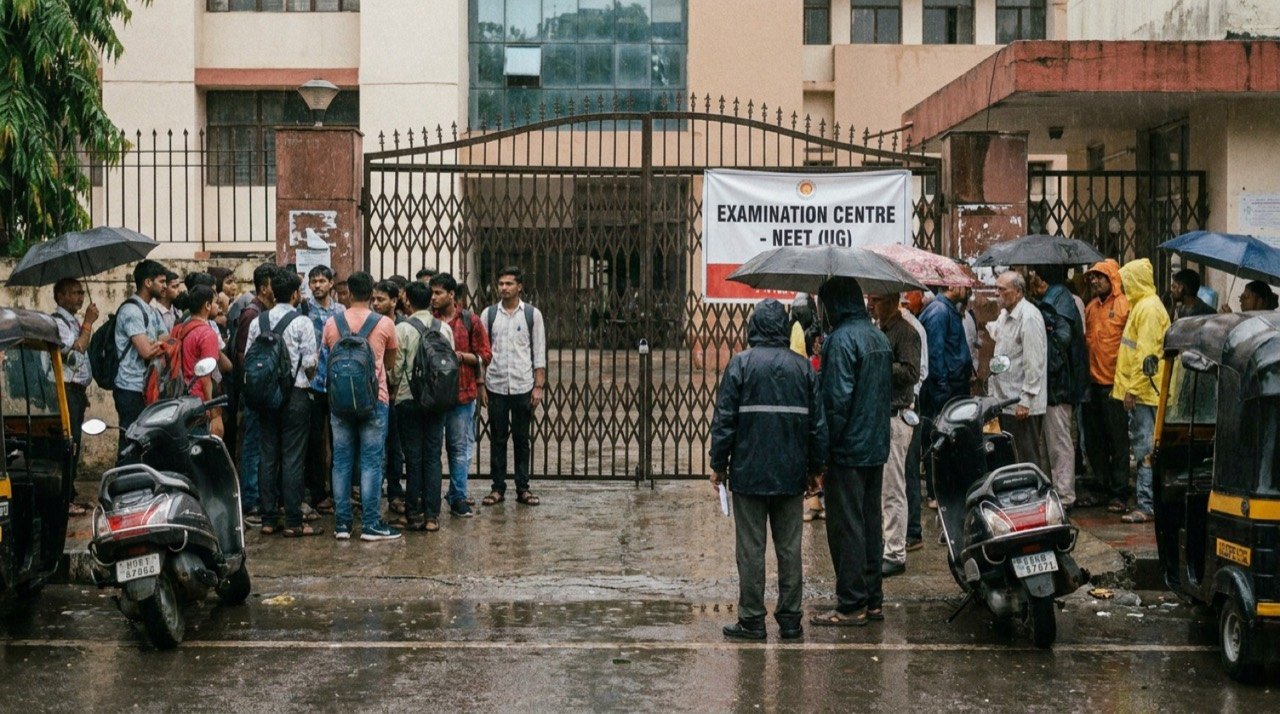
NEET Re-Test Gate Closures Revive Debate Over Exam Fairness
Students turned away minutes late at the NEET re-test have reignited a hard question for India's high-stakes exams: how should rigid rules and uniform deadlines accommodate real-life disruption?

J&K School Library Books Row: Officials Suspended, Authors Blacklisted
Jammu and Kashmir's education administration has suspended eight officials and blacklisted the authors and publishers of two school library books, turning a content controversy into a wider test of curriculum oversight and procurement checks.
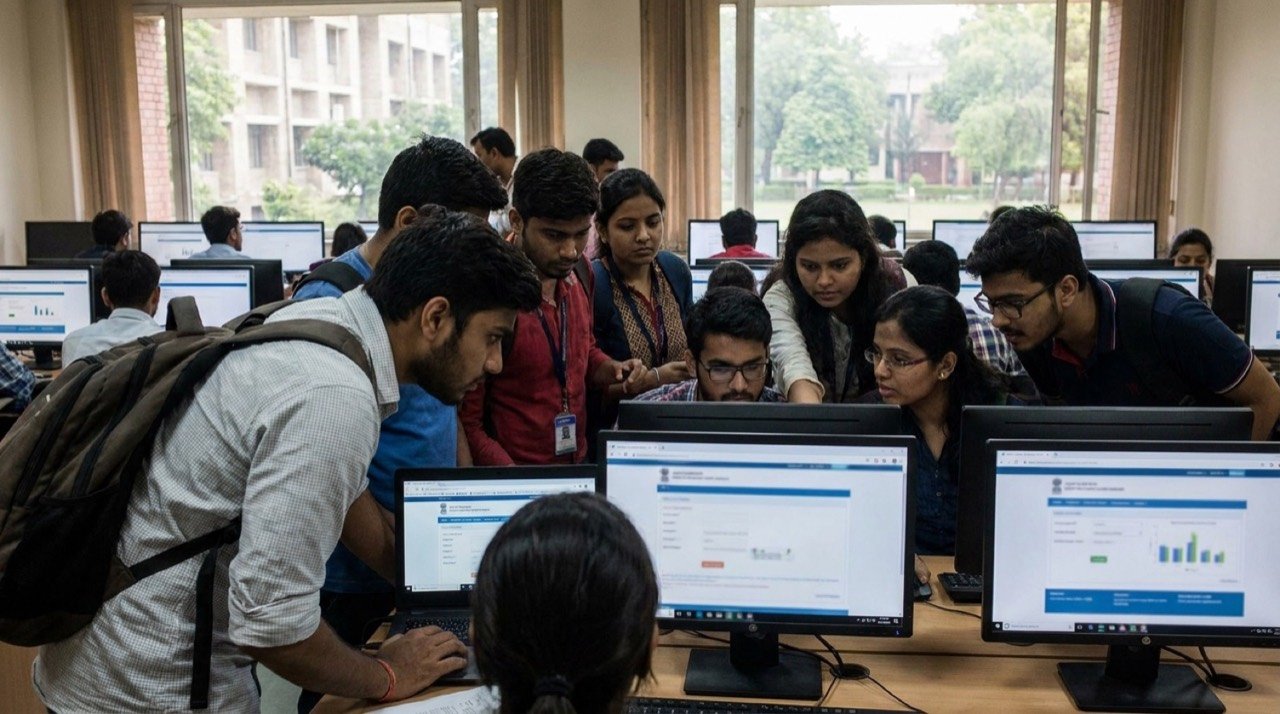
CUET UG 2026 Results Declared After Final Answer Key Drops Seven Questions
The NTA has declared CUET UG 2026 results, letting lakhs of candidates download scorecards as central and participating universities prepare to run their own admission and cut-off processes.

NEET-UG Fake Leak Video Sparks Probe as Exam Misinformation Comes Under Scrutiny
Police and exam authorities are hunting the creators of a fake NEET-UG paper-leak video that spread online around the retest, stoking panic among students and exposing how fast misinformation can erode trust.
More from this section
More
AICTE Industry Fellowship 2026: Rs 1.5 Lakh Scheme Closes July 5
The AICTE Industry Fellowship Programme 2026, which places technical-education faculty inside leading companies on a Rs 1.5 lakh monthly stipend, reached its application deadline on July 5.
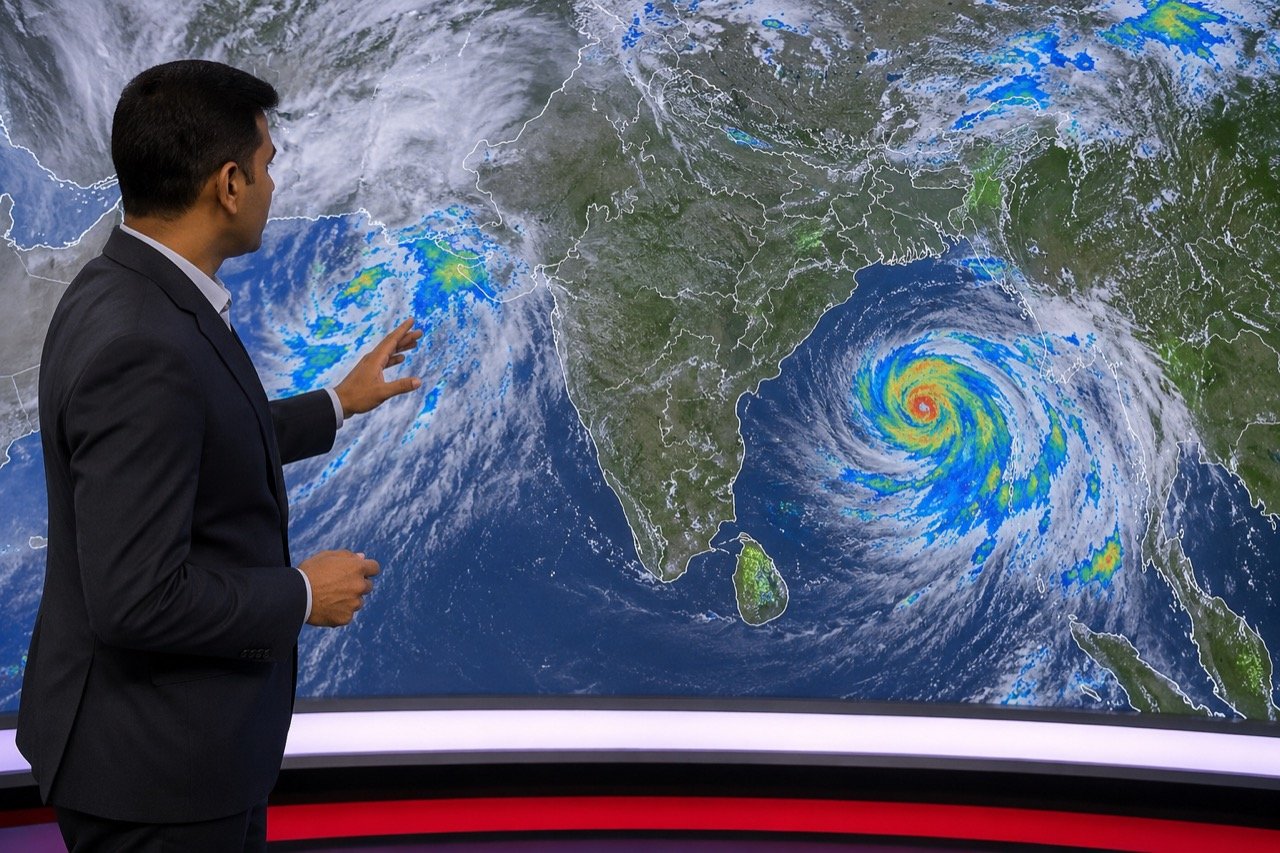
Bay of Bengal Low Pressure System Revives Monsoon Over Western India
A low-pressure system over the Bay of Bengal has pushed the monsoon back into an active phase, bringing steady heavy rain to Kerala, coastal Karnataka and Maharashtra, and putting Mumbai and Pune on preparedness watch.
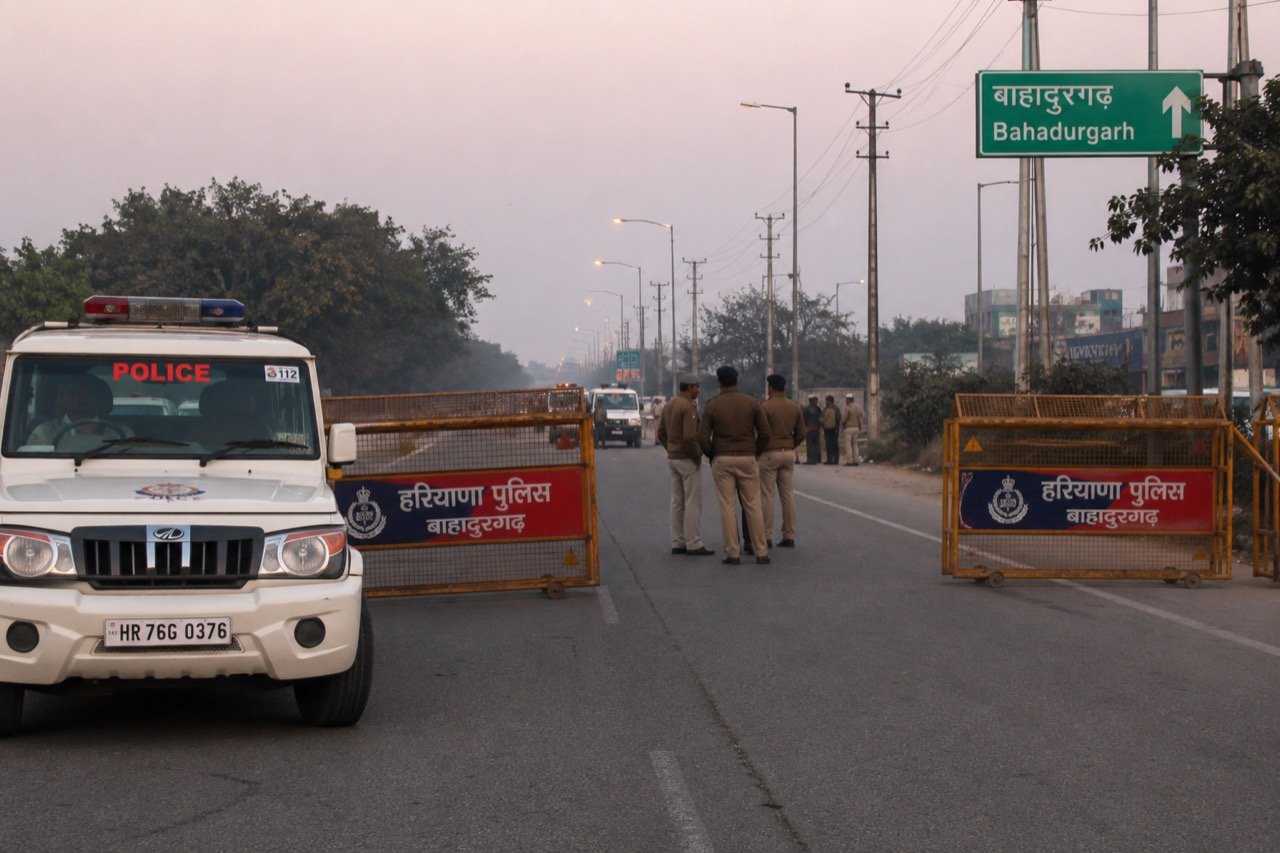
Bishnoi Gang Suspects Injured in Haryana Encounter as Police Tighten Net
A joint Haryana-Delhi Police operation in Bahadurgarh left two suspected Lawrence Bishnoi gang members injured, spotlighting the multi-state coordination now central to India's fight against organised crime networks.