Trainee Pilot Safe as Cessna Crash-Lands Near UP Highway
A Cessna 152 on a solo training flight from Aligarh crash-landed in a field near a highway in Uttar Pradesh's Kasganj area, with the trainee pilot unharmed and the DGCA opening an investigation.
Commentary & Analysis ·
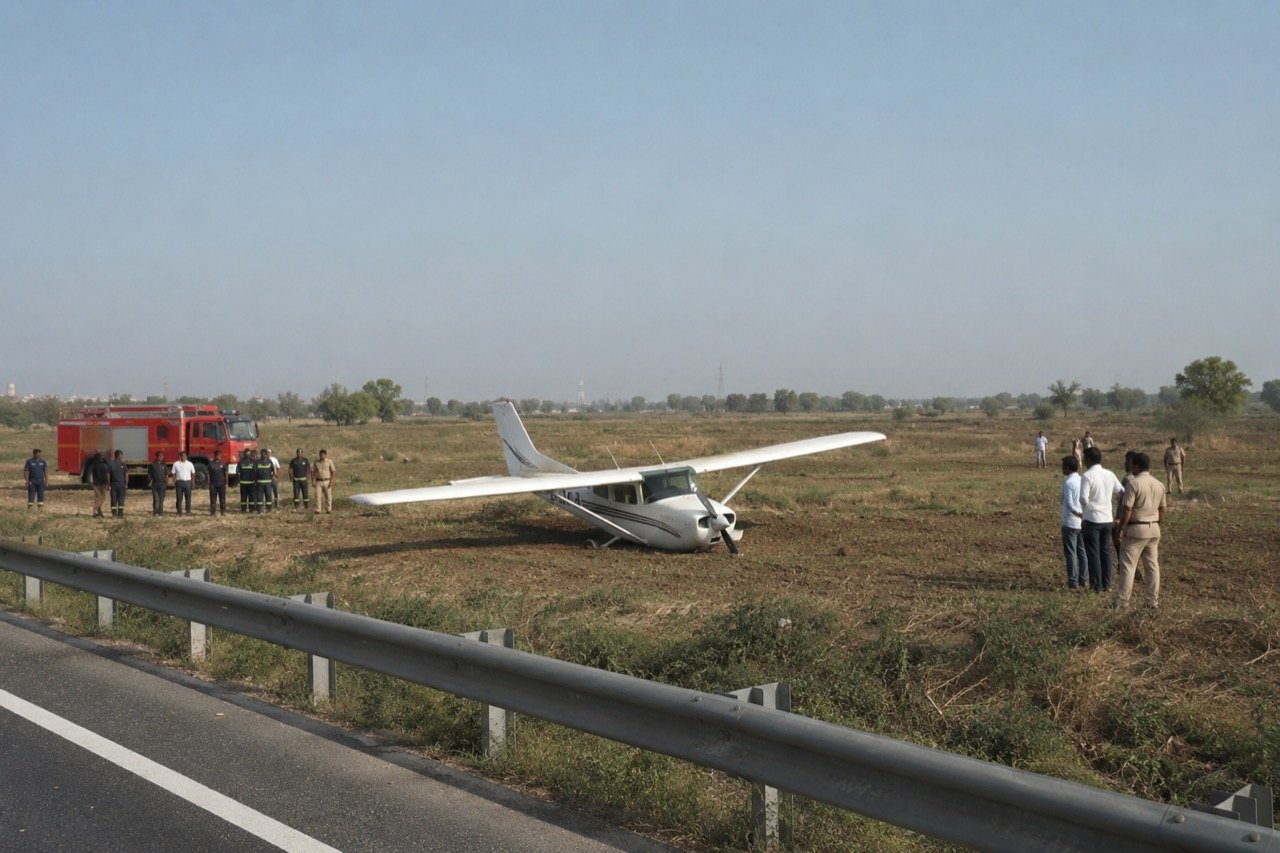
A Cessna 152 training aircraft crash-landed in Uttar Pradesh's Kasganj area on a flight out of Aligarh, coming down in a field close to a highway. The trainee pilot at the controls walked away safe, and no major casualties were reported in the immediate aftermath of the incident. The Directorate General of Civil Aviation has confirmed the occurrence and launched an investigation. With the pilot unharmed, attention has quickly shifted from emergency response to the safety questions that surround every training-flight mishap. That shift in focus is itself instructive: in India's aviation ecosystem, a safe landing does not close a story so much as open one, because each incident is treated as a data point in a much larger pattern of how the country is training the pilots it will need for decades to come.
What is known so far
The essential facts are straightforward. The Cessna 152, a light single-engine aircraft widely used across the world for basic flight instruction, was operating out of Aligarh when it came down in a field near a highway in the Kasganj area. The trainee was reportedly flying solo at the time, a standard and necessary stage in any pilot's early training, in which a student who has demonstrated basic competence under supervision is sent up alone to build independent flying hours. The aircraft's landing, while forced and unplanned, ended without major casualties, and the DGCA has confirmed the occurrence and opened a formal inquiry. Beyond these confirmed details, the cause of the crash-landing remains undetermined, and it would be premature, and irresponsible, to speculate on what specifically went wrong before investigators have examined the wreckage, the maintenance logs and the circumstances of the flight.
Why training incidents get close scrutiny
Incidents involving training aircraft are examined in unusual detail because they sit at the intersection of several distinct systems: pilot instruction, aircraft maintenance, weather assessment, route planning and emergency decision-making. A crash landing can stem from any one of these factors, or from some combination of them, and investigators caution against assigning a cause before the DGCA inquiry runs its course. This is not mere bureaucratic caution. A mechanical fault, a lapse in pre-flight checks, an error in judgment under pressure, or an unexpected change in weather can each produce a similar outcome, a forced landing, yet each points to a different fix. If the aircraft suffered an engine problem, the spotlight falls on maintenance schedules and the age of the training fleet. If it was a decision made mid-flight by a solo trainee facing an unfamiliar situation, the spotlight falls on how flying schools prepare students for the moment when something goes wrong and there is no instructor beside them to intervene. Getting the diagnosis right matters more than getting an answer quickly, because the wrong lesson drawn from this incident could leave the actual vulnerability unaddressed.
India's expanding pilot-training pipeline
The episode also throws light on India's fast-expanding pilot-training ecosystem. As demand for commercial aviators grows, driven by the rapid expansion of domestic and international airline fleets, flying schools face pressure to push more trainees through their programmes while holding the line on safety standards. This is a genuine tension, not a hypothetical one. Training aircraft such as the Cessna 152 are workhorses precisely because they are simple, forgiving and inexpensive to operate relative to larger equipment, but that also means they are often flown intensively, cycled through many student hours in a single day, and maintained on tight schedules to keep pace with enrolment. Regular inspections, maintenance discipline and transparent investigation of every incident are what keep that balance intact. When any one of those pillars slips, even slightly, the risk does not necessarily show up immediately; it accumulates, quietly, until an incident like this one surfaces it.
The view from the ground
For residents living near smaller airfields, such events can be unsettling, since training flights routinely operate over open areas and close to populated stretches. A Cessna crash-landing near a highway is a vivid reminder that light aircraft on training routes are a near-constant, low-visibility presence over towns like Kasganj, one that most residents rarely think about until an incident forces the aircraft, quite literally, into a field beside them. Clear, prompt communication from authorities helps quell speculation and reassures the public that safety procedures are being followed. In the absence of such communication, rumour tends to fill the gap, and each subsequent incident, however minor, becomes harder for the public to place in context. The DGCA's willingness to confirm the occurrence quickly is a reasonable first step, but the substance of reassurance will come from the findings that follow, not merely the acknowledgement that an inquiry exists.
What stakeholders should be watching
Several parties have a stake in how this plays out. Flying schools and their regulators will want to know whether this incident reflects an isolated mechanical or human factor, or whether it points to a systemic pressure point in how solo training flights are supervised and equipped. Aspiring pilots and their families, who commit significant time and money to flight training, have an interest in knowing that the aircraft they train on and the safety net around solo flights are robust. Airlines further down the pipeline, who will eventually hire graduates of these training programmes, benefit from a training ecosystem that instils sound judgment under pressure from the earliest stages, since the instincts formed in a Cessna over Aligarh are the same instincts a pilot will rely on years later in the cockpit of a much larger aircraft. And the flying public, more broadly, has a diffuse but real interest in a training system that produces pilots who have been tested, and have responded well, when things go wrong.
The NE Times View
The relief of a safe outcome should not obscure the warning embedded in this incident. India will need thousands of new pilots over the coming decade, and its flying schools are the foundation of that pipeline, a foundation only as strong as the maintenance hangars and instructors behind each solo flight. The DGCA's inquiry must be swift and its findings public, because trust in the training system is built one transparent investigation at a time. If throughput pressure is allowed to erode safety culture at the grassroots, the cost will eventually surface far above a Kasganj field. An incident that ends with a trainee walking away safely is, in the fullest sense, a warning delivered at the lowest possible cost, and it would be a mistake to treat it as a footnote rather than as the signal it is.
Key takeaways
- A Cessna 152 training aircraft on a solo exercise out of Aligarh crash-landed in a field near a highway in Kasganj, Uttar Pradesh, with the trainee pilot unharmed and no major casualties reported.
- The DGCA has confirmed the occurrence and launched an investigation, though the specific cause, whether mechanical, procedural or weather-related, remains undetermined pending that inquiry.
- Training incidents draw close scrutiny because they touch on instruction quality, maintenance discipline, weather assessment and emergency decision-making all at once.
- India's rapidly growing pilot-training sector faces real pressure to scale enrolment while preserving safety standards, a balance maintained only through rigorous inspection and transparent incident review.
- Swift, public findings from the DGCA are essential not just for this case but for sustaining public trust in the training pipeline that will supply India's future commercial pilots.
You may also like to read
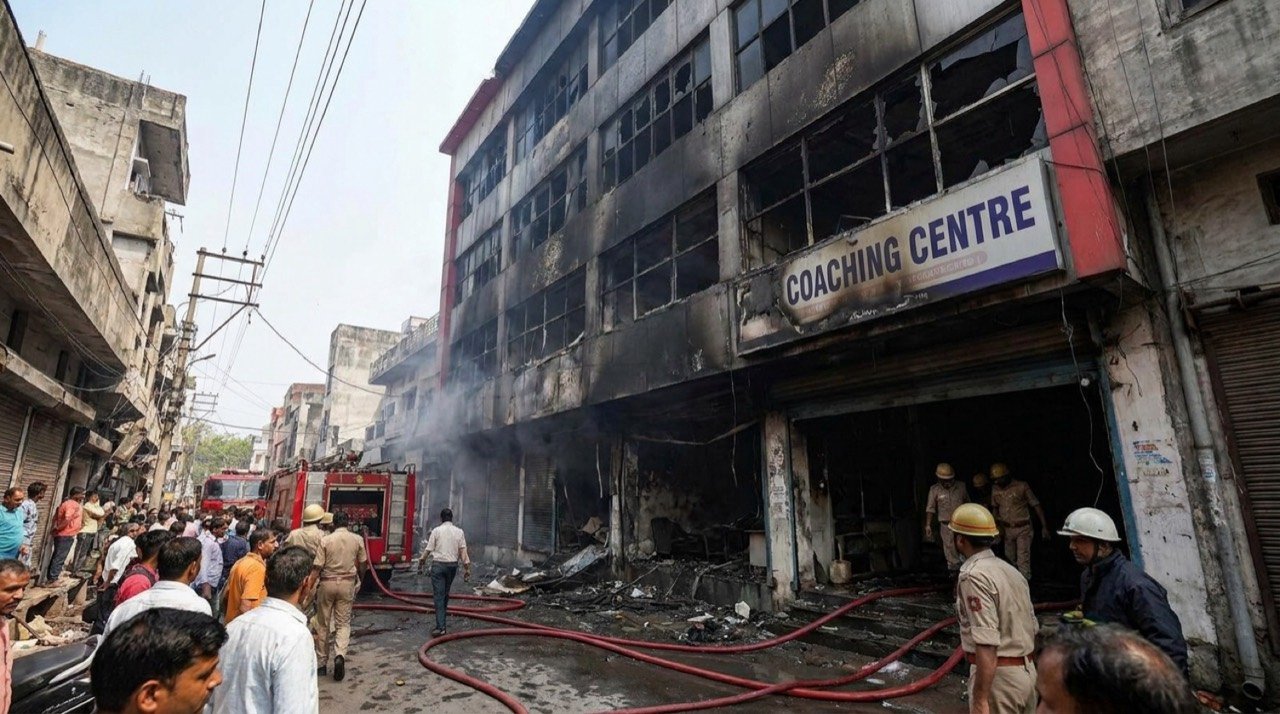
Lucknow Coaching-Centre Fire: Officials Suspended and Owners Arrested After 15 Deaths
A deadly fire at a Lucknow building housing a coaching centre has killed 15 people, triggering suspensions, arrests and a special probe into safety and construction violations.
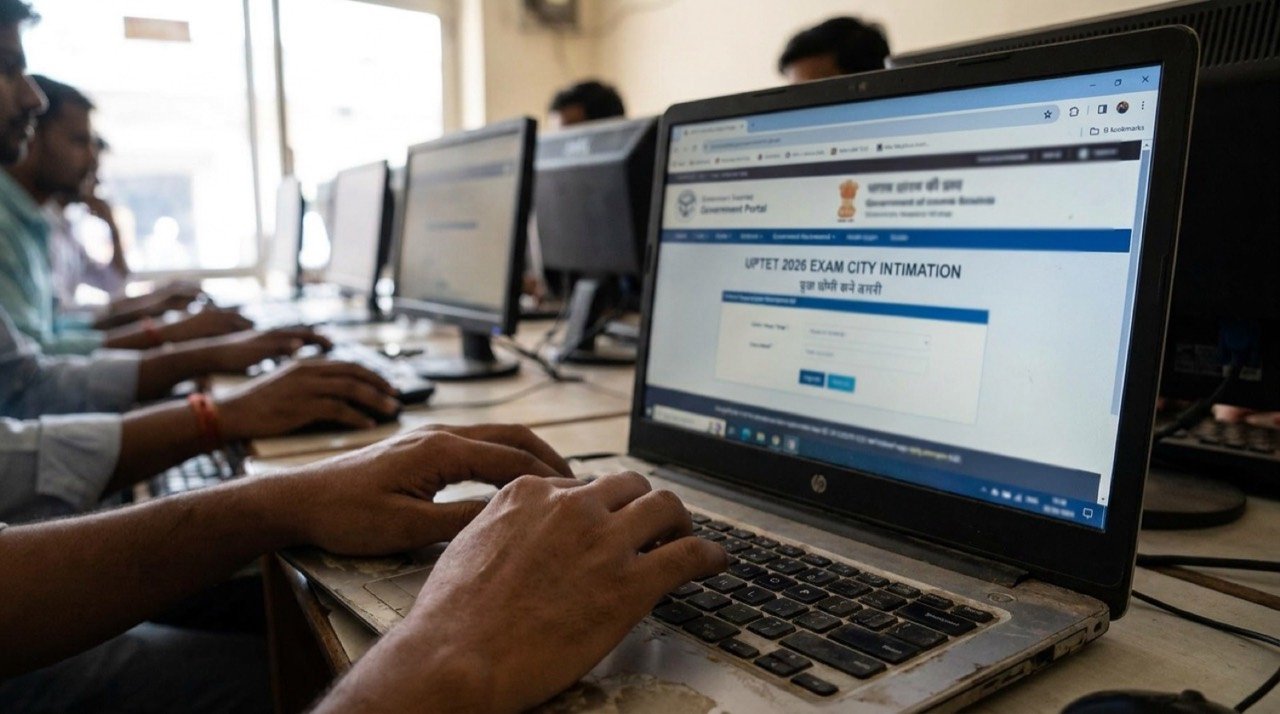
UPTET 2026 City Intimation Slip Released: Candidates Get Time to Plan Exam Travel
The UPESSC has released the UPTET 2026 exam city intimation slip, letting candidates check their allotted city ahead of the offline test on July 2, 3 and 4, with admit cards to follow.
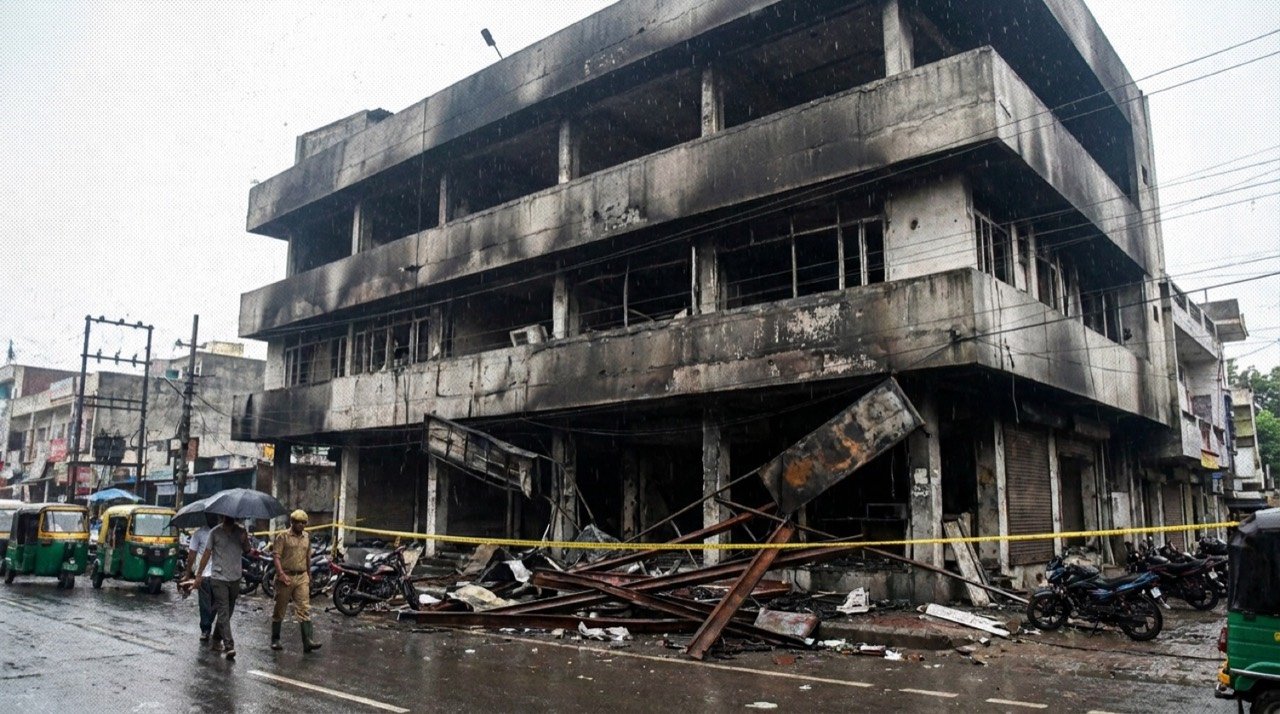
Lucknow Fire Probe Exposes Building Safety Failures After 15 Deaths
A Special Investigation Team is probing the Aliganj fire that killed 15 people, mostly young students, after an FIR flagged missing fire-safety arrangements and the absence of any emergency exit.
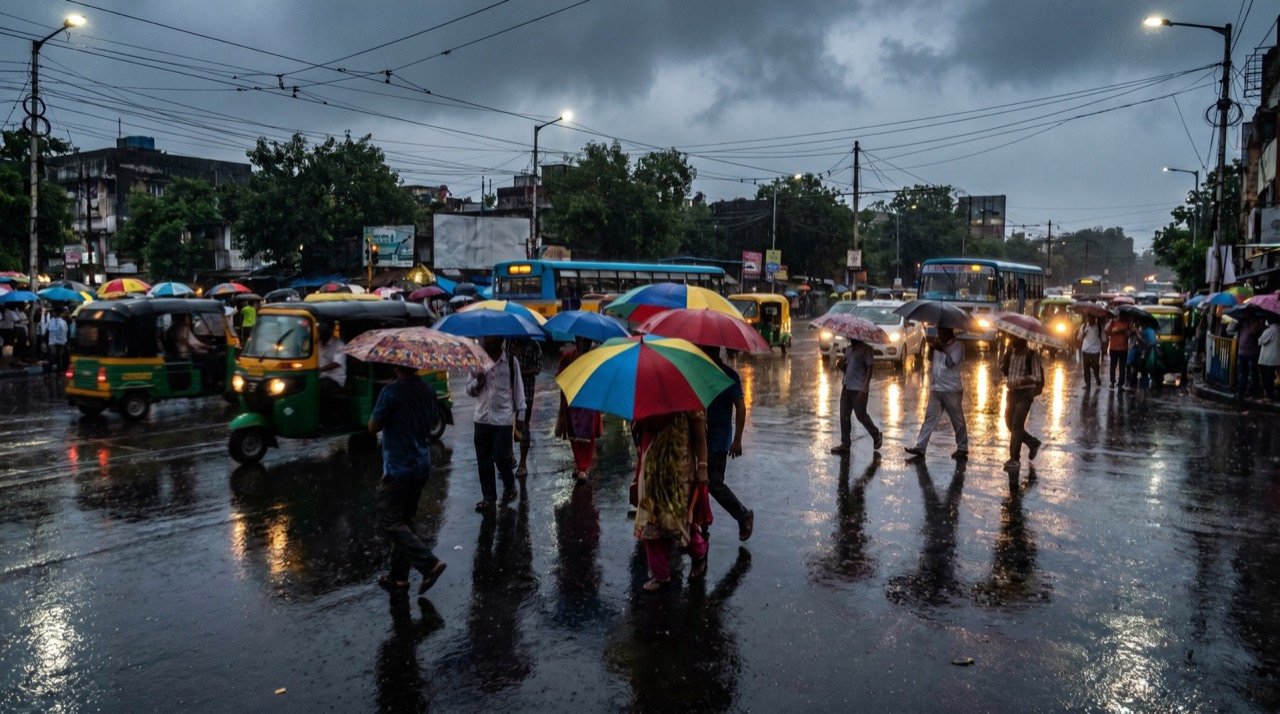
Cabinet Clears Jet Fuel Price Stabilisation Fund And NCR Vehicle Replacement Push
The Union Cabinet has approved a Price Stabilisation Fund to cushion airlines against jet fuel volatility, alongside a scheme to replace ageing trucks and buses across the Delhi-NCR region.
More from this section
More
AICTE Industry Fellowship 2026: Rs 1.5 Lakh Scheme Closes July 5
The AICTE Industry Fellowship Programme 2026, which places technical-education faculty inside leading companies on a Rs 1.5 lakh monthly stipend, reached its application deadline on July 5.
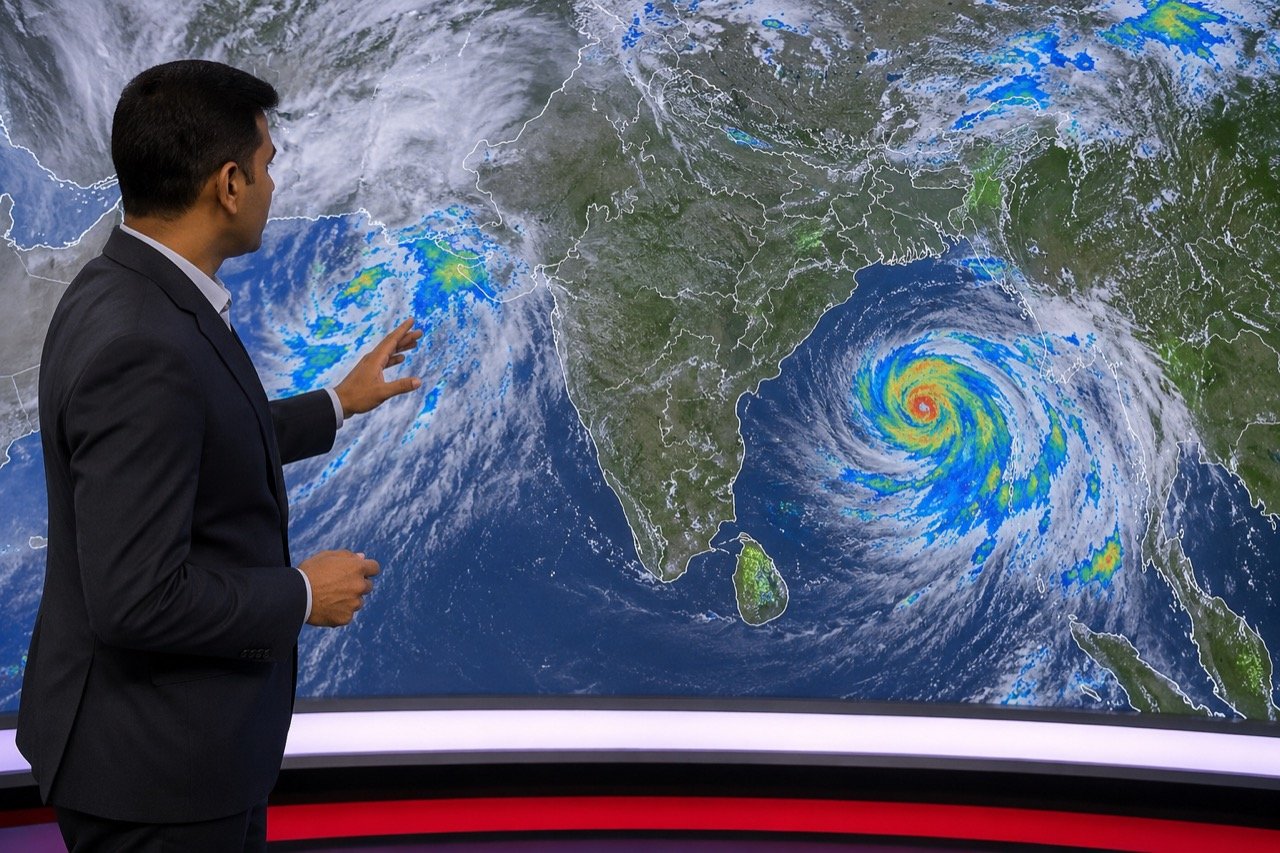
Bay of Bengal Low Pressure System Revives Monsoon Over Western India
A low-pressure system over the Bay of Bengal has pushed the monsoon back into an active phase, bringing steady heavy rain to Kerala, coastal Karnataka and Maharashtra, and putting Mumbai and Pune on preparedness watch.
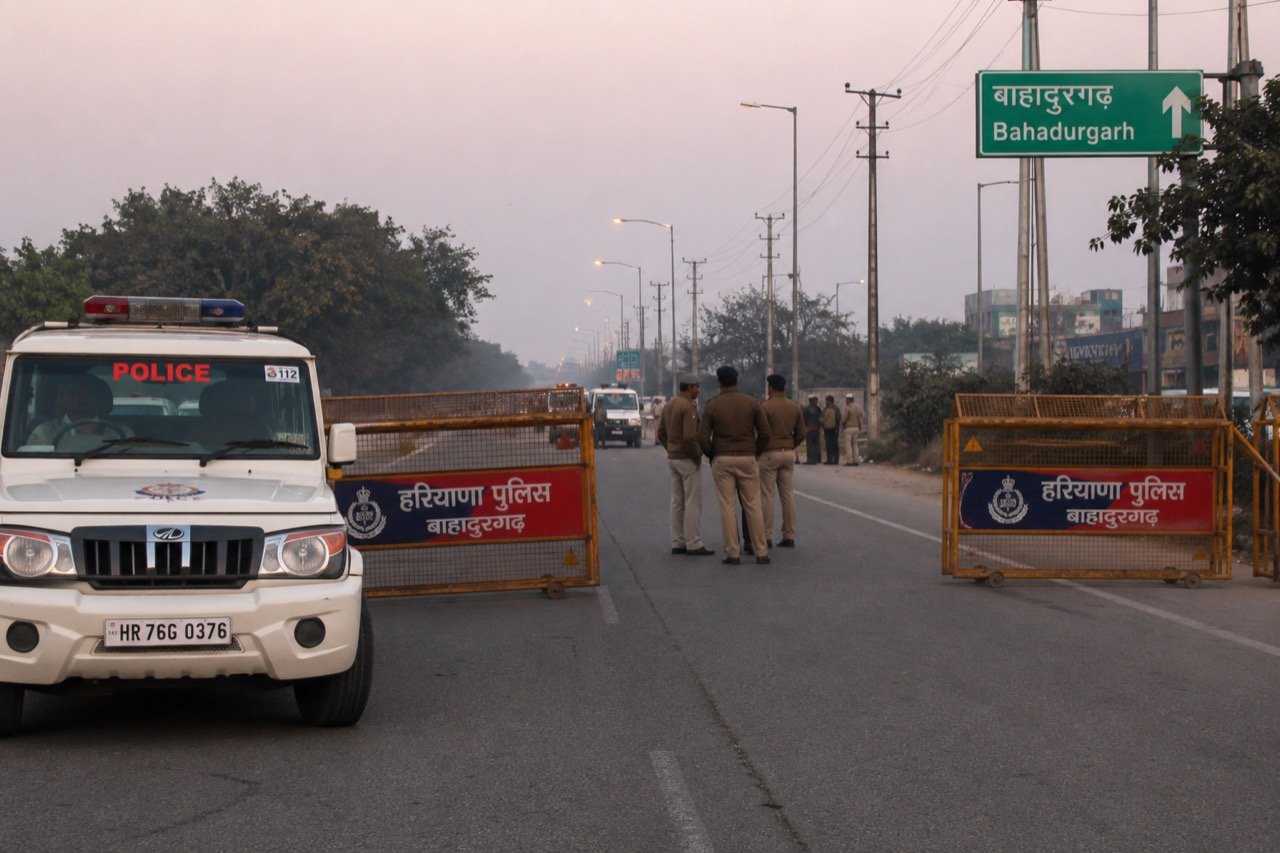
Bishnoi Gang Suspects Injured in Haryana Encounter as Police Tighten Net
A joint Haryana-Delhi Police operation in Bahadurgarh left two suspected Lawrence Bishnoi gang members injured, spotlighting the multi-state coordination now central to India's fight against organised crime networks.