Centre Amends FCRA Rules, Tightening Scrutiny on Foreign-Funded Associations
New government notification bars associations with foreign nationals as key functionaries from FCRA registration and adds field inquiries, raising the compliance bar for non-profits.
Commentary & Analysis ·
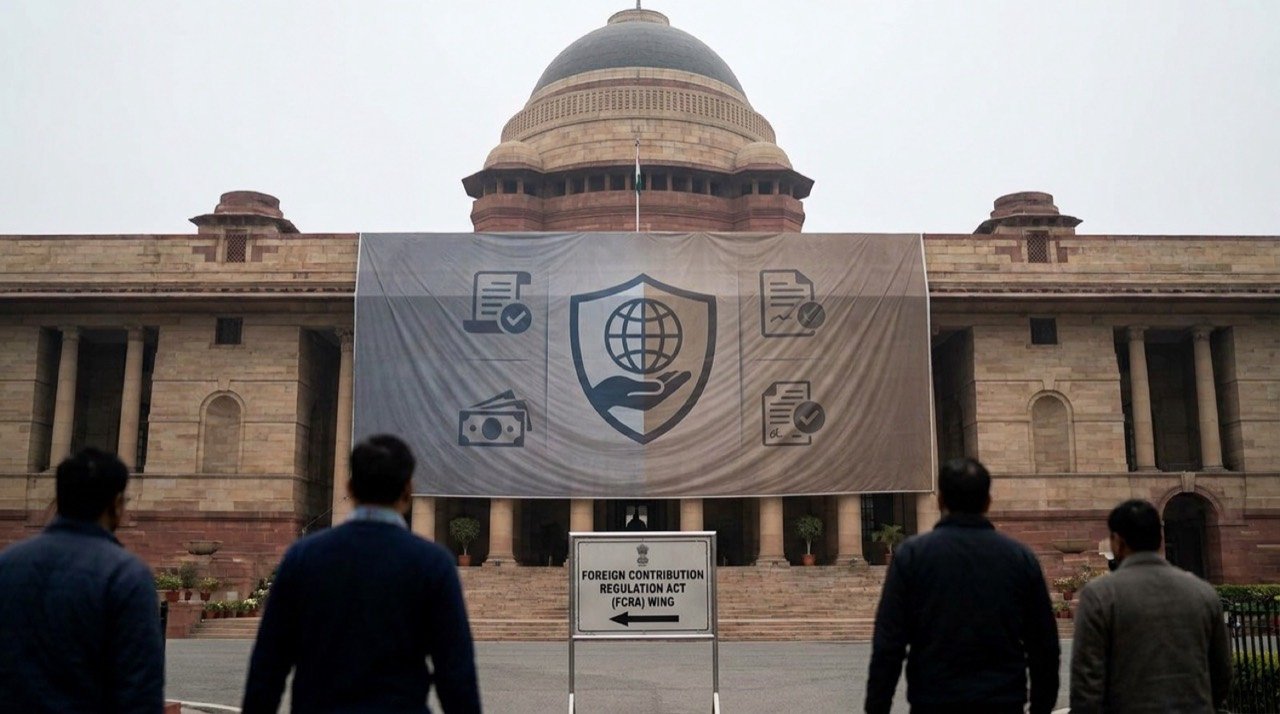
The Centre has amended the rules governing organisations that receive foreign contributions, adding a fresh compliance layer for any association seeking registration or prior permission under the Foreign Contribution (Regulation) Act. On the surface, this reads as a routine regulatory tweak. In substance, the change recasts who can credibly apply for foreign money and how closely the government will examine what that money is eventually spent on. For a law that has been amended and re-amended over the past decade, each iteration has tended to move in one direction, tightening the aperture through which foreign funds reach Indian civil society, and this notification continues that trajectory.
What the amendment changes
According to the government notification, organisations that have foreign nationals, other than persons of Indian origin, as key functionaries will ordinarily not be considered for FCRA registration or prior permission. In effect, the composition of an association's leadership now becomes a threshold question, not an afterthought, when authorities assess an application. This is a meaningful shift in sequencing. Previously, an organisation's programmatic objectives and financial conduct would typically dominate the review. Now, before any of that is examined, the nationality and status of the people actually running the organisation becomes a gatekeeping criterion in its own right.
The notification also points to field inquiries as a tool for verifying how foreign funds are actually used. That marks a shift from paper-based vetting toward on-ground checks, signalling that approvals and renewals may hinge on demonstrable, traceable spending rather than declarations alone. This is a structurally different mode of oversight. Paper-based review relies on an organisation's own submissions, audited accounts, utilisation certificates, and annual returns being taken largely at face value, with scrutiny escalating only if something looks amiss. A field-inquiry regime instead allows officials to independently verify, at the source, whether declared activities and declared spending match what is actually happening on the ground.
Who feels the impact
The change matters most for non-profits, charities, educational bodies and advocacy groups that depend on overseas donations to sustain programmes. For these organisations, the central question is no longer simply whether money can enter India, but whether their governance, stated purpose and pattern of spending can withstand closer scrutiny. This distinction matters because it shifts the burden from a one-time entry check to an ongoing test of institutional credibility. An organisation that clears registration is not, under this framework, presumed compliant thereafter; it must be able to demonstrate compliance whenever a field inquiry is triggered.
Officials have framed the move as a safeguard for transparency and the national interest. This framing is consistent with the stated rationale behind earlier rounds of FCRA tightening, namely that foreign funding channels have historically been vulnerable to misuse, whether through opaque leadership structures, layered sub-granting, or funds diverted from their declared purpose. Civil society groups, in response, will need to revisit board composition, documentation, utilisation records and renewal timelines well before deadlines fall due. For organisations that have long relied on international staff or trustees in senior roles, whether for technical expertise, donor relationships, or historical reasons tied to how the organisation was founded, the leadership-composition rule in particular may force a genuine restructuring rather than a paperwork fix.
The compliance checklist ahead
For donors and recipients alike, the immediate effect is procedural. Applications may now face deeper verification, and associations will likely need cleaner internal records to show that foreign funds serve only their approved objectives. The practical checklist emerging from the notification includes reviewing whether any key functionary is a foreign national who is not of Indian origin, maintaining board-composition and governance records that can survive a field inquiry, keeping detailed bank statements and utilisation reports mapped to approved objectives, tracking registration and renewal timelines to avoid lapses, and documenting project outcomes to demonstrate that funds were spent as declared.
None of these individually is an unreasonable ask of an organisation handling foreign money. Taken together, however, they represent a considerably higher compliance floor than existed before, particularly for smaller non-profits that may not have dedicated legal or compliance staff. Larger, well-resourced organisations with established governance systems are likely to absorb these requirements with manageable friction. Smaller, grassroots bodies, often precisely the ones doing health, education and relief work in areas the state does not adequately reach, may find the administrative burden harder to carry, even where their conduct has been entirely above board.
Reading the field-inquiry mechanism
As one compliance analysis put it, the recipient's governance, purpose and spending must now withstand closer scrutiny, not just clear a one-time check. This captures the essential character of the change: it converts FCRA compliance from a gate one passes through into a condition one must continuously satisfy. The amendment is likely to sharpen a long-running debate over how India balances national security, public accountability and the operating space for voluntary organisations. How the new field-inquiry mechanism is implemented in practice, and how consistently it is applied, will determine whether the rule reads as a transparency safeguard or a fresh hurdle for the sector.
This is the crux of the matter, and it is worth dwelling on. A field-inquiry power that is applied uniformly, with clear criteria and predictable timelines, functions as a genuine transparency tool: it deters the small minority of organisations that misuse foreign funds while imposing a manageable, foreseeable burden on the rest. The same power, applied selectively or unpredictably, functions instead as a discretionary lever that can be used to slow down, harass, or effectively deregister organisations whose work or advocacy the state finds inconvenient, regardless of whether their finances are actually in order. The text of the amendment cannot by itself tell us which of these two outcomes will materialise; that will depend on how field inquiries are scoped, staffed, and reviewed in practice.
The NE Times View
FCRA reform sits on a genuine tension: states have a right to guard against opaque foreign money, but successive tightenings have also squeezed legitimate non-profits doing health, education and relief work the state cannot reach alone. Barring foreign functionaries and adding field inquiries raise compliance burdens; the danger is selective enforcement. The fair test is transparency applied evenly, not a quieter civil society.
It is worth stating plainly what is and is not in dispute here. Few would argue that foreign funding of Indian organisations should be entirely free of oversight; money moving across borders into associations that can shape public discourse, deliver essential services, or organise communities is a legitimate area of state interest everywhere in the world. The dispute is over calibration, whether each successive amendment is proportionate to a demonstrated risk, and whether the tools created, such as field inquiries and leadership-composition bars, are used as narrowly tailored safeguards or as broad instruments of control. Given the sector's experience with earlier FCRA amendments, many organisations will approach this latest change with caution rather than reassurance, and that caution is not unreasonable given the pattern.
Key takeaways
- The amendment bars organisations with foreign nationals, other than persons of Indian origin, in key functionary roles from ordinarily being considered for FCRA registration or prior permission.
- Field inquiries will now be used to verify actual utilisation of foreign funds, shifting oversight from paper-based declarations to on-ground checks.
- Non-profits, charities, educational bodies and advocacy groups that rely on overseas donations face the greatest practical impact and must revisit governance, documentation and renewal timelines.
- Organisations should proactively review functionary composition, strengthen utilisation records, and track renewal deadlines to withstand the new scrutiny.
- Whether the change functions as a genuine transparency safeguard or a fresh hurdle for civil society will depend on how consistently the field-inquiry mechanism is applied in practice.
You may also like to read

Centre Amends FCRA Rules for Foreign-Funded Organisations
The Home Ministry has tightened FCRA reporting on foreign nationals among key functionaries, raising the compliance bar for NGOs, charities and research bodies that take overseas funds.

Government Revises FCRA Penalties for Foreign-Funded NGOs
The Union government has revised penalties under the Foreign Contribution Regulation Act, tightening compliance rules for organisations receiving foreign funds, including violations such as breaching permitted administrative-expense limits.

Centre Tightens FCRA Rules For NGOs Receiving Foreign Funds
India has amended its Foreign Contribution Regulation Act rules, adding disclosure and compliance demands for NGOs taking overseas donations and excluding proselytisation from permitted faith-based activity.
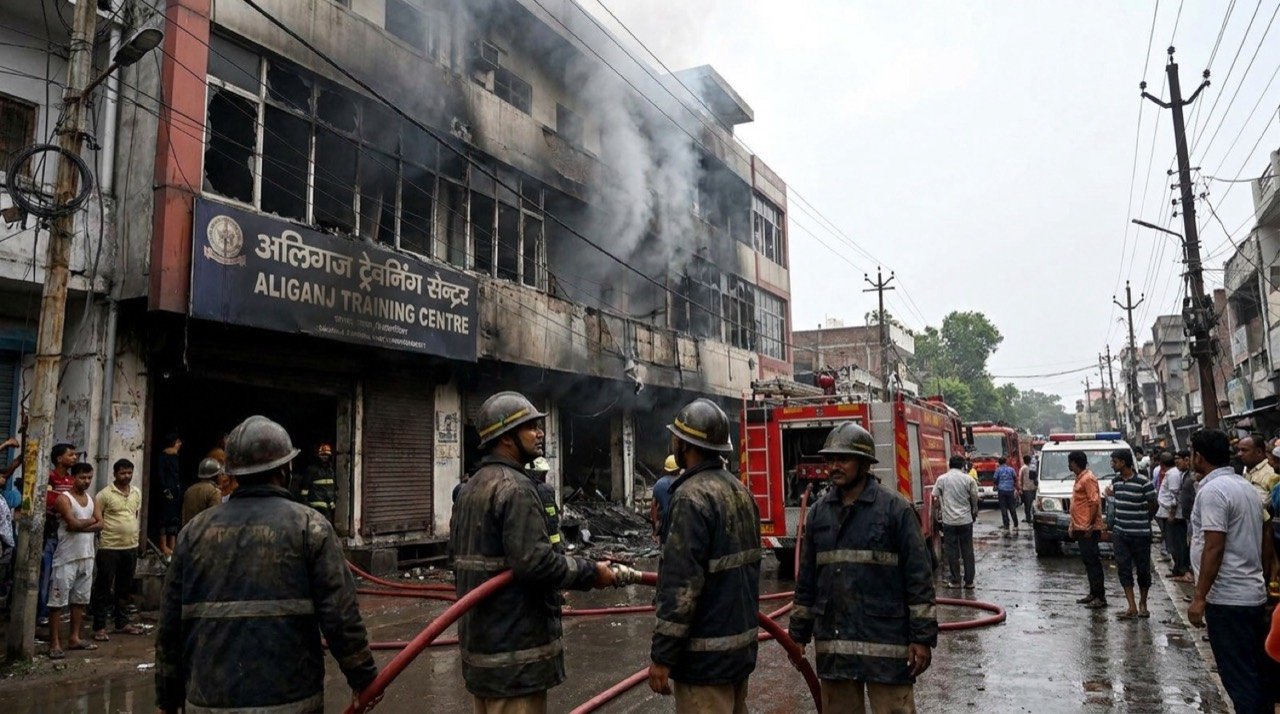
Lucknow Fire Puts Coaching and Training Centre Safety Under Scrutiny
At least 15 people, mostly students and trainees, died in a Lucknow fire, forcing a hard look at fire-safety compliance in coaching centres, gaming studios and training spaces inside commercial buildings.
More from this section
More
AICTE Industry Fellowship 2026: Rs 1.5 Lakh Scheme Closes July 5
The AICTE Industry Fellowship Programme 2026, which places technical-education faculty inside leading companies on a Rs 1.5 lakh monthly stipend, reached its application deadline on July 5.

Bay of Bengal Low Pressure System Revives Monsoon Over Western India
A low-pressure system over the Bay of Bengal has pushed the monsoon back into an active phase, bringing steady heavy rain to Kerala, coastal Karnataka and Maharashtra, and putting Mumbai and Pune on preparedness watch.
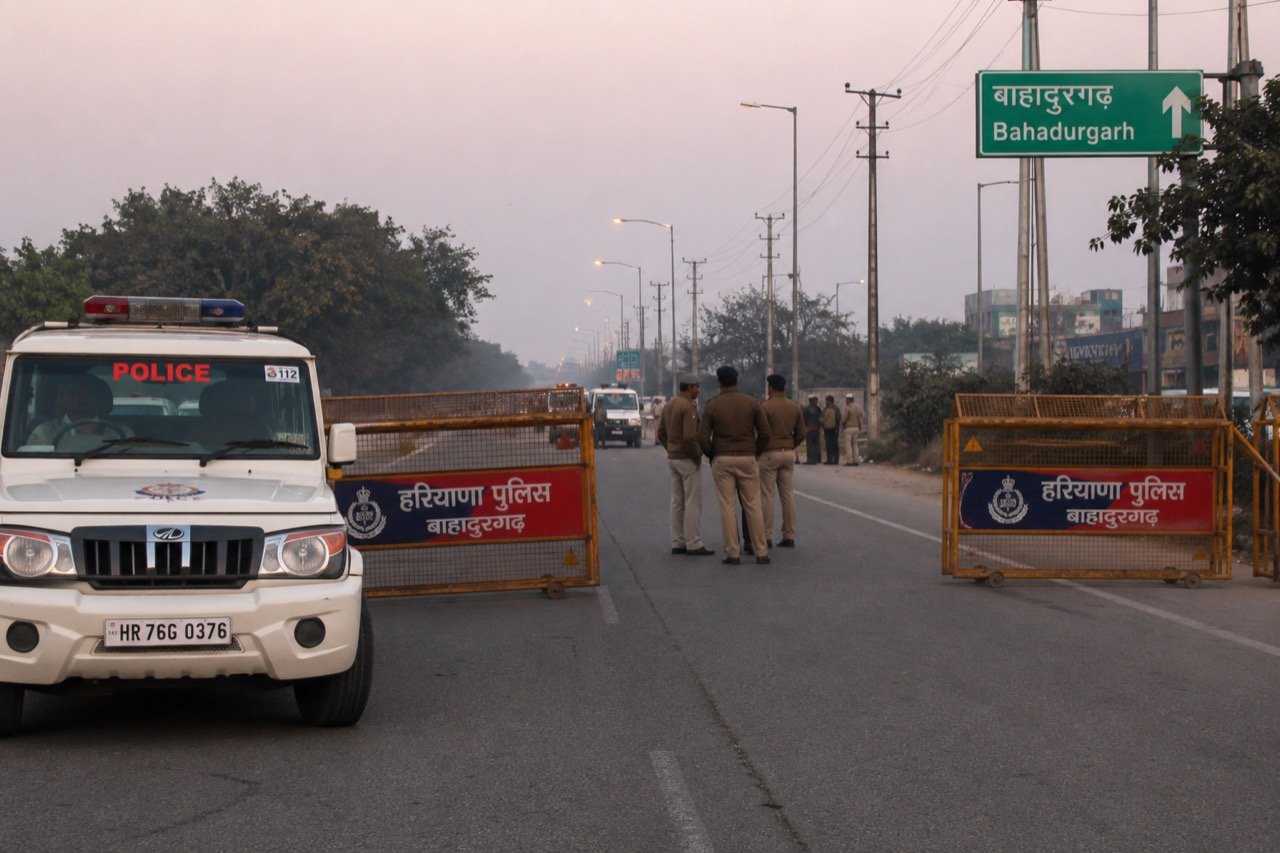
Bishnoi Gang Suspects Injured in Haryana Encounter as Police Tighten Net
A joint Haryana-Delhi Police operation in Bahadurgarh left two suspected Lawrence Bishnoi gang members injured, spotlighting the multi-state coordination now central to India's fight against organised crime networks.