CBSE's Gulf Class 12 Assessment Formula Explained for Overseas Indian Students
With thousands of CBSE students in the Gulf, the board's assessment formula for Class 12 has drawn fresh attention over how marks are computed for schools outside India.
Commentary & Analysis ·

The way the Central Board of Secondary Education computes Class 12 results for its Gulf-region schools has come back into focus, drawing attention from the large community of Indian-curriculum students across the United Arab Emirates, Saudi Arabia, Qatar, Oman, Kuwait and Bahrain. With hundreds of CBSE-affiliated schools operating overseas, the assessment formula that determines final marks for these students carries weight well beyond India's borders.
Why the Gulf cohort is significant
CBSE runs one of the largest networks of overseas schools of any Indian board, and the Gulf accounts for a substantial share of that footprint. For families of the Indian diaspora, a CBSE certificate keeps the option open of returning to India for higher education while following a recognised national curriculum abroad.
That makes the consistency and transparency of the assessment process particularly important, since results feed directly into university admissions both in India and in the Gulf.
How the assessment formula works
CBSE's standard Class 12 evaluation combines an external board examination with an internal or practical component, with the relative weight set by subject. In years when conventional examinations have been disrupted, the board has applied alternative formulae that blend performance across earlier classes and internal assessment to arrive at a final score.
For Gulf schools, the same overarching rules apply, but the logistics of administering examinations across time zones and jurisdictions mean the board pays close attention to standardisation so that overseas students are neither advantaged nor disadvantaged relative to peers in India.
What students and parents are watching
The central concern for the Gulf cohort is parity: that marks computed under any formula reflect genuine performance and are accepted without prejudice by universities. Clarity on the weightage between theory, practical and internal components is what most families seek ahead of results.
- CBSE operates a large network of affiliated schools across the Gulf.
- Final Class 12 marks combine board examination and internal or practical scores.
- Alternative formulae have been used when examinations were disrupted.
- Standardisation ensures overseas students are assessed on par with those in India.
- Results feed into university admissions in India and abroad.
“Parity and transparency in how marks are computed matter most to families whose children study under CBSE in the Gulf.”
— Education Desk
As the results cycle proceeds, the board's communication on exactly how scores are derived will shape confidence among overseas students and parents. A clear, consistently applied formula remains the surest way for CBSE to protect the credibility of its certificate for the Gulf's large Indian-curriculum community.
The NE Times View
For lakhs of CBSE families in the Gulf, the Class 12 formula is not bureaucratic detail but a determinant of university destinies. The board's duty is plain communication, delivered in time and identically for schools inside and outside India. Confusion abroad, where students cannot simply walk into a regional office, carries a higher cost. Parity and clarity, not periodic clarifications, are what overseas Indians are owed.
This article is original commentary and analysis by The NE Times. Background facts were referenced from Times of India and The Indian Express.
You may also like to read
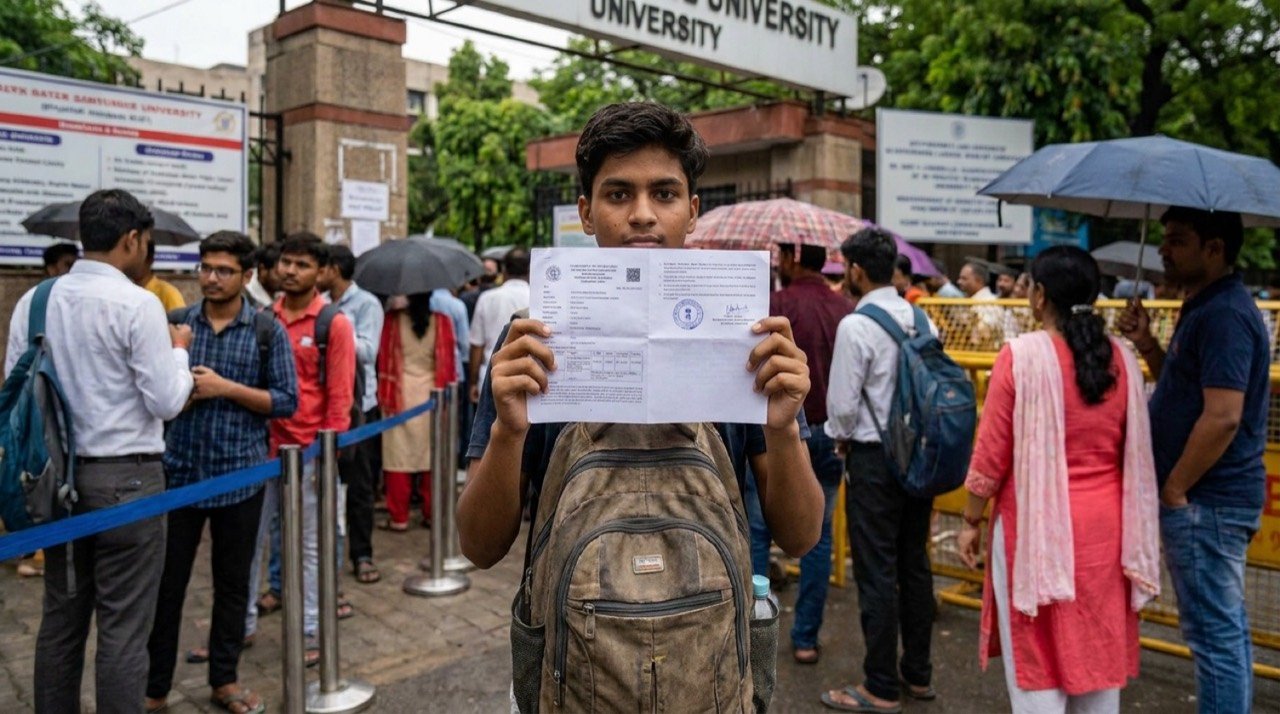
CBSE Issues Revised Class 12 Marksheets After Re-Evaluation: What Students Must Do
CBSE has directed schools to collect original Class 12 marksheets and issue revised documents to students whose scores changed after re-evaluation, a step with real stakes for admissions, scholarships and verification.

Supreme Court Notes CBSE Policy for West Asia Class 12 Students, Disposes Plea
The Supreme Court closed a Saudi Arabia-based candidate's petition after the Centre cited a fresh CBSE policy to declare Class 12 results for West Asian students whose board exams were cancelled amid regional conflict.

Exam Season Peaks as CBSE and CUET Results Near, NEET Looms
June marks a high point in India's academic calendar, with CBSE preparing to declare Class 10 second-board results, CUET-UG scores due shortly and the NEET undergraduate exam scheduled for later in the month.

India to teach AI and computational thinking from Class 3 in new school curriculum
Under a curriculum drafted for Classes 3 to 12, students will begin with logic puzzles, pattern recognition and basic algorithmic thinking from the foundational stage, with the rollout for Classes 3 to 8 set for the 2026-27 academic year.
More from this section
More
AICTE Industry Fellowship 2026: Rs 1.5 Lakh Scheme Closes July 5
The AICTE Industry Fellowship Programme 2026, which places technical-education faculty inside leading companies on a Rs 1.5 lakh monthly stipend, reached its application deadline on July 5.
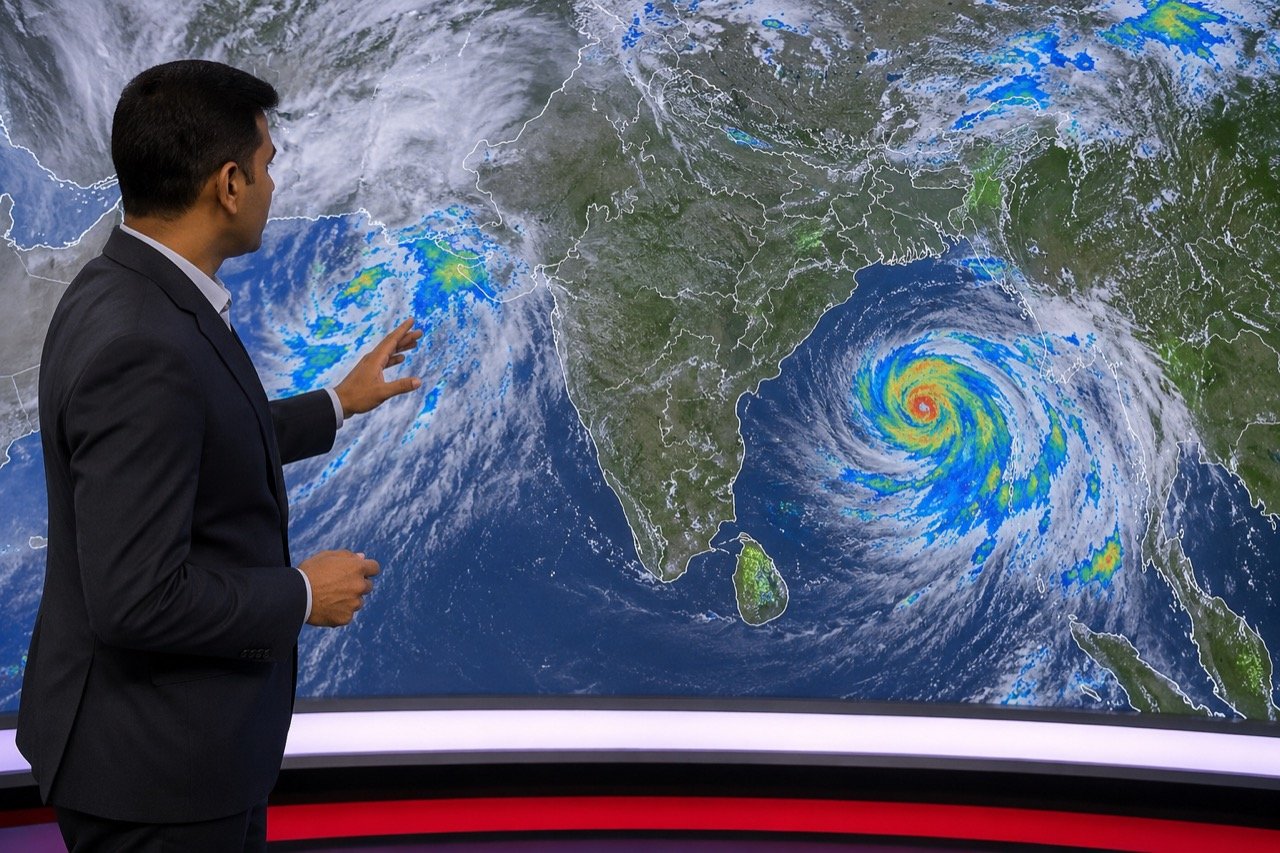
Bay of Bengal Low Pressure System Revives Monsoon Over Western India
A low-pressure system over the Bay of Bengal has pushed the monsoon back into an active phase, bringing steady heavy rain to Kerala, coastal Karnataka and Maharashtra, and putting Mumbai and Pune on preparedness watch.
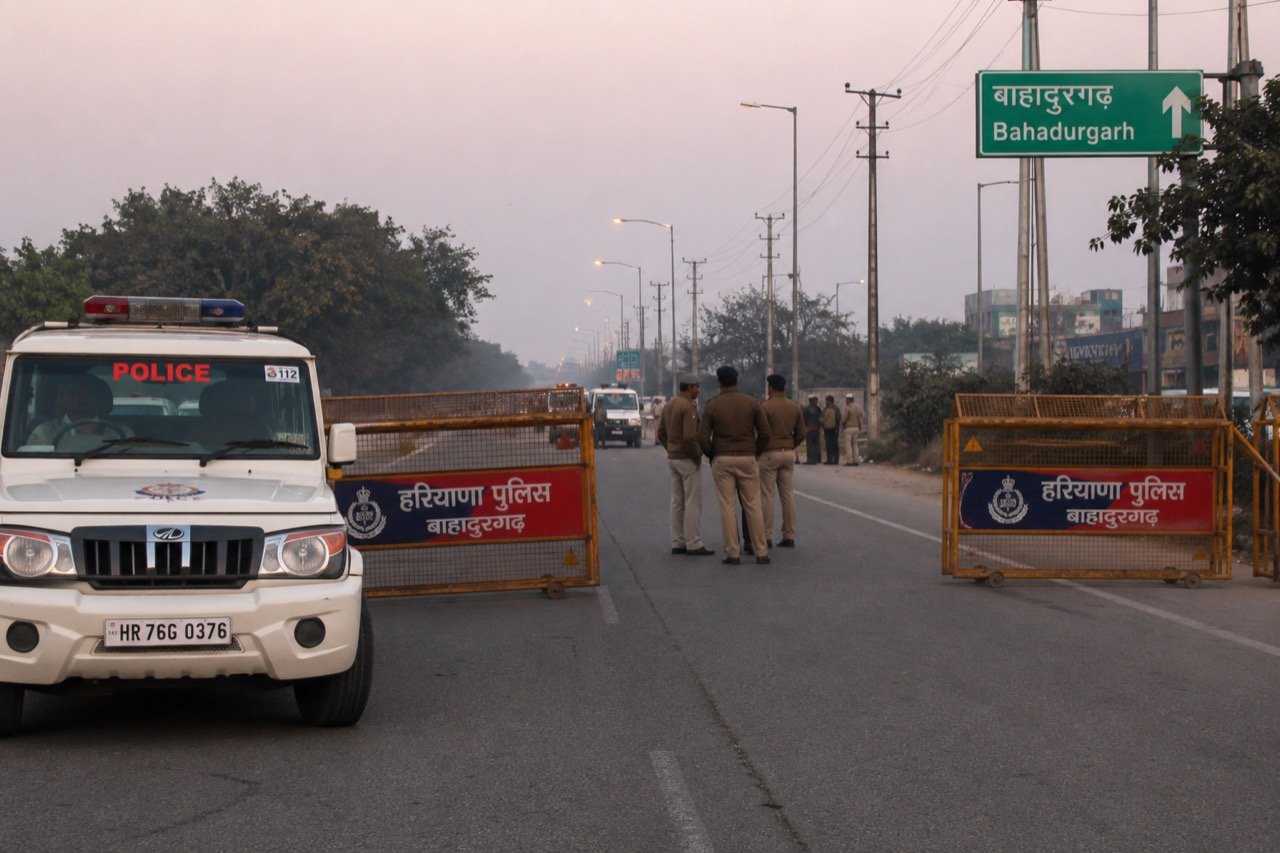
Bishnoi Gang Suspects Injured in Haryana Encounter as Police Tighten Net
A joint Haryana-Delhi Police operation in Bahadurgarh left two suspected Lawrence Bishnoi gang members injured, spotlighting the multi-state coordination now central to India's fight against organised crime networks.