CBSE Issues Revised Class 12 Marksheets After Re-Evaluation: What Students Must Do
CBSE has directed schools to collect original Class 12 marksheets and issue revised documents to students whose scores changed after re-evaluation, a step with real stakes for admissions, scholarships and verification.
Commentary & Analysis ·
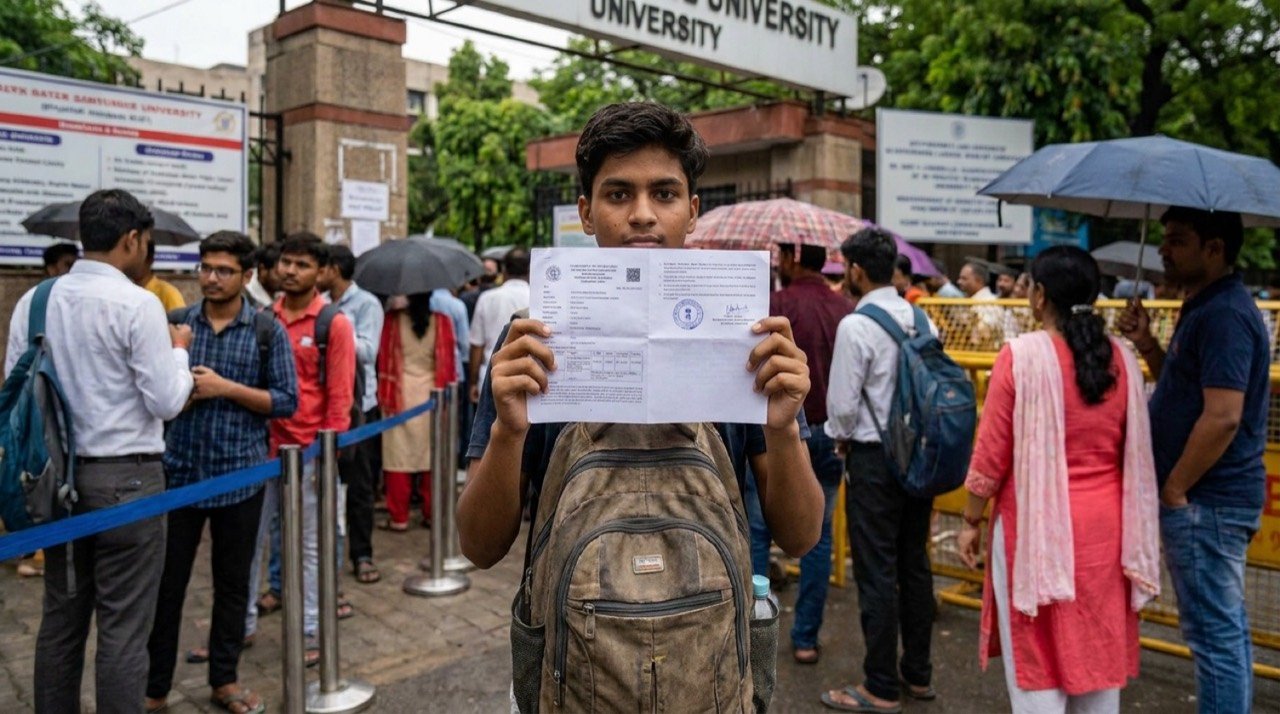
The Central Board of Secondary Education has asked schools to collect the original Class 12 marksheets from students whose results changed after re-evaluation and to issue them revised documents in their place. For lakhs of students navigating the high-pressure admission season, the directive is more than a paperwork formality. Even a small change in marks can ripple through college cut-offs, scholarship eligibility and document verification, and the manner in which this exchange is carried out will determine whether the correction actually helps the students it is meant to benefit.
What the directive requires
Under the instructions, schools must retrieve the earlier physical marksheet from each affected student before handing over the corrected version, ensuring that an outdated document does not remain in circulation. The revised marksheet is meant to reflect the updated result precisely, leaving no ambiguity between what a student's academic record shows and what the board's system holds on file. The process places schools at the centre of the exchange, making them the point of contact for students seeking their corrected records rather than requiring students to approach the board directly. This is a sensible administrative choice in one respect, since schools already hold student records and can verify identity quickly, but it also means the speed of the correction now depends on how efficiently each individual school acts on the board's instructions. Students whose scores were unchanged by re-evaluation are not affected by the swap, so the exercise is targeted narrowly at those whose outcomes genuinely shifted.
Why the school-as-intermediary model matters
Routing the exchange through schools rather than a centralised board counter has practical implications worth considering. It disperses the administrative load across thousands of institutions, which can speed things up if schools act promptly, but it can just as easily introduce delay if any individual school is slow to notify students, slow to procure the revised documents from the board, or inconsistent in communicating deadlines. A student's experience of this process will therefore vary depending on how organised their school is, which introduces an element of unevenness into what should ideally be a uniform, time-bound correction. Schools that treat this as a routine clerical task risk under-prioritising it against other end-of-year responsibilities, even though for the individual student involved, this may be the single most consequential document exchange of the year.
Why accurate documents are critical now
Admission season leaves little margin for error. A revised mark can lift a candidate above a cut-off or alter eligibility for a merit scholarship, so carrying the correct, board-issued document is essential when colleges and verification authorities scrutinise records. Discrepancies between an old marksheet and an updated online result can trigger delays or queries at exactly the moment when deadlines are tightest, making prompt collection of the revised document a priority for students. Consider the practical scenario: a student presents an old marksheet at a college admission desk while the institution's own verification system, cross-checking against CBSE's online database, shows a different, revised score. Such a mismatch can force an admissions officer to hold the application for manual verification, precisely the kind of delay that can cost a student a seat in a fast-moving admission cycle where waitlists move by the hour.
A test for the re-evaluation system
The episode also underscores why re-evaluation and document-issuance systems must move quickly during the admission window. When timelines are compressed, every day of delay in issuing a corrected marksheet can have outsized consequences for a student's options. Re-evaluation exists as a safeguard, an acknowledgement that examination assessment is not infallible and that students deserve a mechanism to challenge results they believe are inaccurate. But a safeguard that operates too slowly undermines its own purpose. If the corrected outcome arrives after a college has already closed admissions for a particular cut-off list, or after a scholarship application window has shut, the re-evaluation succeeds on paper while failing the student in practice. The credibility of the entire re-evaluation process rests not just on its accuracy but on its punctuality.
What students should do
Affected students must surrender their original Class 12 marksheet to the school, and schools will issue revised documents reflecting the re-evaluated result. Students should follow school instructions carefully and act within any stated deadlines, since delay on their part can compound delay elsewhere in the system. It is also prudent to keep photocopies or digital copies of the revised marksheet for safety, given how often original documents are demanded, misplaced or required in multiple places simultaneously during admission season. Just as importantly, students should verify that the new marksheet matches the updated online result exactly, checking every figure rather than assuming the paperwork was processed correctly. A single transcription error at this stage, however unlikely, could reintroduce the very problem the re-evaluation was meant to resolve. For students, the practical takeaway is to act swiftly, retain backups and confirm that every figure on the revised marksheet aligns with their updated score. For the board, the case is a reminder that the speed and reliability of post-result corrections matter as much as the marks themselves when futures hinge on admission deadlines.
The NE Times View
Revised marksheets are welcome, but their value depends entirely on timing. With college admissions, scholarships and verification all hinging on these scores, CBSE must ensure corrected documents reach students before deadlines close, not after. A re-evaluation that vindicates a student too late to claim a seat is justice denied through bureaucratic delay. The board would do well to consider whether a more centralised, trackable issuance mechanism, one less dependent on the variable pace of individual schools, might serve students better in future admission cycles. Until then, the burden of ensuring a smooth transition from old document to new falls disproportionately on students and the schools handling their records, and both must treat the exercise with the urgency it deserves.
Key takeaways
- CBSE has directed schools to collect old Class 12 marksheets from students whose results changed after re-evaluation and issue revised documents in their place.
- Only students whose scores actually changed after re-evaluation are affected; others retain their original marksheets.
- Mismatches between an old marksheet and an updated online result can trigger delays during admissions, scholarship verification and document checks.
- Students should act quickly on school instructions, keep backup copies of the revised marksheet, and verify every figure against their updated online result.
- The episode highlights the need for CBSE's re-evaluation and document-issuance systems to operate faster, since delayed corrections can cost students admission opportunities even when the re-evaluation itself is accurate.
You may also like to read

CBSE's Gulf Class 12 Assessment Formula Explained for Overseas Indian Students
With thousands of CBSE students in the Gulf, the board's assessment formula for Class 12 has drawn fresh attention over how marks are computed for schools outside India.

Supreme Court Notes CBSE Policy for West Asia Class 12 Students, Disposes Plea
The Supreme Court closed a Saudi Arabia-based candidate's petition after the Centre cited a fresh CBSE policy to declare Class 12 results for West Asian students whose board exams were cancelled amid regional conflict.
Exam Season Peaks as CBSE and CUET Results Near, NEET Looms
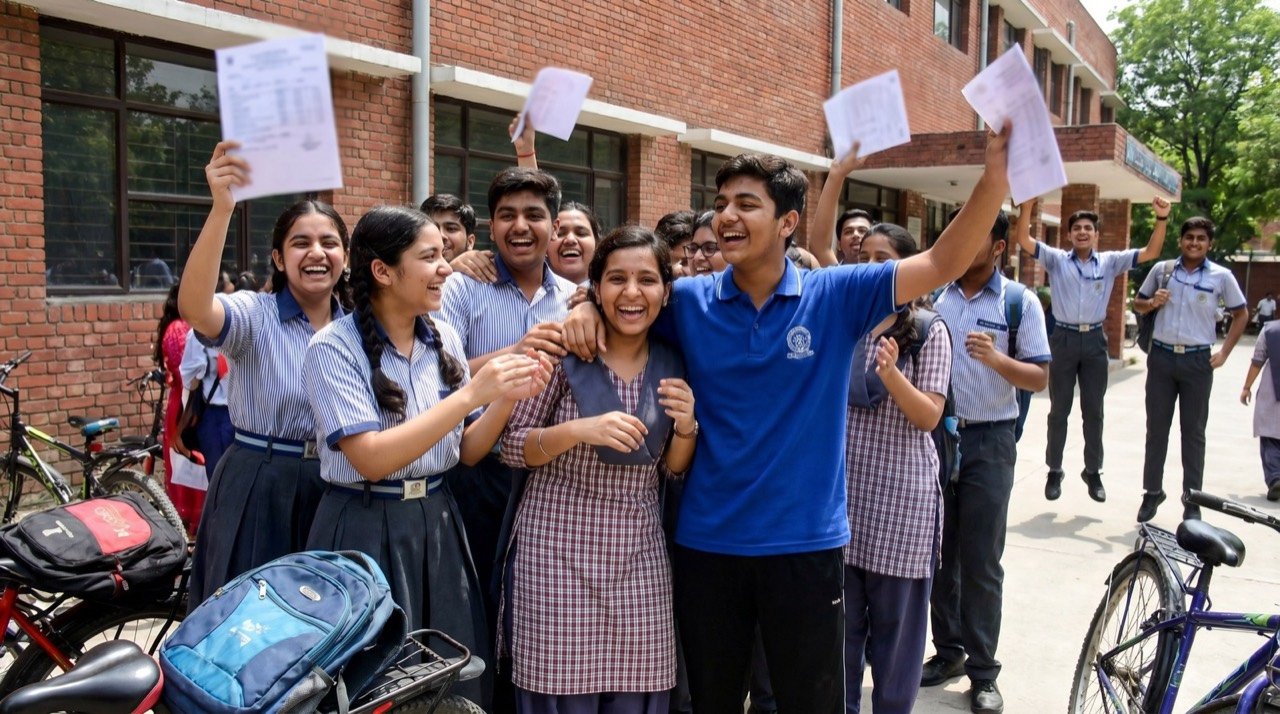
June marks a high point in India's academic calendar, with CBSE preparing to declare Class 10 second-board results, CUET-UG scores due shortly and the NEET undergraduate exam scheduled for later in the month.
India to teach AI and computational thinking from Class 3 in new school curriculum
Under a curriculum drafted for Classes 3 to 12, students will begin with logic puzzles, pattern recognition and basic algorithmic thinking from the foundational stage, with the rollout for Classes 3 to 8 set for the 2026-27 academic year.
More from this section
More
AICTE Industry Fellowship 2026: Rs 1.5 Lakh Scheme Closes July 5
The AICTE Industry Fellowship Programme 2026, which places technical-education faculty inside leading companies on a Rs 1.5 lakh monthly stipend, reached its application deadline on July 5.
Bay of Bengal Low Pressure System Revives Monsoon Over Western India
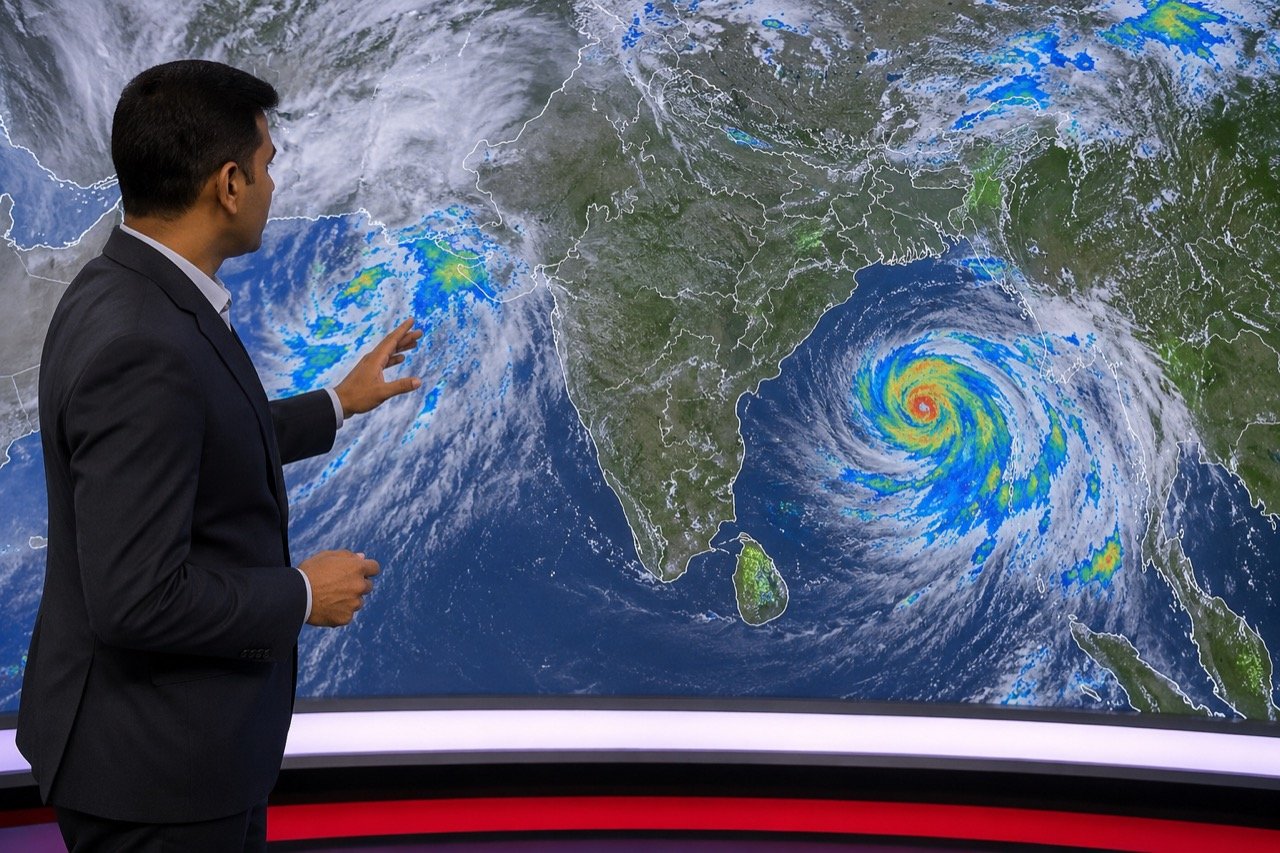
A low-pressure system over the Bay of Bengal has pushed the monsoon back into an active phase, bringing steady heavy rain to Kerala, coastal Karnataka and Maharashtra, and putting Mumbai and Pune on preparedness watch.
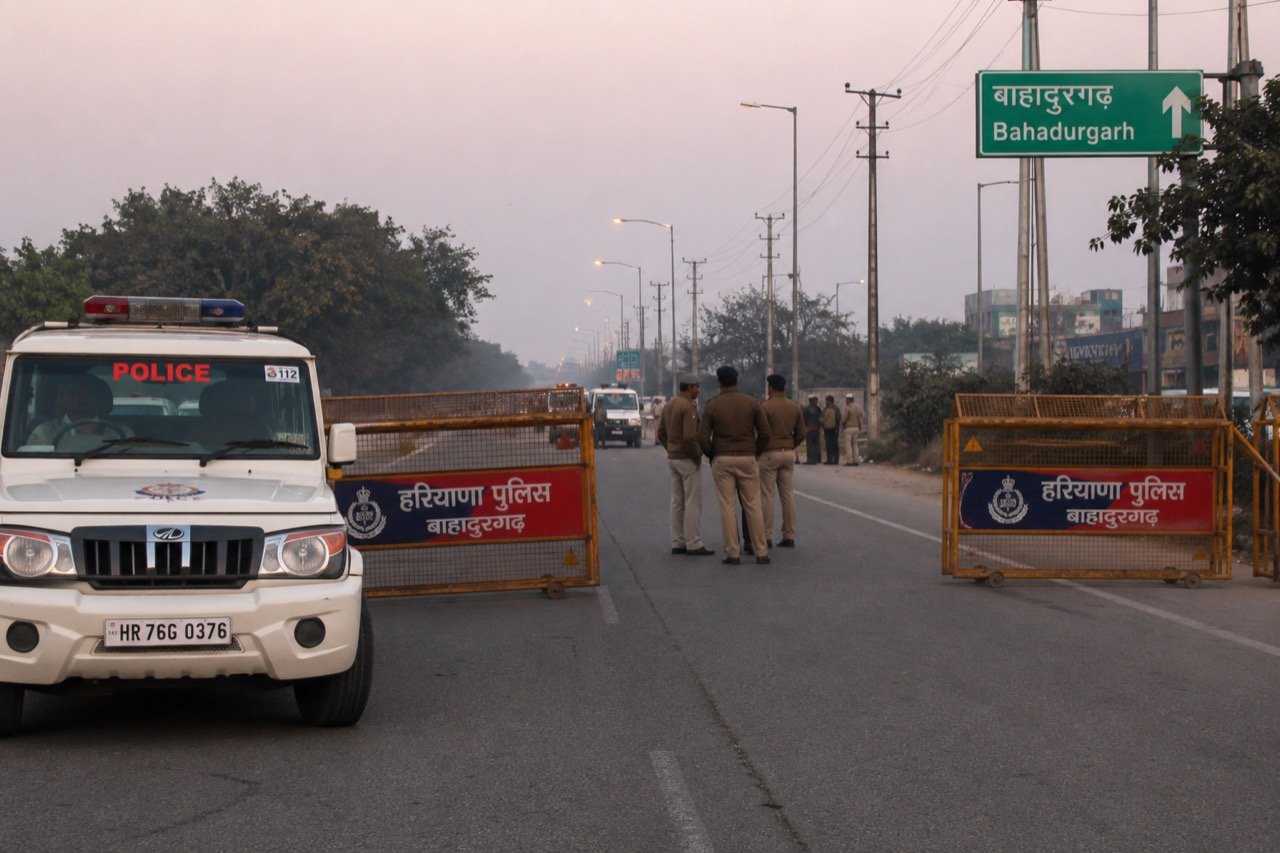
Bishnoi Gang Suspects Injured in Haryana Encounter as Police Tighten Net
A joint Haryana-Delhi Police operation in Bahadurgarh left two suspected Lawrence Bishnoi gang members injured, spotlighting the multi-state coordination now central to India's fight against organised crime networks.