Bombay High Court Says Clean Drinking Water Is a Fundamental Right
The Bombay High Court has held that access to clean, potable drinking water is a fundamental right, questioning why Maharashtra citizens must still approach courts for a basic service decades after Independence.
Commentary & Analysis ·
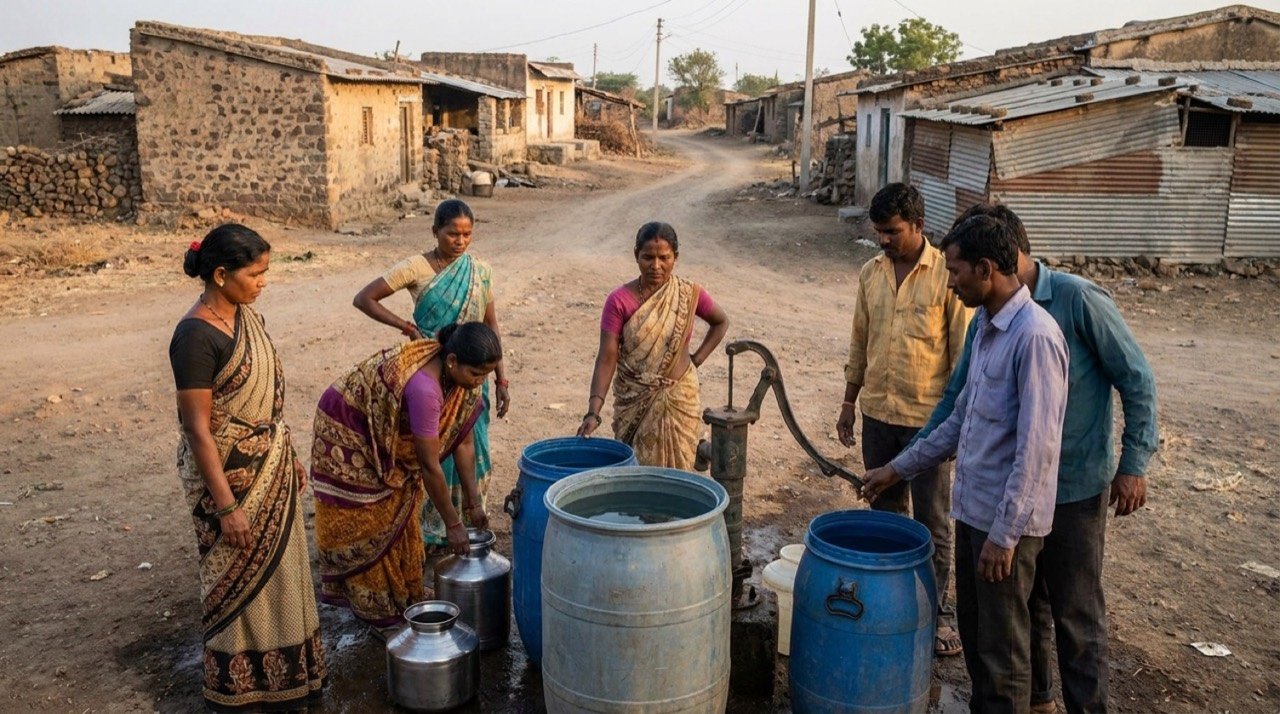
The Bombay High Court has underlined that access to clean and potable drinking water is a fundamental right, sharply questioning the persistent water scarcity that still grips parts of Maharashtra. In observations during proceedings on water access, the court asked why citizens must continue to approach the judiciary for so essential a service decades after Independence.
The court's observation
The remarks came in proceedings concerning water access difficulties, including in vulnerable and tribal regions where supply has long been erratic. By framing safe water as a right rather than a discretionary service, the court gave legal weight to a demand that millions of households make every summer.
The bench reportedly sought an immediately implementable plan from the state to ensure regular supply, signalling that broad assurances would not suffice. The emphasis on a concrete, actionable scheme places the burden squarely on the administration to show how and when it will deliver.
Why this is about governance, not just rainfall
The court's framing makes clear that the problem is not merely a matter of monsoon shortfalls or tanker availability. It is rooted in public administration, local infrastructure and accountability: how distribution networks are maintained, how funds are deployed, and who answers when taps run dry in the most marginalised areas.
Tribal belts such as Melghat have for years reported acute distress, with residents walking long distances for water that may not even be safe to drink. The judiciary's intervention reframes those hardships as a failure to honour a constitutional entitlement rather than an unavoidable seasonal hardship.
What it means for households
For families facing irregular supply, the ruling converts a basic need into an enforceable expectation. Treating safe water as a planned right rather than a favour strengthens the hand of citizens and civic groups who have struggled to hold local bodies to account, and it sets a benchmark the state can be measured against.
- The court held that clean, potable drinking water is a fundamental right.
- It questioned why citizens still must approach courts for water decades after Independence.
- The case touched on scarcity in vulnerable and tribal regions.
- The state was reportedly asked for an immediately implementable supply plan.
- The issue was framed as one of administration, infrastructure and accountability.
“Even after 75 years of Independence, why must people approach courts for drinking water?”
— Bombay High Court observation
The next test will be whether the state's response moves beyond paperwork to measurable improvement in supply, particularly in the tribal and water-stressed pockets at the heart of the case. By anchoring the demand in fundamental rights, the court has set a standard that future administrations will find difficult to ignore.
The NE Times View
Affirming clean water as a fundamental right is morally unimpeachable, yet the court's sharper point lands harder: why must citizens litigate for a basic service decades after Independence? Rights declarations are only as good as delivery and budgets behind them. The ruling gives residents a legal lever, but the state's failure is administrative, not constitutional. The measure of progress will be taps that run clean, not judgments that say they should.
This article is original commentary and analysis by The NE Times. Background facts were referenced from LiveLaw and The Free Press Journal.
You may also like to read
Kerala High Court Limits Family Court Powers Over Marital Status After a Spouse's Death
The Kerala High Court has ruled that family courts cannot decide marital-status disputes once a spouse has died, redrawing the line between family and civil jurisdiction in inheritance, pension and property cases.
Delhi High Court Clears Way for Proposed CAG Audit of BSES Discoms
The Delhi High Court has dismissed BSES petitions against a proposed CAG audit, calling the June 6 notice a show-cause communication and keeping scrutiny of power distribution finances alive.
Delhi High Court Refuses to Waive 30-Day Special Marriage Act Notice Period
The Delhi High Court has declined to waive the mandatory 30-day notice under the Special Marriage Act, ruling that courts cannot direct authorities to bypass an express statutory requirement.
Supreme Court Points West Bengal Ration-Linked SIR Plea Toward Calcutta High Court
The Supreme Court declined urgent listing of a plea alleging ration denial to people dropped from West Bengal voter lists after the SIR exercise, indicating the petitioner should approach the High Court.
More from this section
More
AICTE Industry Fellowship 2026: Rs 1.5 Lakh Scheme Closes July 5
The AICTE Industry Fellowship Programme 2026, which places technical-education faculty inside leading companies on a Rs 1.5 lakh monthly stipend, reached its application deadline on July 5.
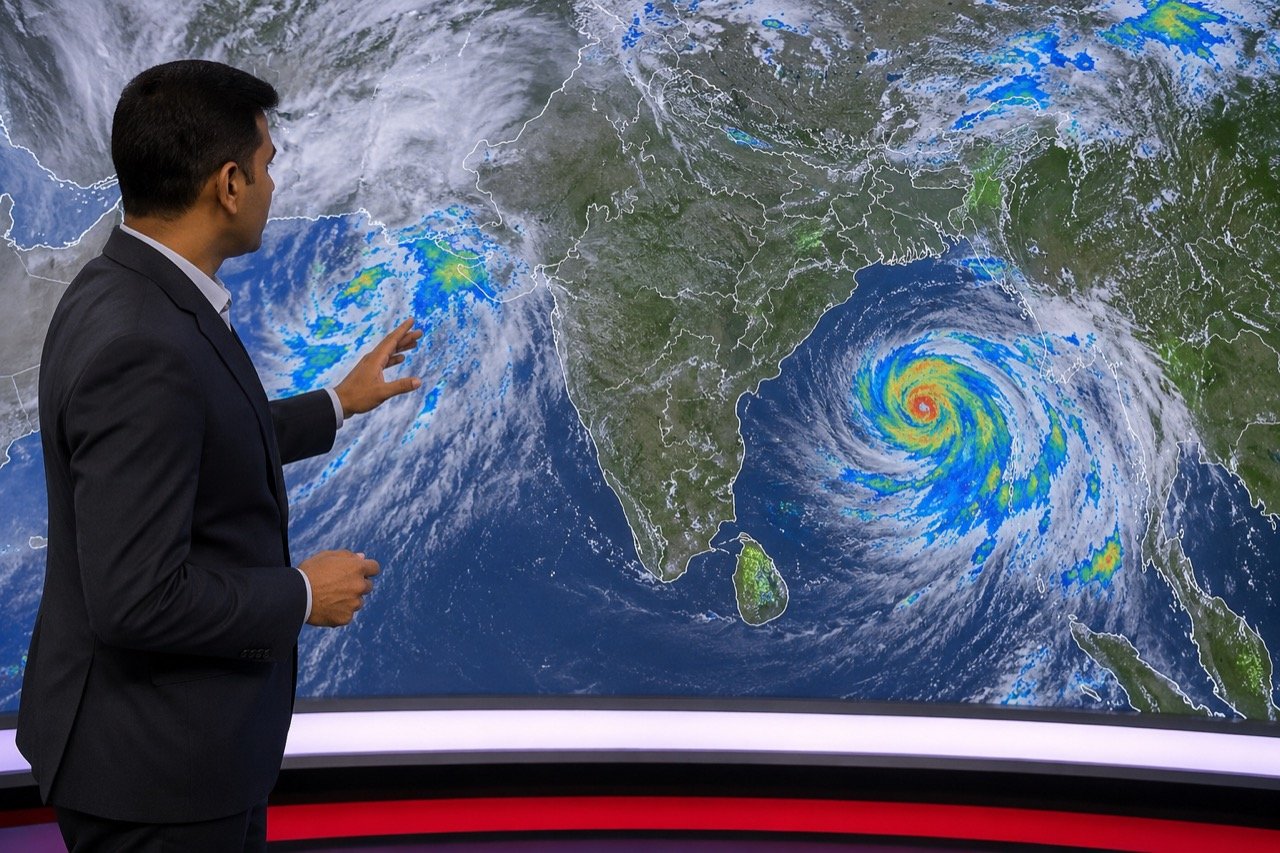
Bay of Bengal Low Pressure System Revives Monsoon Over Western India
A low-pressure system over the Bay of Bengal has pushed the monsoon back into an active phase, bringing steady heavy rain to Kerala, coastal Karnataka and Maharashtra, and putting Mumbai and Pune on preparedness watch.
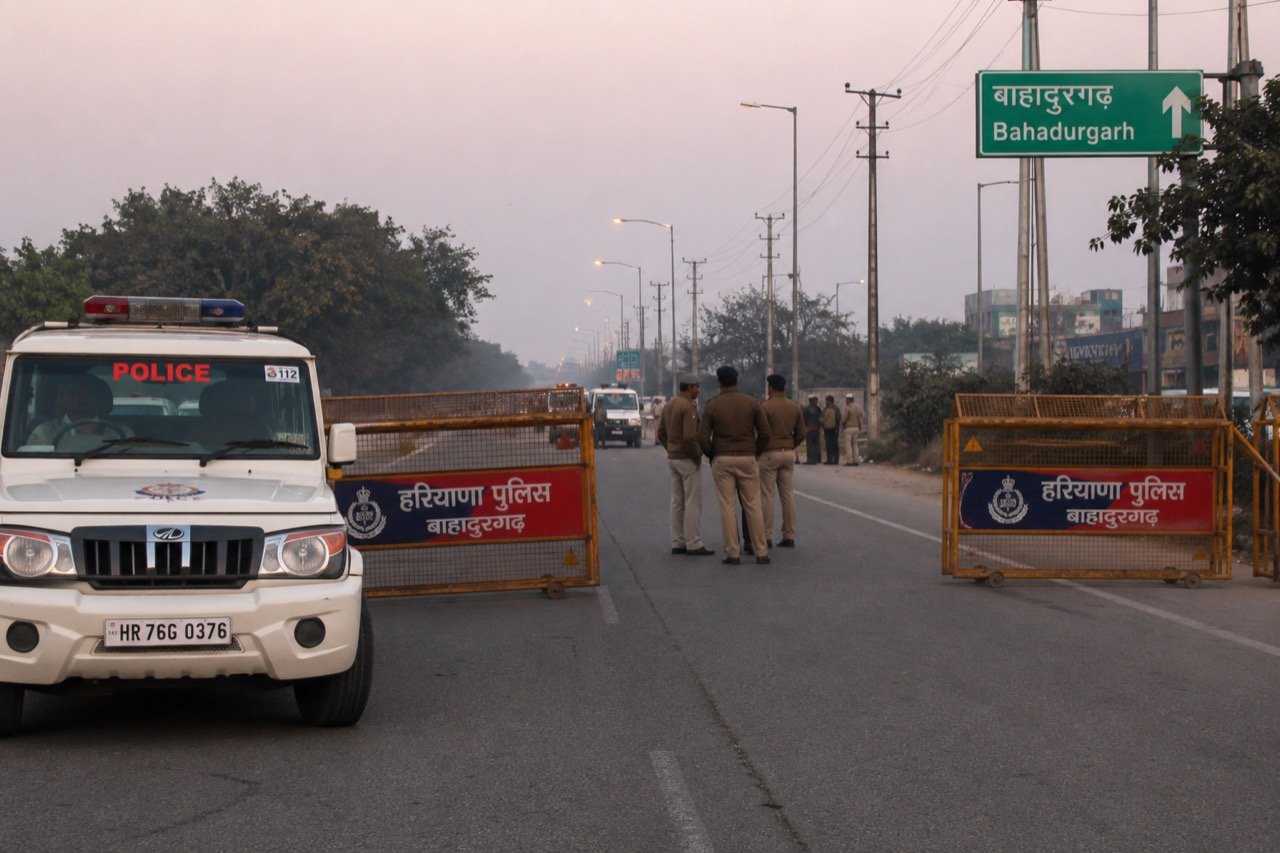
Bishnoi Gang Suspects Injured in Haryana Encounter as Police Tighten Net
A joint Haryana-Delhi Police operation in Bahadurgarh left two suspected Lawrence Bishnoi gang members injured, spotlighting the multi-state coordination now central to India's fight against organised crime networks.