Kerala High Court Limits Family Court Powers Over Marital Status After a Spouse's Death
The Kerala High Court has ruled that family courts cannot decide marital-status disputes once a spouse has died, redrawing the line between family and civil jurisdiction in inheritance, pension and property cases.
Commentary & Analysis ·
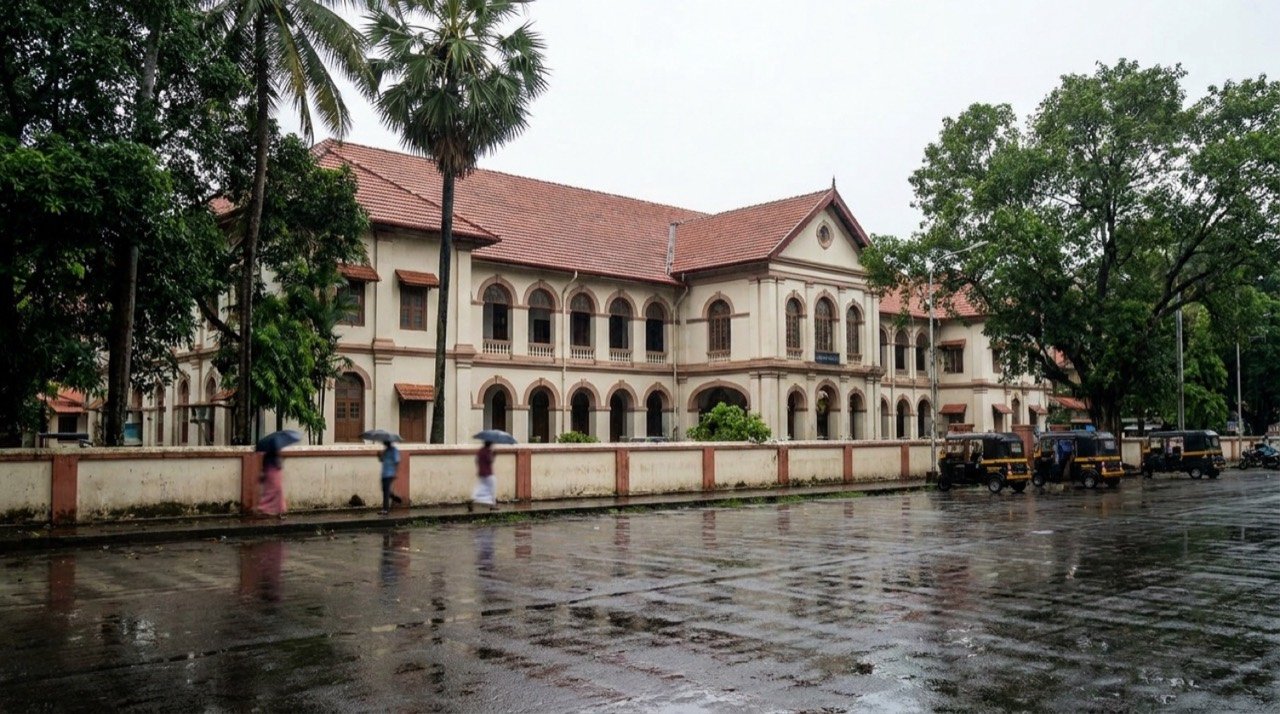
The Kerala High Court has drawn a clear boundary around the reach of family courts, holding that they cannot adjudicate disputes over a couple's marital status once one of the spouses has died. The ruling, reported this week, carries weight far beyond a single case, because the legal question of whether a valid marriage existed often surfaces only after death, when claims to inheritance, pension and property are first contested by surviving relatives.
What the court decided
At the heart of the judgment is the statutory design of the Family Courts Act, 1984, which created specialist forums to resolve disputes between living spouses and members of a family. The court reasoned that a proceeding to declare the validity or otherwise of a marriage presupposes two parties to that marriage who can contest it. Once a spouse is dead, that adversarial structure collapses, and the matter falls outside the family court's defined jurisdiction.
The bench underlined that this is not a denial of remedy but a question of the correct forum. A person seeking a declaration touching a deceased person's marital status, the court indicated, must approach a civil court, where succession, title and the rights of legal heirs can be examined under the appropriate civil and personal-succession laws.
Why it matters for families
For ordinary households, the practical stakes are high. Disputes over whether a marriage was valid frequently determine who inherits a home, who draws a government or company pension, and who is recognised as a legal heir. Routing these post-death claims through the right forum affects how long they take, what evidence is required, and which appellate path is available if the decision is challenged.
The ruling also reinforces a long-standing principle that jurisdiction cannot be assumed by convenience. A family court order passed without jurisdiction is vulnerable to being set aside, which can leave grieving families with years of fresh litigation if the wrong door was knocked on first.
The wider legal landscape
India's courts have repeatedly grappled with the overlap between specialised family forums and general civil jurisdiction. The Kerala decision adds to a body of case law that treats family courts as creatures of statute with limited, defined powers, rather than as all-purpose venues for any dispute touching a marriage.
- Family courts handle matrimonial disputes between living spouses, including divorce, maintenance and custody.
- Claims arising after a spouse's death may need to be filed before a civil court instead.
- Inheritance, pension and property rights often hinge on a finding about marital status.
- An order passed without jurisdiction risks being overturned on appeal.
- Clear documentation of marriage, separation and succession remains the strongest protection for families.
“Family courts cannot decide marital-status disputes after a spouse's death; such claims belong before the civil courts.”
— Kerala High Court
Looking ahead, lawyers expect the ruling to guide how registries and lower courts route post-death matrimonial claims, and to prompt families to keep marriage certificates, separation records and succession papers in order. The clearer the documentary trail, the less likely a dispute over status will derail an estate. By fixing the forum question early, the judgment may ultimately shorten, rather than prolong, the path to a final answer.
The NE Times View
The ruling brings useful doctrinal tidiness, marital-status disputes after death belong in civil, not family, courts. For litigants in pension, inheritance and property fights, the clarity is real and welcome. Yet redrawing jurisdictional lines can also mean longer, costlier routes to relief for ordinary families. The judgment is principled; the test is whether civil courts can deliver such cases with the speed family courts were meant to offer.
This article is original commentary and analysis by The NE Times. Background facts were referenced from LiveLaw and the Kerala High Court.
You may also like to read
Ayodhya Ram Mandir Donation Case Reaches Supreme Court as Judges Seek SIT Status Report and Trust Response
The court’s intervention intensifies scrutiny of an alleged donation embezzlement case that has already led to arrests, leadership exits and demands for stronger safeguards.
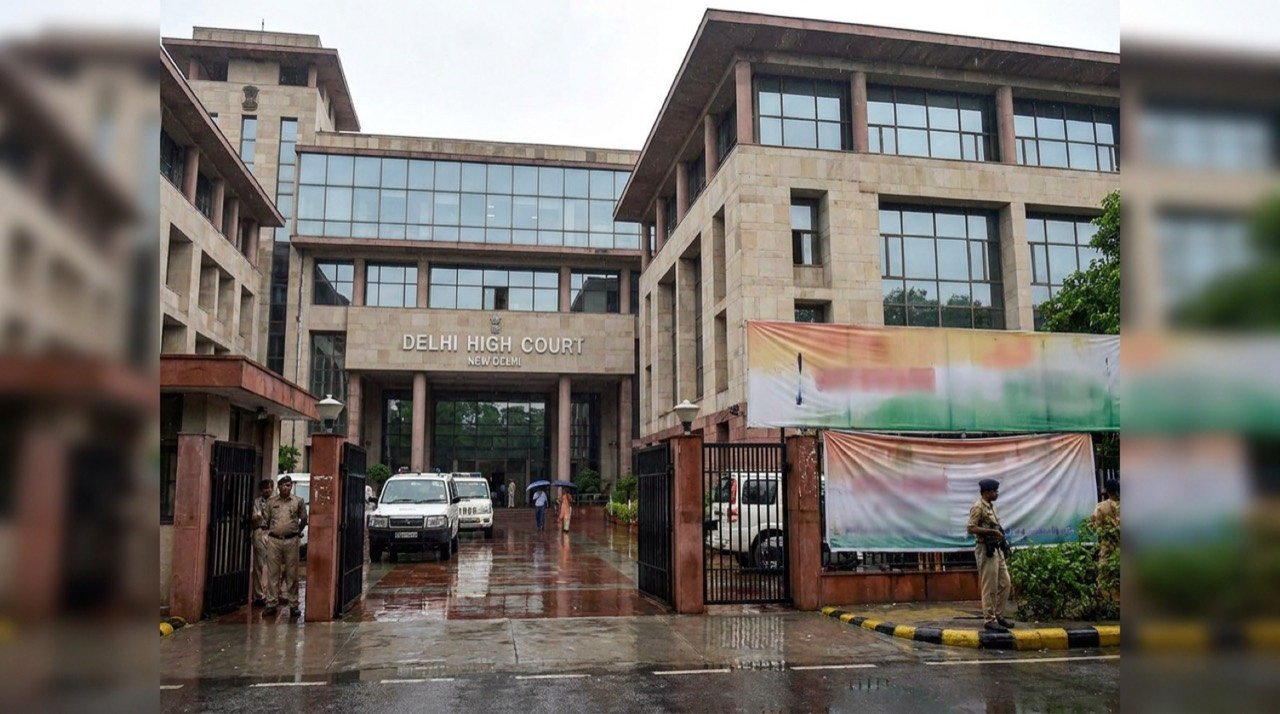
Delhi High Court Clears Way for Proposed CAG Audit of BSES Discoms
The Delhi High Court has dismissed BSES petitions against a proposed CAG audit, calling the June 6 notice a show-cause communication and keeping scrutiny of power distribution finances alive.
Delhi High Court Refuses to Waive 30-Day Special Marriage Act Notice Period
The Delhi High Court has declined to waive the mandatory 30-day notice under the Special Marriage Act, ruling that courts cannot direct authorities to bypass an express statutory requirement.
Supreme Court Issues Notice on Bail Plea in Zubeen Garg Death Case
The Supreme Court has issued notice on a bail plea tied to the probe into singer Zubeen Garg's death, reviving an emotionally charged case that has gripped Assam for months.
More from this section
More
AICTE Industry Fellowship 2026: Rs 1.5 Lakh Scheme Closes July 5
The AICTE Industry Fellowship Programme 2026, which places technical-education faculty inside leading companies on a Rs 1.5 lakh monthly stipend, reached its application deadline on July 5.
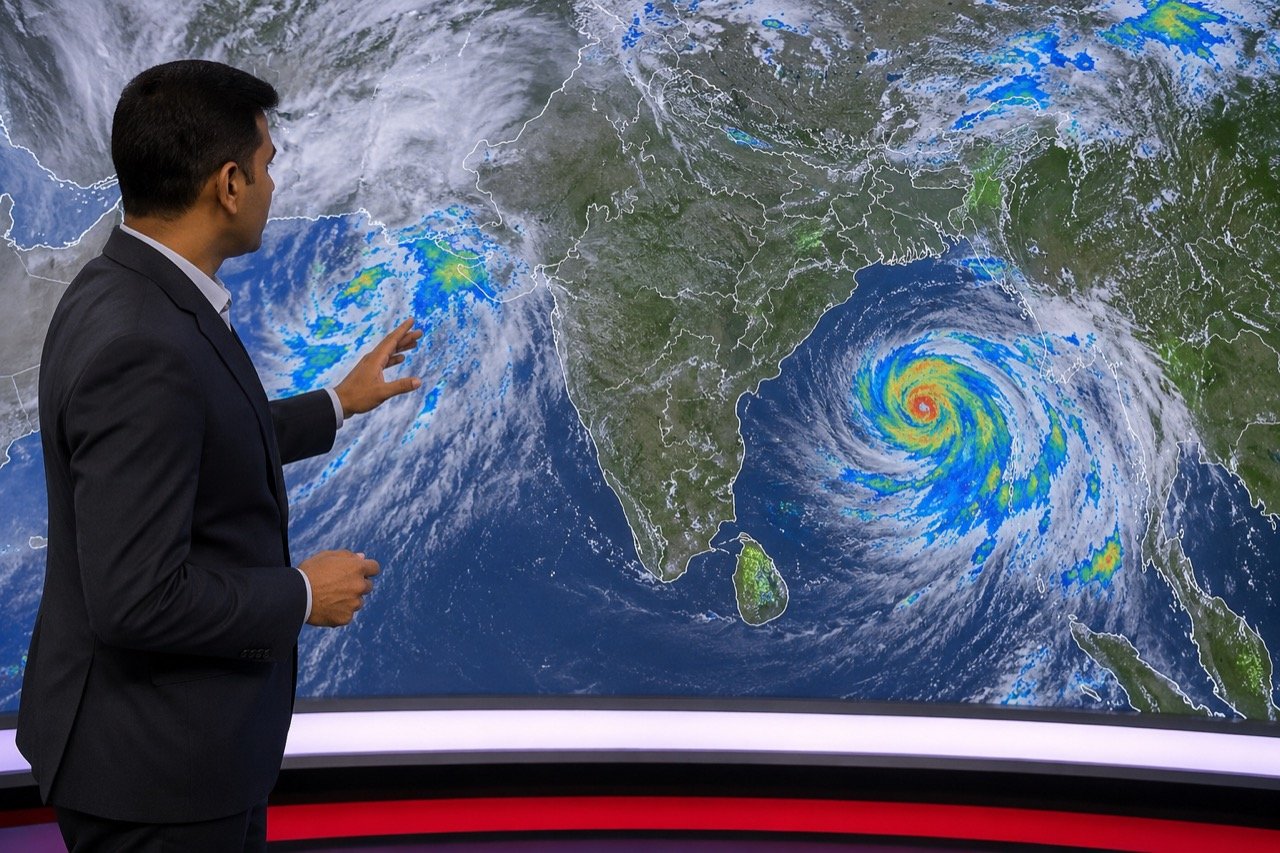
Bay of Bengal Low Pressure System Revives Monsoon Over Western India
A low-pressure system over the Bay of Bengal has pushed the monsoon back into an active phase, bringing steady heavy rain to Kerala, coastal Karnataka and Maharashtra, and putting Mumbai and Pune on preparedness watch.
Bishnoi Gang Suspects Injured in Haryana Encounter as Police Tighten Net
A joint Haryana-Delhi Police operation in Bahadurgarh left two suspected Lawrence Bishnoi gang members injured, spotlighting the multi-state coordination now central to India's fight against organised crime networks.