Bollywood's Box Office Bounce: First Half of 2026 Points to Recovery
A first-half review of Hindi cinema's 2026 box office shows record-breaking hits lifting industry confidence, though analysts caution that lasting recovery will depend on consistency beyond a handful of blockbusters.
Commentary & Analysis ·
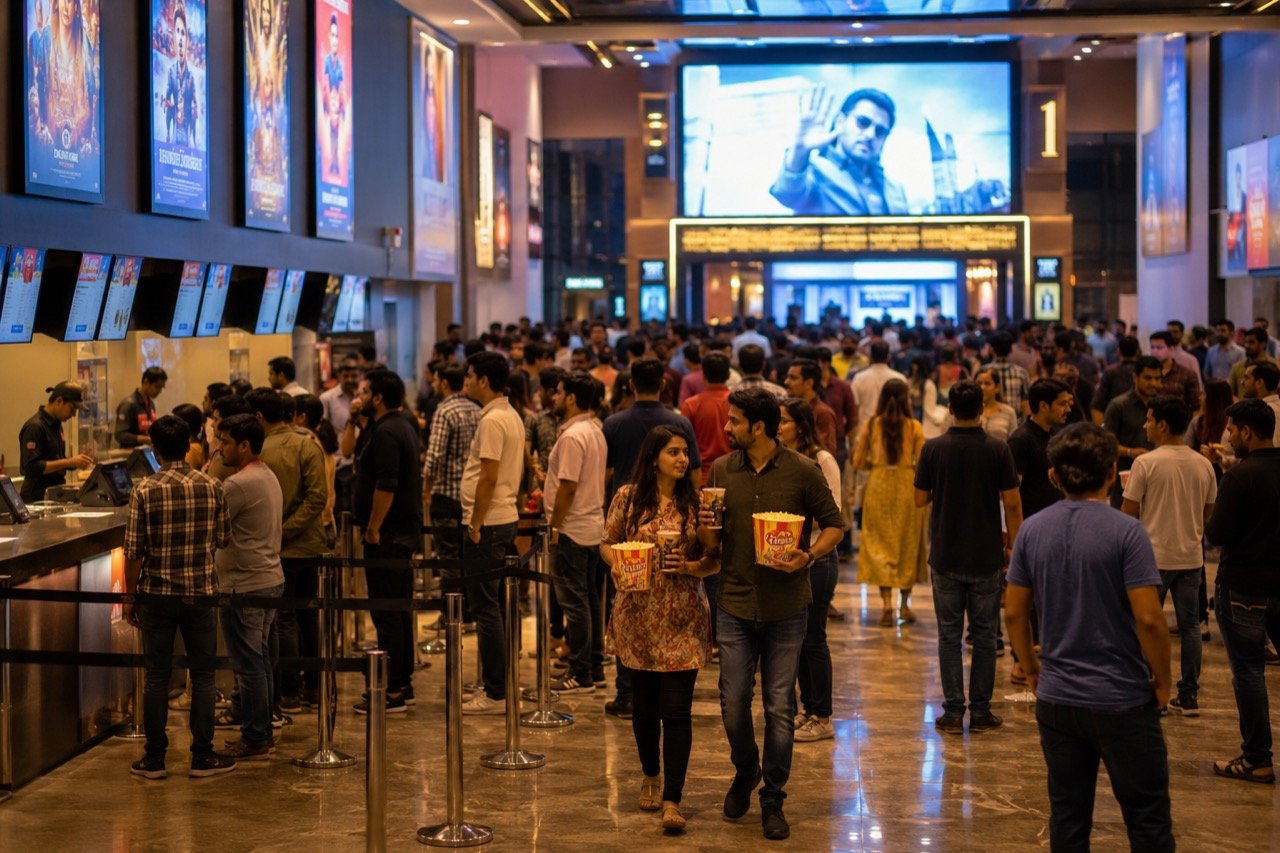
Halfway through 2026, Bollywood has a story it has not been able to tell convincingly for several years: audiences are coming back. A first-half assessment of the Hindi box office describes a shift from uncertainty to recovery, with a clutch of major releases rebuilding confidence after a long stretch of uneven theatrical performance. The six months have been characterised as a boom-and-bust ride that nonetheless produced record-breaking hits and a noticeably stronger industry mood. That framing carries weight because Hindi cinema has spent the post-pandemic years recalibrating in the face of streaming disruption, shifting audience habits and steadily rising production costs.
For an industry accustomed to reading its own health off a handful of festival-weekend numbers, the willingness to talk in terms of a full six-month arc is itself notable. It suggests that trade watchers and studios alike are trying to move past the habit of declaring recovery after every big opening, only to be proven wrong a few weeks later when the next slate underperforms. A first-half framing, even an informal one, at least gestures toward the kind of sustained pattern that actually tells you something about where the business is headed.
A recovery built on momentum, not uniformity
The rebound has not lifted every boat. Some films rode franchise recall to big openings, others leaned on event-scale spectacle or chartbuster music. Smaller and mid-budget titles continue to struggle with discovery, fighting for screens and attention in a market that rewards scale. The clearer signal is that theatres remain viable when a film gives audiences an unmistakable reason to leave home.
This unevenness is worth dwelling on, because it complicates any simple reading of "Bollywood is back." What seems to be happening is not a broad-based revival of moviegoing as a habit, but a narrower revival of moviegoing as an event. Audiences appear willing to turn out in large numbers for films that promise something they cannot replicate on a television screen at home — scale, spectacle, a beloved franchise, or music that has already saturated the cultural conversation before release. Films without that unmistakable hook, however well made, are left competing for scraps of screen time and attention in a marketplace that has learned to reward only the loudest signal.
That dynamic has consequences for the shape of the industry itself. If exhibitors and distributors come to expect that only event-scale films can reliably fill seats, the incentive structure tilts further toward tentpoles and away from the mid-budget dramas, comedies and genre films that used to be the backbone of a healthy release calendar. A market that only rewards scale is, in the long run, a narrower and more fragile market, even if its headline numbers look robust in any given half-year.
Why a strong six months matters beyond the numbers
A strong six-month run matters beyond bragging rights. It shapes release calendars, marketing budgets, star remuneration talks and, crucially, investor appetite for greenlighting the next slate of films. Momentum, in other words, is itself an asset.
This is where the first-half story becomes more than a piece of trade trivia. Studios and production houses make decisions about what to greenlight, how much to spend, and which stars to cast on the basis of recent performance data as much as long-term strategy. A run of record-breaking hits gives financiers more confidence to back bigger budgets and higher star fees, on the assumption that the audience appetite that produced this half's results will persist. Marketing spends, too, tend to follow the mood of the moment — distributors are more willing to bet heavily on prints and publicity when the last few months have shown that big openings are achievable.
The risk embedded in this logic is obvious enough. Momentum can be self-reinforcing in both directions. Just as a good run encourages more ambitious spending, a run interpreted too optimistically can encourage complacency about the underlying quality of what is being made. Confidence is useful when it is backed by discipline; it becomes a liability when it is mistaken for a guarantee.
The real test is consistency
Box office health cannot be judged on a single big Friday; trends across months matter far more. A few blockbusters can lift sentiment quickly, but a durable recovery needs steady mid-range successes, regional crossover hits and fewer expensive misfires. If star power can be paired with sharper writing and disciplined budgets, the 2026 rebound could become more than a temporary run of hits.
The distinction between a sentiment lift and a structural recovery is the one that matters most for anyone trying to assess where Hindi cinema genuinely stands. Sentiment can turn on a single weekend of extraordinary numbers; a structural recovery requires that the months in between big releases also produce enough steady, unspectacular successes to keep theatres, distributors and mid-tier production houses financially healthy. It is precisely in those quieter months, between tentpoles, that an industry's underlying strength is tested. A first half that leans heavily on a small number of outsized hits, while the gaps between them remain thin, is a different and more fragile thing than a first half in which success is spread more evenly across budget tiers and genres.
Regional crossover hits are worth flagging in particular, since they represent a route to growth that does not depend solely on Hindi-language tentpoles pulling ever larger opening weekends. An industry that can convert regional successes into pan-India audiences, or vice versa, has more paths to a good year than one that relies on a handful of Hindi blockbusters alone.
What stakeholders will be watching next
For producers and studios, the second half of 2026 will likely be read as a referendum on whether the first-half boom reflected a genuine shift in audience behaviour or simply a fortunate clustering of strong releases. Exhibitors, for their part, have an interest in seeing a wider spread of successful films, since a theatrical calendar dominated by a few blockbuster weekends surrounded by long fallow stretches is a harder business to run profitably than one with a steadier flow of moderate hits.
Actors and their representatives will be watching remuneration conversations closely, since a strong first half tends to strengthen the hand of established stars in fee negotiations — precisely the kind of cost pressure that, if left unchecked, can erode the very budget discipline the recovery may depend on. Financiers and studio executives, meanwhile, will be weighing how much of the current confidence to convert into commitments for 2027 productions, aware that greenlighting decisions made in a moment of optimism can look very different once a project is midway through a multi-year production cycle.
The NE Times View
The first-half numbers are genuinely encouraging, but Bollywood has mistaken sugar rushes for recovery before. The industry's structural problems — bloated budgets, weak scripts and an over-reliance on opening weekends — do not vanish because a few tentpoles delivered. For Indian audiences, the healthiest outcome would be a market where mid-budget films with strong writing can also find theatrical space, not just spectacle.
If producers read this boom as licence to spend bigger rather than write better, the second half could undo the first. The smarter play is consolidation: controlled costs, wider regional collaboration and faith in stories over stars. An industry that treats a good six months as proof that its old habits were fine all along is an industry setting itself up for the next bust. An industry that treats a good six months as breathing room to fix what was broken — inflated budgets, over-reliance on a handful of names, and scripts that lean on spectacle because they have little else to offer — is one that might actually turn a temporary boom into something more lasting.
Key takeaways
- The first half of 2026 has produced record-breaking hits and a stronger industry mood after years of uneven post-pandemic performance, but the recovery is concentrated in event-scale releases rather than spread evenly across the market.
- Smaller and mid-budget films continue to struggle for screens and audience attention, even as franchise titles and spectacle-driven releases post strong openings.
- A strong six-month run shapes release calendars, marketing budgets, star fees and investor confidence for future productions, making momentum itself a valuable asset.
- Genuine, durable recovery depends on consistency across months — steady mid-range successes and regional crossover hits — rather than a handful of blockbuster weekends.
- The NE Times View: the smarter path for the industry is consolidation — controlled costs, wider regional collaboration and stronger writing — rather than treating the boom as licence to spend even more heavily on scale.
You may also like to read
Main Vaapas Aaunga Box Office: Diljit Film Crosses Rs 40 Crore
Diljit Dosanjh's Main Vaapas Aaunga has reportedly crossed Rs 40 crore worldwide after a weekend jump, keeping the Hindi release alive in trade conversation well beyond its opening frame.

Bollywood's 2026 Box Office Is a Tale of Two Industries
Three Hindi films have crossed Rs 200 crore by mid-year, led by record-shattering hits, even as the wider hit rate stalls around 37%.
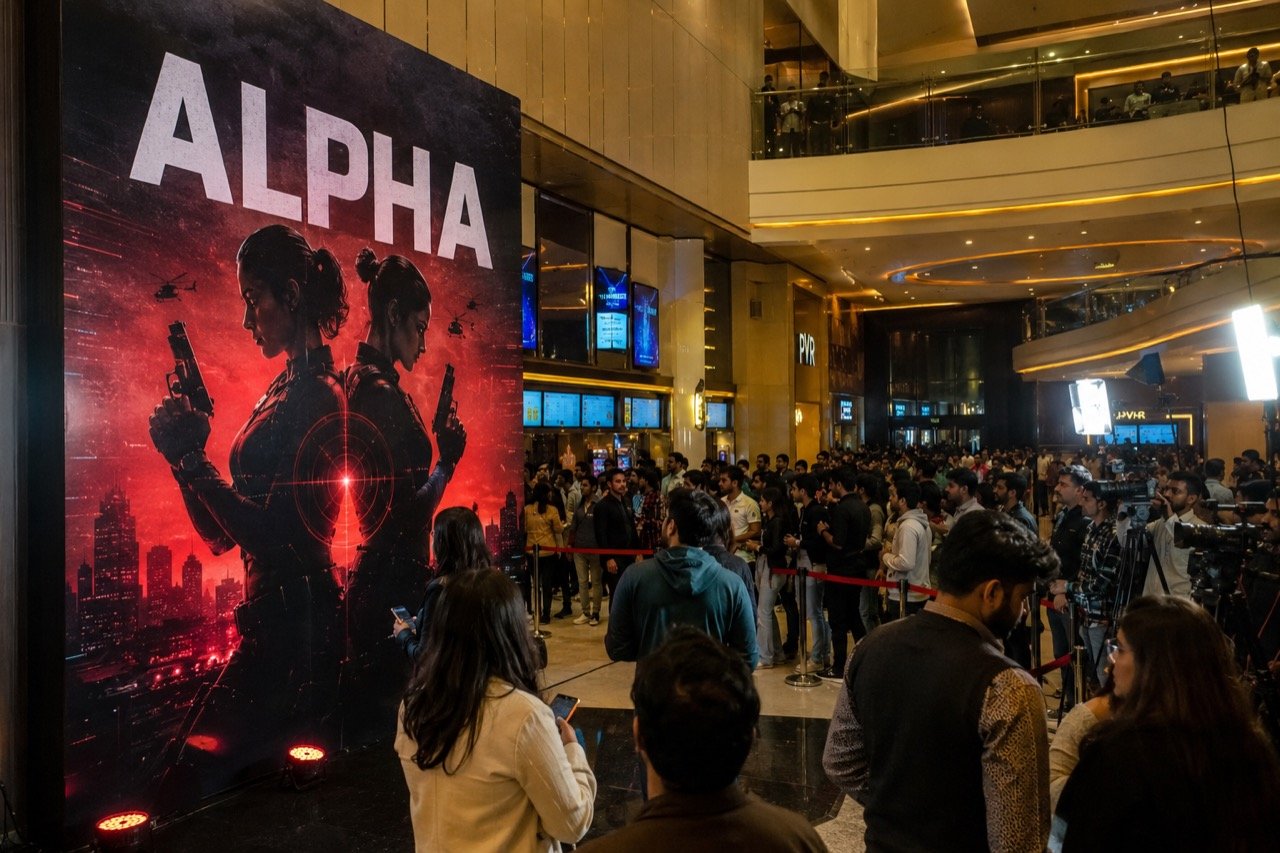
Alpha Box Office: Alia Bhatt's YRF Spy Film Opens Amid Loud Debate
Alia Bhatt and Sharvari's Alpha, the first female-fronted entry in the YRF Spy Universe, opened to better-than-expected numbers even as online trolling and industry pushback made it the weekend's noisiest Hindi cinema story.
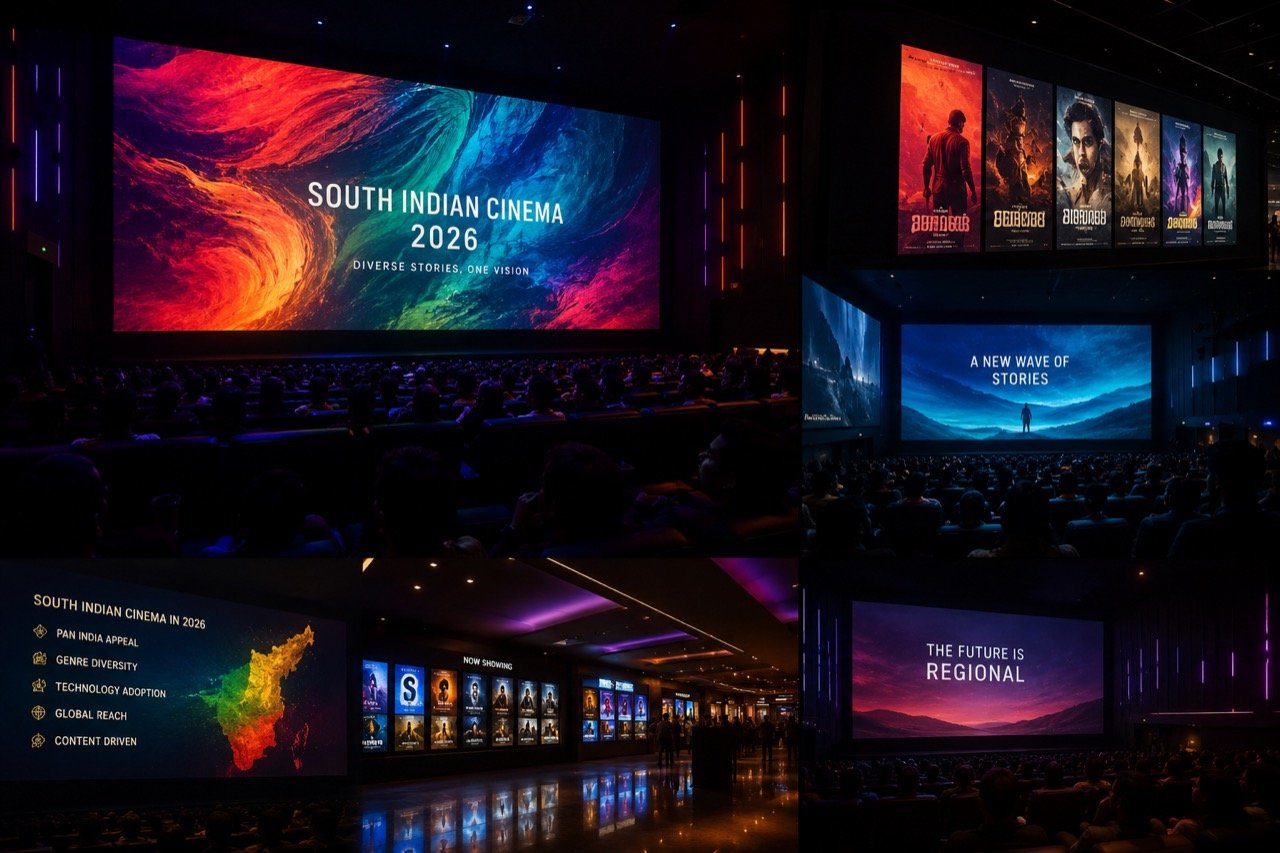
South Indian Cinema's Half-Year Reckoning: Why Big Films Stumbled
A mid-year assessment of South Indian cinema has triggered an industry-wide debate over why several big-budget, star-driven films struggled despite scale, spectacle and heavy event-film packaging.
More from this section
More
72nd National Film Awards: Fans Back Mammootty, Allu Arjun, Sai Pallavi
Speculation around the 72nd National Film Awards is intensifying as fan communities across India's language film industries champion favourites including Mammootty, Allu Arjun and Sai Pallavi ahead of any official announcement.

Aamir Khan Marries Gauri Spratt in Private Pali Hill Ceremony
Aamir Khan and Gauri Spratt tied the knot at the actor's Pali Hill home in Mumbai on July 5, turning a deliberately small family ceremony into Bollywood's biggest story of the day.

Akanksha Chamola's Lock Upp 2 Confession Sets Reality TV Abuzz
A personal revelation by Akanksha Chamola ahead of Lock Upp 2 has handed the reality show a viral talking point, underlining how confession-driven formats continue to dominate Indian television conversation.