Ballari Farmers Pool Money to Repair Rural Road After Official Inaction
Around 150 farmers in Karnataka's Ballari district pooled roughly Rs 2,000 an acre to rebuild a 3.5-km rural road themselves, exposing the cost of rural infrastructure gaps borne by farm communities.
Commentary & Analysis ·
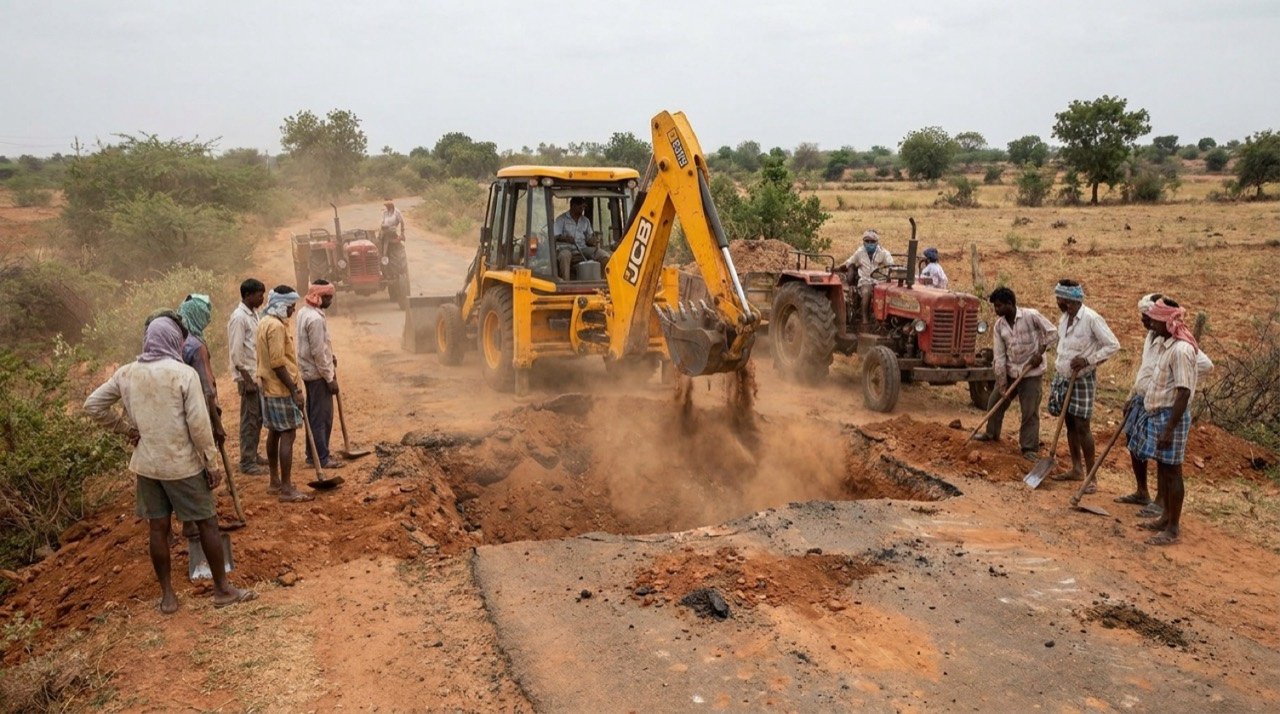
When repeated petitions to officials produced nothing, around 150 farmers in Karnataka's Ballari district decided to fix the problem with their own hands and their own money. Together they pooled funds to repair a 3.5-kilometre stretch of rural road that had become an obstacle course of potholes and washed-out gravel, a lifeline to their fields that the system had, in their telling, simply forgotten.
A road built by the people who use it
The farmers contributed roughly Rs 2,000 per acre, then put that money to work with tractors, gravel and JCB machines to make the damaged stretch passable and safer. It was a striking display of self-organisation: a community deciding that the cost of waiting was higher than the cost of acting.
This was not even their first attempt. The group had repaired the same road before, only to watch it crumble again within seasons. That cycle of patch-and-collapse is precisely what they now want broken for good.
Why the road keeps failing
The farmers say heavy rains and overflowing canal water repeatedly wash the road away, gouging deep potholes that cause accidents and injuries. Without a properly engineered surface and drainage, each monsoon undoes the previous round of repairs. A loose-gravel track simply cannot survive the combination of seasonal downpours and canal seepage that this terrain throws at it.
Their demand now is unambiguous: a permanent cement-concrete road that will not collapse every few seasons. For communities whose income depends on getting produce, inputs and machinery to and from the fields, a reliable road is not a convenience but a precondition for livelihood.
The bigger picture for rural India
- About 150 farmers jointly funded and executed the repair work.
- Each contributed roughly Rs 2,000 per acre toward the effort.
- Tractors, gravel and JCB machines were used to rebuild the 3.5-km stretch.
- Rain and canal water repeatedly damage the road, causing accidents.
- The community is demanding a durable cement-concrete road from authorities.
“We have repaired this road ourselves before, only to see it wash away again. What we need is a permanent road that lasts.”
— A Ballari farmer, paraphrased
The episode is a quiet indictment of last-mile rural infrastructure, where the gap between sanctioned schemes and roads that actually survive a monsoon is felt most directly by those least able to absorb the cost. Whether the farmers' self-funded effort finally prompts a durable, publicly built road will be the real measure of whether their initiative was a stopgap or a turning point.
The NE Times View
When 150 farmers tax themselves Rs 2,000 an acre to build a road the state owes them, that is not heart-warming self-reliance, it is an indictment. It quietly documents the cost rural India pays for administrative apathy. The story deserves applause for the farmers and hard questions for the panchayat and PWD. Citizens financing core public works should be the exception, never a quiet norm.
This article is original commentary and analysis by The NE Times. Background facts were referenced from India Today and The NE Times.
You may also like to read
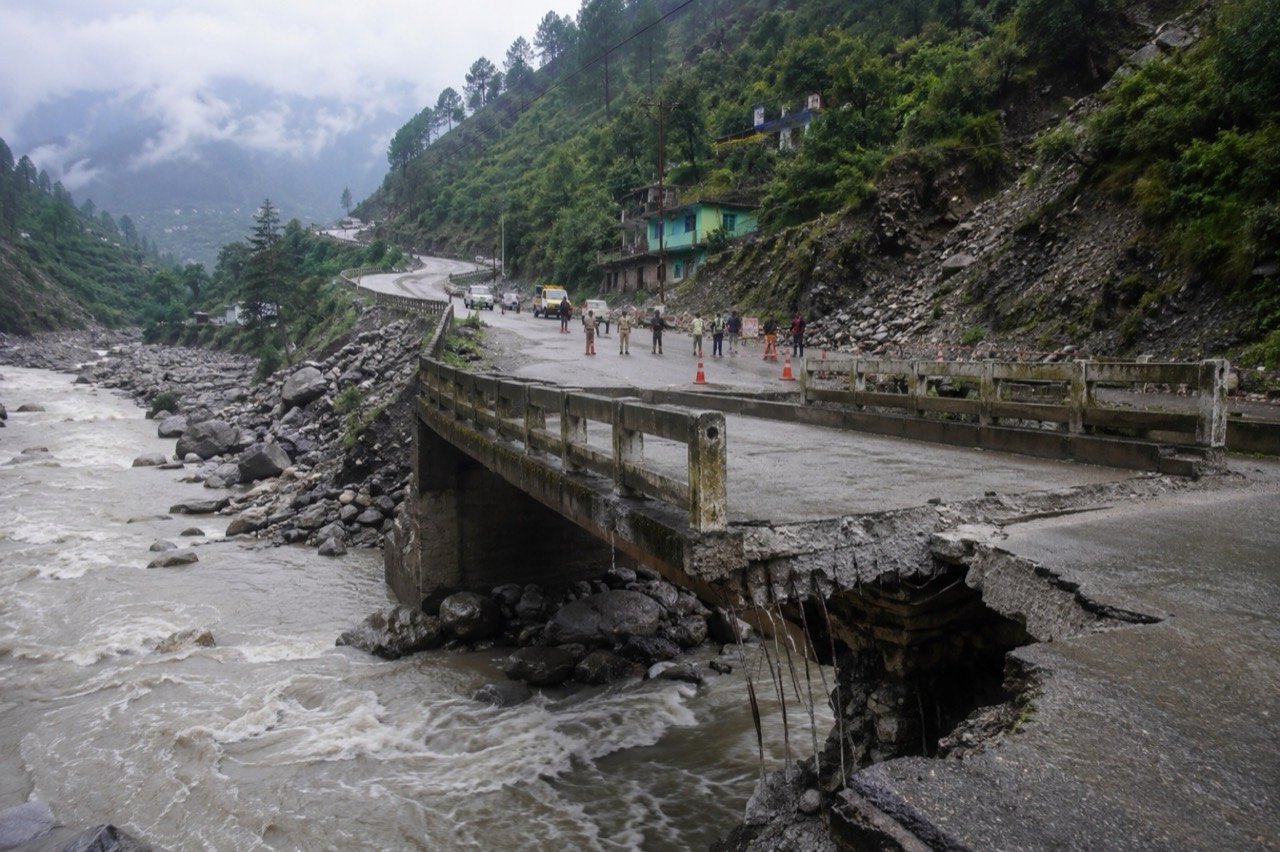
Himachal Bailey Bridge Collapse Sends Truck Into Sutlej, Renewing Hill-Road Safety Fears
A Bailey bridge on National Highway 5 in Himachal's Kinnaur district gave way under a passing truck, plunging it into the Sutlej, with the driver surviving and questions over mountain-road maintenance resurfacing.
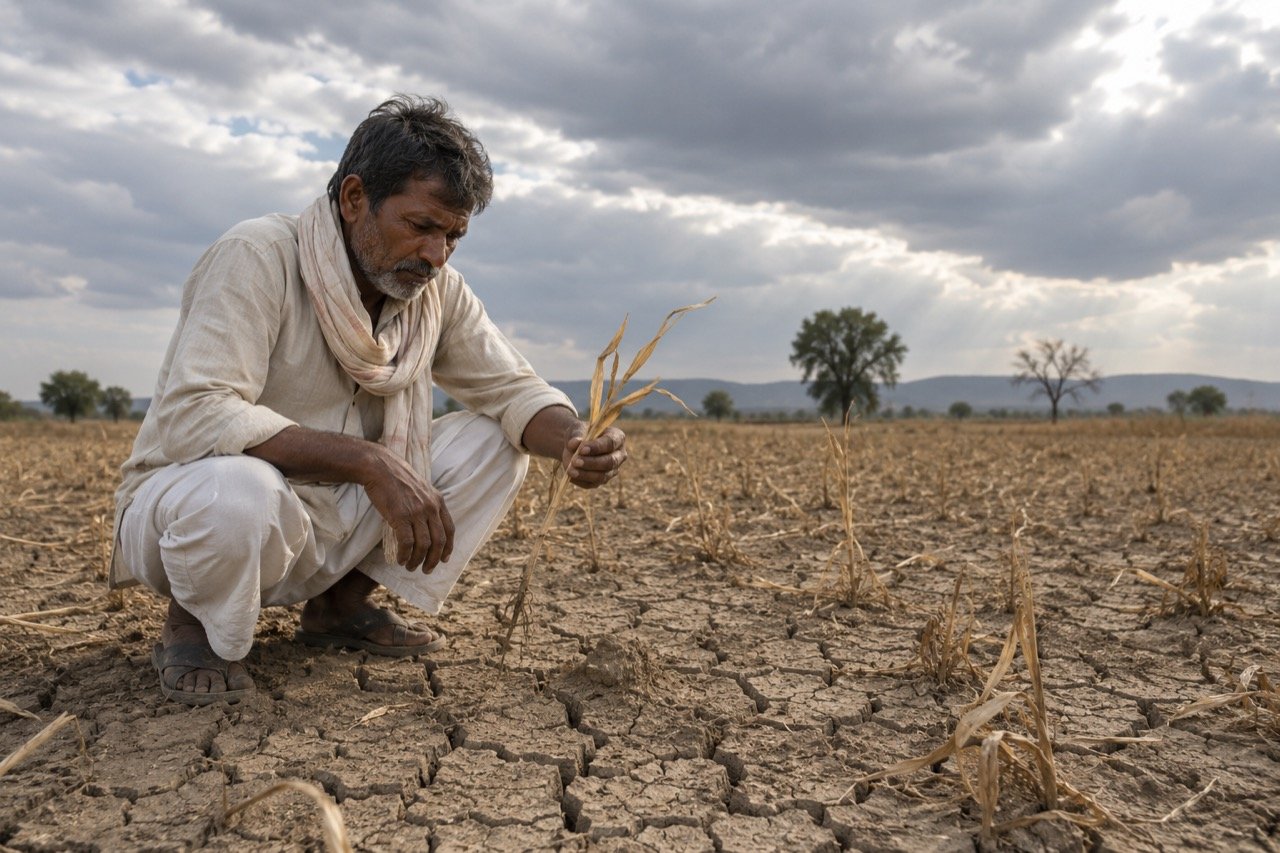
Drought Spreads Across India, Deepening Distress for Farmers
Drought conditions are extending across parts of India, compounding stress for farmers already grappling with uncertain rainfall, rising input costs and difficult sowing decisions at a critical point in the season.
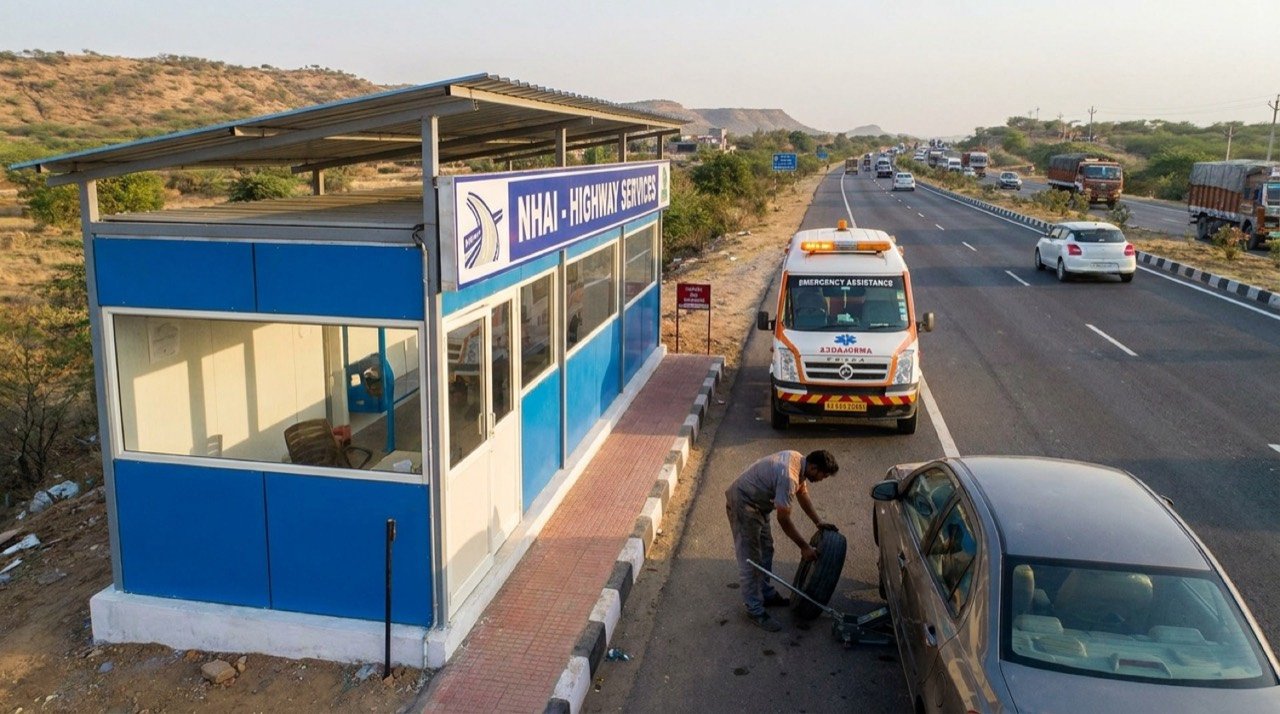
NHAI Plans Puncture and Repair Facilities Along National Highways and Expressways
The National Highways Authority of India is moving to add tyre-puncture support, basic vehicle repair and emergency services along highways, aiming to cut breakdown delays and improve road safety.
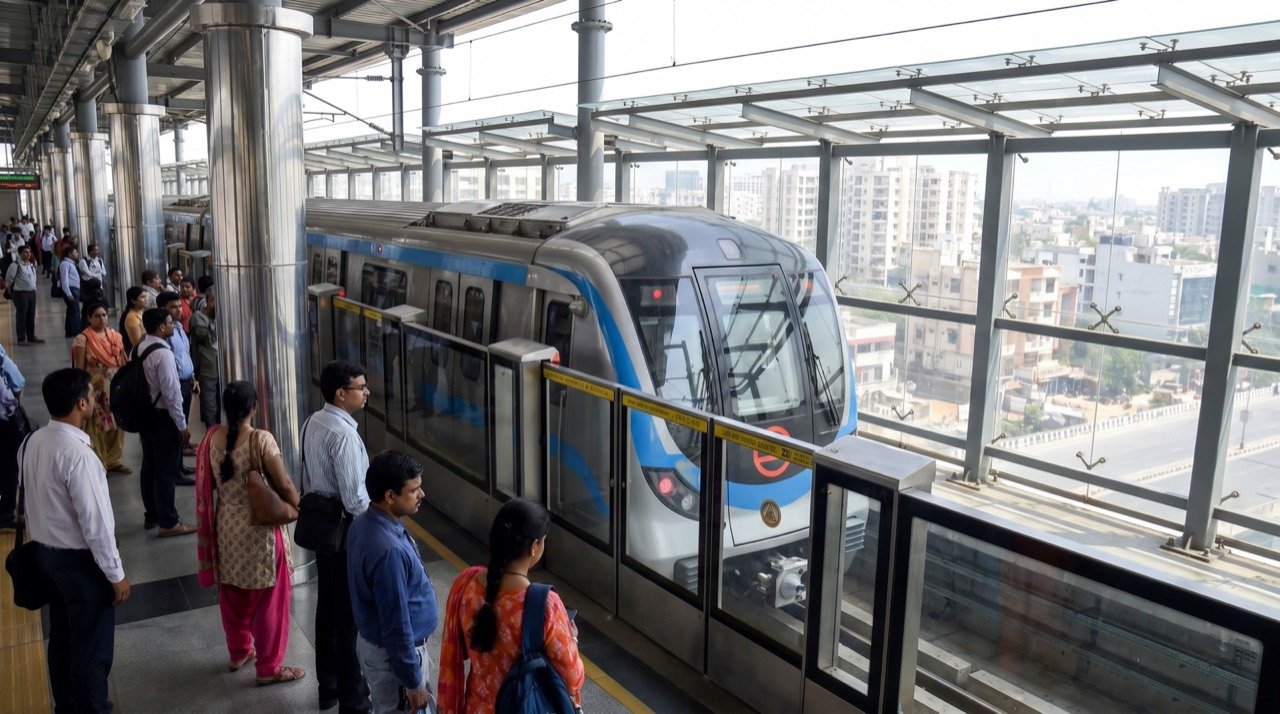
Chennai Metro readies its first double-decker corridor along Arcot Road
Part of the Phase II network, the stacked viaduct on Arcot Road places two metro corridors one above the other, with services on the Poonamallee Bypass to Vadapalani stretch cleared for operations and the Porur section moving toward commissioning.
More from this section
More
AICTE Industry Fellowship 2026: Rs 1.5 Lakh Scheme Closes July 5
The AICTE Industry Fellowship Programme 2026, which places technical-education faculty inside leading companies on a Rs 1.5 lakh monthly stipend, reached its application deadline on July 5.

Bay of Bengal Low Pressure System Revives Monsoon Over Western India
A low-pressure system over the Bay of Bengal has pushed the monsoon back into an active phase, bringing steady heavy rain to Kerala, coastal Karnataka and Maharashtra, and putting Mumbai and Pune on preparedness watch.
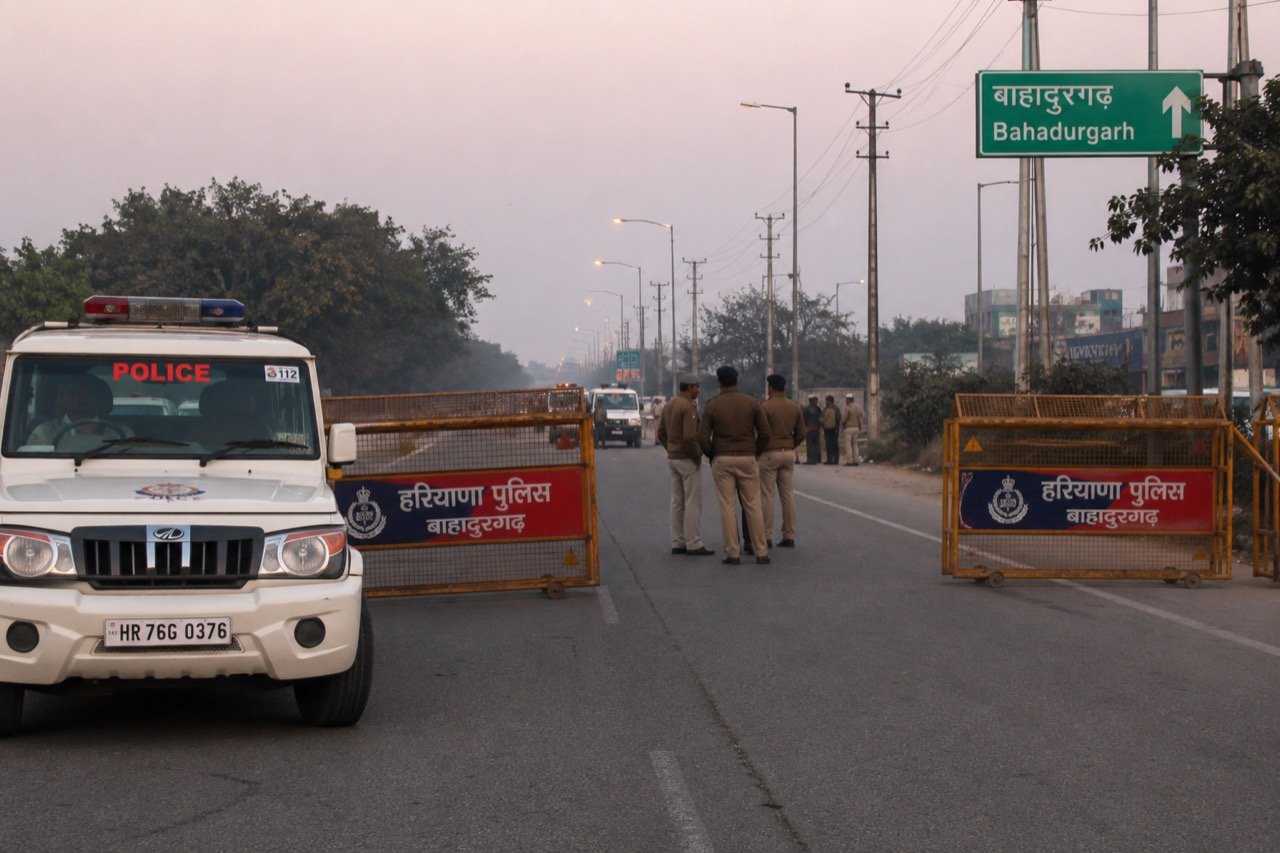
Bishnoi Gang Suspects Injured in Haryana Encounter as Police Tighten Net
A joint Haryana-Delhi Police operation in Bahadurgarh left two suspected Lawrence Bishnoi gang members injured, spotlighting the multi-state coordination now central to India's fight against organised crime networks.