Bajaj Auto Says Ransomware Attack Hit Company Systems
Bajaj Auto has disclosed that a ransomware attack affected systems at the company and its subsidiary Bajaj Auto Technology, intensifying concern over cyber risk across India's increasingly digital manufacturing sector.
Commentary & Analysis ·
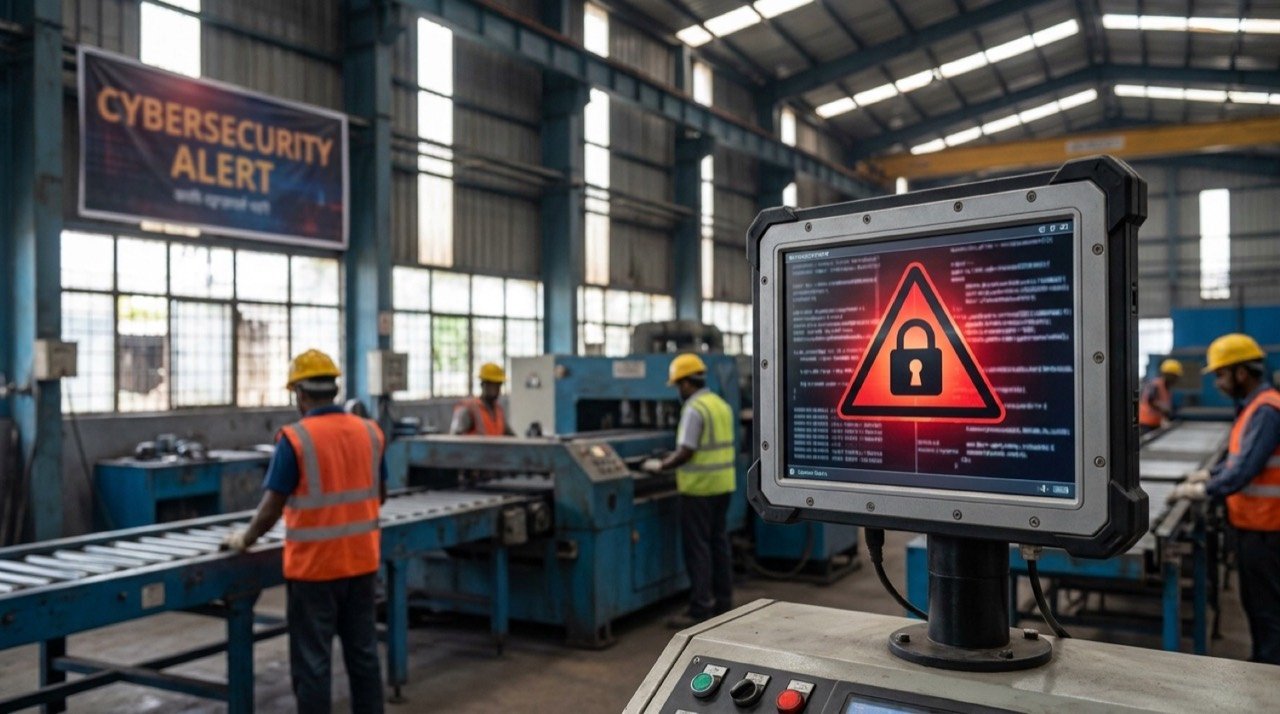
Bajaj Auto, one of India's largest two- and three-wheeler manufacturers, has disclosed that a ransomware attack affected systems at the company and its wholly owned subsidiary, Bajaj Auto Technology Ltd. The disclosure adds a high-profile name to a growing list of Indian industrial firms grappling with cyber threats, and underscores how exposed the manufacturing sector has become as it digitises.
What the company has said
In its disclosure, Bajaj Auto said technical teams and cybersecurity specialists were activated immediately after the attack was detected, with precautionary measures and response protocols put in place. The language signals a contained, procedure-driven response, the kind of incident-management playbook that large enterprises are expected to have ready.
The company has not, at this stage, detailed the full extent of any operational disruption or data exposure. For investors and customers, those are precisely the questions that matter most, and further updates on recovery timelines and the integrity of company data will be closely watched.
How ransomware threatens manufacturers
Ransomware works by encrypting an organisation's data or locking its systems, with attackers demanding payment to restore access. For a manufacturer, the danger extends well beyond office IT. Modern factories rely on connected production lines, supplier platforms and digital product systems, and a disruption to any of these can halt output or ripple through the supply chain.
That convergence of physical production and digital infrastructure is what makes industrial firms attractive targets. The pressure to resume operations quickly can make manufacturers more likely to negotiate, raising the stakes of every intrusion.
A rising threat to Indian industry
The Bajaj Auto incident is emblematic of a broader trend, with cyberattacks increasingly aimed at India's industrial backbone as digital adoption accelerates.
- The attack affected Bajaj Auto and its subsidiary Bajaj Auto Technology Ltd.
- Technical teams and cybersecurity experts were activated immediately.
- Precautionary measures and response protocols were put in place.
- Connected factories and supplier platforms widen the potential impact.
- Investors are watching for updates on disruption, data exposure and recovery.
“As factories grow more connected, cyber risk is no longer just an IT problem; it is a production and supply-chain risk.”
— Cybersecurity specialist
How quickly Bajaj Auto restores normal operations, and how transparently it communicates about any data impact, will shape the response from markets and customers alike. More broadly, the episode is a reminder that as Indian manufacturing embraces automation and connectivity, resilient cybersecurity is becoming as essential to the factory floor as quality control. The NE Times will report verified updates as the company shares more.
The NE Times View
A ransomware hit on a manufacturer of Bajaj's stature is a warning shot for industrial India. As factories digitise, they inherit the vulnerabilities of IT without always inheriting its defences, and a single breach can halt production lines, not just spreadsheets. Disclosure deserves credit, but the sector needs more than incident response; it needs to treat cybersecurity as core to operations. The next attack will test whether peers learned, or merely watched.
This article is original commentary and analysis by The NE Times. Background facts were referenced from The Economic Times and Business Standard.
You may also like to read
Tata Electronics Cyber Incident Raises Supply-Chain Data Questions
Tata Electronics has confirmed a cybersecurity incident after a ransomware group claimed to post over 200,000 files allegedly tied to Apple and Tesla component designs, spotlighting India's electronics supply-chain security.
Connected Car Rules: India Plans Vehicle Software Update Norms
With cars increasingly run by software, the government is reportedly preparing update and security norms aimed at preventing vehicle hijacking and governing how connected cars in India are patched and protected.
Chinese E-Rickshaw Apps Banned in India Over Remote Disable Risk
The Centre has ordered the removal of three Chinese apps — BAT-BMS, Lossigy and Epoch-i-ion — over fears they could remotely disable battery-run e-rickshaws, turning mobility software into a public safety concern.
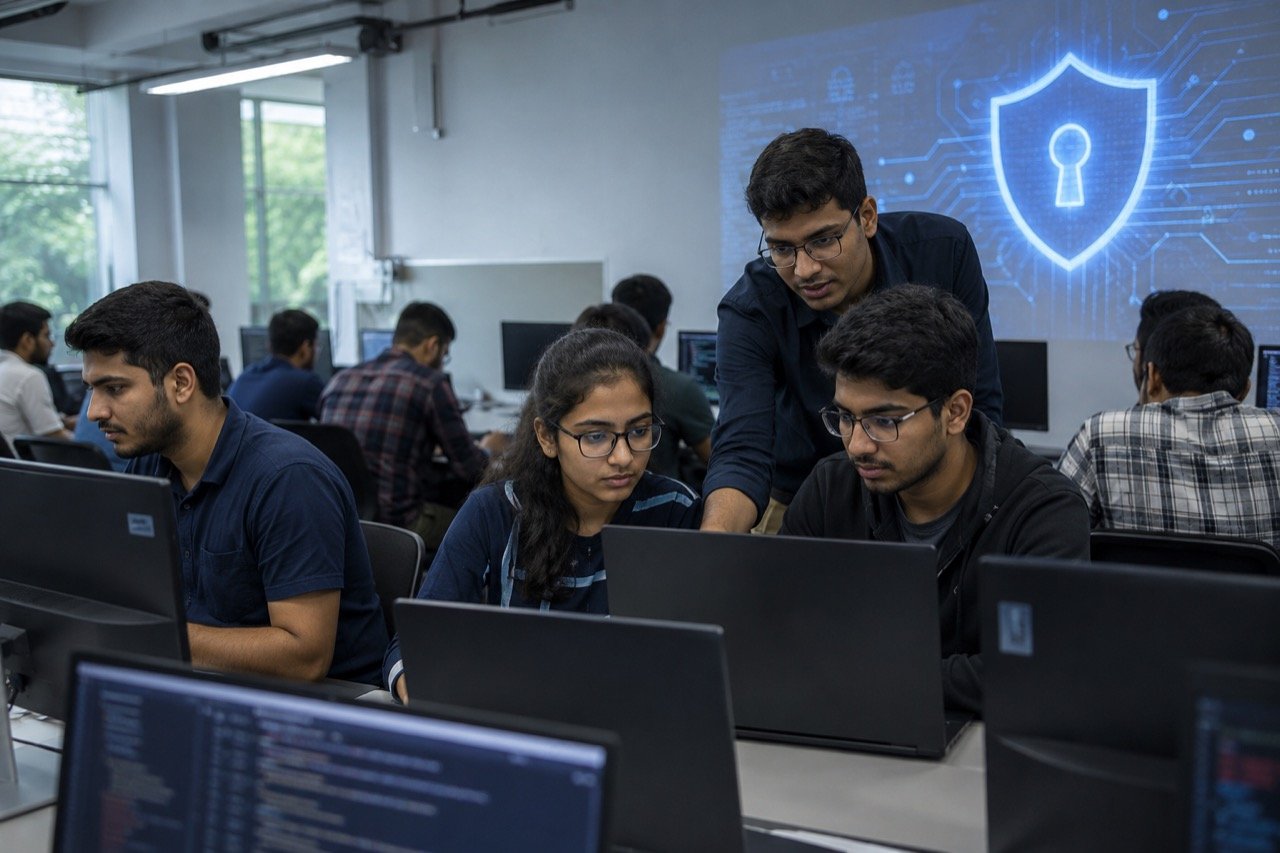
IIT Madras, IIT Kanpur Launch Cybersecurity Degree With Field Training
IIT Madras and IIT Kanpur have jointly launched a practice-oriented Bachelor of Cybersecurity featuring two years of field deployment, a direct response to India's widening shortage of trained cyber defence professionals.
More from this section
More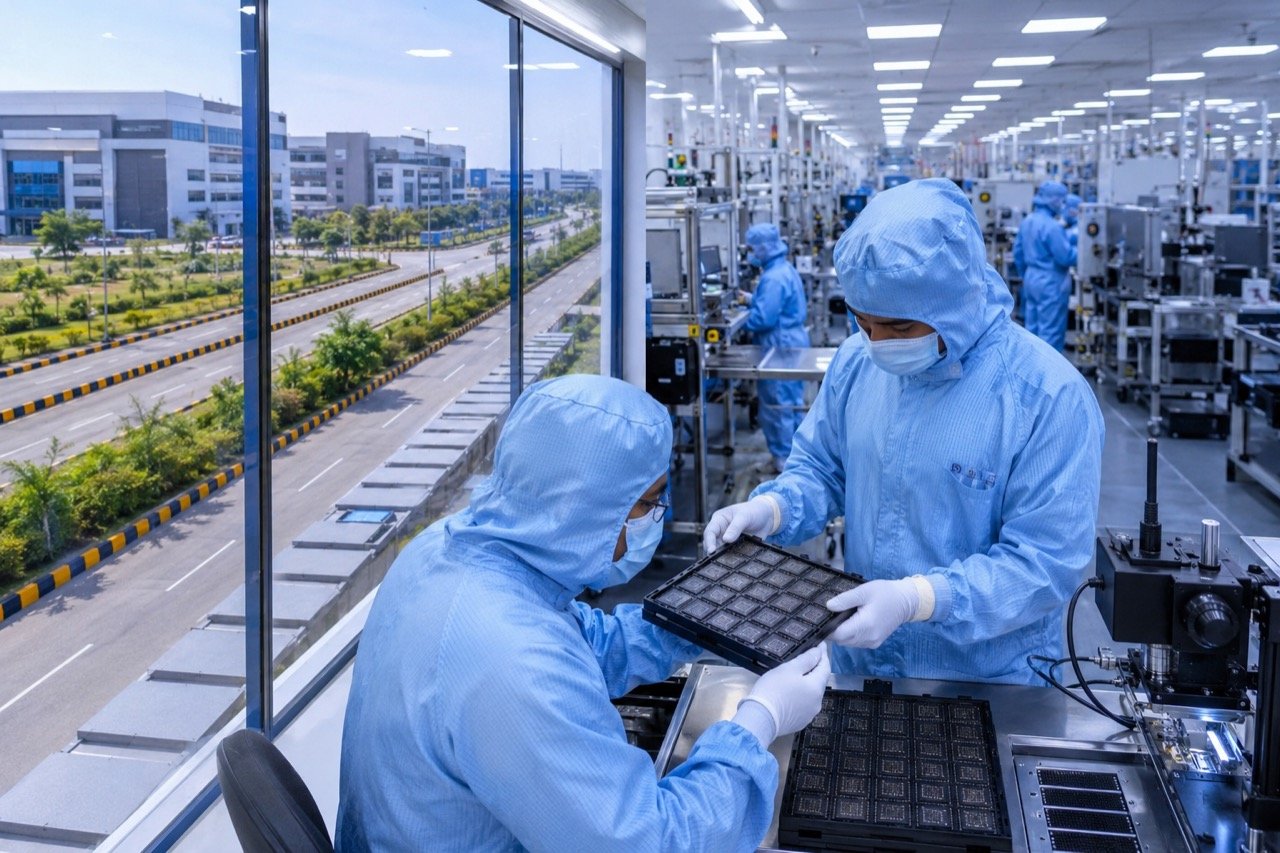
CG Semi Sanand Plant Opens, Boosting India's Semiconductor Drive
Prime Minister Narendra Modi inaugurated CG Semi's chip assembly and test facility in Sanand, Gujarat, giving India's semiconductor mission a working manufacturing milestone rather than another policy promise.
Chinese E-Rickshaw Apps Banned in India Over Remote Disable Risk
The Centre has ordered the removal of three Chinese apps — BAT-BMS, Lossigy and Epoch-i-ion — over fears they could remotely disable battery-run e-rickshaws, turning mobility software into a public safety concern.
Connected Car Rules: India Plans Vehicle Software Update Norms
With cars increasingly run by software, the government is reportedly preparing update and security norms aimed at preventing vehicle hijacking and governing how connected cars in India are patched and protected.