Anthropic puts a Mythos-class model in public hands with Claude Fable 5
The company is releasing its most capable widely available model yet, paired with a locked-down sibling reserved for cybersecurity work, in a careful balancing act between power and safety.
Commentary & Analysis ·

Anthropic has released Claude Fable 5, the first model from its Mythos generation that the general public can use, alongside a sharply restricted counterpart called Claude Mythos 5 that is reserved for approved cybersecurity customers. The dual launch, made in the second week of June, captures the tightrope the company is walking as model capabilities push into territory it considers sensitive.
Fable 5 is, by Anthropic's own description, more capable than any model it has previously made generally available, with strong performance in software engineering, knowledge work, vision and scientific research. Mythos 5, by contrast, is not broadly available at all; it is offered in limited form to organisations working on critical software-vulnerability detection.
Power, with guardrails
The reason for the split is safety. Anthropic says Fable 5's public release was only possible because of new safeguards that block responses in specific high-risk domains, primarily cybersecurity and biology. In effect, the company has taken a frontier-class system and fenced off the areas it deems most dangerous so the rest can be opened up.
That approach reflects a broader philosophy at Anthropic, which has consistently argued that the most capable models should ship with the most restrictive controls. Rather than withholding the model entirely or releasing it unguarded, the company is trying to thread a path that delivers everyday capability while keeping the riskiest use cases out of reach.
Where you can use it
Fable 5 is generally available across the major enterprise channels developers already rely on:
- The Claude API and the Claude platform on AWS
- Amazon Bedrock
- Google Cloud's Vertex AI
- Microsoft Foundry
Consumer and team subscribers get access too. Anthropic has folded Fable 5 into its Pro, Max, Team and Enterprise plans, though it has flagged that usage credits may be required once an initial window of unmetered access closes and capacity catches up with demand.
The cybersecurity angle
Mythos 5's narrow availability is tied to its intended purpose: finding and fixing critical software flaws before attackers can exploit them. The same capabilities that make a model good at spotting vulnerabilities can, in the wrong hands, help create them, which is precisely why Anthropic is keeping that version inside a controlled program of vetted customers rather than shipping it widely.
It is a recognition that frontier models are now dual-use tools. The defensive value of an AI that can audit code at scale is enormous, but so is the offensive potential, and Anthropic's structure is an attempt to capture the former while limiting the latter.
Pricing and the road ahead
On cost, Anthropic has set Fable 5 at $10 per million input tokens and $50 per million output tokens, a premium that reflects its position at the top of the company's lineup. For developers weighing it against cheaper models, the calculus will hinge on whether the gains in reasoning and coding justify the spend for a given workload.
The launch lands in a fiercely competitive month for AI, with several major labs shipping new systems. Anthropic's distinctive move is not raw capability alone but the explicit pairing of a public model with a quarantined sibling, a template that may define how the most powerful models reach users from here on.
The NE Times View
Releasing a frontier model to the public while walling off a more dangerous sibling for cybersecurity is the central tension of modern AI, distilled: capability and restraint in the same announcement. The approach is more honest than rivals who ship first and patch later. For India, where AI adoption is racing ahead of regulation, the lesson is that responsible deployment must be designed in, not bolted on, and that access and safety need not be opposites.
This article is original commentary and analysis by The NE Times. Background facts were referenced from TechCrunch and SD Times.
You may also like to read

TCS And Anthropic Forge Global Premier Partnership To Scale Claude Across Regulated Industries
India's largest IT services firm will deploy Claude to 50,000 of its own associates and build a dedicated business unit to take Anthropic's models to banks, hospitals and government clients worldwide.
Microsoft unveils seven in-house MAI models at Build 2026, loosening its grip on OpenAI
With a reasoning model, a coding flash variant and image generators trained on its own licensed data, Microsoft is signalling it wants to build at the frontier rather than rent it.
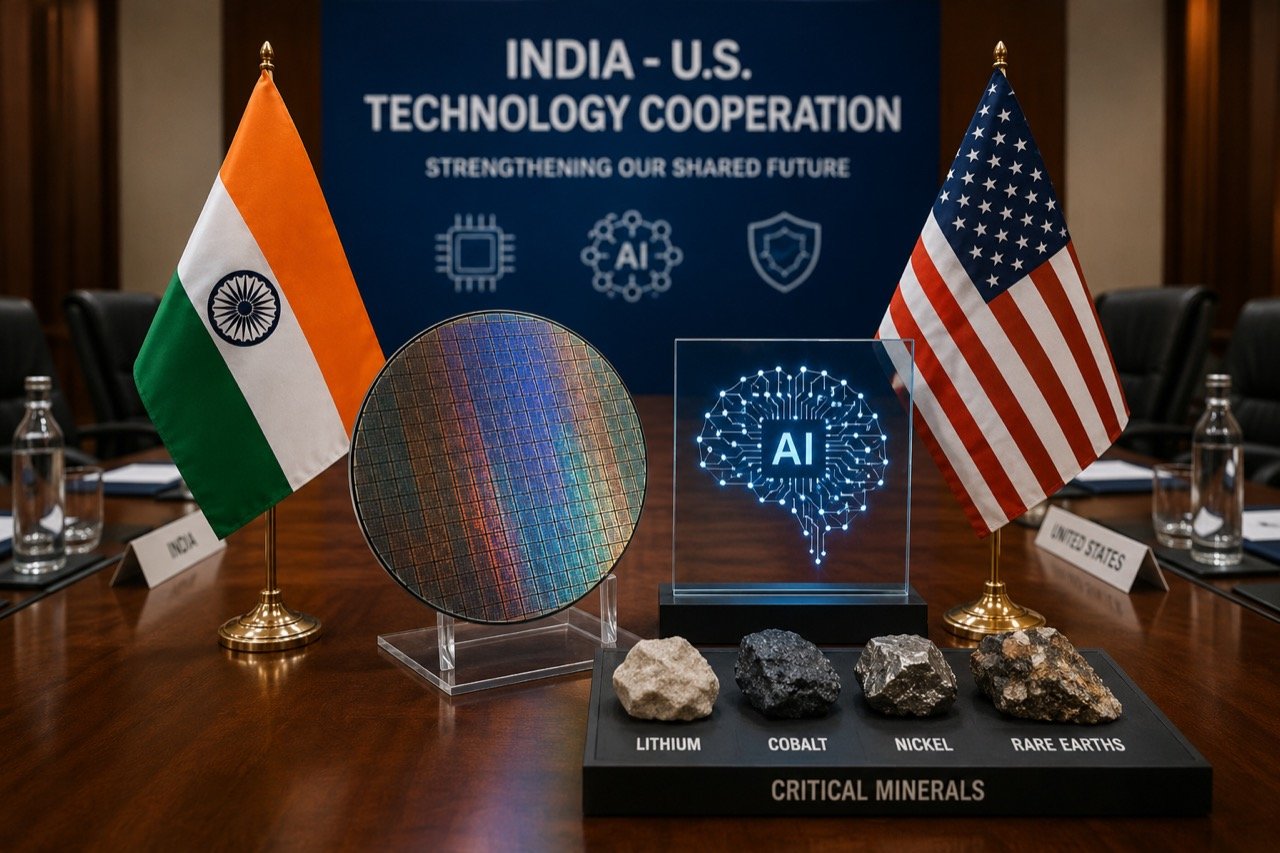
India-US AI Chips Roundtable Puts Critical Minerals in the Spotlight
Discussions between India and the United States on AI, semiconductors and critical minerals underline how technology cooperation is fast becoming a supply-chain and resource-security story, not just a software one.
Apple Rebuilds Siri From the Ground Up, and Quietly Hands the Brains to Google
At WWDC 2026 Apple unveiled 'Siri AI', a top-to-bottom overhaul powered by Google's Gemini models under a reported $1 billion-a-year deal.
More from this section
More
CG Semi Sanand Plant Opens, Boosting India's Semiconductor Drive
Prime Minister Narendra Modi inaugurated CG Semi's chip assembly and test facility in Sanand, Gujarat, giving India's semiconductor mission a working manufacturing milestone rather than another policy promise.
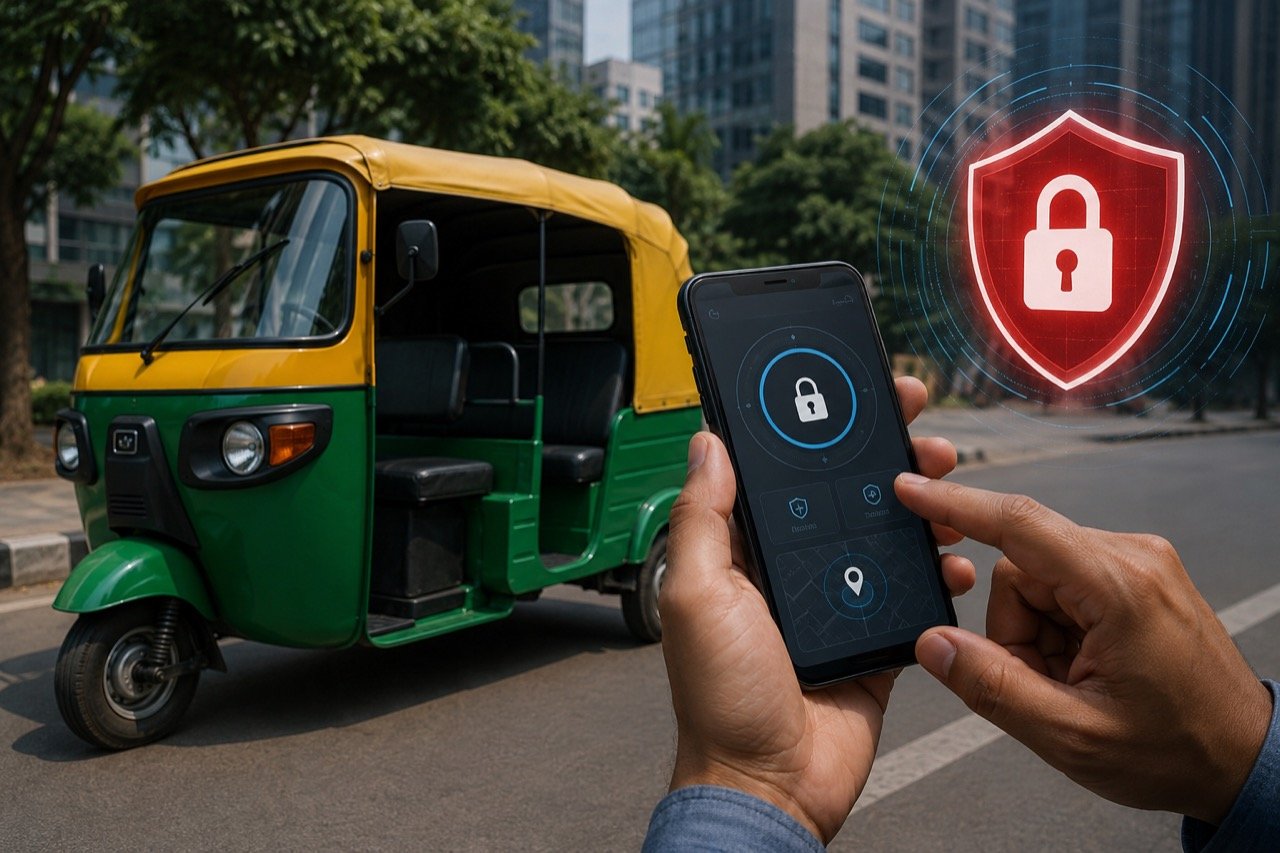
Chinese E-Rickshaw Apps Banned in India Over Remote Disable Risk
The Centre has ordered the removal of three Chinese apps — BAT-BMS, Lossigy and Epoch-i-ion — over fears they could remotely disable battery-run e-rickshaws, turning mobility software into a public safety concern.
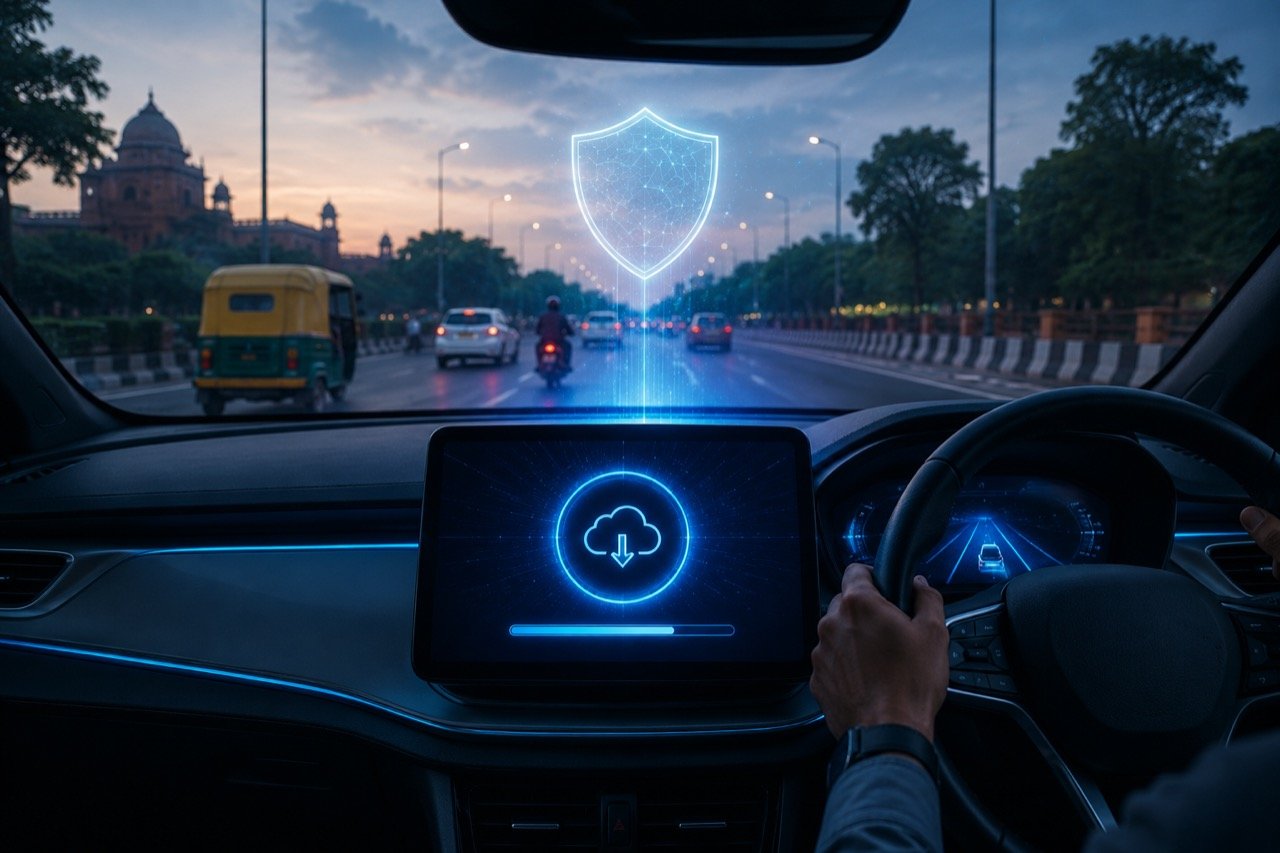
Connected Car Rules: India Plans Vehicle Software Update Norms
With cars increasingly run by software, the government is reportedly preparing update and security norms aimed at preventing vehicle hijacking and governing how connected cars in India are patched and protected.