Amarnath Yatra 2026 Set for July Start as Registrations and Security Tighten
The 57-day pilgrimage to the Himalayan cave shrine will begin in early July, with the ceremonial first puja in late June and advance registration already running into the lakhs.
Commentary & Analysis ·

Preparations for the 2026 Shri Amarnath Ji Yatra are in their final stretch, with the annual pilgrimage to the 3,880-metre cave shrine in the Himalayas scheduled to begin in the first week of July and run for about 57 days until Raksha Bandhan in late August. The ceremonial Pratham Puja is set for the end of June, marking the formal opening of one of India's most demanding high-altitude pilgrimages.
The cave shrine, home to a naturally forming ice lingam, draws hundreds of thousands of devotees each year despite a setting that tests both stamina and nerve. The yatra's timing is dictated by the short summer window when the high passes are clear of snow, which is why a season of fixed length and a hard close around Raksha Bandhan have become familiar features of the calendar.
Registration and eligibility
Advance registration, which opened in mid-April through banks and the online portal, has drawn strong early interest. Authorities have reiterated the eligibility rules, permitting pilgrims aged between 13 and 70 and barring women beyond six weeks of pregnancy on medical grounds. These limits are not bureaucratic formalities but safety filters, screening out those least able to cope with thin air, cold and exertion on the climb.
Tying registration to a network of designated bank branches and a central online system allows organisers to gauge demand, plan daily caps and match the flow of pilgrims to the capacity of the routes and base camps. It also helps authorities maintain an accurate count of who is on the mountain at any given time, a necessity when weather can turn quickly and evacuations may be needed.
Two routes, heavy logistics
Pilgrims will again have a choice of two approaches: the traditional and gentler 48-km route via Nunwan and Pahalgam in Anantnag district, and the shorter but steeper 14-km Baltal track in Ganderbal district. Base camps, langars and medical posts are being readied along both axes, recreating each season the temporary township of kitchens, shelters and aid stations that keeps the pilgrimage moving.
The two paths offer a genuine trade-off. The Pahalgam route stretches the climb over more days but eases the gradient, suiting those who want a slower acclimatisation; the Baltal track is far quicker but punishingly steep, favoured by fitter pilgrims and those attempting the darshan in a single push. The choice shapes how the crowd, the langars and the medical cover are distributed across the season.
Security, weather and health
The yatra is among the most logistically demanding pilgrimages in India, involving multi-tier security, weather monitoring and health screening at entry points. Officials have urged registrants to undergo mandatory fitness checks and complete formalities early, reflecting hard-won lessons about how altitude sickness and sudden weather shifts, rather than the terrain alone, account for much of the risk on the route.
Preparations typically pull together several strands at once:
- Multi-tier security cover along both the Pahalgam and Baltal routes
- Weather monitoring to flag the rain and cold snaps that can halt movement
- Mandatory fitness checks and health screening at entry points
- Base camps, community langars and medical posts staged along the climb
With the Pratham Puja due at the end of June and the gates set to open days later, the coming weeks will see the temporary infrastructure tested before the bulk of pilgrims arrive. The measure of the season will be whether the layered planning - on security, health and weather - can carry a vast, fervent crowd safely through a narrow Himalayan window.
The NE Times View
The tightened security and staggered registration reflect hard lessons about safeguarding a high-risk pilgrimage through sensitive, high-altitude terrain. Lakhs of registrations show undimmed devotion, but the balance between access and safety is delicate. Smooth logistics and credible threat management, rather than headline turnout, will define a successful yatra. The administration's quiet competence here matters more than any ceremonial milestone, because the stakes are measured in lives.
This article is original commentary and analysis by The NE Times. Background facts were referenced from Times of India, NDTV.
You may also like to read
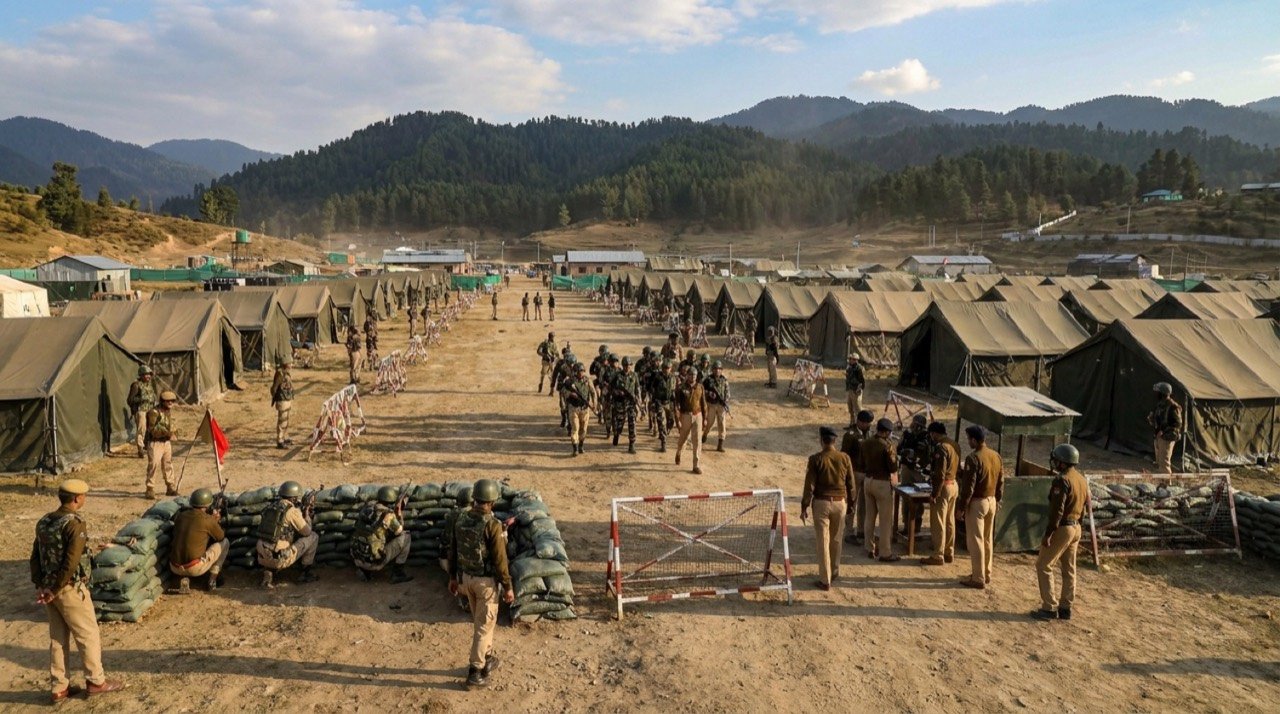
Amarnath Yatra Security Drill Sharpens Jammu Base Camp Readiness
Security agencies ran a mock drill at Jammu's Bhagwati Nagar base camp ahead of the Amarnath Yatra, bringing NSG, SOG and local police together to test response times and perimeter defence.
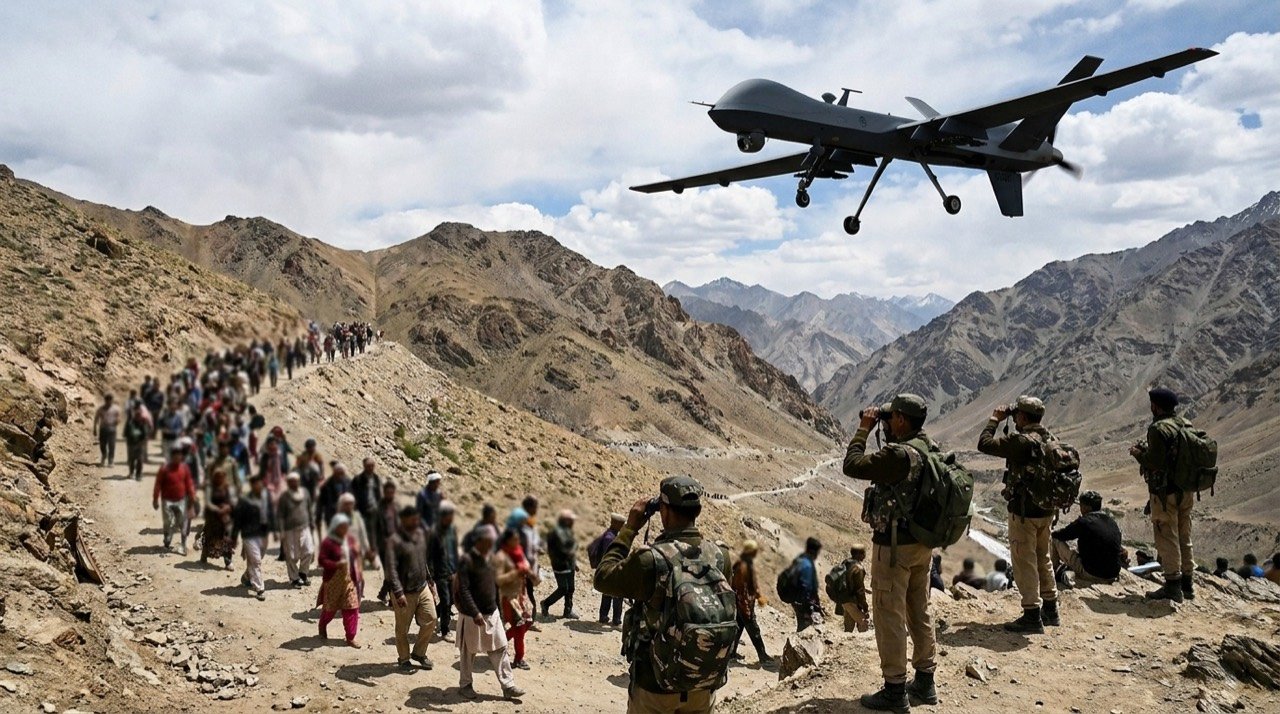
Project Hawk Eye: AI, Drones and Snipers to Guard the Amarnath Yatra
Anantnag police have unveiled Project Hawk Eye, a layered surveillance net of drones, facial recognition, hundreds of CCTV cameras and sniper teams to secure the 2026 Amarnath Yatra beginning 3 July.

Char Dham Yatra Crosses 20 Lakh Pilgrims as Kedarnath Rush Sets Records
Uttarakhand's high-altitude shrine circuit has drawn an unprecedented turnout this season, prompting crowd-control measures and helicopter booking curbs as June footfall climbs.
Centre Names 23 More Designated Terrorists, Taking List to 80
The Union government has designated 23 more individuals as terrorists, expanding India's official list to 80 names, with several reportedly linked to attacks and cases connected to Jammu and Kashmir.
More from this section
More
AICTE Industry Fellowship 2026: Rs 1.5 Lakh Scheme Closes July 5
The AICTE Industry Fellowship Programme 2026, which places technical-education faculty inside leading companies on a Rs 1.5 lakh monthly stipend, reached its application deadline on July 5.
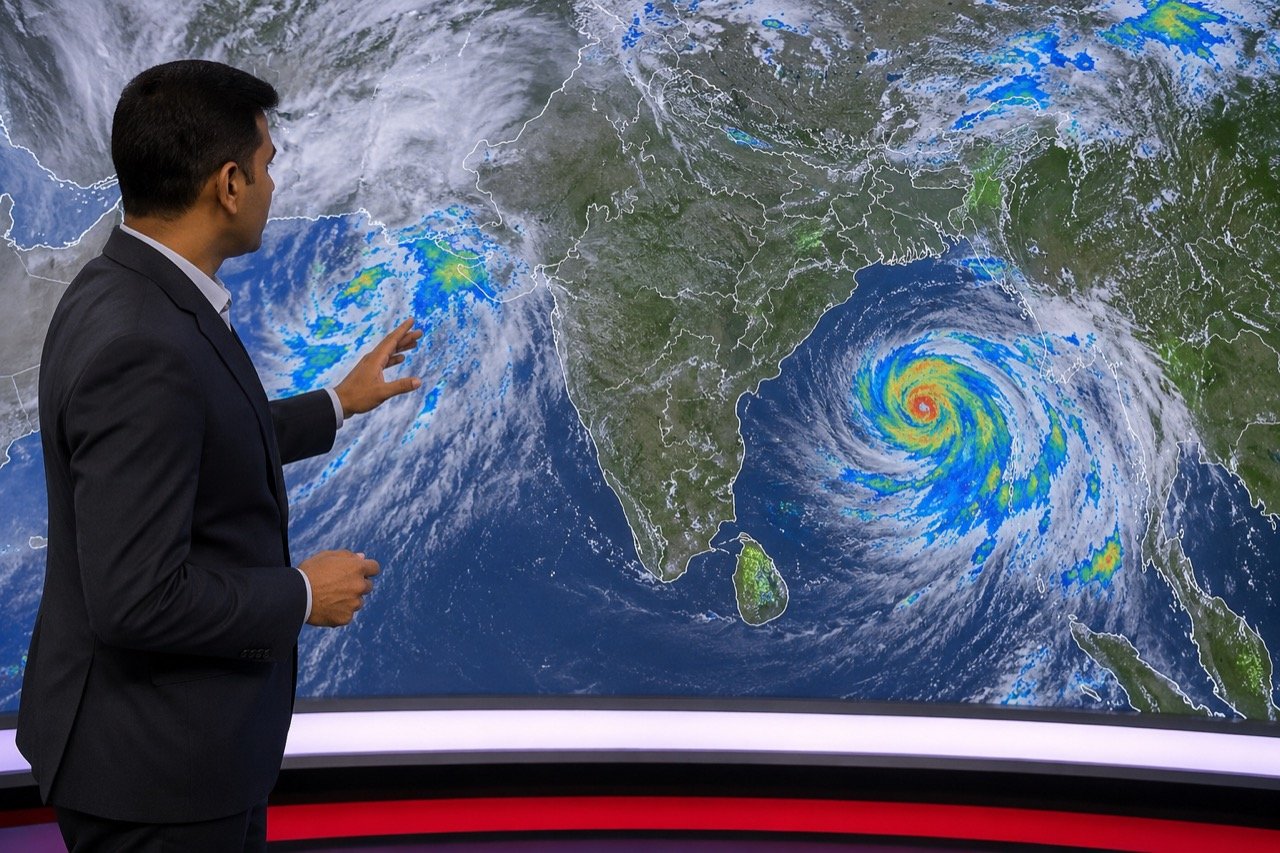
Bay of Bengal Low Pressure System Revives Monsoon Over Western India
A low-pressure system over the Bay of Bengal has pushed the monsoon back into an active phase, bringing steady heavy rain to Kerala, coastal Karnataka and Maharashtra, and putting Mumbai and Pune on preparedness watch.
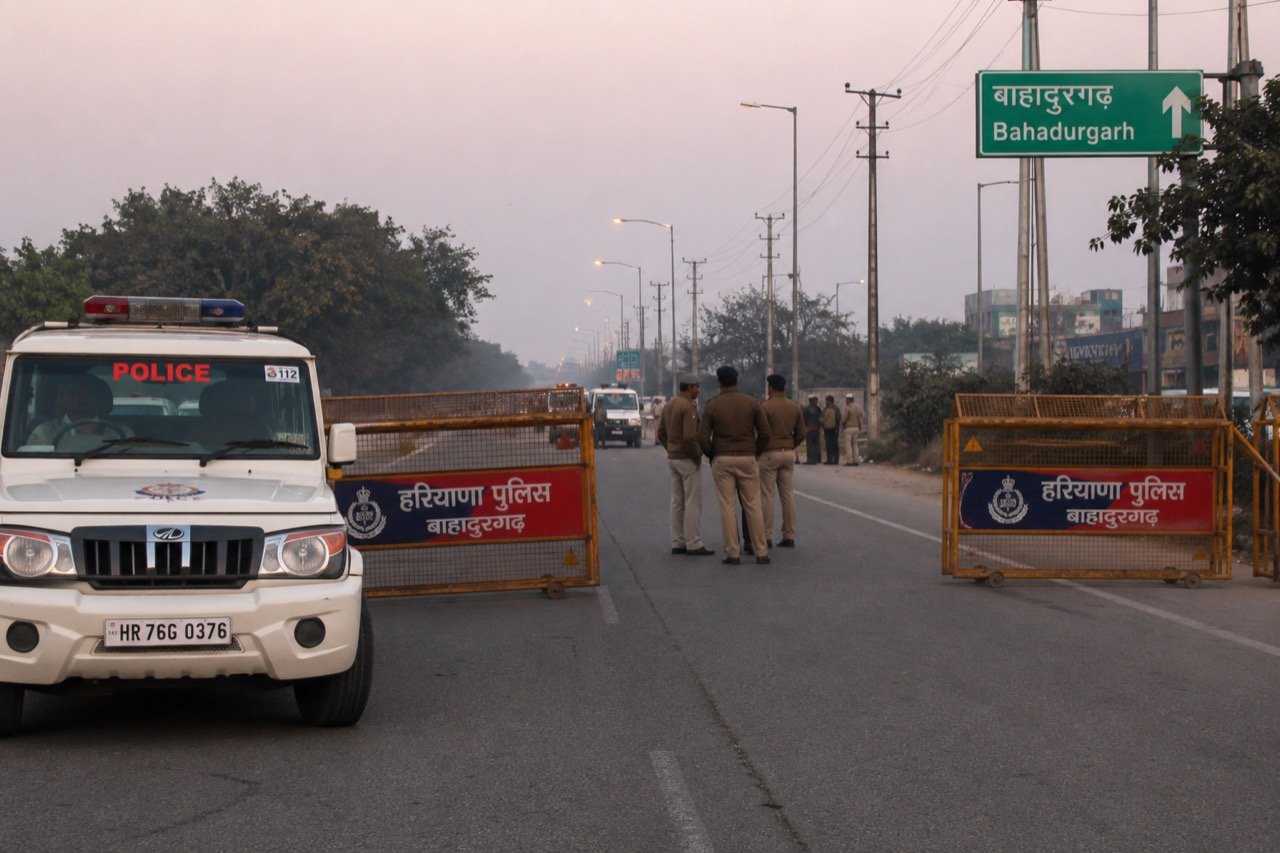
Bishnoi Gang Suspects Injured in Haryana Encounter as Police Tighten Net
A joint Haryana-Delhi Police operation in Bahadurgarh left two suspected Lawrence Bishnoi gang members injured, spotlighting the multi-state coordination now central to India's fight against organised crime networks.