Rs 125 Crore and 75 Shifts: The Scale Behind Welcome to the Jungle
Director Ahmed Khan's reported claim of a Rs 125 crore budget and a 75-shift shoot has turned the Akshay Kumar comedy into a case study in franchise economics and production discipline.
Commentary & Analysis ·
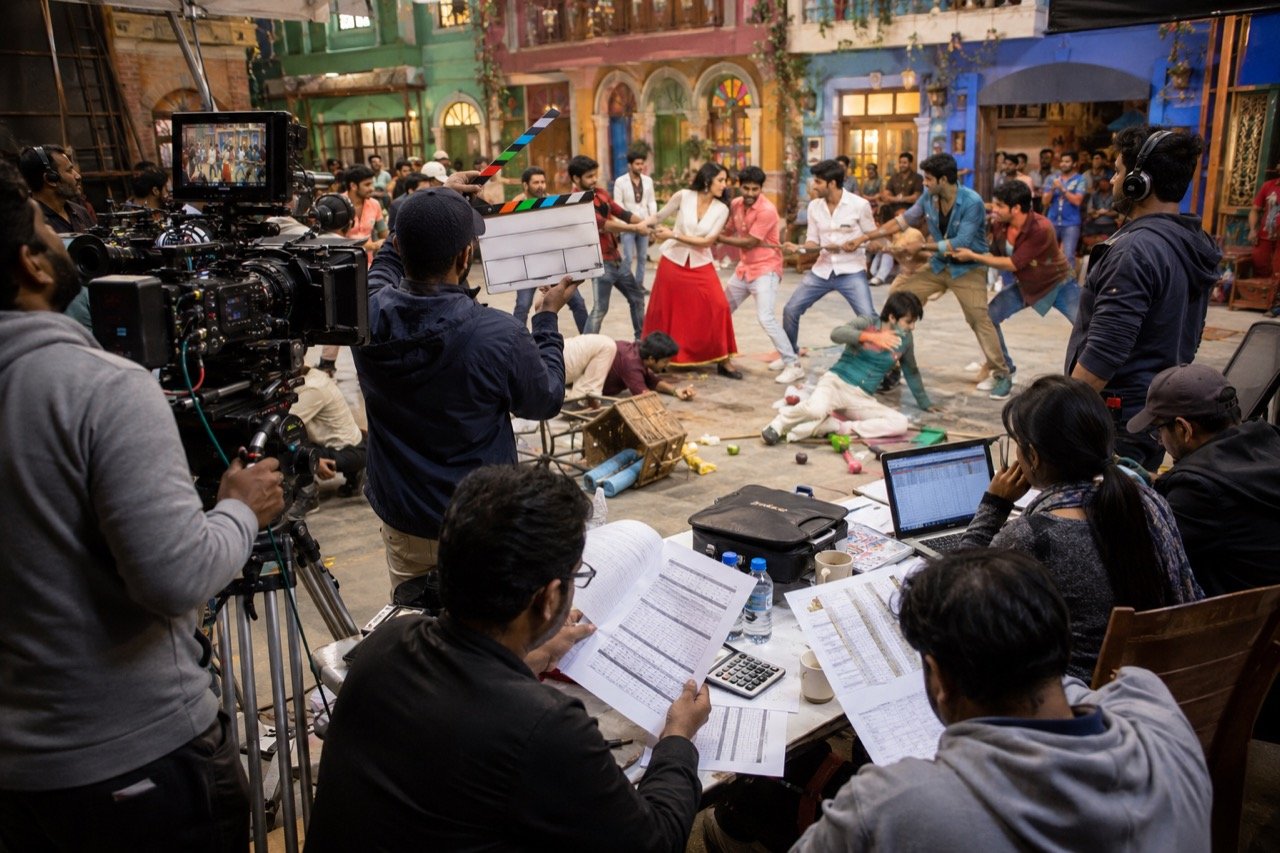
Welcome to the Jungle is being talked about as much as an industrial undertaking as a comedy. According to remarks by director Ahmed Khan reported in The Indian Express, the Akshay Kumar-led ensemble film was mounted on a budget of around Rs 125 crore and completed in 75 shooting shifts — figures that reframe the film's box-office story as a question of business discipline rather than simply one of laughs per minute. In an industry accustomed to discussing films in terms of star wattage or trailer buzz, the decision to foreground a production number and a shift count is itself worth pausing over, because it tells audiences and trade watchers alike that the film wants to be judged, at least in part, as a managed enterprise.
Why a comedy costs this much
Big ensemble comedies are expensive in ways that are easy to miss from the outside. The money does not sit only in sets, songs or action set pieces; it goes into coordinating a large roster of actors, overlapping schedules, multiple locations, choreographed comic chaos and an extended post-production polish. Each of these elements carries its own cost curve. A large ensemble means paying for star dates that rarely align neatly, which in turn forces producers to either wait for convenient windows or pay a premium to lock in overlapping slots. Multiple locations add logistics, travel and insurance costs that scale with the size of the cast and crew being moved. And the comic set pieces that define a film like this — chases, mistaken identities, slapstick choreography — often require as much technical planning as a straightforward action sequence, since timing and physical comedy have to be engineered rather than improvised. Keeping all of that moving at once, without the schedule fraying, is what pushes budgets into blockbuster territory even for a genre that traditionally prided itself on being cheaper to make than spectacle-driven cinema.
The 75-shift claim as a selling point
Compressing that scale into 75 shifts is itself part of the film's pitch, and it is worth understanding why a producer or director would choose to publicise a number like this at all. If the claim holds, it signals a production that was large enough to feel theatrical yet disciplined enough to look commercially managed — a combination producers increasingly want to advertise in a market where cost overruns are scrutinised as closely as opening weekends. A shift count is, in effect, a proxy for efficiency: it tells financiers and distributors that the scale on screen was achieved without the kind of runaway scheduling that has quietly sunk the economics of other big-ticket Hindi films in recent years. For a film with an ensemble cast, holding a shoot to 75 shifts also implies that the production was pre-planned with unusual precision, since ensemble shoots are notoriously vulnerable to slippage whenever even one principal actor's availability shifts.
What the numbers signal to the trade
The number also changes how trade watchers will read the collections once the film is in cinemas. A Rs 125 crore comedy needs strong theatrical legs plus healthy satellite and streaming value to look fully safe on the ledger, which means the conversation around the Welcome franchise moves beyond whether the jokes land to whether brand familiarity still converts into dependable revenue. This is a subtly different question from the one audiences usually ask about a comedy sequel. It is not simply "was it funny", but "did the franchise's name recognition do enough heavy lifting to justify a budget of this size". For a franchise built on broad ensemble humour rather than a single bankable face, that is a genuinely open question, because the pulling power of an ensemble brand can be harder to predict than that of a single star vehicle. Distributors and satellite buyers will be watching opening-weekend trends closely, since a film mounted at this scale has less room to recover from a soft start than a modestly budgeted film would.
The wider industry backdrop
This kind of budget disclosure does not happen in a vacuum. Hindi cinema has, in recent years, seen a string of high-profile films fail to recover their costs, which has made financiers and studios considerably more cautious about greenlighting large ensemble productions. Against that backdrop, publicising a specific budget figure alongside a specific shift count reads as an attempt to reassure the trade that this production was run tightly, even if the eventual box-office outcome is not guaranteed. It is, in essence, a pre-emptive argument for why the film should be seen as a sound bet regardless of how the reviews land. Whether that argument persuades financiers watching from the sidelines will likely depend less on the number itself and more on whether the film's eventual performance validates the discipline being claimed now.
The NE Times View
Publicising budgets and shift counts is Bollywood's new language of credibility, and it cuts both ways. For audiences, a Rs 125 crore figure raises expectations of spectacle from a genre that once thrived on modest budgets and word of mouth, which means the film now has to visually justify a number that comedies rarely had to justify before. For the industry, the more useful signal is the 75-shift discipline: if big Hindi films can prove they deliver scale on schedule, financiers rattled by recent flops may loosen up again, and the sector's appetite for ambitious ensemble projects could recover accordingly. But numbers announced before release are marketing; the only figure that will settle the debate is the one on the box-office ledger three weekends in. Until then, the Rs 125 crore and 75-shift talking points function less as facts about quality and more as an opening bid in the negotiation between filmmakers and the market over what counts as a justified bet.
Key takeaways
- Director Ahmed Khan, as reported by The Indian Express, put Welcome to the Jungle's budget at around Rs 125 crore, completed in 75 shooting shifts.
- Ensemble comedies carry hidden costs in scheduling, multiple locations and technically demanding comic set pieces, which explains the scale of the budget.
- A tight 75-shift count is being positioned as evidence of production discipline, a quality increasingly prized by financiers wary of cost overruns.
- At this budget level, the film needs strong theatrical, satellite and streaming performance together to be considered commercially safe.
- Pre-release budget and schedule disclosures function as marketing; the real test remains box-office performance over the first three weekends.
You may also like to read
Rs 106 Crore in Four Days: Jungle Puts Welcome Back on Top
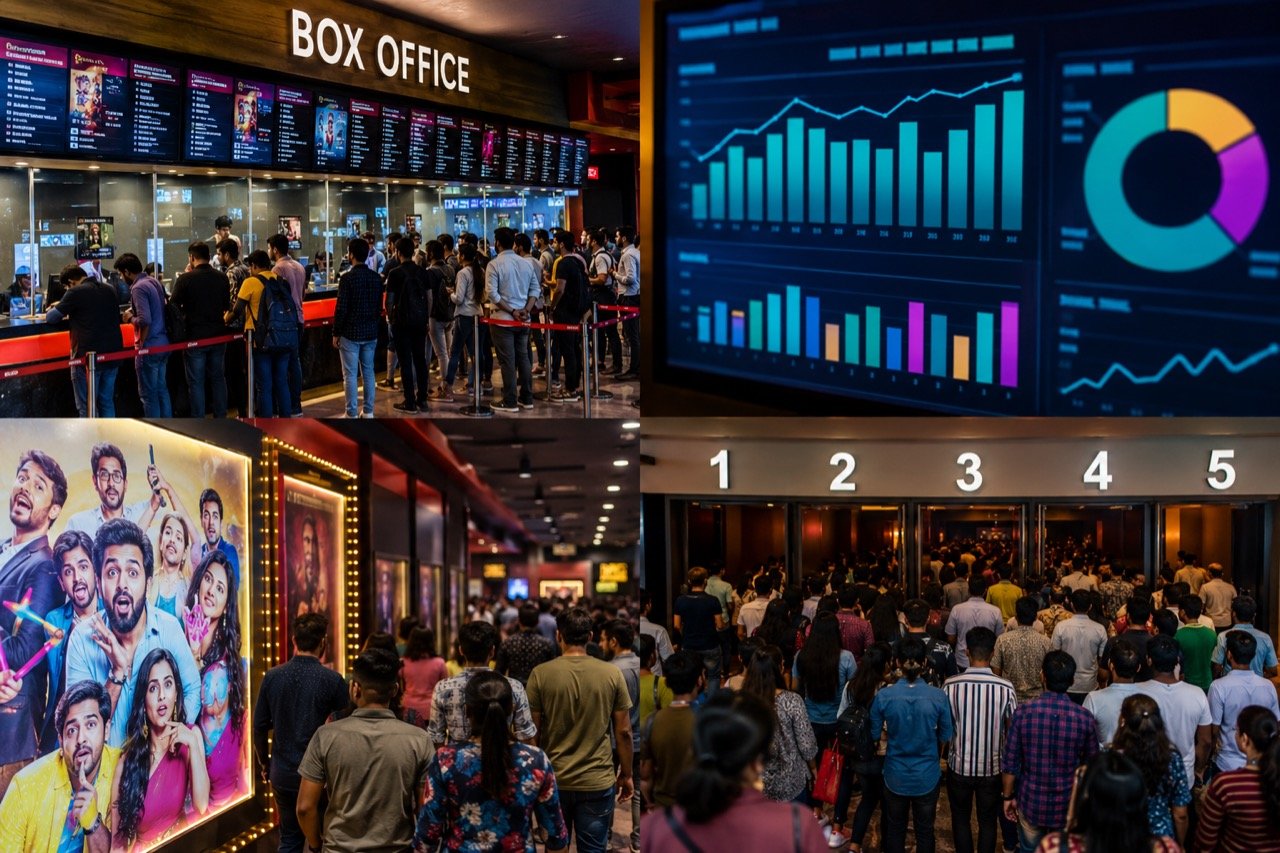
Akshay Kumar's ensemble comedy has reportedly crossed Rs 106 crore worldwide in four days against a Rs 125 crore budget, reviving the Welcome franchise's box-office relevance while leaving its long-run fate open.

Sanjay Dutt's Jungle Exit: Ahmed Khan Breaks His Silence
Director Ahmed Khan has explained why Sanjay Dutt left Welcome to the Jungle after beginning shoot, adding a fresh production-side twist to the Akshay Kumar-led ensemble comedy's already noisy news cycle.

'Welcome To The Jungle' Trailer Unleashes A Sprawling Comedy Ensemble
Akshay Kumar and Suniel Shetty lead a vast multi-starrer comedy that drops its trailer ahead of a June 26 release.
Welcome To The Jungle Eyes Akshay Kumar's Biggest Comedy Opening On Muharram Weekend
Trade trackers say the Ahmed Khan-directed multi-starrer is on course for a 25-crore-plus first day, which would hand Akshay Kumar his biggest comedy opening of the post-pandemic era.
More from this section
More
72nd National Film Awards: Fans Back Mammootty, Allu Arjun, Sai Pallavi
Speculation around the 72nd National Film Awards is intensifying as fan communities across India's language film industries champion favourites including Mammootty, Allu Arjun and Sai Pallavi ahead of any official announcement.

Aamir Khan Marries Gauri Spratt in Private Pali Hill Ceremony
Aamir Khan and Gauri Spratt tied the knot at the actor's Pali Hill home in Mumbai on July 5, turning a deliberately small family ceremony into Bollywood's biggest story of the day.

Akanksha Chamola's Lock Upp 2 Confession Sets Reality TV Abuzz
A personal revelation by Akanksha Chamola ahead of Lock Upp 2 has handed the reality show a viral talking point, underlining how confession-driven formats continue to dominate Indian television conversation.