Vikram-Bobby Deol Rumour Debunked: Why Film Buzz Needs Fact-Checks
A speculative claim linking Vikram and Bobby Deol to a Thug Life-related project has been publicly pushed back on, turning the episode into a case study in how fast unverified casting chatter spreads online.
Commentary & Analysis ·
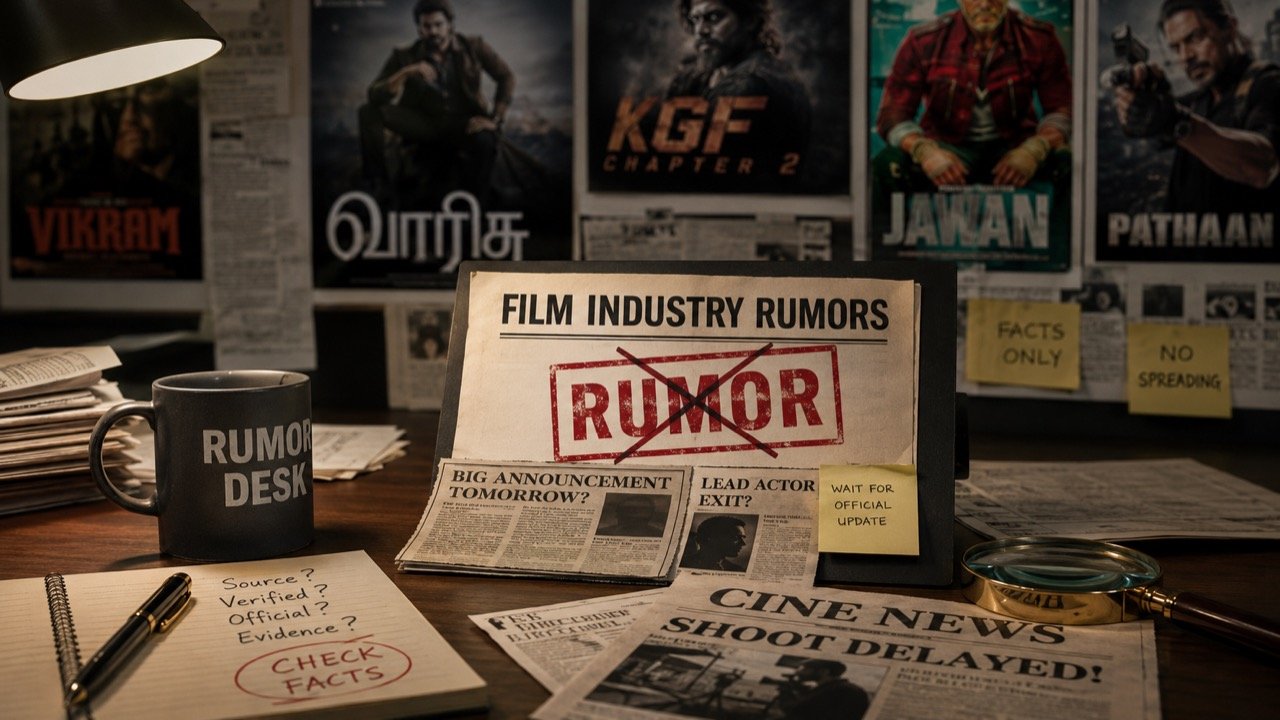
A fresh wave of speculation tying Vikram and Bobby Deol to a development connected with Thug Life has run into a firm reality check, with veteran entertainment journalist Subhash K Jha pushing back against the claims. The episode is notable not for any confirmed casting news, but for how quickly an unsourced rumour hardened into accepted fact across fan pages and social feeds. On the surface, this looks like a minor correction in the churn of daily entertainment coverage. Looked at more carefully, it is a useful case study in how casting speculation is manufactured, amplified and, occasionally, arrested before it becomes received wisdom.
What actually happened
The chatter suggested a new project or casting combination involving the two stars. Jha's intervention made clear that the latest development is a clarification and debunking, not an announcement. No production house or representative of either actor has confirmed the speculated tie-up, which means the story's only verifiable element is the denial itself. That distinction is worth dwelling on, because it is precisely the sort of nuance that gets lost as a claim travels from a fan account to a WhatsApp forward to a listicle headline. By the time a rumour reaches its widest audience, the caveats have usually been stripped away, leaving only the appealing part: a marquee pairing that sounds plausible enough to be true.
It is also worth noting what this episode is not. It is not evidence that Vikram and Bobby Deol will never work together, nor is it a comment on Thug Life's broader production status. It is simply a statement that, as things stand, the specific tie-up being discussed has no confirmed basis. Readers hoping for a definitive yes or no on future collaborations will not find one here; what they get instead is a clearer sense of where the burden of proof currently sits.
Why rumour-control stories matter
Casting speculation routinely travels faster than production confirmations. Readers searching for terms like 'Vikram Bobby Deol' or 'Thug Life rumour' deserve a clean distinction between reported fact, industry chatter and outright denial. When outlets repeat buzz without that distinction, wishful fan-casting gets laundered into headlines and audiences are left misled about films that may never exist. This is not a victimless blurring of categories. Fans plan viewing habits, build expectations and even shape box-office conversation around castings that have never been signed. Actors and production houses, meanwhile, find themselves fielding questions about projects they have no involvement in, simply because a plausible-sounding rumour picked up enough momentum online.
The mechanics of how such rumours spread are fairly consistent. A fan page floats a hypothetical pairing, often dressed up with language that mimics reported news. Aggregator accounts pick it up without attribution. Search-optimised entertainment sites then write around the trending search terms, sometimes hedging with words like 'reportedly' or 'buzz suggests', but rarely stating outright that no one with actual authority has confirmed anything. By the third or fourth iteration, the rumour has acquired the texture of fact purely through repetition, not through any new evidence.
The industry's sourcing problem
For the film industry, the incident underlines why sourcing discipline matters. In an ecosystem of leaks, anonymous 'insiders' and slickly edited fan posts, credible entertainment reporting has to separate actual signed deals from attractive hypotheticals — and be willing to say plainly when a story is simply not true. This is harder than it sounds. Entertainment journalism operates under commercial pressure to publish quickly, and a denial carries less traffic potential than an exciting rumour. That asymmetry is part of why unverified claims tend to have a longer shelf life than their corrections.
Seen from the perspective of the actors and studios involved, the incentives to correct the record are also uneven. A production house may see little upside in issuing a formal denial of every piece of fan speculation attached to its slate, since doing so can inadvertently draw more attention to the rumour rather than less. That leaves independent journalists like Jha, who cover the industry closely enough to know what has and has not been greenlit, playing an important gatekeeping role — one that depends entirely on their credibility and willingness to spend it on unglamorous corrections rather than exciting exclusives.
The NE Times View
This episode is a small but telling stress test of India's entertainment news ecosystem. The willingness of a senior journalist to publicly debunk an appealing rumour is exactly the kind of friction the rumour economy needs, and readers should reward outlets that exercise it. It would have been easy, and probably more lucrative in the short term, to let the speculation ride and let search traffic accumulate around an unconfirmed pairing. That a correction was issued instead is a small but meaningful signal about where accountability in entertainment journalism can still come from.
For Indian audiences, the practical lesson is to treat any casting 'news' without a named studio or spokesperson as speculation until proven otherwise. That is a simple filter, but it is one that requires active use rather than passive absorption of whatever appears in a feed. As streaming wars intensify and every title fights for attention, manufactured buzz will only grow more sophisticated — which makes source-checking a survival skill, not a nicety. The same forces that reward fast, shareable claims will keep generating new versions of this story, with different names attached, for as long as attention remains the currency that matters most.
What to watch next
Going forward, the relevant question is not whether Vikram and Bobby Deol might eventually appear in a project together — that remains entirely possible and unrelated to this particular rumour — but whether any future announcement comes with the kind of verifiable attribution that this one lacked: a named studio, a credited spokesperson, or an official statement from those involved. Until such confirmation surfaces, claims tied to Thug Life or any adjacent project should be read as speculation, however confidently they are phrased. Readers and outlets alike would do well to keep watching for the difference between the two.
Key takeaways
- A rumour linking Vikram and Bobby Deol to a Thug Life-related development has been debunked by entertainment journalist Subhash K Jha, with no confirmation from any production house or representative.
- The episode illustrates how quickly unsourced casting speculation can harden into accepted fact across fan pages and social media before any official confirmation exists.
- Sourcing discipline — distinguishing signed deals from hypotheticals — remains essential for credible entertainment journalism amid leaks, anonymous insiders and fan-driven buzz.
- Readers should treat casting news lacking a named studio or spokesperson as speculation until proven otherwise.
- As streaming competition intensifies, manufactured buzz is likely to grow more sophisticated, making careful source-checking increasingly important for audiences.
You may also like to read
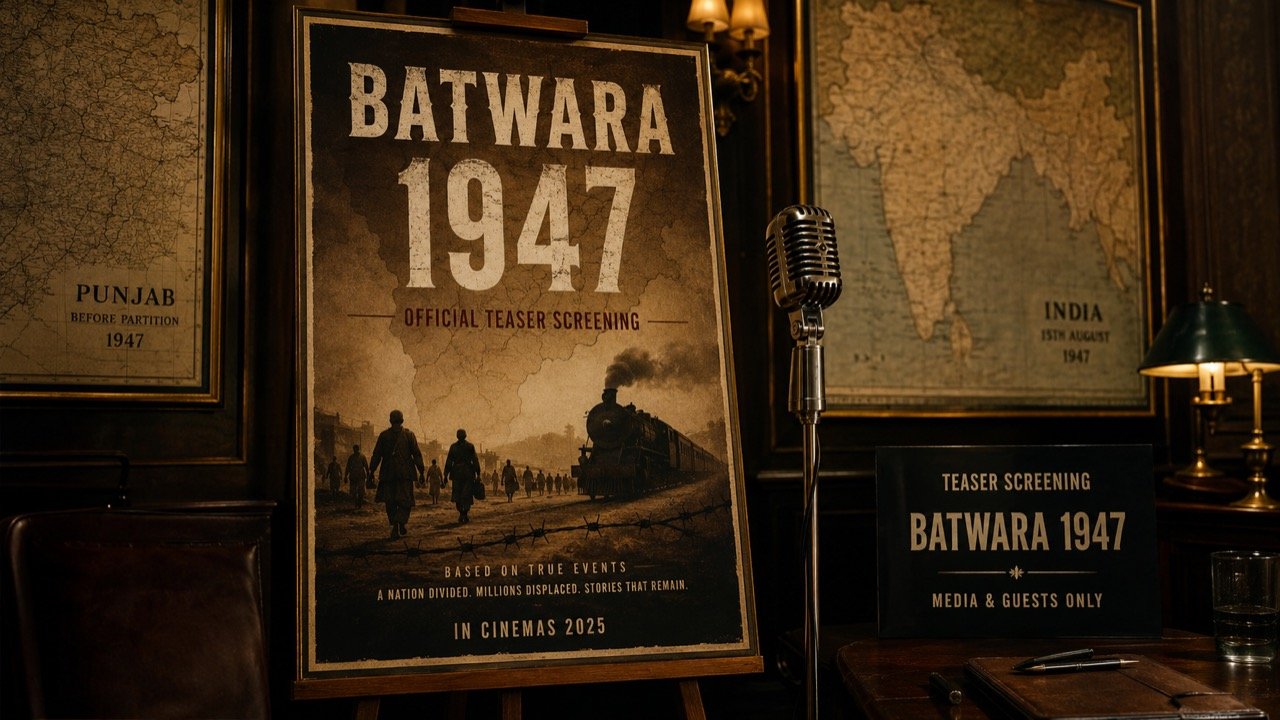
Batwara 1947 Teaser: Bobby Deol Backs Sunny Deol's Period Drama
Bobby Deol's enthusiastic response to the Batwara 1947 teaser has handed Sunny Deol's Aamir Khan Productions period drama a fresh burst of family-powered publicity ahead of its planned release.

Subash K Raj Denies Directing Chiyaan Vikram's Next After Blast
Blast director Subash K Raj has dismissed reports linking him to a Chiyaan Vikram project, saying the rumours surprised him and that his focus is on writing his next script.

Salman Khan's Eid 2027 Film Gains Buzz With Dhurandhar Action Team
Salman Khan's planned Eid 2027 entertainer with director Vamshi Paidipally and producer Dil Raju is drawing early attention, with reports that the acclaimed action unit behind Dhurandhar will design its stunts.
Raghav Juyal, Niharika NM Photos Fuel Dating Buzz Amid Film Promo
Circulating photos of Raghav Juyal and Niharika NM have set off dating speculation among fans, handing their upcoming film Bhai Tera Star Hai an unplanned extra stream of social-media attention.
More from this section
More
72nd National Film Awards: Fans Back Mammootty, Allu Arjun, Sai Pallavi
Speculation around the 72nd National Film Awards is intensifying as fan communities across India's language film industries champion favourites including Mammootty, Allu Arjun and Sai Pallavi ahead of any official announcement.

Aamir Khan Marries Gauri Spratt in Private Pali Hill Ceremony
Aamir Khan and Gauri Spratt tied the knot at the actor's Pali Hill home in Mumbai on July 5, turning a deliberately small family ceremony into Bollywood's biggest story of the day.
Akanksha Chamola's Lock Upp 2 Confession Sets Reality TV Abuzz
A personal revelation by Akanksha Chamola ahead of Lock Upp 2 has handed the reality show a viral talking point, underlining how confession-driven formats continue to dominate Indian television conversation.