Uttarakhand Gurdwara Standoff Ends Peacefully After Talks
A tense standoff at the Nagarasu gurdwara in Rudraprayag ended peacefully on Tuesday after Nihang Sikh representatives, local management and the administration held talks and the premises were vacated.
Commentary & Analysis ·
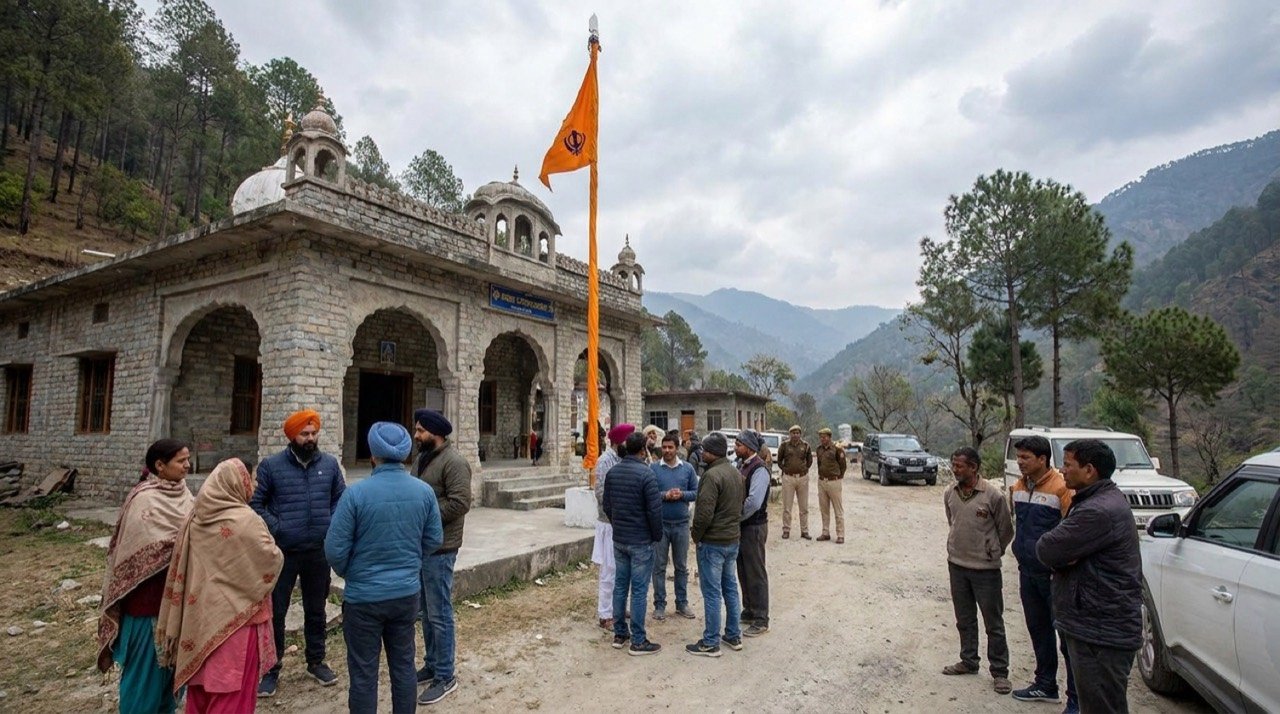
A tense standoff at the Nagarasu gurdwara in Uttarakhand's Rudraprayag district ended peacefully on Tuesday after talks involving Nihang Sikh representatives from Punjab, the local shrine management and the district administration. Officials said those who had occupied parts of the shrine left the premises, and normalcy was restored along the sensitive Badrinath Highway route. On the surface this reads as a small, localised dispute resolved without incident. Look closer, however, and it is a useful case study in how quickly disputes over religious sites can escalate, and how much depends on the choices made in the first hours of a confrontation.
How the standoff unfolded
The confrontation had built up over several days, with a group occupying sections of the gurdwara and authorities visibly wary of any escalation. The location matters enormously here. Nagarasu sits on a key pilgrimage corridor, and any disruption there carries a double cost: it threatens public order in an already sensitive district, and it risks choking the flow of pilgrims and travellers heading towards Badrinath, one of the most heavily trafficked religious routes in the Himalayan region. A prolonged blockade or a violent confrontation at such a chokepoint would not have stayed a local story for long; it would have rippled outward into the pilgrimage season's logistics and, potentially, into wider communal anxieties.
The episode did not occur in isolation. It followed earlier arrests linked to a separate confrontation in nearby Karnaprayag, which had already put local authorities on edge and raised concern about the potential for tensions to spill over from one flashpoint to another. That backdrop is important: it means the Rudraprayag administration was not managing this standoff as a one-off, but as the latest link in a chain of incidents that officials clearly feared could compound one another if handled poorly.
Dialogue defuses the crisis
Crucially, the resolution came through negotiation rather than force. Representatives of the Nihang Sikhs travelled from Punjab specifically to join discussions with the shrine's management and local officials, and the agreement that emerged saw the occupied areas vacated without violence. That detail, representatives making the journey from Punjab rather than the dispute being settled purely by local or state actors, suggests the standoff touched on questions that extended beyond Rudraprayag itself, likely bound up with broader questions of authority and custodianship within Nihang Sikh tradition and practice.
For the administration, the peaceful outcome was a genuine relief. It demonstrated that patient mediation could succeed where a heavier hand might have inflamed sentiment around a place of worship. Any use of force at a gurdwara carries risks that go well beyond the immediate site: religious sanctity, historical memory and the potential for a local dispute to be read through a much wider political and communal lens, all raise the stakes of any misstep. By choosing talks, the administration avoided images and narratives that could have travelled far beyond Rudraprayag and hardened positions rather than resolving them.
Why the choice of dialogue matters
It is worth dwelling on why negotiation, rather than enforcement action, was the right call in this instance. Standoffs at religious sites are rarely just about physical occupation of space; they are also about legitimacy, respect and the perception of fairness in how the state responds. A forceful clearing of the gurdwara, even if legally justified, could easily have been framed as heavy-handed interference in a religious matter, generating grievance that outlasts the immediate dispute. Dialogue, by contrast, allows all parties to claim a measure of dignity in the outcome: the occupiers leave voluntarily, the management retains its standing, and the administration is seen as having acted with restraint rather than aggression. This is the harder path politically, since it requires patience and a tolerance for uncertainty while talks continue, but it is generally the one more likely to hold.
Calls for calm and restraint
The state government urged calm and emphasised respect for religious places, signalling that it wanted the matter closed without recrimination. This kind of public messaging matters as much as the private negotiations themselves. It sets the tone for how the resolution is received locally, discouraging any triumphalism on one side or resentment on the other, and it reassures pilgrims and residents that the corridor remains safe to use. Authorities will nonetheless remain alert, given the earlier Karnaprayag arrests and the symbolic sensitivity of any dispute touching a gurdwara. That vigilance is warranted: a single resolved standoff does not erase the underlying currents that produced it, and officials will be conscious that the same actors, or others watching how this episode played out, could test the administration's patience again.
What this means for the pilgrimage season and beyond
The peaceful close underscores how dialogue can prevent flashpoints from spiralling, particularly along a route as busy as the Badrinath Highway during pilgrimage season, when even brief disruptions can strand travellers and strain local infrastructure. The wider hope, both for the administration and for residents of Rudraprayag, is that the goodwill generated by this resolution holds, and that respect for religious sites combined with steady, even-handed administration keeps similar tensions from resurfacing in the months ahead. That hope, however, rests on more than goodwill alone. It requires that whatever grievance led to the occupation in the first place is not simply deferred but genuinely addressed, and that lines of communication between Nihang representatives, local management and the district administration remain open rather than reactivated only in moments of crisis.
The NE Times View
A tense religious-site standoff resolved through talks rather than force deserves quiet credit, a reminder that patient negotiation still works even amid a climate of heightened sensitivity around religious institutions. The Rudraprayag administration and Nihang representatives chose dialogue over escalation, which is, in practical terms, the harder path: it demands restraint under pressure, tolerance for a slower process, and a willingness to let all sides leave with some dignity intact. That the choice was made, and that it worked, is worth noting amid a string of episodes, including the Karnaprayag arrests, that have tested the region's composure in recent weeks.
The deeper task remains unfinished. Resolving the underlying dispute over the gurdwara's control is what will determine whether this calm is durable or merely a pause. Peace bought by vacating the premises is welcome, but it is a truce, not yet a settlement. Until the substantive questions that provoked the occupation are addressed, through continued dialogue between the Nihang representatives, the shrine management and the administration, the possibility of recurrence cannot be ruled out. The measure of success here should not simply be that the highway reopened and the shrine was vacated, but whether the parties involved use this breathing space to reach an arrangement that removes the need for a repeat standoff.
Key takeaways
- The standoff at Nagarasu gurdwara in Rudraprayag ended peacefully on Tuesday after talks among Nihang Sikh representatives from Punjab, shrine management and the district administration.
- Occupied parts of the shrine were vacated without violence, and normalcy was restored along the sensitive Badrinath Highway pilgrimage route.
- The episode followed earlier arrests linked to a separate confrontation in Karnaprayag, adding to regional tension and prompting continued official vigilance.
- The state government called for calm and respect for religious places, favouring a low-key, non-recriminatory close to the episode.
- The resolution is best understood as a truce rather than a settlement, with the underlying dispute over the gurdwara's control still needing to be addressed for calm to hold.
You may also like to read
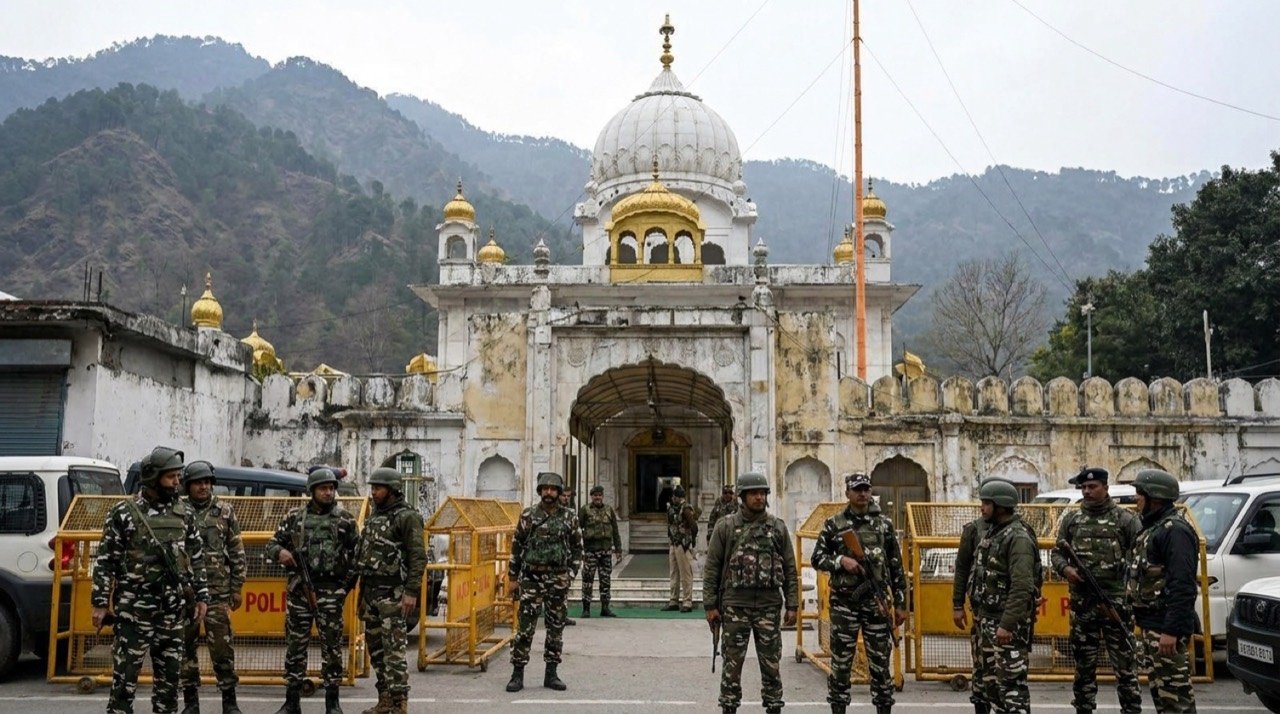
Uttarakhand's Nagrasu Gurdwara Standoff Continues as Talks Drag On
A tense standoff at a gurdwara in Nagrasu, Uttarakhand, involving Nihang Sikhs and authorities has continued for days, with hostages freed, forces deployed and negotiations still under way.
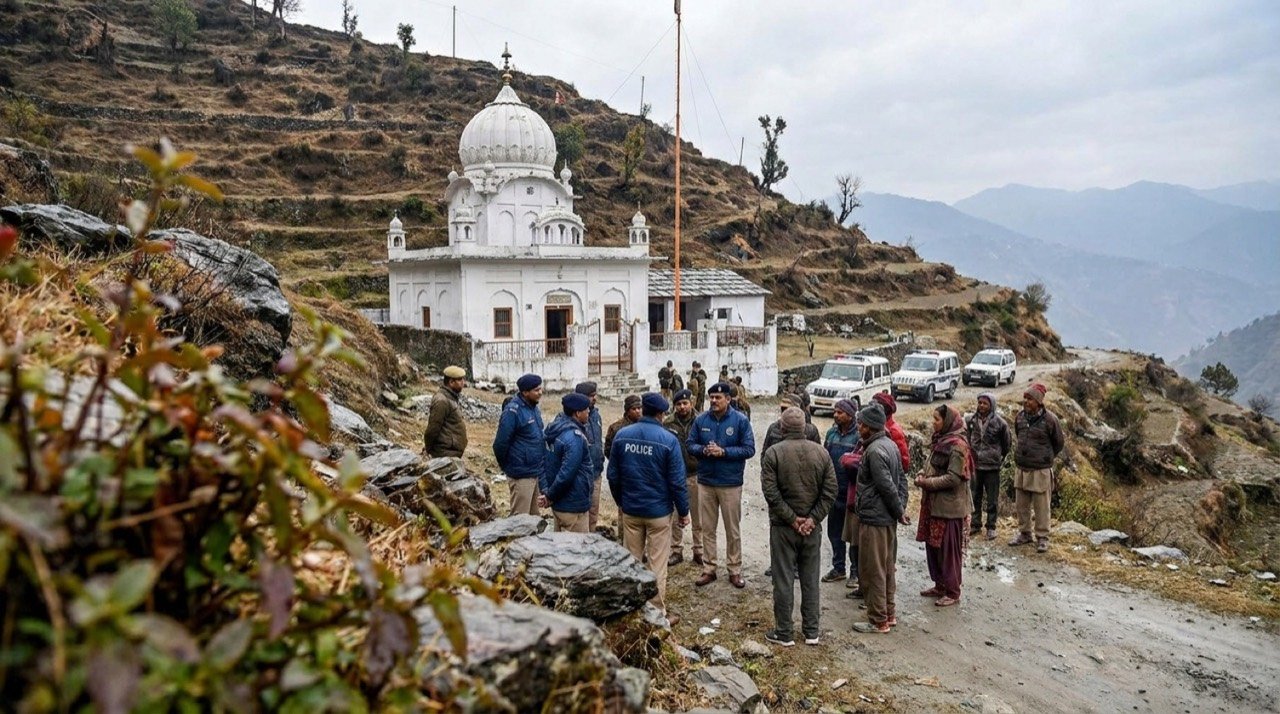
Uttarakhand Gurdwara Standoff: Karnaprayag-Nagrasu Probe Transferred Amid Nihang Sikh Tension
A reported transfer of the investigation into the Nagrasu-Karnaprayag gurdwara standoff has refocused attention on how Uttarakhand police manage sensitive religious disputes in the hills.
Thrissur Fatal Assault Exposes Alleged Brothel Probe in Kerala
The death of a 27-year-old Odisha migrant in Thrissur after a payment dispute has uncovered an alleged prostitution centre run from a rented house, raising hard questions about migrant safety and local policing.
Char Dham Yatra Crosses 20 Lakh Pilgrims as Kedarnath Rush Sets Records
Uttarakhand's high-altitude shrine circuit has drawn an unprecedented turnout this season, prompting crowd-control measures and helicopter booking curbs as June footfall climbs.
More from this section
More
AICTE Industry Fellowship 2026: Rs 1.5 Lakh Scheme Closes July 5
The AICTE Industry Fellowship Programme 2026, which places technical-education faculty inside leading companies on a Rs 1.5 lakh monthly stipend, reached its application deadline on July 5.
Bay of Bengal Low Pressure System Revives Monsoon Over Western India
A low-pressure system over the Bay of Bengal has pushed the monsoon back into an active phase, bringing steady heavy rain to Kerala, coastal Karnataka and Maharashtra, and putting Mumbai and Pune on preparedness watch.
Bishnoi Gang Suspects Injured in Haryana Encounter as Police Tighten Net
A joint Haryana-Delhi Police operation in Bahadurgarh left two suspected Lawrence Bishnoi gang members injured, spotlighting the multi-state coordination now central to India's fight against organised crime networks.