Supreme Court Draws a Line Around Collegium Scrutiny
A Supreme Court ruling that collegium recommendations are not ordinary records open to judicial scrutiny has sharpened India's long-running debate over transparency in judicial appointments.
Commentary & Analysis ·
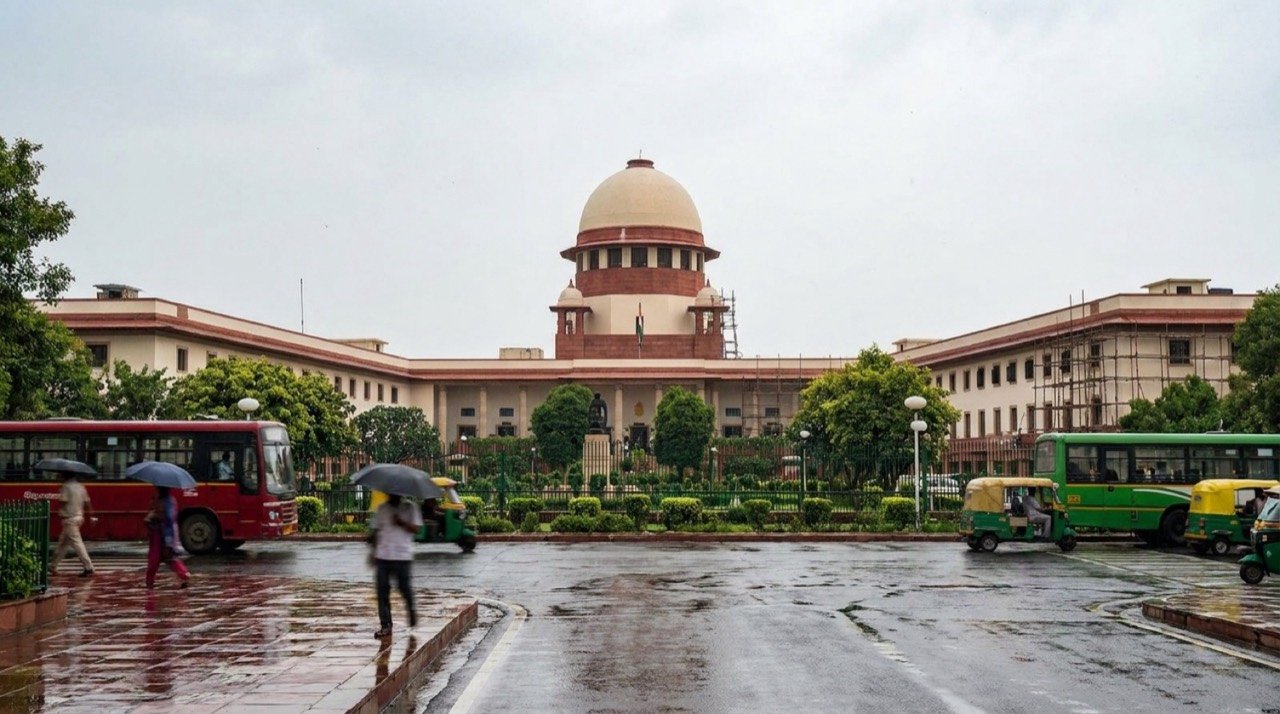
A Supreme Court decision reported on Tuesday has drawn fresh attention to the boundary between transparency and judicial independence in the collegium system, the mechanism through which India's senior judges are selected. The ruling speaks directly to how much of that process can be examined after the fact.
What the court held
According to Times of India, the court said collegium recommendations and consultation material cannot be treated as ordinary records open to judicial scrutiny or routine disclosure in the way litigants might seek. In effect, the deliberations that lead to a recommendation are placed beyond the reach of standard demands for production of documents.
The position shields the candid exchanges between judges from being unpacked in subsequent litigation, drawing a clear line around what is and is not subject to examination once an appointment process has run its course.
Why judicial appointments are contested
Judicial appointments remain one of India's most debated constitutional processes. The collegium, a body of senior judges, recommends candidates for elevation to the High Courts and the Supreme Court, and the opacity of its reasoning has long been a point of friction between advocates of openness and defenders of institutional autonomy.
Successive attempts to reform or replace the system have kept the question politically live, ensuring that any ruling touching on its workings is parsed for wider significance.
Transparency versus confidentiality
Advocates of transparency argue that public trust improves when the reasons behind appointments are clearer, allowing scrutiny of how merit and seniority are weighed. Defenders of confidentiality counter that candid consultation is essential to protect judicial independence and the reputations of those considered, and that disclosure would chill honest assessment.
- The court said collegium recommendations are not ordinary records open to scrutiny.
- Consultation material is shielded from routine disclosure sought by litigants.
- Judicial appointments remain among India's most contested constitutional processes.
- Transparency advocates say openness strengthens public trust.
- Defenders of confidentiality say candor protects independence and reputations.
“Collegium recommendations and consultation material cannot be treated as ordinary records open to judicial scrutiny or routine disclosure.”
— Supreme Court, as reported by Times of India
The ruling will be read closely by lawyers, RTI users and court-watchers, because it affects how much of the appointment process can be examined later. Whether it settles the transparency debate or simply redraws its battle lines, it reinforces that the collegium's internal reasoning will, for now, remain largely out of public and judicial view.
The NE Times View
Shielding collegium recommendations from ordinary record-disclosure protects the candour of judicial deliberation, but it also deepens the opacity that has long dogged how judges pick judges. The court has chosen institutional autonomy over public visibility. The NE Times View: insulation from scrutiny is defensible only if the collegium volunteers transparency elsewhere; otherwise this ruling hardens the perception that the judiciary asks of itself far less accountability than it demands of everyone else.
This article is original commentary and analysis by The NE Times. Background facts were referenced from Times of India and the Supreme Court of India.
You may also like to read
Supreme Court Refuses to Review Collegium Recommendation Process
The Supreme Court declined a Himachal Pradesh judicial officer's plea, warning that scrutiny of confidential collegium deliberations could open a difficult precedent in judicial appointments.

Supreme Court Notes CBSE Policy for West Asia Class 12 Students, Disposes Plea
The Supreme Court closed a Saudi Arabia-based candidate's petition after the Centre cited a fresh CBSE policy to declare Class 12 results for West Asian students whose board exams were cancelled amid regional conflict.
Supreme Court Pulls Up CARA Over Adoption Delays For Waiting Families
The Supreme Court has questioned an alleged obstructionist approach by the Central Adoption Resource Authority, spotlighting the long delays faced by children and prospective parents seeking permanent families.

Supreme Court Strength Rises To 37 As Five New Judges Take Oath
The Centre has notified the appointment of five new judges to the Supreme Court, lifting its working strength to 37 and including a rare direct elevation from the Bar.
More from this section
More
AICTE Industry Fellowship 2026: Rs 1.5 Lakh Scheme Closes July 5
The AICTE Industry Fellowship Programme 2026, which places technical-education faculty inside leading companies on a Rs 1.5 lakh monthly stipend, reached its application deadline on July 5.

Bay of Bengal Low Pressure System Revives Monsoon Over Western India
A low-pressure system over the Bay of Bengal has pushed the monsoon back into an active phase, bringing steady heavy rain to Kerala, coastal Karnataka and Maharashtra, and putting Mumbai and Pune on preparedness watch.
Bishnoi Gang Suspects Injured in Haryana Encounter as Police Tighten Net
A joint Haryana-Delhi Police operation in Bahadurgarh left two suspected Lawrence Bishnoi gang members injured, spotlighting the multi-state coordination now central to India's fight against organised crime networks.