Shiv Panditt Returns to Kollywood With Layered Role in Sigma
Shiv Panditt is back in Tamil cinema with a reportedly layered, darker character in Sigma, a casting choice that positions the actor well away from conventional hero or supporting-role publicity.
Commentary & Analysis ·
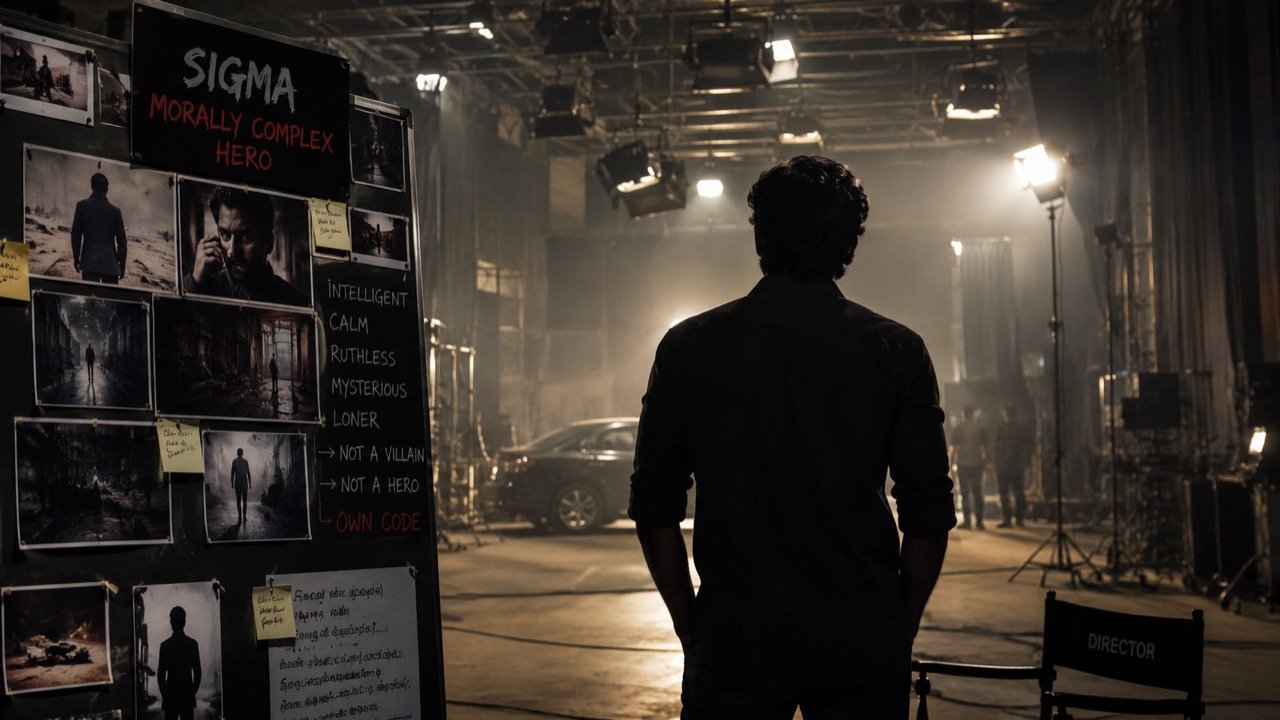
Shiv Panditt is stepping back into Tamil cinema with Sigma, and the early word frames it as more than a routine comeback. The Times of India reports that the actor plays a layered character in the film, a performance-led angle that immediately sets the project apart from standard hero-and-sidekick publicity. In an industry where casting announcements are often reduced to a single glamour photograph and a release date, the specific mention of a layered role is itself a signal worth reading closely. It suggests that whoever is shaping Sigma's marketing believes the character, not the star wattage, is the selling point, and that is a notable departure from the way comebacks are usually framed.
Why a darker persona is a smart bet
Tamil cinema has increasingly rewarded actors who can carry morally complex parts, whether in mainstream vehicles or genre-driven films. A darker, more ambiguous screen persona gives Sigma a stronger hook: it signals that the film may lean on psychological tension, character conflict or an anti-hero texture rather than simple plot mechanics. This is not a small distinction. Films built around ambiguity ask more of their scripts and their actors, and they tend to generate the kind of word-of-mouth that a straightforward good-versus-evil narrative rarely does. For Panditt, who has moved between Hindi and southern industries, that kind of role is a chance to be remembered for craft rather than category. An actor who has worked across languages without settling into a single defined image often benefits most from a part that lets audiences reassess what he is capable of, rather than one that simply repeats a familiar type.
There is also a practical calculation embedded in this choice. Darker, character-driven roles carry lower commercial risk for a returning actor than attempting to slot into a conventional leading-man mould against established Kollywood stars. A well-written antagonist or morally grey figure can dominate a film's conversation without needing to open the picture on box-office terms, which makes it a sensible entry point for an actor re-establishing himself in a market he has stepped away from.
Cross-industry casting comes of age
The casting also reflects how pan-Indian movement is no longer reserved for large event films. Actors now cross industries for specific parts, and regional audiences tend to respond warmly when the role feels purposeful rather than ornamental. A well-written character part in a Tamil film can do more for an actor's standing than a decorative appearance in a bigger production. This marks a meaningful shift from an earlier era, when cross-industry casting was largely confined to a handful of marquee names appearing in splashy multi-crore productions designed explicitly to travel across states. What Sigma represents, at least on the evidence available, is a quieter and arguably more durable version of that same trend: mid-career actors moving to wherever the material is strongest, rather than waiting for a mega-budget vehicle to justify the move.
This has implications beyond any single actor or film. If casting directors across languages are increasingly willing to look outside their home industry for a specific character fit, it widens the pool of talent available to writers and directors, and it puts pressure on regional star systems that have traditionally protected their own hierarchies. Audiences, for their part, appear less bothered by an actor's industry of origin than by whether the performance serves the story. That audience indifference to origin is precisely what makes this kind of casting increasingly viable.
What remains unconfirmed
Details of Sigma's plot remain under wraps, and the reported casting update is the extent of what has been confirmed so far. Further specifics about the story and the rest of the ensemble are expected as the film moves through production and promotion. That absence of detail is worth sitting with rather than filling in with speculation. It means judgments about Sigma's ambitions, tone or eventual reception are necessarily provisional. What can be said with confidence is limited to the fact of the casting itself and the framing that has accompanied it, namely that this is being presented as a substantive role rather than a cameo or a nostalgia play.
For an industry-watcher, the more interesting story may not be Sigma's plot but the pattern its casting fits into. Every project of this kind that performs well on the strength of a character part, rather than a star turn, makes the next such casting decision easier to justify to financiers and producers who are naturally risk-averse.
The NE Times View
Panditt's Sigma casting is a small data point in a big shift: Indian cinema's talent market is genuinely national now, and character-driven roles are the currency that moves actors across language borders. That is good news for audiences, who get sharper films when parts are cast for fit rather than familiarity, and good news for mid-career actors who no longer need a home industry's star system to stay relevant. It also quietly raises the bar for what a comeback is expected to look like. A returning actor no longer needs a big commercial swing to justify the move; a well-defined character can do the same work, and arguably do it more convincingly.
The test will be whether Sigma gives Panditt real material or merely a brooding poster. That distinction will only become clear once more details of the film, its script and its director's intent become public. Marketing language about a layered character is, after all, cheap to produce and easy to overstate; delivering on it in the finished film is a different matter entirely. If it is the former, expect more Mumbai-based names to seek out Kollywood's writers rather than the other way around, reversing a flow of talent that for decades ran predominantly from the regional industries toward Hindi cinema's larger commercial stage.
Key takeaways
- Shiv Panditt is returning to Tamil cinema in Sigma, reportedly playing a layered, character-driven role rather than a conventional lead part.
- A morally ambiguous or darker persona lowers commercial risk for a returning actor while offering a stronger narrative hook than a standard hero role.
- The casting reflects a broader trend of actors moving across language industries for specific parts, not just for large pan-Indian event films.
- Plot details and the rest of the cast remain unconfirmed, meaning judgments about the film's ambitions are necessarily provisional for now.
- If Sigma delivers on its character-driven promise, it could encourage more Hindi-industry actors to actively pursue roles written by Kollywood's writers.
You may also like to read

K Bhagyaraj: Screenplay Master Who Shaped Tamil Cinema Storytelling
The passing of veteran actor, writer and director K Bhagyaraj has prompted a wider reassessment of his screenplay craft and the lasting imprint he left on mainstream Tamil film language.

Delivery Boy Teaser Launched by Vijay Sethupathi Ahead of July Release
Vijay Sethupathi has unveiled the teaser of Tamil action thriller Delivery Boy, giving the Leo Sivakumar starrer a visibility boost ahead of its planned July theatrical release under debutant director Nani.
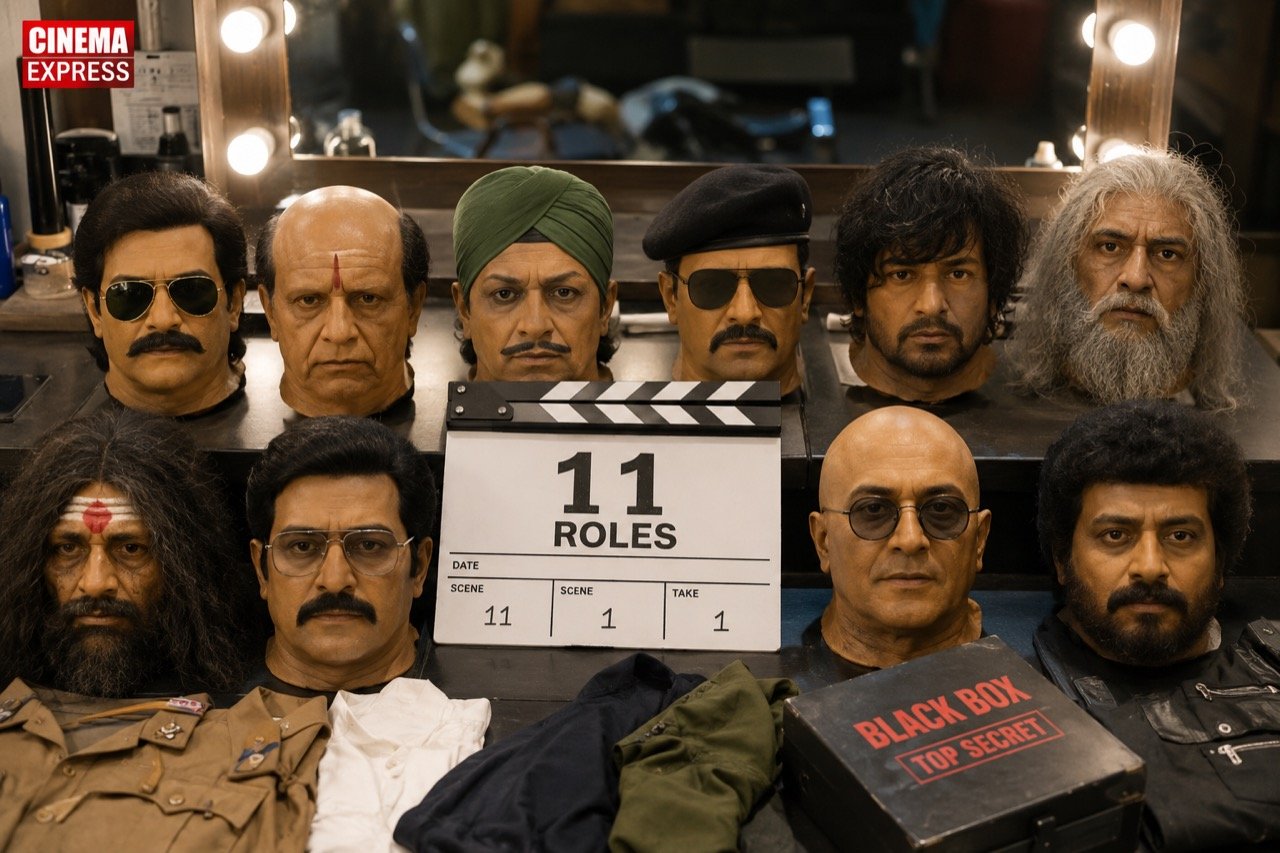
Yogi Babu to Play 11 Roles in Action Thriller, Tamil Cinema Abuzz
Reports that comedian-turned-leading-man Yogi Babu will take on eleven roles in a new action thriller have made the project one of Tamil cinema's most talked-about experiments this week.
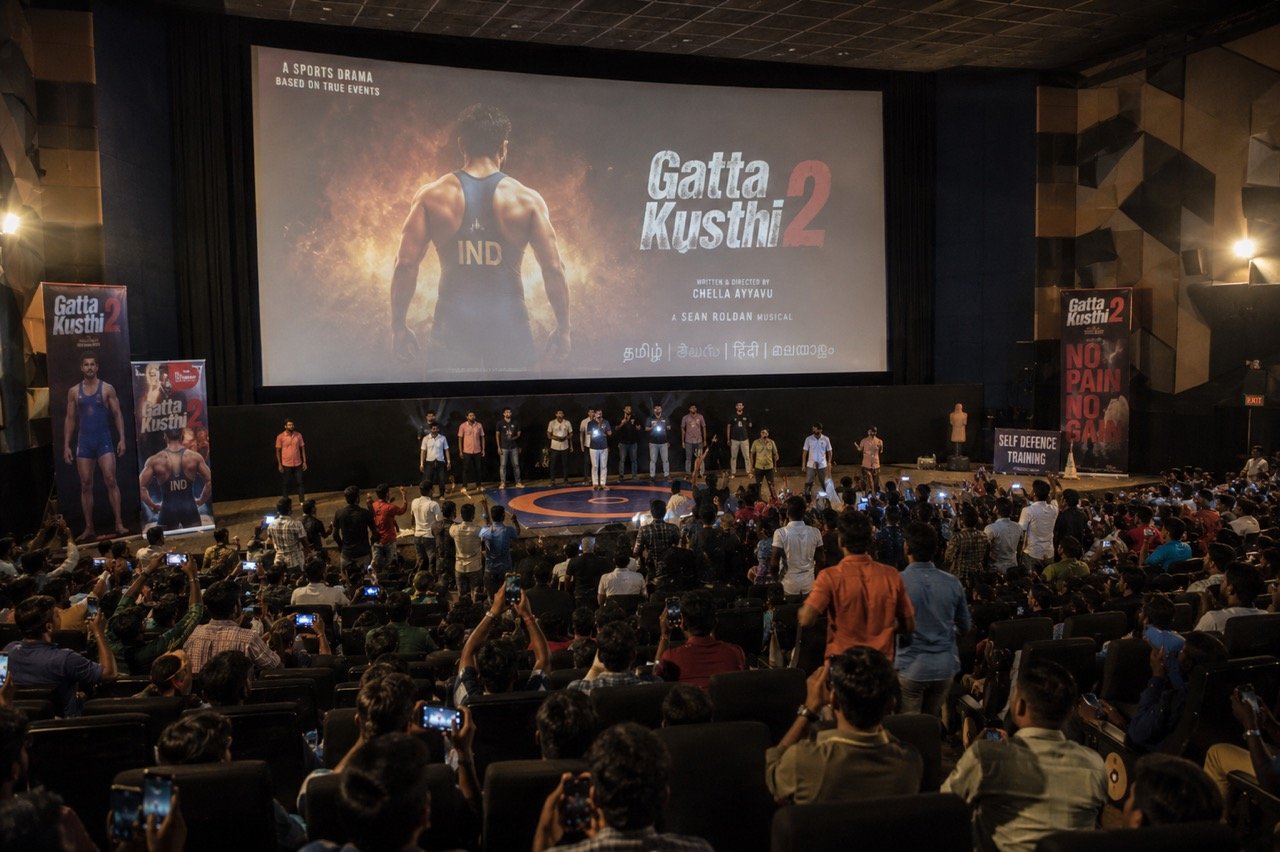
Gatta Kusthi 2 Buzz: Screening Puts Tamil Sports Sequel in Focus
Fresh screening coverage has pushed Gatta Kusthi 2 back into Tamil cinema conversations, spotlighting the wrestling franchise's mix of sport, humour and its running commentary on women's agency.
More from this section
More
72nd National Film Awards: Fans Back Mammootty, Allu Arjun, Sai Pallavi
Speculation around the 72nd National Film Awards is intensifying as fan communities across India's language film industries champion favourites including Mammootty, Allu Arjun and Sai Pallavi ahead of any official announcement.

Aamir Khan Marries Gauri Spratt in Private Pali Hill Ceremony
Aamir Khan and Gauri Spratt tied the knot at the actor's Pali Hill home in Mumbai on July 5, turning a deliberately small family ceremony into Bollywood's biggest story of the day.

Akanksha Chamola's Lock Upp 2 Confession Sets Reality TV Abuzz
A personal revelation by Akanksha Chamola ahead of Lock Upp 2 has handed the reality show a viral talking point, underlining how confession-driven formats continue to dominate Indian television conversation.