Raveena Tandon: Women in Comedies Deserve More Than Glamour
Raveena Tandon's remark that women in Hindi comedy films are too often reduced to glamorous catalysts has reopened a pointed industry debate about writing, screen space and who gets the punchlines.
Commentary & Analysis ·
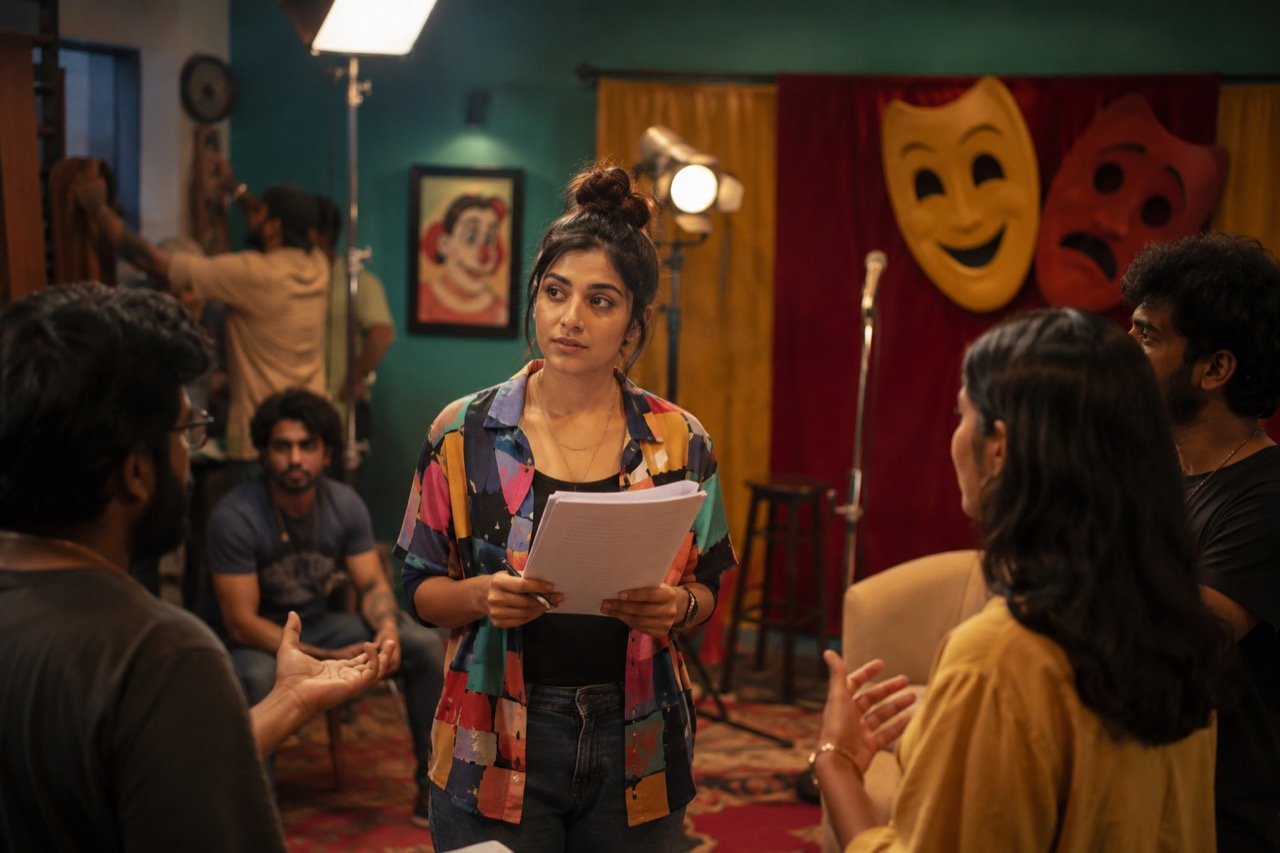
Raveena Tandon has put her finger on one of Hindi cinema's oldest habits. In remarks reported by Hindustan Times, the veteran actor said women in comedy films are too often reduced to glamorous catalysts — present to trigger the plot or decorate the frame, but rarely trusted to drive the humour themselves. It is a simple observation, but it lands because it describes a pattern audiences have half-noticed for years without quite naming it: the woman in the comedy is there to be looked at and reacted to, not to be the source of the laughter.
A familiar shape to Hindi comedy
Mainstream Hindi comedy has long been built around male ensembles. The template is recognisable across decades of commercial cinema — a group of men driving the misunderstandings, the slapstick, the one-liners, while the women in the cast function as romantic interests, moral anchors, or simply glamorous presences whose job is to react to the chaos rather than generate it. The comic engine belongs to the men; the women largely respond to it, prompt it, or get swept along by it. Tandon's comment names this structure precisely: women are treated as catalysts for comedy, not participants in it. That distinction matters, because a catalyst can be replaced by any number of plot devices, whereas a comic participant has to be written with wit, timing and interiority.
A view backed by lived experience
Tandon's perspective carries particular weight because her own career spans mainstream comedy, drama and star-led commercial cinema. She is not an outside observer offering a theoretical critique of an industry she has never worked in; she has worked inside the very machinery she is describing. That lends her remarks a credibility that a purely academic argument might lack. Her point, importantly, is not that women cannot be funny. Indian film and television have proven the opposite many times over, with performers who have shown sharp comic timing whenever scripts have actually asked it of them. Her argument is narrower and, in some ways, more damning: it is not a talent gap but a writing gap. Scripts, producers and directors rarely give female performers the room to shape the comedy rather than merely serve it. The talent, in other words, has rarely been the bottleneck. The opportunity has been.
Why this is a structural problem, not a blame game
The fairer reading of Tandon's comments is structural rather than accusatory. No single film created this pattern, and it would be a mistake to single out particular titles as the culprits, because doing so misses the point entirely. The issue sits upstream, in writing rooms and casting decisions, where comic roles for women are conceived narrowly long before a camera ever rolls. If a script is drafted with the assumption that the laughs will come from a male ensemble, then no amount of good performance from a female lead can retrofit genuine comic agency into the part. The constraint is baked in at the conception stage, not the execution stage. This is precisely why the fix Tandon is implicitly calling for cannot simply be "cast a good comic actress" — it has to be "write women into the architecture of the joke," which is a decision made by writers, showrunners and producers well before casting begins.
The timing of the intervention
With Bollywood reviving several large comedy franchises in 2026, the timing of Tandon's intervention is significant. The industry is, right now, actively deciding what kind of humour it wants to build next as these franchises return to production slates. Franchise revivals are, in a sense, a rare moment of structural flexibility: writers' rooms are being reconvened, character arcs are being reconsidered, and decisions are being made about which actors get which kind of material. That makes this an unusually good moment for producers to either lock in the old formula for another decade or to deliberately widen who gets to be funny on screen. A franchise revival is also, commercially, a lower-risk place to experiment than an entirely new property, because the underlying brand recognition and audience goodwill are already established — which means there is less excuse for falling back on the safest, most familiar comic structure purely out of risk aversion.
The commercial case alongside the creative one
It is worth stressing that Tandon's argument is not purely a moral or representational one; there is a commercial logic sitting alongside it. Audiences do not switch off when a woman is given the funniest lines in a scene — if anything, the novelty and freshness of a genuinely funny female character can be a point of differentiation in a marketplace saturated with formulaic ensemble comedies. An industry that is constantly searching for fresh angles, fresh trailers, fresh marketing hooks, has an underused resource sitting in plain sight: half its cast has historically been underwritten for comic potential. Better parts for female performers are not a favour extended reluctantly for the sake of optics; they are, on Tandon's logic, simply better writing, and better writing tends to travel further with audiences.
What stakeholders might take from this
For writers and showrunners, the implication is to interrogate scripts at the drafting stage and ask whether female characters are structurally capable of driving a scene's comedy, not just reacting to it. For producers greenlighting the 2026 franchise revivals, the implication is that this is a low-cost, high-visibility moment to signal a shift, since franchise properties already carry audience trust and do not need to prove their basic commercial viability from scratch. For casting directors, it means recognising that comic actresses have rarely lacked ability — they have lacked material that trusts them with the joke. And for audiences and critics, Tandon's remarks offer a useful diagnostic to apply retrospectively and prospectively: when watching a comedy, it is worth noticing who gets to make the joke and who merely responds to it.
The NE Times View
Raveena Tandon has said out loud what audiences have quietly noticed for decades, and her timing could hardly be better. As comedy franchises return to production slates in 2026, producers face a genuine choice between recycling the old male-ensemble formula and writing women as full comic participants. The commercial case is on her side — some of Indian entertainment's biggest recent successes have been carried by funny, fully written female characters. The industry that claims to chase fresh content now has a clear, inexpensive place to find it: better parts for half its talent pool. Whether this moment is used to genuinely widen who gets to be funny, or simply passes as a talking point before the same old ensembles return to screens, will say a good deal about how seriously Bollywood takes its own claims of reinvention.
Key takeaways
- Raveena Tandon, in remarks reported by Hindustan Times, said women in Hindi comedy films are typically used as glamorous catalysts rather than trusted to drive the humour themselves.
- Her critique targets structural, upstream decisions in writing and casting rooms rather than any single film or filmmaker.
- Tandon's own career across mainstream comedy, drama and commercial cinema gives her observation added credibility.
- The remarks arrive as Bollywood revives several major comedy franchises in 2026, a moment when writing-room decisions are actively being made.
- The NE Times View holds that better-written comic roles for women represent both a creative correction and a commercially sound choice for an industry seeking fresh content.
You may also like to read
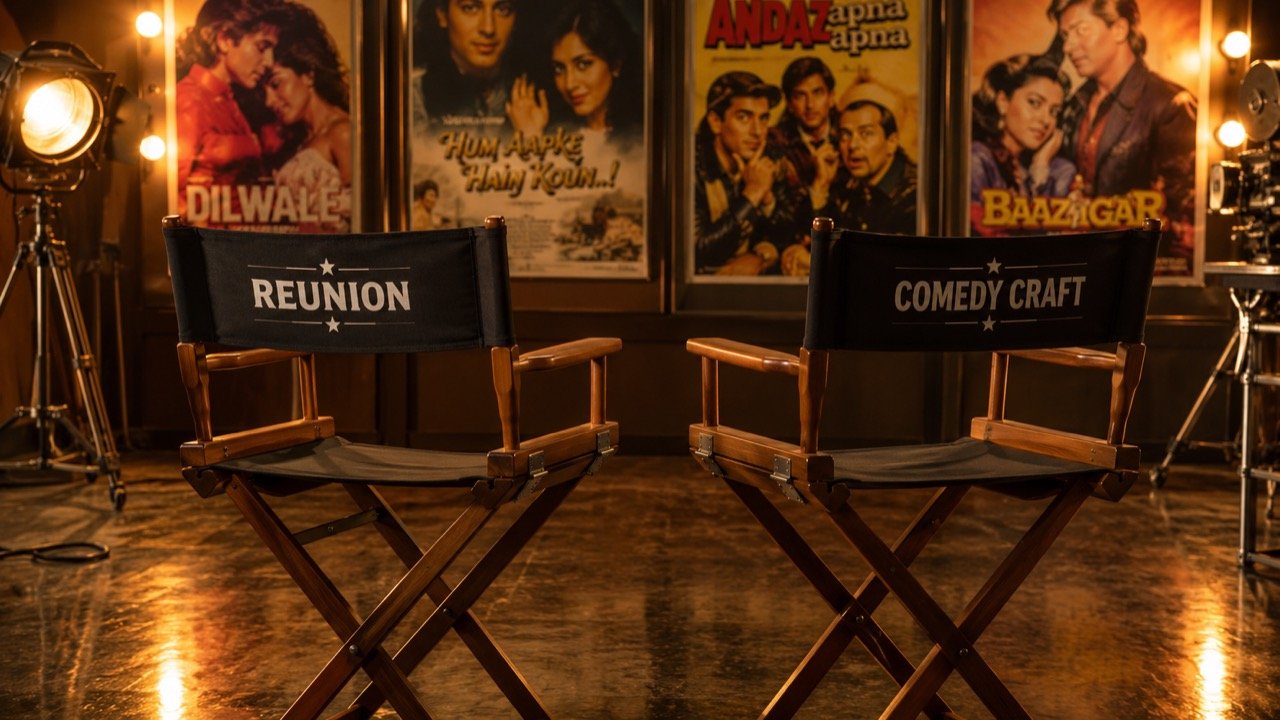
Raveena Tandon on Akshay Kumar Reunion: Old Camaraderie Clicked Again
Raveena Tandon says her on-screen chemistry with Akshay Kumar clicked back into place on Welcome To The Jungle, giving the comedy a nostalgia angle while she insists the genre is demanding craft, not casual energy.
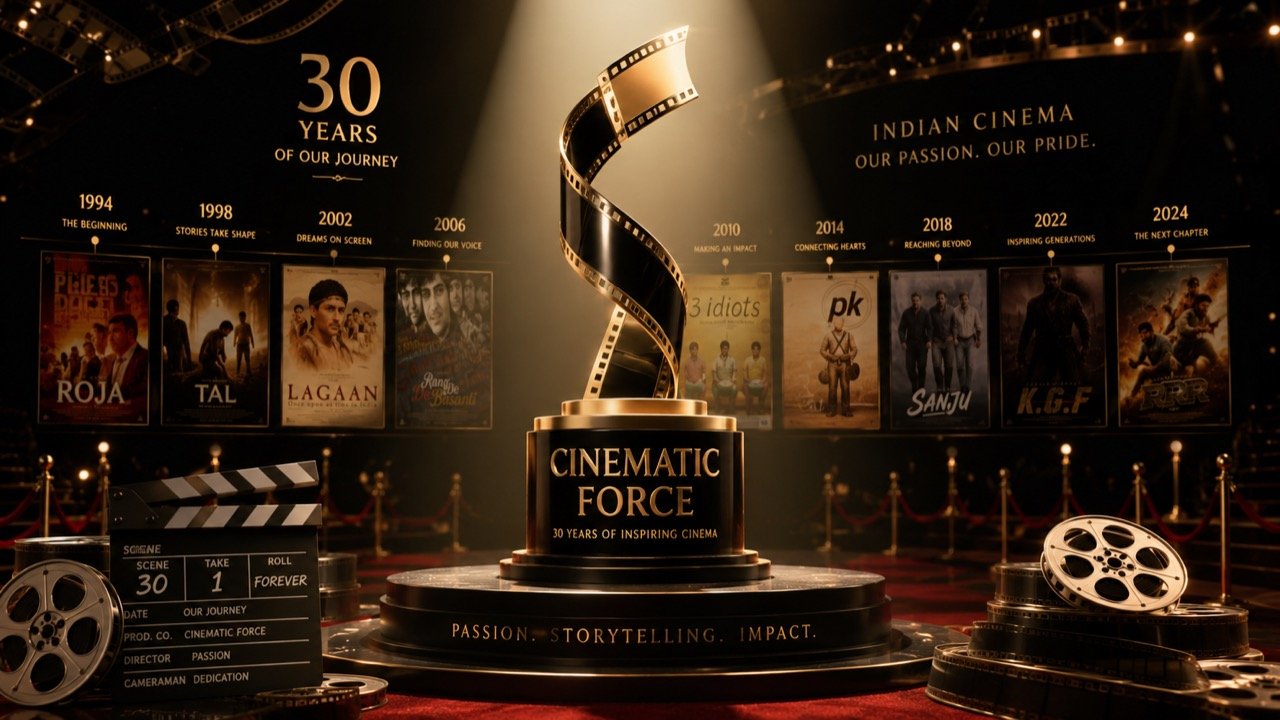
Kajol Honoured as Cinematic Force After Three Decades of Reinvention
Kajol's recognition as a cinematic force has renewed attention on a three-decade Hindi film career built on defying the conventional leading-lady mould, from commercial romances to OTT-era reinvention.

Aamir Khan Confirms July 5 Wedding to Gauri Spratt: 'The News About the Marriage Is True'
The 61-year-old superstar has put months of speculation to rest, confirming an intimate registered marriage to longtime partner Gauri Spratt at his Mumbai home, with no grand celebration planned.
Aamir Khan's quiet July 5 wedding becomes Bollywood's big story
Reports that Aamir Khan has confirmed an intimate July 5 ceremony with Gauri Spratt have captivated Bollywood watchers precisely because the star is choosing privacy over spectacle.
More from this section
More
72nd National Film Awards: Fans Back Mammootty, Allu Arjun, Sai Pallavi
Speculation around the 72nd National Film Awards is intensifying as fan communities across India's language film industries champion favourites including Mammootty, Allu Arjun and Sai Pallavi ahead of any official announcement.
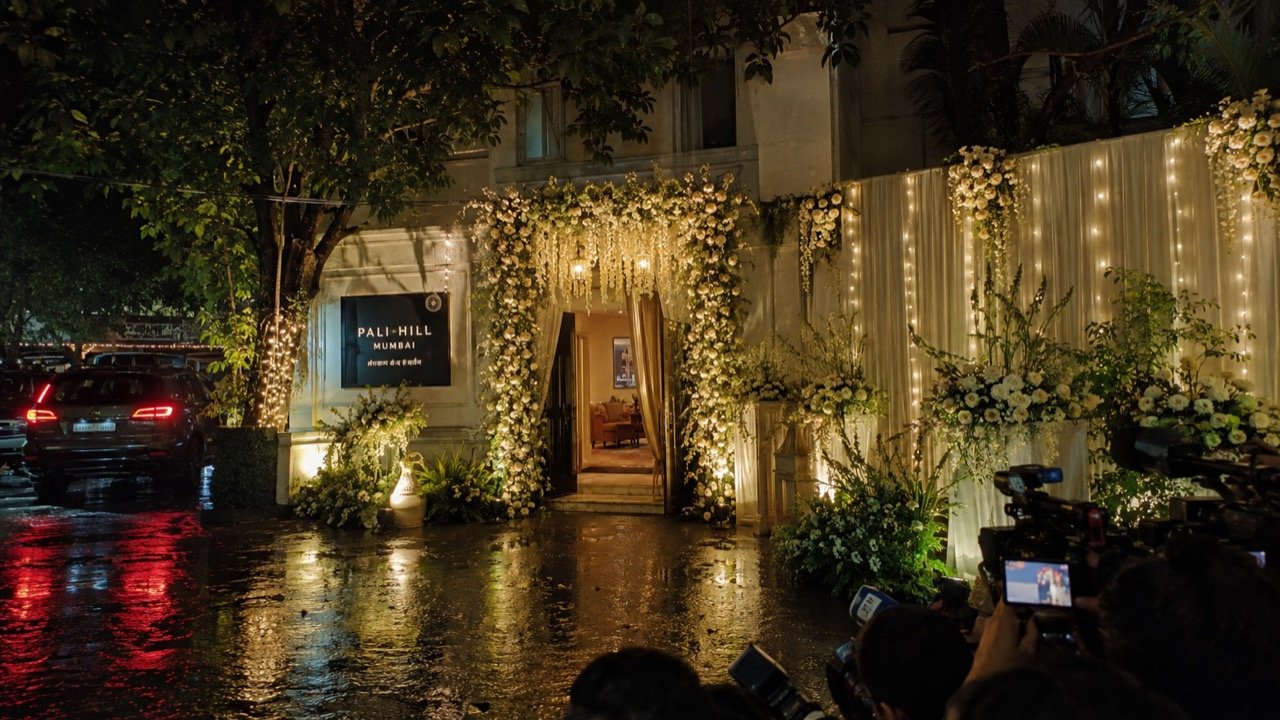
Aamir Khan Marries Gauri Spratt in Private Pali Hill Ceremony
Aamir Khan and Gauri Spratt tied the knot at the actor's Pali Hill home in Mumbai on July 5, turning a deliberately small family ceremony into Bollywood's biggest story of the day.
Akanksha Chamola's Lock Upp 2 Confession Sets Reality TV Abuzz
A personal revelation by Akanksha Chamola ahead of Lock Upp 2 has handed the reality show a viral talking point, underlining how confession-driven formats continue to dominate Indian television conversation.