Assam Case Shows PAN and Voter Cards Are Not Citizenship Proof
A man declared a foreigner in Assam despite holding multiple identity documents has highlighted a crucial legal distinction: everyday IDs establish identity, not citizenship, when a person's legal status is challenged.
Commentary & Analysis ·

A case in Assam, reported by Hindustan Times, in which a man was declared a foreigner despite holding multiple identity documents has put fresh attention on a crucial civic point: documents such as PAN cards and voter cards may establish identity or administrative presence, but they are not automatically accepted as proof of citizenship in legal proceedings. The distinction matters because most Indians use everyday documents interchangeably. A voter card enables voting, a PAN card serves taxation, and other IDs unlock banking, employment and welfare access. Citizenship determination, however, can demand an entirely different evidentiary standard, a difference that becomes urgent the moment a person's legal status is questioned.
What a document proves, and what it does not
For citizens, the central issue is clarity: understanding what a given document proves, what it does not, and why the same record can carry different weight in different forums. A voter card, issued by the Election Commission, confirms enrolment on an electoral roll at a point in time. A PAN card, issued for tax purposes, confirms that a taxpayer identity has been registered with the income tax department. Neither was designed as a birth or lineage record, and neither was built to withstand the scrutiny a citizenship tribunal applies. The Assam case illustrates how that gap can upend a life when authorities apply the stricter standard, treating documents that most Indians regard as conclusive proof of who they are as, at best, secondary or supporting material.
This is not a technical quibble. It goes to the heart of how ordinary people understand their relationship with the state. A person who has voted in every election, paid taxes diligently, and held a bank account for decades may reasonably assume that the accumulation of official paperwork amounts to settled proof of belonging. The Assam case shows that assumption can collapse entirely in a specific legal setting, with consequences far more serious than a bureaucratic inconvenience.
Why the evidentiary bar is different for citizenship
Citizenship proceedings, particularly those before foreigner tribunals, typically look for documents that establish lineage and continuous residence going back generations, not merely current identity. This is a fundamentally different exercise from producing a card that verifies who you are today. It requires linking a person, often through parents or grandparents, to historical records such as land papers, legacy documents, or electoral rolls from decades past. The purpose of PAN cards and voter cards is administrative convenience in the present; the purpose of a citizenship inquiry is historical verification. Conflating the two, as many citizens understandably do, is where the danger lies.
The burden on families and the poorest
The case also raises public-interest questions about access to legal help and record preservation. Families frequently rely on old land papers, legacy documents, school certificates or parental records to establish lineage. When such records are missing, inconsistent or difficult to retrieve, the burden of proof can become overwhelming for ordinary people. Rural families, migrant labourers, and those who have moved across state lines for work are especially vulnerable, since the very records tribunals demand are often the hardest for such families to preserve or produce decades later. A single missing document, a misspelt name across generations of paperwork, or a lost land record can be enough to place a person's entire legal status in jeopardy, regardless of how many current-day identity cards they hold.
This unevenness in exposure means the practical risk of documentation gaps is not distributed equally across society. Those with resources can often engage lawyers, track down archival records, or navigate appeals; those without such resources face the prospect of statelessness with far fewer tools to defend themselves.
Guarding against overgeneralisation
Responsible coverage must resist turning one case into a sweeping conclusion about any community or region. The procedural angle is the fair one: identity systems are complex, and authorities owe citizens clearer communication about what constitutes acceptable proof. It would be a mistake to read this single case as evidence of a broader pattern targeting any particular group, just as it would be a mistake to dismiss it as an isolated anomaly with no lessons for the wider public. The more useful takeaway is structural: India's identity document ecosystem was built for multiple, disconnected administrative purposes, and citizens are left to discover, often too late, that these purposes do not automatically align with the legal test applied in citizenship determinations.
What citizens and policymakers should watch next
For ordinary citizens, the practical lesson is to treat historical family records, land documents, and legacy papers as seriously as any modern identity card, preserving them carefully rather than assuming that a PAN card or voter card will suffice if citizenship is ever questioned. For policymakers, the case is a prompt to consider whether clearer, standardised guidance on acceptable citizenship documentation should be published well before individuals find themselves before a tribunal, rather than being clarified only in the course of adversarial proceedings. Access to legal aid for those facing such tribunals is another area likely to draw continued attention, given how directly it affects whether individuals without resources can meaningfully contest a foreigner determination.
The NE Times View
This case is a warning that India's documentation architecture has a dangerous blind spot. Citizens are encouraged to accumulate cards for every transaction, yet none of those cards may protect them in the one proceeding where the stakes are highest. The state should publish, in plain language and every major Indian language, exactly which documents carry citizenship weight and how families can secure them. Equally, legal aid must reach those facing foreigner tribunals, because the burden of proof falls heaviest on the poorest and least documented. Paperwork is not bureaucratic trivia, it is the difference between security and statelessness.
Key takeaways
- PAN cards and voter cards establish identity or administrative presence but are not automatically accepted as citizenship proof in tribunal proceedings.
- Citizenship determinations demand historical lineage and residence records, a different evidentiary standard from everyday identity documents.
- Families lacking land papers, legacy documents or parental records face a disproportionate and often overwhelming burden of proof.
- The poorest and least documented citizens are most exposed to the risk of being caught by this documentation gap.
- Clearer, plain-language guidance on acceptable citizenship documents and wider access to legal aid are needed to prevent avoidable hardship.
You may also like to read
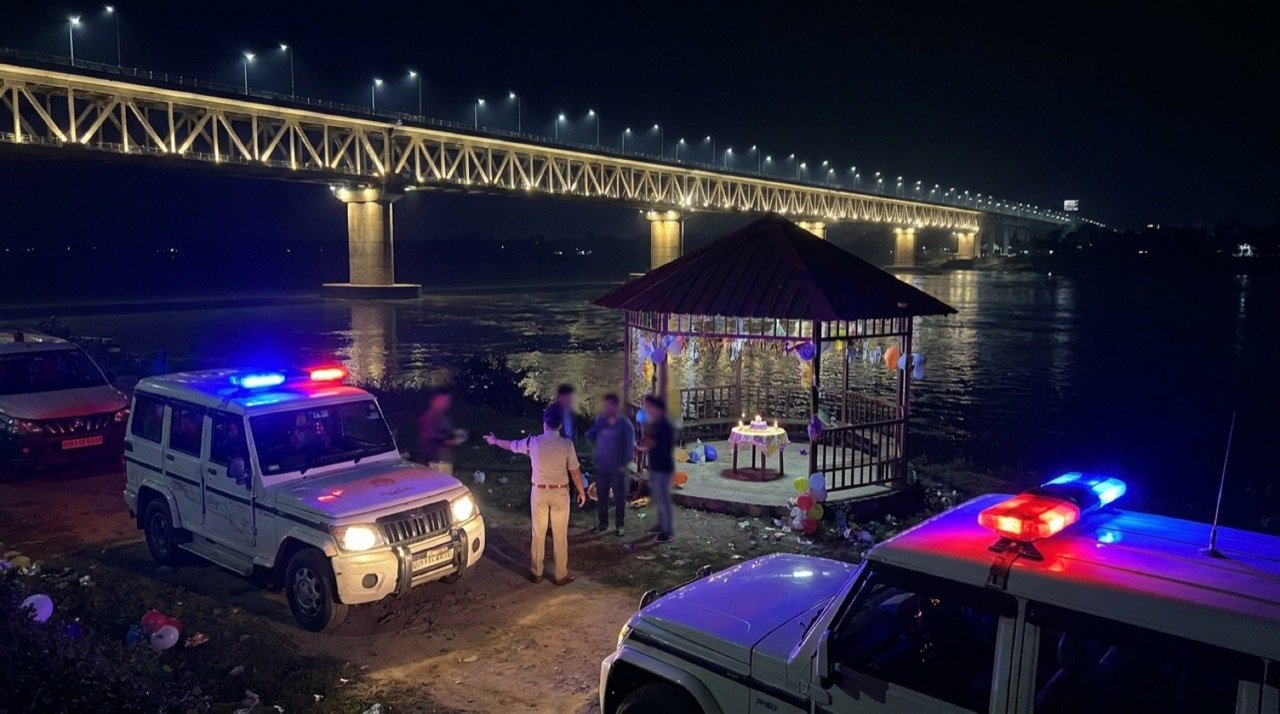
Guwahati Bridge Birthday Party Lands 14 in Legal Trouble as Assam Cracks Down
Assam authorities have booked 14 people after a late-night birthday party with luxury cars on Guwahati's Kumar Bhaskar Varma Bridge, framing the viral stunt as a public-safety and traffic hazard.
Supreme Court Issues Notice on Bail Plea in Zubeen Garg Death Case
The Supreme Court has issued notice on a bail plea tied to the probe into singer Zubeen Garg's death, reviving an emotionally charged case that has gripped Assam for months.

Assam Floods Worsen As Barak Valley Reels And Lakhs Take Shelter
Nearly seven lakh people across more than twenty districts are battling rising waters as the Brahmaputra and Barak rivers swell, with Chief Minister Himanta Biswa Sarma touring the worst-hit south of the state.

Assam Floods Worsen as Brahmaputra Swells, Lakhs Displaced Across Northeast
Early-monsoon deluge has inundated villages across multiple Assam districts, with rivers flowing above danger levels and relief camps filling as the wider Northeast battles landslides.
More from this section
More
AICTE Industry Fellowship 2026: Rs 1.5 Lakh Scheme Closes July 5
The AICTE Industry Fellowship Programme 2026, which places technical-education faculty inside leading companies on a Rs 1.5 lakh monthly stipend, reached its application deadline on July 5.
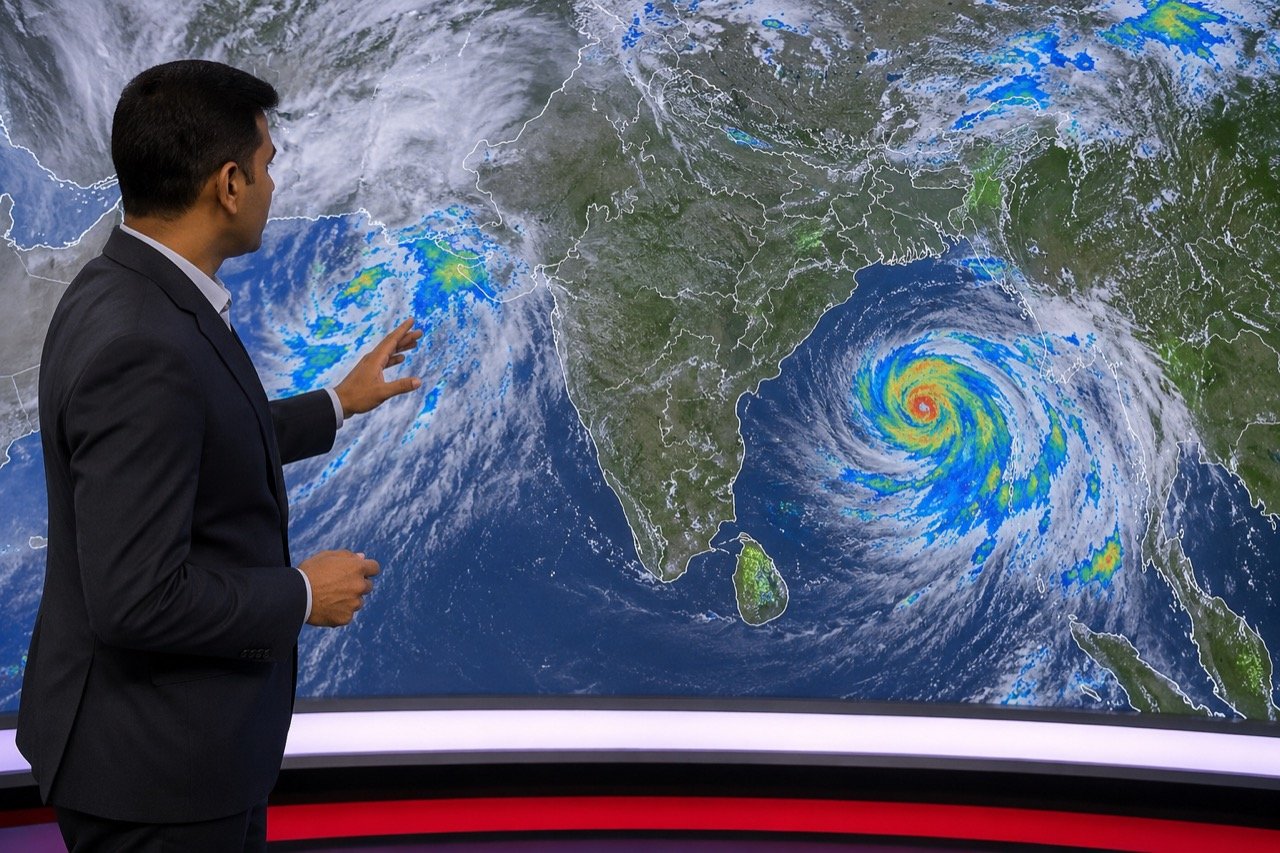
Bay of Bengal Low Pressure System Revives Monsoon Over Western India
A low-pressure system over the Bay of Bengal has pushed the monsoon back into an active phase, bringing steady heavy rain to Kerala, coastal Karnataka and Maharashtra, and putting Mumbai and Pune on preparedness watch.
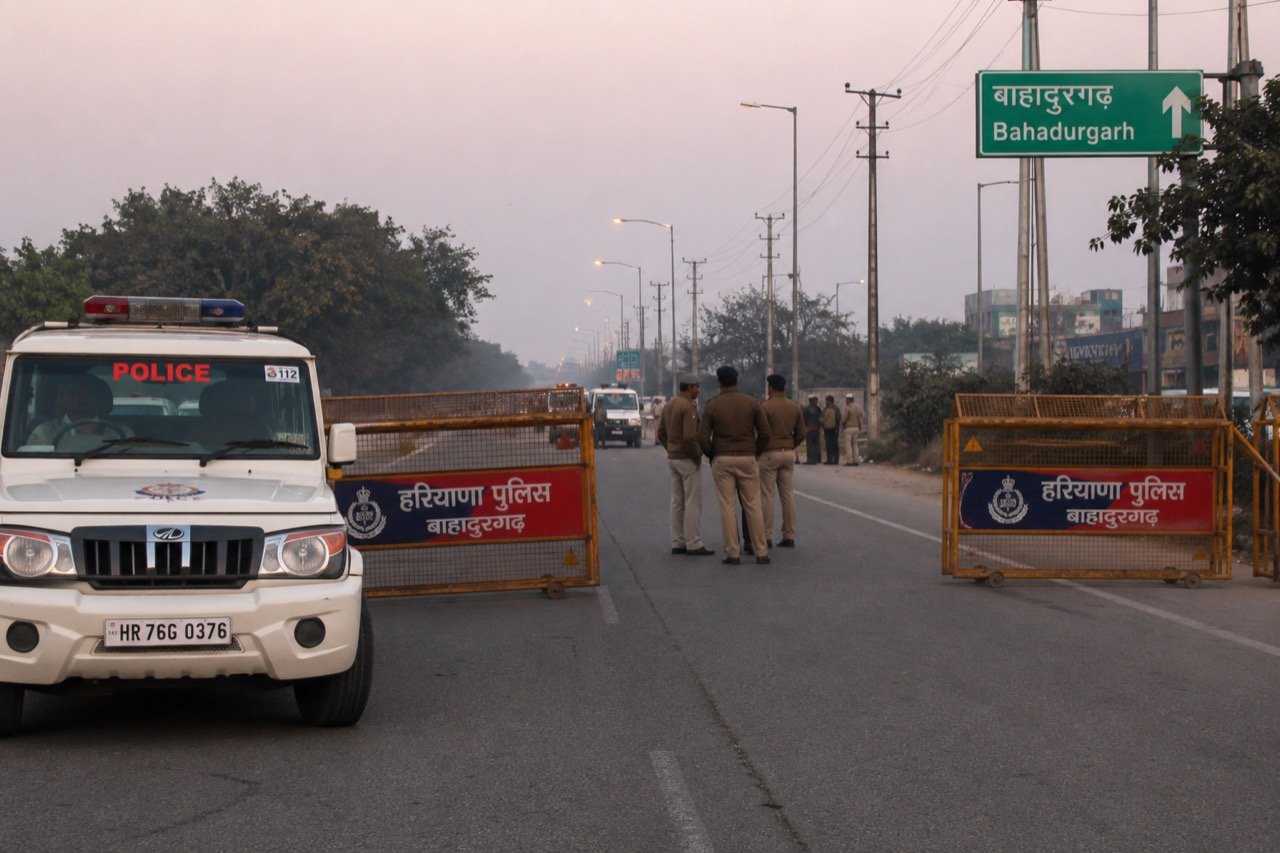
Bishnoi Gang Suspects Injured in Haryana Encounter as Police Tighten Net
A joint Haryana-Delhi Police operation in Bahadurgarh left two suspected Lawrence Bishnoi gang members injured, spotlighting the multi-state coordination now central to India's fight against organised crime networks.