Niti Taylor's Alliance Plot Reveal Sparks Streaming Buzz
Niti Taylor's candid account of a harrowing plot beat in Alliance — her character's face being burnt by an ex-boyfriend in the story — has become the streaming drama's sharpest talking point and a viral entry route to the series.
Commentary & Analysis ·
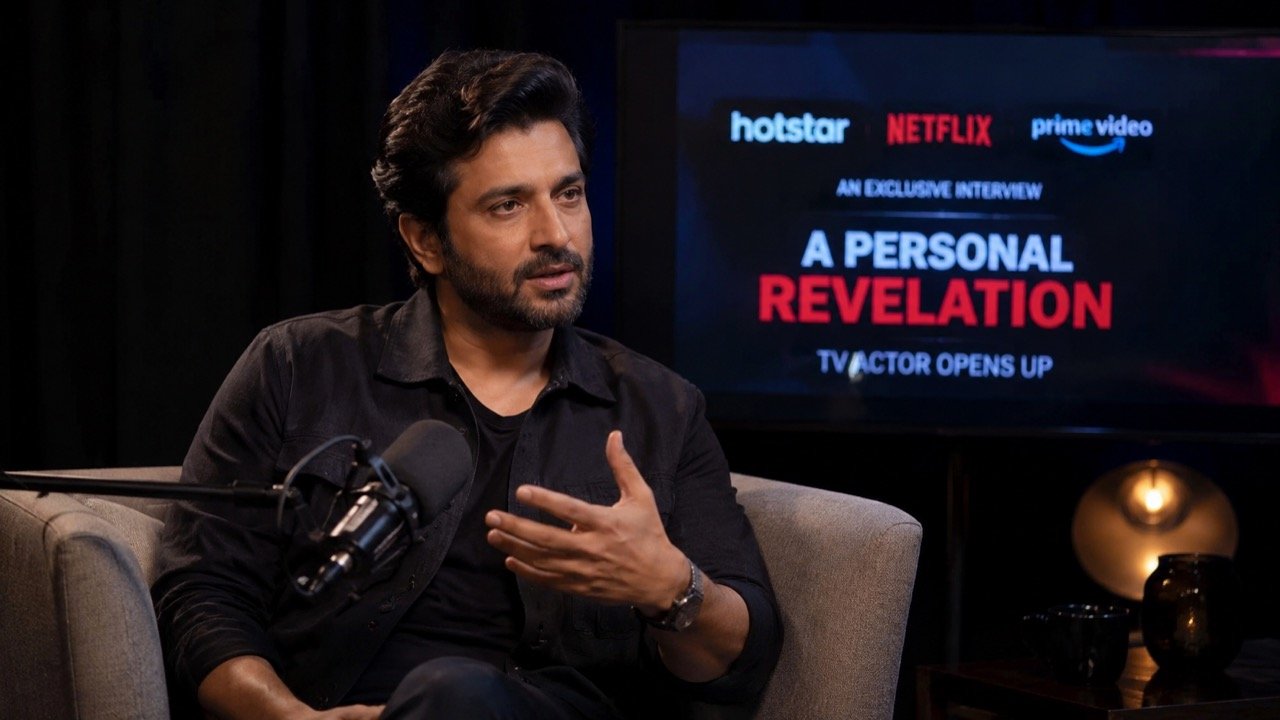
Niti Taylor has pushed the streaming drama Alliance into a much wider entertainment conversation. In comments reported by Hindustan Times, the actor described a disturbing plot beat inside the series — her character's face being burnt with a chemical by an ex-boyfriend — and that disclosure has quickly become the sharpest talking point around the show. What began as a routine promotional interview has, within days, turned into one of the more discussed threads in the entertainment press cycle, an outcome that says as much about how attention now moves through the OTT ecosystem as it does about the show itself.
One scene, one clip, one hook
The episode illustrates how Indian streaming shows now find their audiences. Increasingly, it is not the launch campaign, the trailer drop or the poster reveal that travels furthest — it is a single powerful scene, an interview clip, or a character disclosure that a viewer can screenshot, quote or forward. Taylor's account gives Alliance exactly that kind of searchable hook, while also positioning the series firmly in the emotional-drama category that tends to spread well across social platforms, where personal testimony from an actor about performing a difficult scene reliably outperforms generic show promotion.
For viewers who had not registered Alliance among the week's OTT listings, the revelation supplies a specific, character-driven entry point — a reason to look the show up rather than scroll past another release announcement. This is a pattern that has repeated across the streaming landscape in recent years: a show's commercial fate is often decided less by its marketing budget than by whether it produces one moment sturdy enough to survive outside its own episode, circulating on social feeds, entertainment portals and word-of-mouth conversation long after the initial release window has passed. Taylor's disclosure appears to have supplied Alliance with precisely that moment, arriving via an interview rather than a leaked scene or a promotional stunt, which lends it a degree of credibility that manufactured buzz rarely achieves.
Why this particular disclosure travels
It is worth asking why this specific detail, rather than some other element of the show, has become the story. Part of the answer lies in specificity: a vague tease of "intense drama" is forgettable, but a concrete, visceral plot point — an ex-boyfriend, a chemical attack, a disfigured face — gives audiences something precise to react to, discuss and search for. Part of it also lies in the fact that the disclosure came from the actor herself, describing the experience of performing the scene, which frames the story as being about craft and emotional labour rather than simply about violence for its own sake. That framing matters enormously for how the moment is received, and for whether it deepens interest in the show or simply generates fleeting shock value.
There is also a structural reason this kind of story finds traction now. Entertainment coverage of Indian streaming content has become increasingly reliant on actor interviews as a primary source of promotable material, since full reviews or audience data often lag behind a show's release. A single striking quote, picked up and reported by an outlet such as Hindustan Times, can do more to shape a title's public profile in its first week than the platform's own marketing push, simply because it is more shareable and more human.
Handling a dark plot beat responsibly
The substance of the disclosure demands care. The story point involves fictional violence against a woman, and the interest it has drawn rests on how Taylor framed a difficult scene from an actor's perspective — not on the violence itself. The responsible reading is about the character conflict and the craft of portraying trauma, without turning a fictional assault into spectacle. This distinction is not a technicality; it determines whether the resulting conversation serves any wider purpose beyond generating clicks for the show.
Coverage and audience discussion that dwell on the mechanics of the attack, or that treat the disfigurement as a lurid curiosity, would represent a failure of that responsibility. Coverage that instead engages with what the storyline says about coercive relationships, the aftermath of violence, and the demands placed on an actor to portray such trauma credibly, keeps the conversation anchored to something more substantial. The line between the two is thin, and it is drawn largely by how outlets, platforms and viewers choose to talk about the disclosure in the days ahead.
What this means for the platform and the show
For the platform hosting Alliance, the calculus is straightforward in the short term: unplanned virality of this kind is difficult to manufacture and valuable when it arrives organically. Whether that translates into sustained viewership, however, depends on whether the show itself delivers on the seriousness the disclosure implies. Audiences drawn in by a single searchable hook are also the audiences most likely to abandon a series quickly if the rest of the content does not match the gravity of the moment that brought them there. In that sense, the disclosure is as much a test for Alliance as it is a promotional gift.
There is also a broader industry lesson here for producers and platforms weighing how to promote shows built around difficult subject matter. The temptation to lean into a disturbing plot point purely because it generates attention is real, and the Alliance episode will likely be studied — informally, if not formally — as an example of how such moments can be surfaced through candid actor commentary rather than through deliberate shock marketing. That distinction is likely to matter to audiences increasingly attentive to the difference between authentic storytelling and manufactured controversy.
The NE Times View
There is a fine line between a hard-hitting story beat and shock marketing, and Alliance now sits on it. Depictions of acid and chemical attacks resonate painfully in India, where such violence is a real and continuing problem, so a series that dramatises it carries a responsibility beyond ratings. If the show treats the storyline with the seriousness Taylor's interview suggests, the viral attention could translate into genuine awareness rather than mere curiosity. Viewers — and platforms — should reward the former and be wary when trauma is used purely as a trailer moment. How Alliance and its makers choose to carry this moment forward, in subsequent episodes and in further press commentary, will determine whether this becomes a case study in responsible storytelling or a cautionary tale about content built to provoke rather than to illuminate.
Key takeaways
- Niti Taylor's disclosure about a chemical attack plot beat in Alliance, reported by Hindustan Times, has become the show's defining talking point.
- The moment illustrates how a single actor interview or scene disclosure can now drive more attention to a streaming show than conventional marketing campaigns.
- The responsible framing centres on the craft of portraying trauma and character conflict, not on sensationalising the violence itself.
- Because chemical and acid attacks remain a real and ongoing issue in India, the show carries a responsibility to handle the storyline with seriousness rather than treat it as a marketing hook.
- Whether the viral moment becomes genuine awareness or mere curiosity will depend on how Alliance follows through in its remaining episodes.
You may also like to read
Inside ‘Alliance’: How Prime Video’s New Mind-Games Reality Show Actually Works
Indian reality television has stunts, it has cooking, it has houses full of shouting.
Mirzapur The Movie: India's Boldest Streaming-to-Cinema Gamble Yet
Ali Fazal calls Mirzapur The Movie a big experiment, and he is right — the film will test whether one of India's biggest streaming franchises can convert digital fandom into a compressed, cinema-ready event.

Prime Video Bets on the Daily Grind: 'Alliance' Becomes Its First-Ever Worldwide Daily Reality Show
Premiering June 26 across 240 territories with Kunal Kemmu as host, the John de Mol-created strategy format drops a fresh episode every day, testing whether streaming audiences will commit to appointment viewing again.
Zenofar Fathima's Reel Files Season 4 Boosts Indie Streaming Push
Zenofar Fathima's return with The Reel Files Season 4 gives India's independent streaming circuit a fresh talking point, showing how creator-driven projects are building audiences outside the traditional star system.
More from this section
More
72nd National Film Awards: Fans Back Mammootty, Allu Arjun, Sai Pallavi
Speculation around the 72nd National Film Awards is intensifying as fan communities across India's language film industries champion favourites including Mammootty, Allu Arjun and Sai Pallavi ahead of any official announcement.

Aamir Khan Marries Gauri Spratt in Private Pali Hill Ceremony
Aamir Khan and Gauri Spratt tied the knot at the actor's Pali Hill home in Mumbai on July 5, turning a deliberately small family ceremony into Bollywood's biggest story of the day.
Akanksha Chamola's Lock Upp 2 Confession Sets Reality TV Abuzz
A personal revelation by Akanksha Chamola ahead of Lock Upp 2 has handed the reality show a viral talking point, underlining how confession-driven formats continue to dominate Indian television conversation.