Netflix India's 2026 Milestones Signal a Multi-Format OTT Strategy
Netflix India's celebration of five first-half 2026 milestones, spanning Lock Upp Sach Ya Saza, Taskaree and more, reads less like a platform update and more like a statement of intent in a crowded OTT market.
Commentary & Analysis ·
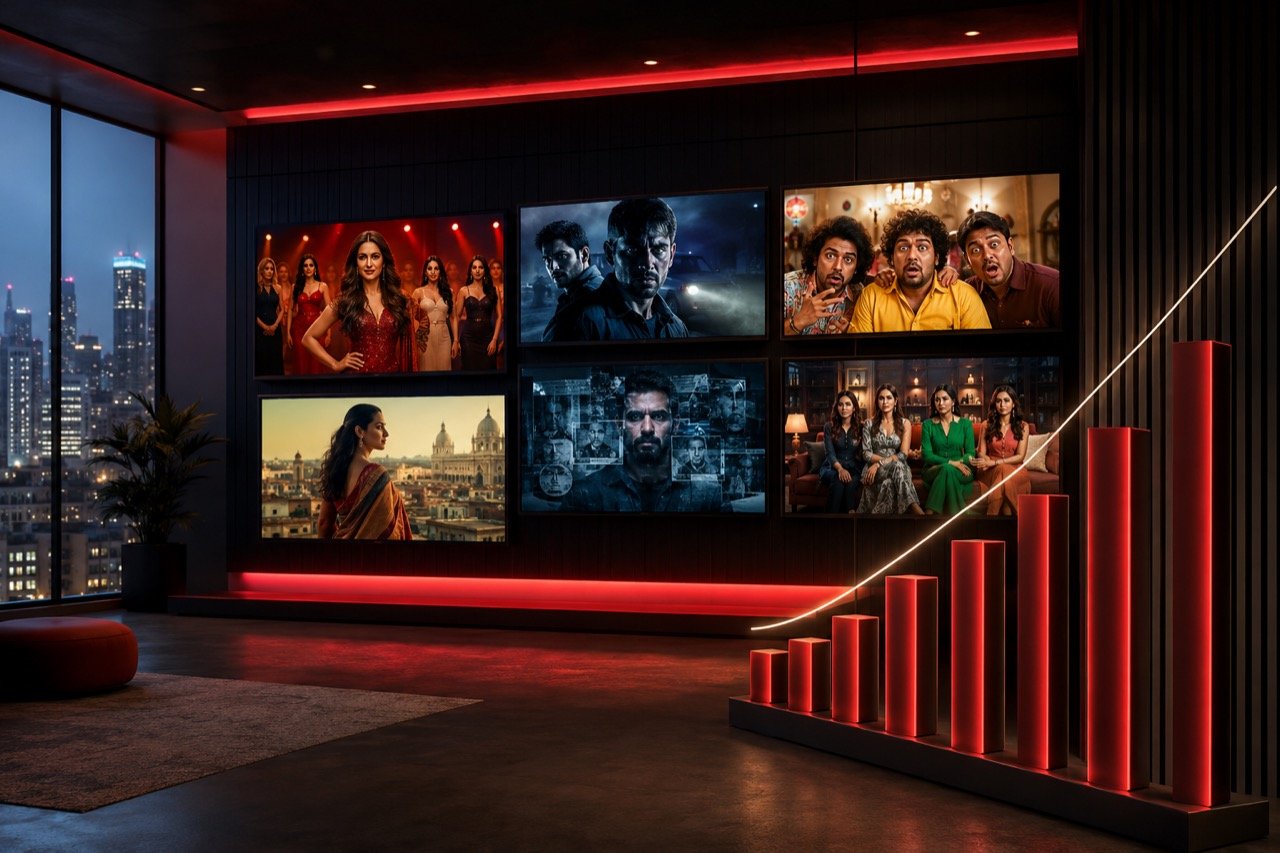
Netflix India's reported celebration of five major milestones from the first half of 2026 has become more than a routine platform update. It offers a snapshot of how the Indian streaming market now measures success across formats — reality shows, scripted series, films, global-facing originals and titles that travel beyond a single language market. Read in isolation, a milestone announcement is a marketing exercise. Read in context, it is a useful window into how the country's biggest subscription video platforms are repositioning themselves for a market that has grown far more crowded and far less forgiving of one-dimensional programming strategies.
From content library to entertainment ecosystem
The reported slate highlights titles such as Lock Upp Sach Ya Saza and Taskaree as part of a broader performance story. But the significant point is not which shows are named — it is that platforms increasingly present themselves as entertainment ecosystems rather than simple libraries. A library implies a static catalogue that viewers browse when they choose to. An ecosystem implies something closer to a habit: a mix of formats designed to pull audiences back on a rolling basis, across moods, time slots and viewing occasions.
India's OTT business has entered a phase of fragmented attention, with viewers moving between theatrical releases, television, YouTube, social video, sports and multiple paid services. In that environment, a platform's strongest argument is consistency across genres, not reliance on one breakout title. A single hit film or series can generate a spike in subscriptions, but spikes fade. What sustains a platform through a competitive year is a schedule that always has something current to point to — a reality show mid-season, a crime thriller newly launched, a regional-language original building word of mouth. The framing of five milestones together, rather than one standout success, suggests Netflix India is deliberately building its public narrative around breadth rather than around a single flagship title.
Why reality formats carry the rhythm
Reality programming plays a particular role in this strategy. Shows like Lock Upp Sach Ya Saza generate weekly conversation, social media clips, fan communities and controversy without needing the release pattern of scripted drama. A thriller or film delivers a concentrated burst of attention around its release window and then recedes from conversation; a reality show, by contrast, keeps the platform visible episode after episode, week after week, because each instalment produces fresh clips, fresh arguments and fresh reasons for casual viewers to check in.
This is not a uniquely Indian insight — reality formats have long served this "always-on" function for broadcasters worldwide — but its relevance to the Indian streaming market is sharpened by how much competition exists for a viewer's evening. Where a satellite television channel could once rely on appointment viewing, a streaming platform must compete against an open internet of alternatives. Reality programming's capacity to generate near-daily social chatter effectively subsidises the platform's visibility between the release of higher-cost scripted productions. Together, the two formats give Netflix India a broader programming rhythm: reality shows sustain week-to-week attention, while films and prestige series deliver periodic high points.
What this signals to the production and creative community
The industry implications are commercial as much as cultural. Producers, actors and writers parse platform claims closely because they signal commissioning appetite. A streaming platform's public milestones are, in effect, a message to the market about where it intends to keep spending. When reality, crime, comedy, regional dubbing and original films all feature in a single milestone package, creators read it as a map of where future opportunities lie — evidence that a commissioner is willing to greenlight across multiple genres and languages rather than concentrating its budget on one format it considers safest.
This matters because commissioning decisions in the Indian entertainment industry ripple outward quickly. Streaming success shapes what gets pitched and financed next: production houses recalibrate development slates, actors and their representatives judge which genres are in favour, and regional-language teams gauge whether dubbing and simultaneous release strategies are being rewarded. A platform's declared priorities, even when self-reported, function as informal guidance for an industry that otherwise has limited visibility into a competitor's actual viewership numbers, which streaming services in India are not obligated to disclose in detail.
The limits of self-reported success
It is worth being clear-eyed about what these milestone claims actually represent. They are not independently audited viewership figures, nor are they benchmarked against rival platforms in a way that would allow like-for-like comparison. A platform selecting its own five highlights from a six-month period is, by definition, presenting a curated and favourable account of its performance. The absence of independent audience measurement in India's streaming sector — unlike, for instance, television, which has long relied on ratings systems — means viewers and industry observers alike are often working from company-supplied narratives rather than verifiable data.
This is not a reason to dismiss the announcement outright, but it is a reason to treat it as one data point among several. The more durable signal is not the specific titles named, but the pattern of what a major platform chooses to emphasise publicly — and what that choice reveals about the competitive pressures shaping its strategy.
The NE Times View
Milestone announcements are marketing, and readers should treat them that way — self-declared wins deserve to be checked against independent audience data, reviews and lasting cultural impact. Yet the framing itself is revealing: Netflix India wants its 2026 story to be multi-format, multi-language and visibly competitive, which tells us where the OTT battle in India is actually being fought. This is a market in which no single genre or language market is being treated as sufficient on its own; instead, platforms are hedging across reality television, scripted drama, film and regional content simultaneously.
For Indian viewers, the healthy outcome is platforms competing on breadth and quality rather than on a single blockbuster; a market where success is measured across formats tends to produce more variety, more opportunities for regional and niche content, and less reliance on a handful of expensive tentpole productions. For creators, the message is that the commissioning door is open across genres — reality, crime, comedy and regional-language work all appear to be viewed as viable investments rather than afterthoughts. The claims may be promotional, but the direction of travel is real, and it is one that independent observers, producers and viewers alike would do well to keep watching over the remainder of 2026.
Key takeaways
- Netflix India's 2026 milestone announcement spans reality, scripted, film and regional-language formats, signalling a deliberate multi-format strategy rather than reliance on a single hit.
- Reality shows such as Lock Upp Sach Ya Saza sustain week-to-week audience attention between the releases of higher-cost scripted productions and films.
- Platform milestone claims function as informal signals to producers, actors and writers about where commissioning budgets and creative opportunities are likely to flow next.
- Self-reported milestones are promotional by nature and lack independent audience verification, so they should be weighed alongside external reviews and data rather than taken at face value.
- The broader trend — competition across formats and languages rather than around one blockbuster — points to a healthier, more varied Indian streaming market if it continues.
You may also like to read
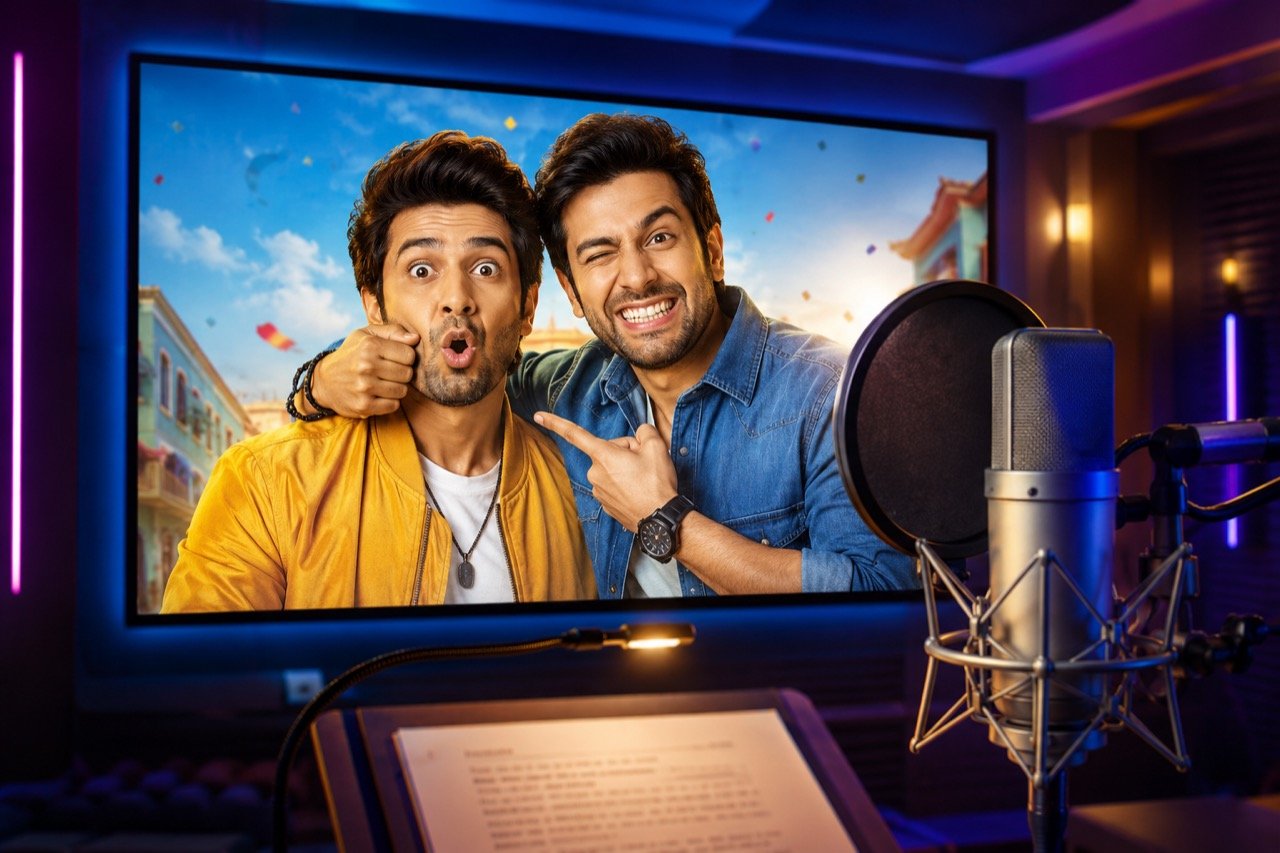
Pritam And Pedro Telugu Dub Widens Reach of Hindi Buddy Comedy
The Hindi buddy-comedy series Pritam And Pedro is now streaming with a Telugu dub, giving the show a fresh discovery route among regional audiences and underlining how Indian OTT libraries are turning multilingual by default.
OTT Releases This Week: What to Watch June 22–28, 2026
Indian streaming viewers face a packed release window this week, with new films, web series and returning seasons across Netflix, Prime Video, JioHotstar and more for June 22–28.
Busan's streaming festival returns with a record field as the Global OTT Awards crown the platform era
The Korea International Streaming Festival runs June 18-21 with its flagship Global OTT Awards drawing a record 231 submissions, signalling how Asia's streaming industry is building institutions to match its commercial clout.

Prime Video Switches On Ads in India, Reshaping Streaming Economics
From 17 June, Amazon's flagship streamer carries commercials by default, charging viewers Rs 699 a year to opt out - a bet that ad money funds bigger local bets.
More from this section
More
72nd National Film Awards: Fans Back Mammootty, Allu Arjun, Sai Pallavi
Speculation around the 72nd National Film Awards is intensifying as fan communities across India's language film industries champion favourites including Mammootty, Allu Arjun and Sai Pallavi ahead of any official announcement.

Aamir Khan Marries Gauri Spratt in Private Pali Hill Ceremony
Aamir Khan and Gauri Spratt tied the knot at the actor's Pali Hill home in Mumbai on July 5, turning a deliberately small family ceremony into Bollywood's biggest story of the day.
Akanksha Chamola's Lock Upp 2 Confession Sets Reality TV Abuzz
A personal revelation by Akanksha Chamola ahead of Lock Upp 2 has handed the reality show a viral talking point, underlining how confession-driven formats continue to dominate Indian television conversation.